If you shoot video by yourself, audio can be the difference between footage that feels polished and footage that feels disposable. Solo videographers often need to move fast, keep their setup compact, and capture clean dialogue without a dedicated sound recordist. That raises a practical question: should you choose a shotgun mic, a lavalier, or a simple on-camera microphone?
This guide is for solo creators, documentary shooters, vloggers, hybrid photo/video users, and small production teams who want better sound without overcomplicating their rig. Below, we break down when each mic style makes sense, what tradeoffs to expect, and which available options stand out for different shooting styles.
Shotgun vs. Lavalier vs. On-Camera Mics: What Solo Videographers Need to Know
For many solo shooters, the decision starts with workflow.
- Shotgun microphones are ideal when you want focused pickup from in front of the camera. They work well for run-and-gun interviews, documentary coverage, and general-purpose video where the subject stays relatively close.
- Lavalier microphones are best when consistent voice levels matter most, especially if your subject moves around or turns away from camera. They are often the strongest choice for interviews and presentations, but none are included in this product list.
- On-camera microphones are the most convenient option for solo operators. In practice, many compact on-camera mics are shotgun-style designs, giving you a useful balance of portability and directionality.
Because the currently available products here are all on-camera shotgun microphones, this guide focuses on which type of on-camera mic is best for solo videography and when a future upgrade to a lavalier system might make sense.
When a Shotgun or On-Camera Mic Is the Right Choice
If you regularly film yourself, capture ambient moments, or move between handheld, tripod, and gimbal shooting, an on-camera shotgun mic is often the simplest and most versatile solution. It mounts quickly, adds very little setup time, and is always ready when inspiration hits.
A shotgun or on-camera mic is usually the right fit if:
- You need a fast, compact audio setup
- You film in controlled or moderately noisy environments
- You want better audio than your camera's built-in mic
- You switch between talking-head content, B-roll, and casual interviews
- You prefer minimal cables and accessories
If your subject will be farther from the camera, or if maximum dialogue isolation is your top priority, that is where lavaliers and dedicated wireless systems start to make more sense.
Our Pick
Our Pick: Rode VideoMic NTG Hybrid Analog/USB On-Camera Shotgun Microphone
For most solo videographers, the Rode VideoMic NTG offers the best mix of sound quality, flexibility, and future-proof usability. Its hybrid analog/USB design makes it especially attractive for creators who shoot with cameras one day and record directly to a computer or mobile workflow the next. If you want one mic that can grow with your solo production kit, this is the standout choice.
Comparison Table
| Product | Best For | Key Strength | Why Solo Videographers Like It |
|---|---|---|---|
| Rode VideoMic NTG | Advanced creators and hybrid workflows | Analog/USB versatility | Works across cameras and desktop/mobile-style setups |
| Rode VideoMic Pro Plus | Run-and-gun video and interviews | Premium on-camera performance | Strong upgrade over built-in camera audio with a proven form factor |
| Zoom ZSG-1 | Simple, lightweight camera rigs | Straightforward shotgun performance | Easy fit for compact solo setups |
| Used Rode VideoMic GO | Budget-conscious creators | Value | Affordable way to start improving audio |
Recommended Microphones for Solo Videographers
Rode VideoMic NTG Hybrid Analog/USB On-Camera Shotgun Microphone
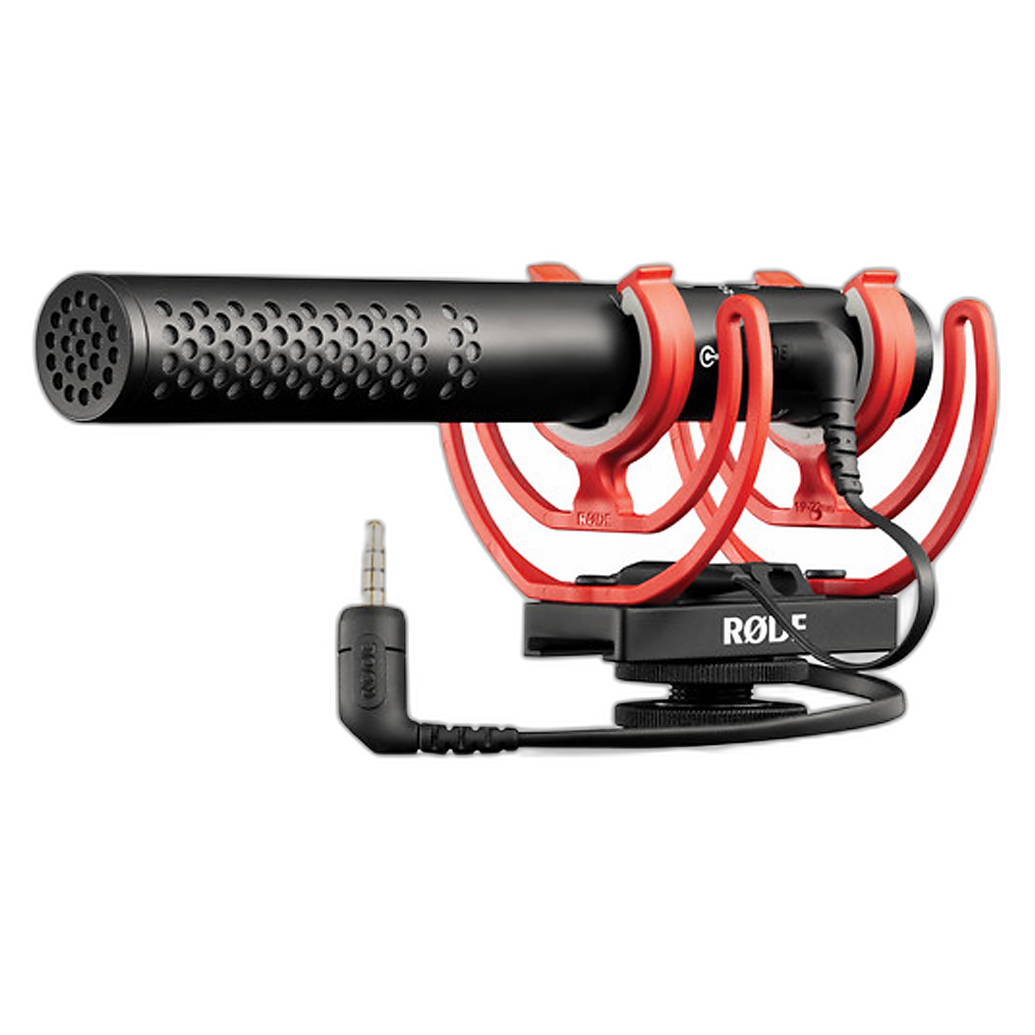
The Rode VideoMic NTG is the most versatile option in this lineup and the one we would recommend to the widest range of solo videographers. Its hybrid analog/USB design makes it more than just a camera mic. That means it can fit into a camera-based video rig today and remain useful if your workflow expands into voiceovers, livestreaming, desktop recording, or direct-to-computer production.
For solo creators, versatility matters. You may be shooting a client interview one day, filming YouTube content the next, and recording narration later that week. A mic that adapts easily can reduce the need to buy separate gear for each task.
Why it stands out:
- Excellent fit for hybrid creators who shoot and record across platforms
- Compact on-camera shotgun format keeps your rig manageable
- Strong choice for interviews, talking-head videos, and run-and-gun work
- Best long-term value if you want one mic to cover multiple production needs
Best for: solo videographers who want a premium all-around microphone and the flexibility to use it beyond the camera hot shoe.
Rode VideoMic Pro Plus On-Camera Shotgun Microphone
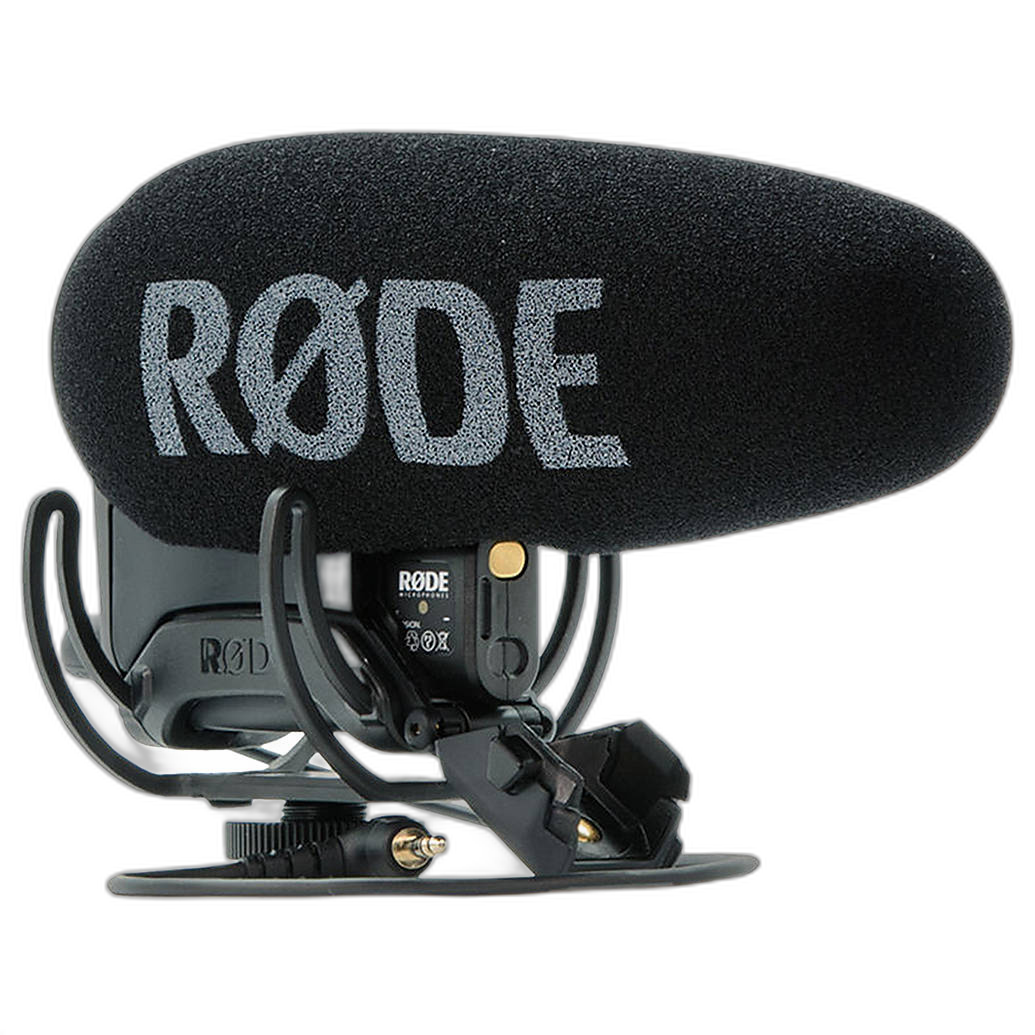
If your main priority is upgrading your camera audio with a proven on-camera shotgun microphone, the Rode VideoMic Pro Plus is an excellent choice. It is especially well suited to documentary-style shooting, event coverage, quick interviews, and general-purpose field production where you need better directional pickup than your camera can provide on its own.
For solo shooters, this type of microphone hits a sweet spot. It is more focused than a built-in camera mic, faster to deploy than a wired lav setup, and more practical when you are constantly changing locations or subjects.
Why it stands out:
- Great upgrade for mirrorless and DSLR shooters
- Well suited to fast-moving solo productions
- Directional pickup helps emphasize your subject over surrounding noise
- Strong match for creators who want dedicated on-camera audio performance
Best for: videographers who primarily want a high-quality camera-mounted shotgun mic and do not necessarily need USB workflow flexibility.
Zoom ZSG-1 On-Camera Shotgun Microphone
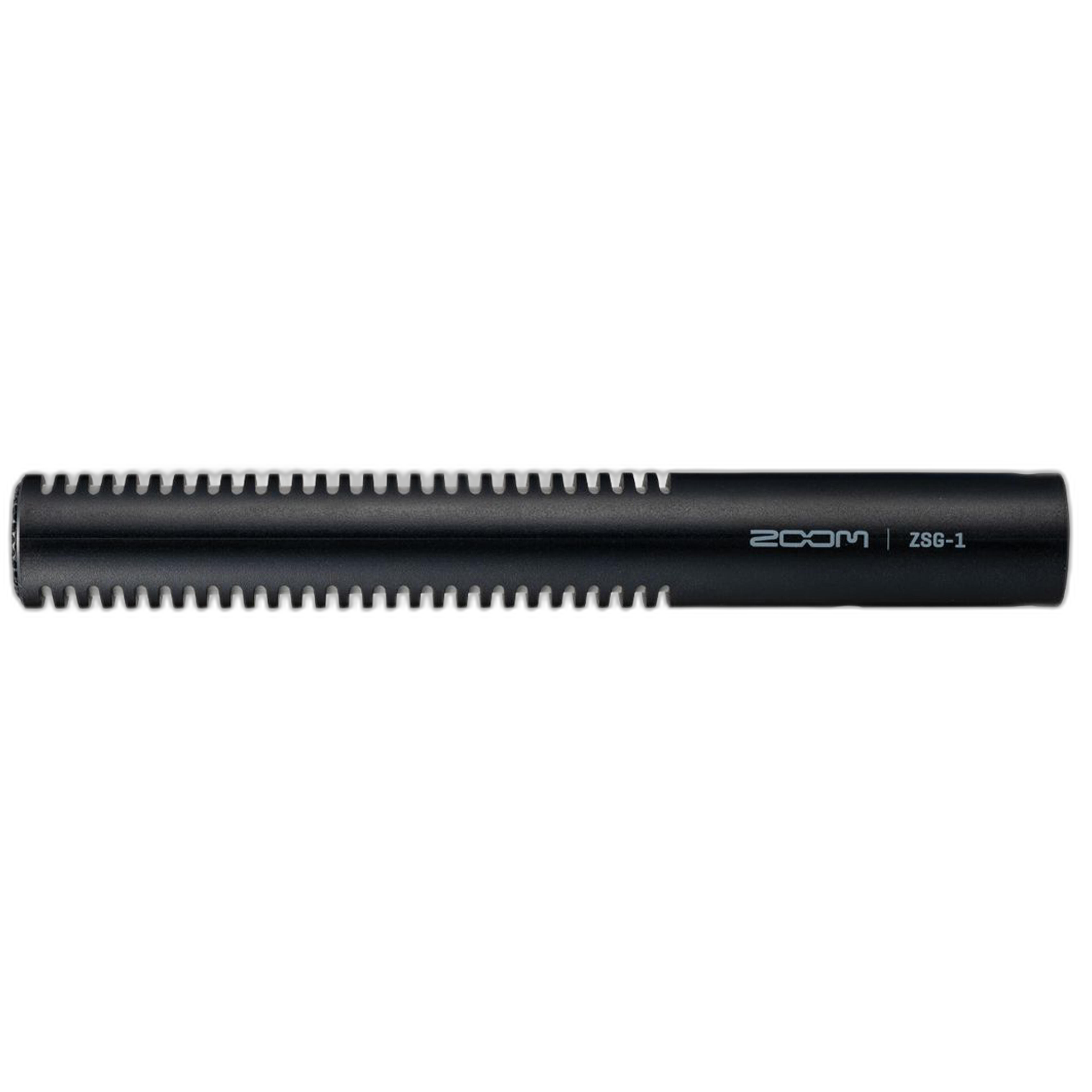
The Zoom ZSG-1 is a smart option for solo creators who want a straightforward shotgun microphone for a compact camera rig. If you are trying to keep things light and uncomplicated, this mic makes a lot of sense. It gives you a dedicated on-camera audio tool without pushing you into a more elaborate setup.
This kind of microphone is especially useful for travel video, simple interviews, behind-the-scenes clips, and creator content where mobility matters just as much as sound quality.
Why it stands out:
- Simple, focused solution for on-camera audio capture
- Good match for lightweight solo video kits
- Appealing option for creators who want ease of use
- Nice balance between portability and directional performance
Best for: solo shooters who want a no-fuss shotgun mic for everyday content creation.
Used Rode VideoMic GO On-Camera Shotgun Microphone Rode - Excellent
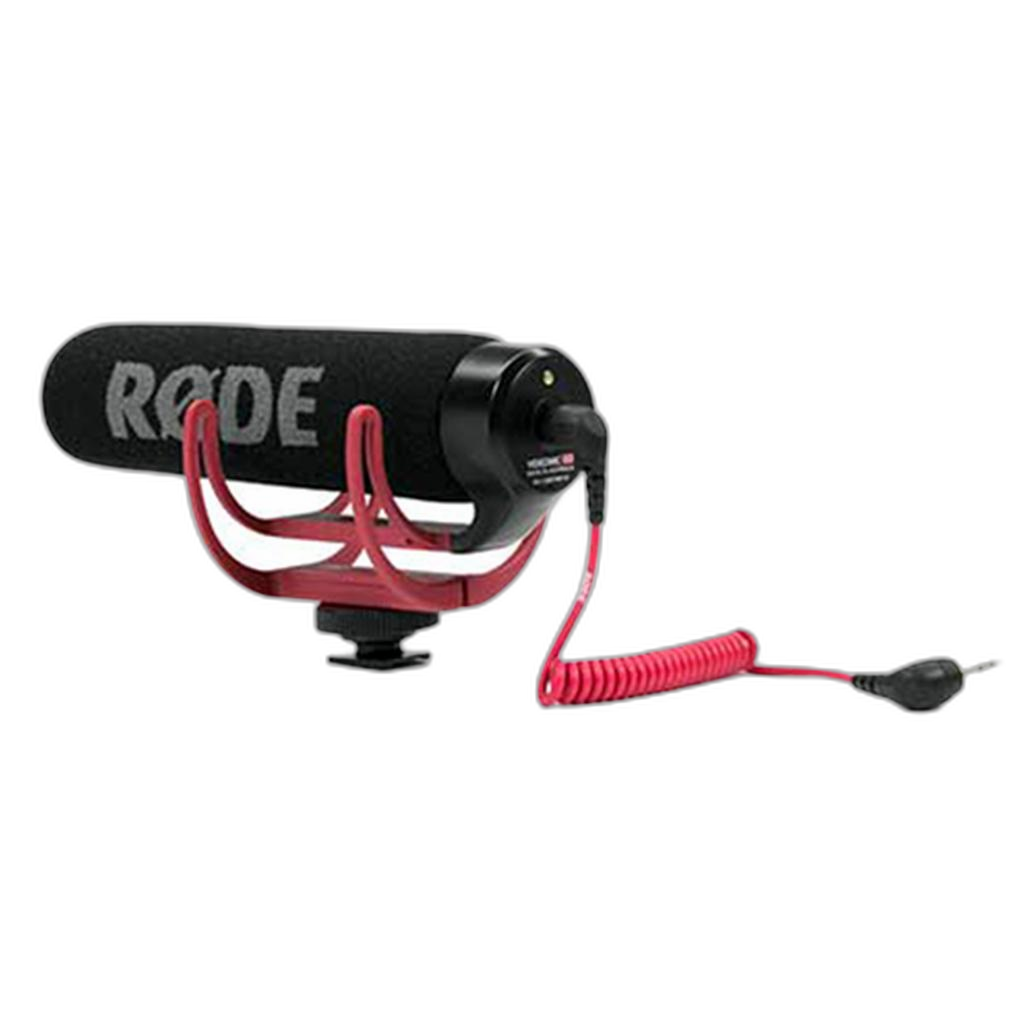
If budget is the deciding factor, a used Rode VideoMic GO in excellent condition can be one of the smartest ways to step up from your camera's internal microphone. For newer videographers, students, and creators building a first kit, used gear can free up budget for other essentials like lighting, media, or support accessories.
While it may not be the most feature-rich option in the group, it covers the fundamentals: better placement, more focused pickup, and a more professional starting point for solo video work.
Why it stands out:
- Strong value for cost-conscious creators
- Easy first upgrade from built-in camera audio
- Good entry point for learning proper microphone placement and technique
- Lets beginners improve production quality without overspending
Best for: first-time buyers and budget-minded solo videographers who want a practical audio upgrade.
What About Lavalier Microphones?
Lavalier microphones are often the best answer when your subject is moving, when you need more consistent dialogue levels, or when the camera cannot stay close enough for a shotgun mic to sound its best. For solo interviews, wedding work, educational videos, and corporate presentations, lavs can outperform on-camera mics simply because they place the microphone much closer to the speaker's mouth.
That said, lavaliers usually add setup time, wardrobe considerations, cable management, and in many cases a wireless system. If you are a solo operator working quickly, an on-camera shotgun mic is often the more practical day-to-day tool.
A simple rule of thumb:
- Choose an on-camera shotgun mic for speed, portability, and general-purpose shooting.
- Choose a lavalier when voice consistency and subject movement matter more than setup simplicity.
How to Choose the Right Mic for Your Style of Solo Video
Ask yourself these questions before buying:
- How close will the camera usually be to the subject? The farther away the camera is, the less effective an on-camera shotgun will be for clean dialogue.
- Do you need one mic for multiple workflows? If yes, the VideoMic NTG has a major advantage.
- Are you mostly filming yourself? A quality on-camera shotgun can work very well if the camera stays relatively close.
- Are you shooting in noisy environments? Directional mics help, but they are not magic. Mic placement still matters.
- Is budget your top concern? A used option can be the smartest path to better audio.
Final Recommendation
For most solo videographers, a compact on-camera shotgun microphone is the best starting point because it balances convenience, portability, and clear audio improvement over built-in camera mics. Among the options here, the Rode VideoMic NTG is the best overall buy for creators who want premium flexibility, while the Rode VideoMic Pro Plus is a strong pick for dedicated camera-first shooting. If you want a simpler or more affordable route, the Zoom ZSG-1 and Used Rode VideoMic GO are both worth considering.
If you are ready to upgrade your solo video audio setup, Unique Photo is a great place to compare dependable on-camera microphone options and build a kit that fits the way you actually shoot.