Budget Prime Lens FAQ: Best Affordable Options for Sharp Portraits & Low Light
Affordable prime lenses remain one of the smartest upgrades for photographers who want better image quality, stronger low-light performance, and more pleasing background blur without jumping straight to premium glass. While many shoppers start by asking about entry-level 50mm lenses, the bigger question is how to choose the right prime for your camera system, shooting style, and long-term goals.
At Unique Photo, we help photographers and filmmakers compare lens options based on real-world use: portraits, everyday shooting, available light, and creative depth of field. Below, we break down the most common questions about budget primes and explain when it makes sense to stay entry-level and when it may be worth stepping into a more advanced Sigma prime ecosystem.
Is a 50mm f/1.8 still one of the best values for beginners?
Yes—an affordable 50mm f/1.8 is still one of the most practical starting points for new photographers. On full-frame cameras, 50mm gives a natural perspective that works well for portraits, street photography, casual lifestyle work, and detail shots. On APS-C cameras, it behaves more like a short telephoto, which can be especially flattering for headshots and tighter portrait compositions.
The biggest advantage is the combination of a bright aperture and simple optical design. Compared to a kit zoom, a budget 50mm prime usually delivers better subject separation, cleaner low-light results, and sharper images at common portrait distances. For beginners learning exposure, composition, and background control, this focal length remains a very strong value.
That said, “best value” depends on your goals. If you shoot mostly indoors, travel often, or want a more flexible walkaround view on crop-sensor cameras, a wider prime may feel more natural. If you are focused on polished portraiture or controlled filmmaking, stepping into a matched prime set can offer more consistency than relying on a single entry-level lens.
Are third-party prime lenses worth considering?
Absolutely. Third-party lens makers have expanded the market significantly, giving photographers and filmmakers more options at multiple price points. The key is understanding the category you are shopping in. Some third-party primes are designed as affordable still-photo alternatives, while others are precision tools built for cinema workflows, manual focus control, and consistent rendering across a set.
Sigma is a standout brand in this conversation because it spans enthusiast and professional users alike. For content creators who want to move beyond a single budget lens and build a more complete visual toolkit, Sigma cine prime kits offer a serious upgrade path. These lenses are not “budget beginner” products, but they demonstrate how third-party glass can deliver premium performance, color consistency, and fast apertures across multiple focal lengths.
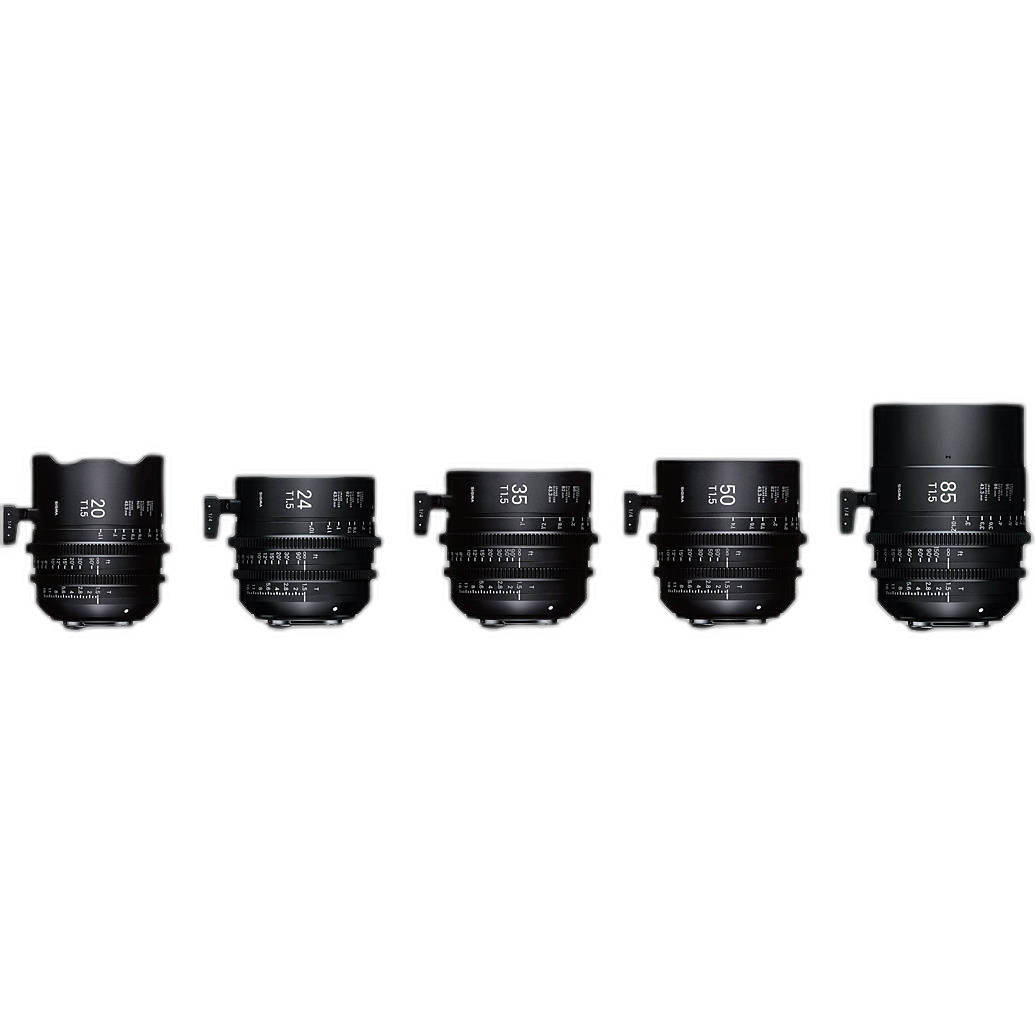
For example, filmmakers shooting Canon EF can look at the Sigma T1.5 FF High-Speed 5 Fully Luminous Prime Lens Kit. It is designed for demanding production environments where matched look, repeatable focus pulls, and strong low-light capability matter.
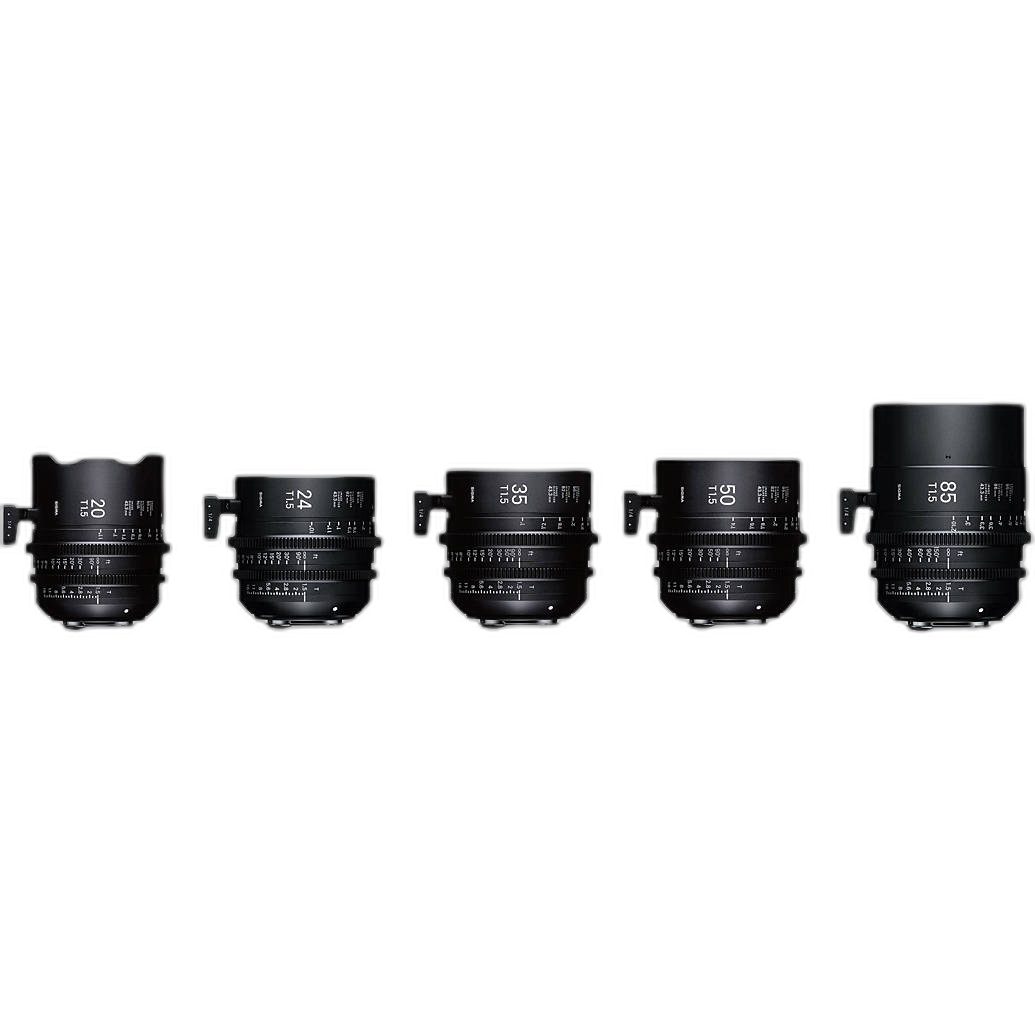
Sony E-mount users who want a comparable cinema-oriented option can consider the Sigma T1.5 FF High-Speed 5 Fully Luminous Prime Lens Kit with Case for Sony E.
If your work involves narrative video, interviews, music videos, or commercial production, third-party options like these are more than worth considering—they can be the smarter long-term investment.
How do budget primes perform for portraits?
Budget primes generally perform very well for portraits because portrait photography benefits from exactly what primes do best: wider apertures, simpler focal-length choices, and strong subject isolation. Even modestly priced primes can produce flattering facial rendering, smoother backgrounds than kit zooms, and sharper results at portrait distances.
A 50mm prime is a classic entry point, but portrait shooters should also think about working distance and framing. On full frame, 85mm to 135mm often creates a more compressed, flattering look for headshots. On APS-C bodies, 50mm can sit in that sweet spot. If your goal is cinematic portraiture or high-end video portrait work, longer and faster primes become especially useful.
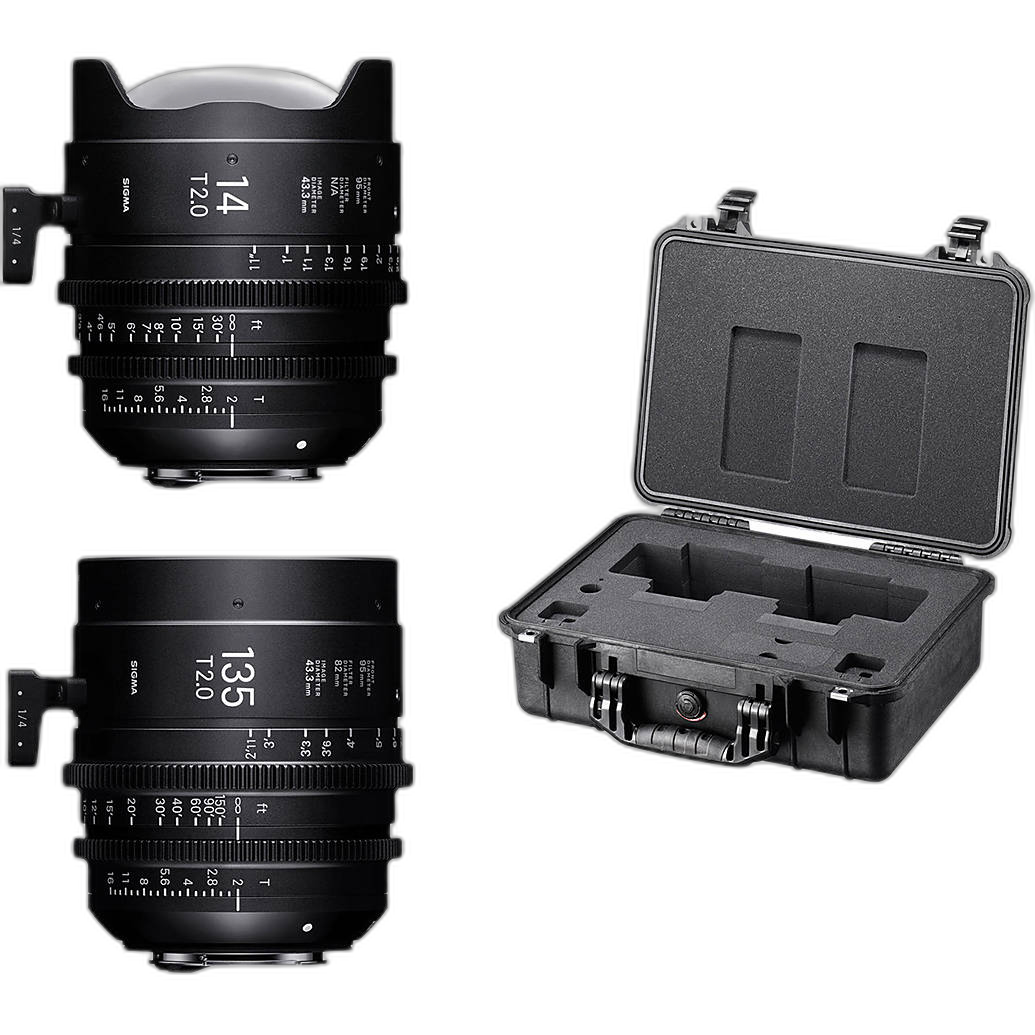
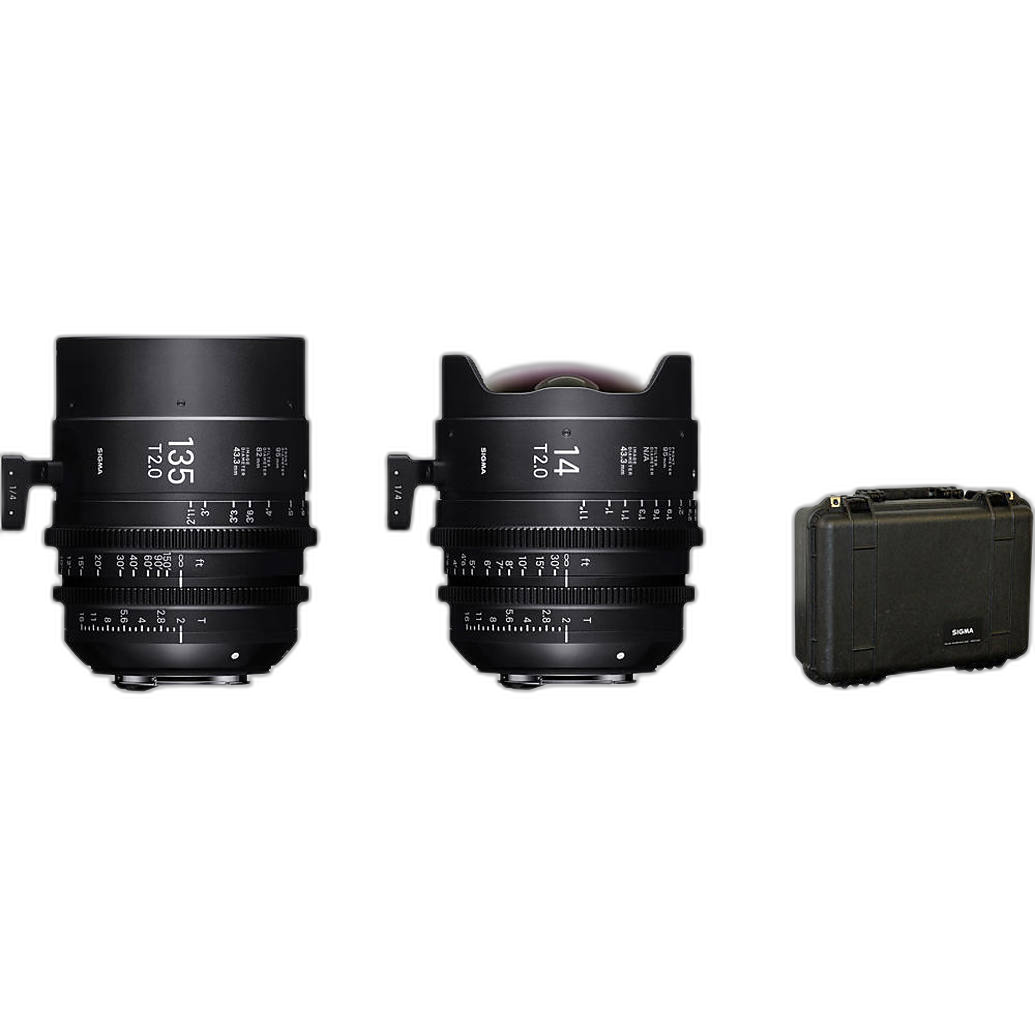
That is where advanced prime kits can make a real difference. The Sigma 14mm/135mm T2 FF High-Speed Fully Lum. Prime Lens Kit for Canon EF includes focal lengths that let creators move from dramatic wide establishing shots to elegant portrait compression, all while maintaining a cohesive visual character.
For still photographers on a tighter budget, the lesson is simple: primes are often the fastest route to better portraits. For professional-level hybrid creators, a matched set offers greater consistency from one shot to the next.
Are budget prime lenses good for low-light photography?
In many cases, yes. One of the biggest reasons photographers buy a prime lens is to gain light-gathering ability. A lens with a wide aperture lets you use lower ISO settings or faster shutter speeds than a slower zoom, which can improve image quality and help preserve detail in dim conditions.
For indoor portraits, events, restaurant photography, live performances, and night street scenes, a fast prime often outperforms a typical kit lens by a wide margin. The improvement can show up as cleaner files, more stable handheld shooting, and the ability to maintain a more cinematic look with selective focus.
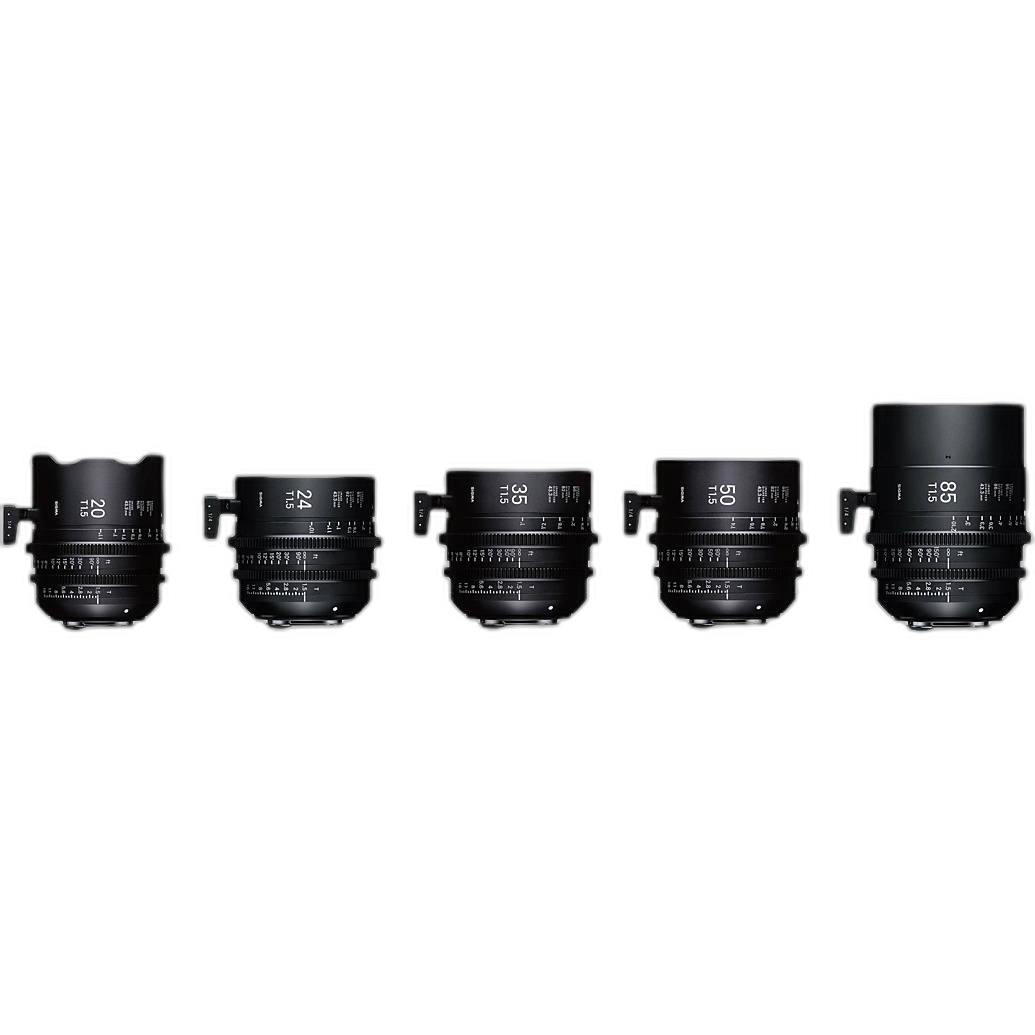
Filmmakers working in low light often need even more consistency, especially across multiple focal lengths. Sigma’s T1.5 full-frame cine prime kits are built for exactly that kind of use. The Sigma T1.5 FF High-Speed 5 Prime Lens Kit with Case (Canon EF, Metric) is a strong example for creators who need fast transmission and matched performance across a set.
Keep in mind that low-light success is not just about the widest aperture. Autofocus reliability, stabilization, subject movement, and your camera body’s sensor performance also matter. Still, a quality prime is usually one of the most impactful low-light upgrades you can make.
How should I compare budget prime lenses side by side?
When comparing primes, do not focus only on sharpness charts or maximum aperture numbers. A useful side-by-side test should include center sharpness, corner sharpness, autofocus speed, color rendering, contrast, bokeh quality, flare resistance, and how the lens handles skin tones. For portrait users, out-of-focus rendering can matter just as much as absolute resolution.
It also helps to compare lenses in the kinds of scenes you actually shoot: window-lit portraits, nighttime sidewalks, indoor family gatherings, or simple product shots. Some lenses look excellent in controlled daylight but become less convincing when backlit or used wide open in real low-light situations.
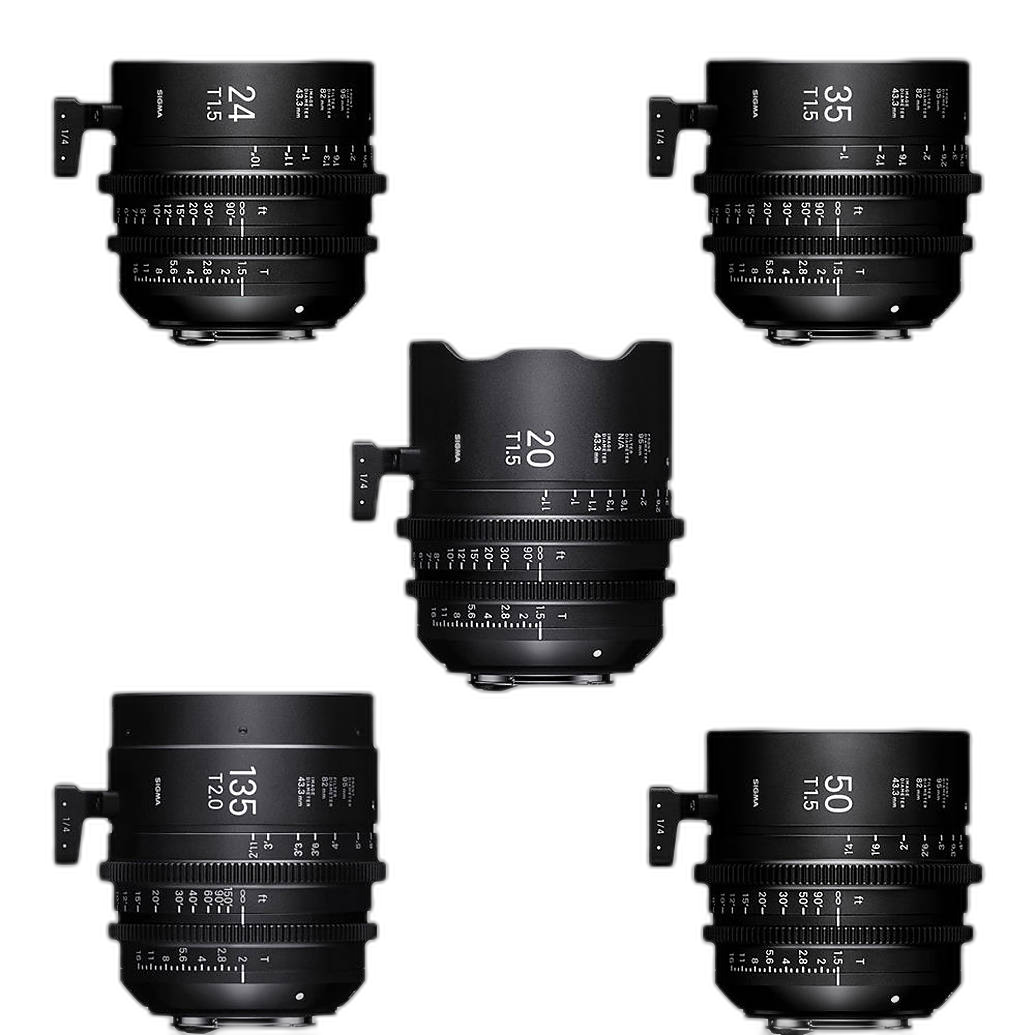
If you are building a video kit, consistency across focal lengths becomes even more important. That is one reason matched systems like the Sigma T1.5 FF High-Speed 5 Fully Luminous Prime Lens Kit (Canon EF, Metric) appeal to serious creators. Instead of juggling different visual signatures from unrelated lenses, you get a more unified look from shot to shot.
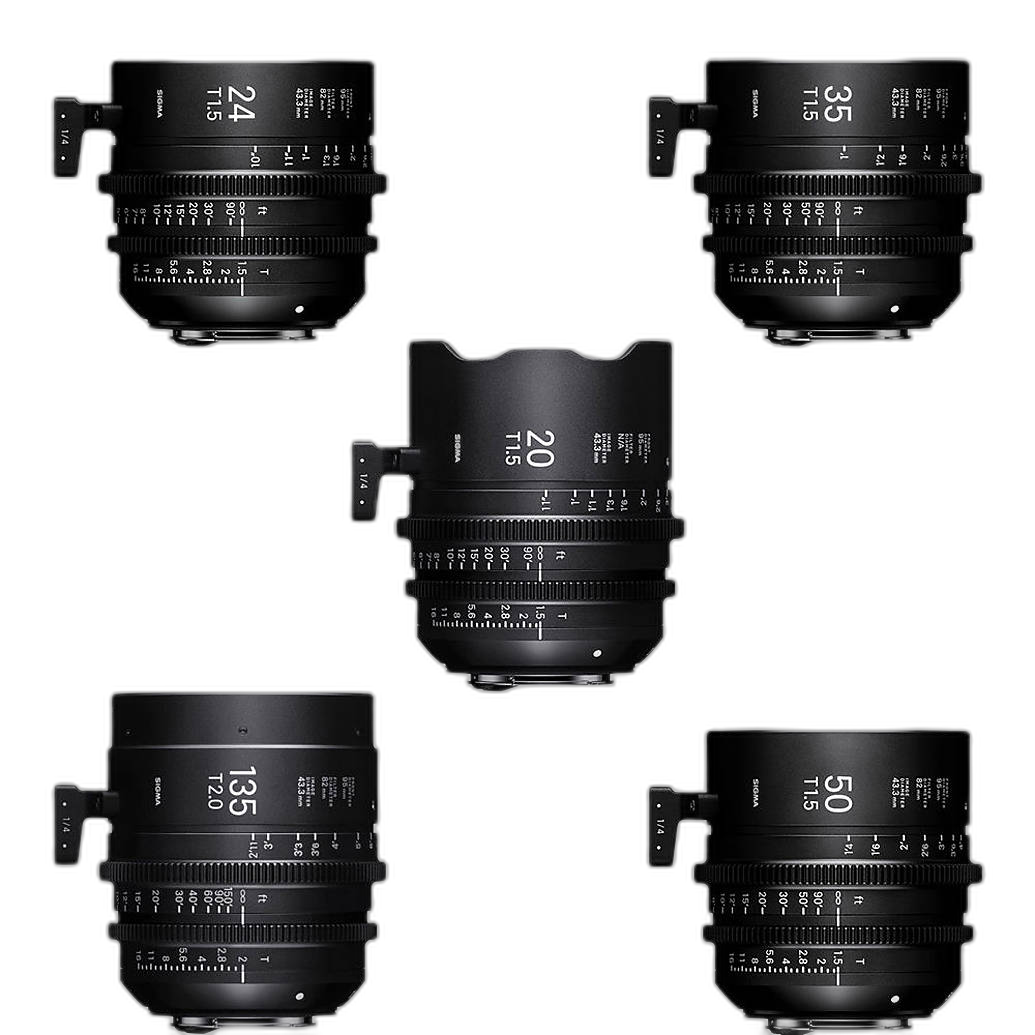
For Sony-based production teams, the Sigma T1.5 FF High-Speed 5 Fully Luminous Prime Lens Kit (Sony E, Metric) offers that same matched-set advantage.
In short, compare lenses based on the images and footage you want to create—not just spec sheets.
Which focal length is best if I can only buy one prime lens?
If you can only start with one prime, the best focal length depends on both your camera format and your favorite subjects. A 50mm lens is still a strong all-around answer for full-frame users who want an affordable introduction to primes. On APS-C, many photographers prefer something in the 30mm to 35mm range for everyday use because it feels more natural indoors and on the street.
If portraits are your main priority, a longer focal length may be more satisfying. If travel, family moments, or environmental portraits are the goal, a slightly wider lens may see more use. There is no universal winner—only the best match for your workflow.
For advanced users planning a full shooting system, thinking in focal-length pairs can help. A wide-plus-tele combination offers versatility for storytelling, portraiture, and cinematic coverage. That is why kits like the Sigma 14mm T2 and 135mm T2 FF High-Speed Prime Lens Kit (Canon EF, Metric) can be compelling for creators who need both dramatic wide shots and refined compression in the same package.
Should beginners buy a single inexpensive prime or save for a better lens system?
For most beginners, buying a single affordable prime first is the most practical approach. It is a low-risk way to learn how focal length, aperture, and depth of field affect your images. A simple prime encourages you to move your feet, think more carefully about framing, and discover what you actually like to shoot.
However, if you already know you are moving into serious client work, filmmaking, or hybrid production, it can be smarter to plan around a larger lens ecosystem from the start. A matched set reduces inconsistency and can save money over time if you would otherwise upgrade in stages.
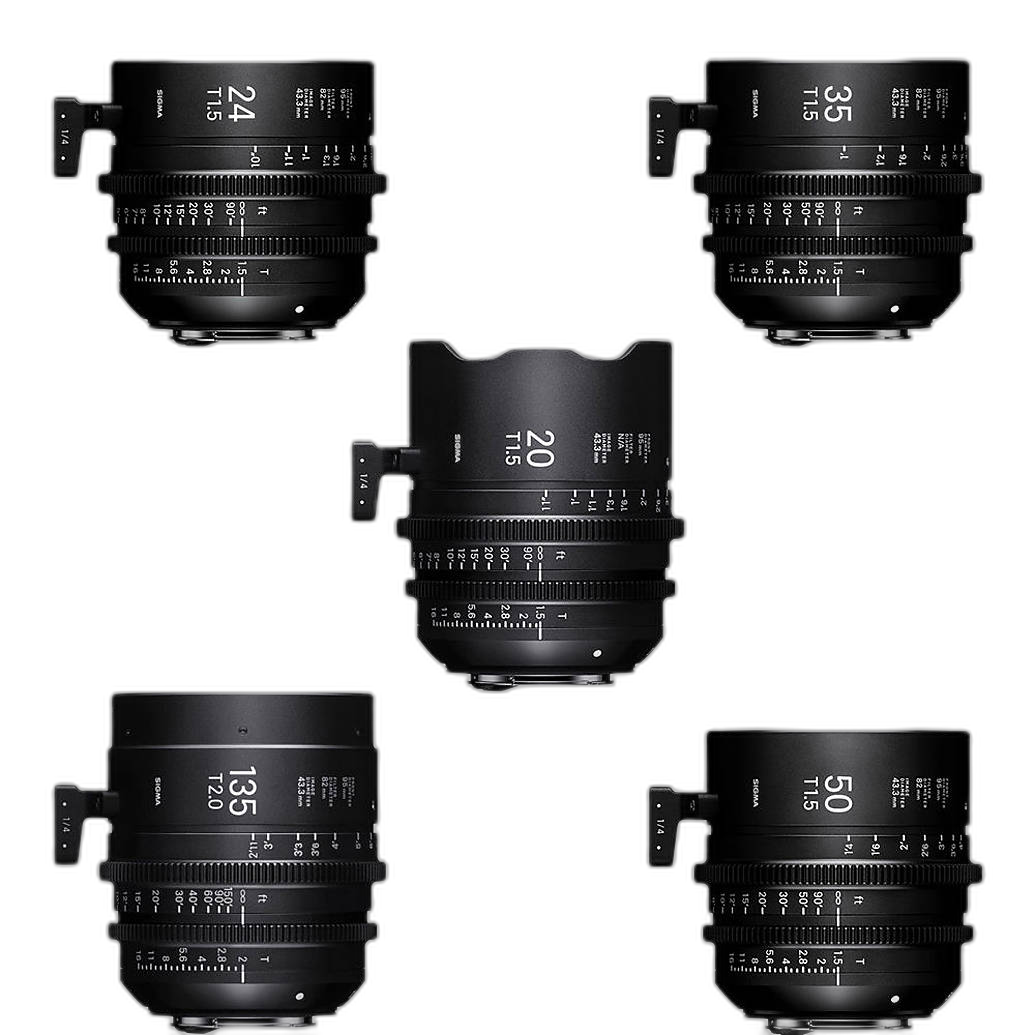
For PL-mount cinema users, the Sigma T1.5 FF High-Speed 5 Fully Luminous Prime Lens Kit (PL, Metric) is a production-ready option built for more advanced workflows.
The right move depends on whether you are experimenting, building a portrait kit, or outfitting a professional set.
What matters more in a budget prime: sharpness, aperture, or autofocus?
All three matter, but their order changes depending on how you shoot. For portraits, pleasing rendering and a fast aperture often matter more than extreme corner sharpness. For event and family photography, autofocus reliability may be the deciding factor. For low-light creative work, a wider aperture can have the biggest impact on both exposure and look.
For video shooters, smooth manual focus operation, matched gearing, and visual consistency may matter more than autofocus entirely. That is one reason dedicated cine primes remain attractive despite the popularity of small autofocus still lenses. The best lens is not just the sharpest one—it is the one that supports your style with the fewest compromises.
As you compare options, think about your actual output. If you mostly share online, subtle sharpness differences may be less important than usability and rendering. If you deliver professional productions, repeatability and consistency become far more valuable.
Affordable primes are still among the best upgrades for photographers and filmmakers who want stronger portraits, better low-light capability, and more creative control. Whether you are starting with a classic beginner-friendly focal length or exploring a more advanced Sigma prime system for cinema and hybrid work, the key is choosing the lens that fits your camera, subjects, and long-term goals. Visit Unique Photo to explore prime lens options, compare formats and mounts, and get expert guidance on building the right kit for your next shoot.