Landscape photographers using Sony cameras often ask the same question: which lens actually performs best in the field, not just on a spec sheet? This guide breaks down practical Sony lens compare beta recommendations for landscape shooters, with a focus on focal length usefulness, edge-to-edge sharpness, portability, weather-ready handling, and the kinds of results photographers are seeing outside in real conditions. At Unique Photo, we regularly see landscape shooters weighing ultra-wide coverage against versatility, and this comparison is designed to help narrow those choices.
Whether you shoot mountain vistas, coastal scenes, desert textures, forests, or compressed telephoto landscapes, the best Sony landscape lens depends on how you work. Some photographers want a lightweight zoom they can hike with all day, while others prioritize dramatic foreground emphasis or long-lens compression. Below, we compare several compelling Sony-mount options and relevant alternatives available through Unique Photo.
Best Sony lenses for landscape photography: what matters most?
When evaluating a lens for landscape work, it helps to start with the priorities that affect actual image quality and usability in the field:
- Corner-to-corner sharpness: Important for detailed scenes, especially at smaller apertures.
- Focal length range: Determines whether you can go ultra-wide, standard wide, or compress distant ridgelines.
- Weight and size: Critical for hikers, travelers, and tripod-based location shooters.
- Filter compatibility: Useful for circular polarizers, ND filters, and long-exposure work.
- Distortion and flare control: Especially important for sunrise, sunset, and bright horizon compositions.
- Close focusing: Helpful for near-far compositions with strong foreground subjects.
For many Sony users, the sweet spot is a lens that balances width, optical consistency, and trail-friendly portability. But there is no single perfect option for everyone, which is why lens comparison tools and beta recommendations can be so useful before buying.
Sony lens compare beta recommendations for wide landscape shooters
If your style leans toward expansive vistas and dramatic foregrounds, ultra-wide and wide-standard zooms are usually the first place to look.
Used Sony 12-24mm f/4 G is one of the most obvious fits for dedicated wide landscape photography. This focal range is excellent for grand scenes, architectural environments, canyon interiors, and compositions where you want to exaggerate scale.
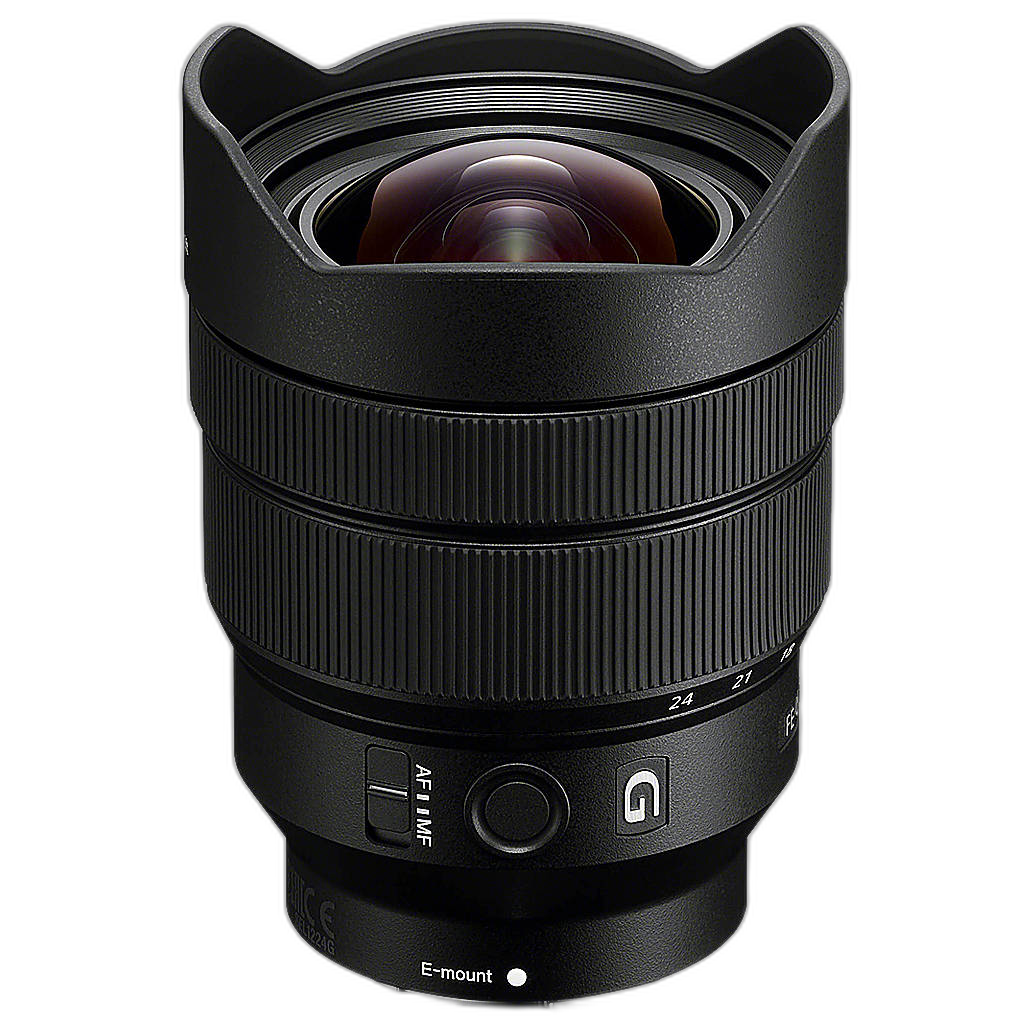
Field results from lenses in this class typically show strong center sharpness, impressive compositional flexibility at the ultra-wide end, and excellent usefulness for tripod-based shooting at f/8 to f/11. The biggest advantage is obvious: 12mm gives you a look that standard wide zooms simply cannot match. For photographers who regularly shoot in tight spaces or want a dramatic foreground-to-background relationship, this range stands out.
That said, some landscape shooters discover that ultra-wide lenses can be harder to compose with consistently. If you do not often work at the extreme end, a more moderate wide zoom can be a smarter all-around choice.
Used Sony FE 20-70mm f/4 G Lens is especially interesting for photographers who want one lens for travel and landscapes. Starting at 20mm gives noticeably more width than a typical 24-70 style zoom, while extending to 70mm adds reach for more selective framing.
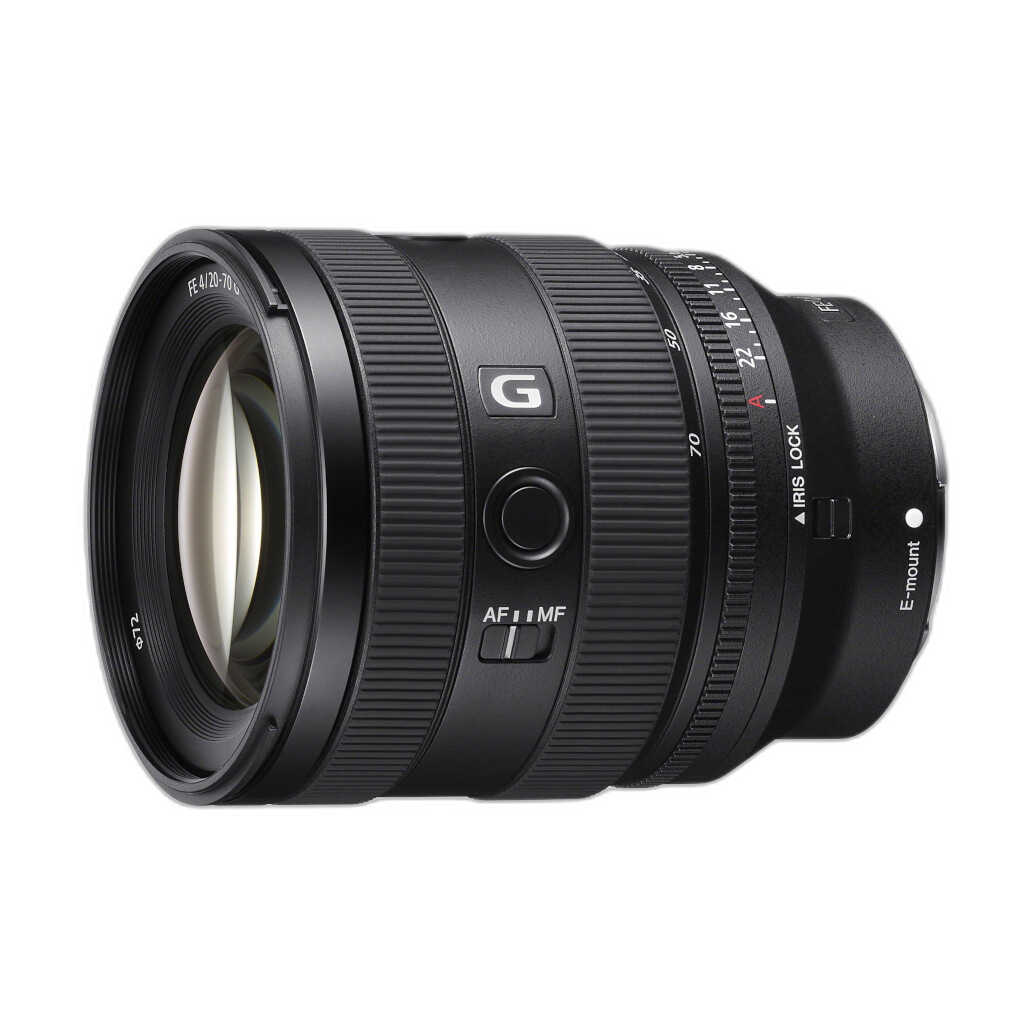
In practical use, this type of lens often earns strong beta-style recommendations because it covers the focal lengths many photographers actually use most often on location. It can handle broad scenes, environmental images, details in the landscape, and light travel work without forcing frequent lens changes. At Unique Photo, this kind of versatile used Sony lens is often attractive to photographers building a lightweight field kit on a budget.
20mm vs 24mm for landscapes: is the difference worth it?
Yes, for many shooters it is. A lens that begins at 20mm offers a meaningful increase in width over 24mm, especially when photographing foreground-heavy scenes, waterfalls, shorelines, or interiors. The difference is big enough that many landscape photographers can leave an ultra-wide lens at home for some trips if they have a sharp 20-70mm in the bag.
On the other hand, 24mm is still a classic landscape focal length because it often feels more natural and less exaggerated. If your compositions tend to be cleaner, more balanced, or more compressed, beginning at 24mm may not feel limiting.
Used Sony FE 24-50mm f/2.8 G Lens is a great example of a compact standard zoom that can still serve many landscape photographers well, especially those who also shoot portraits, travel, or documentary-style work.
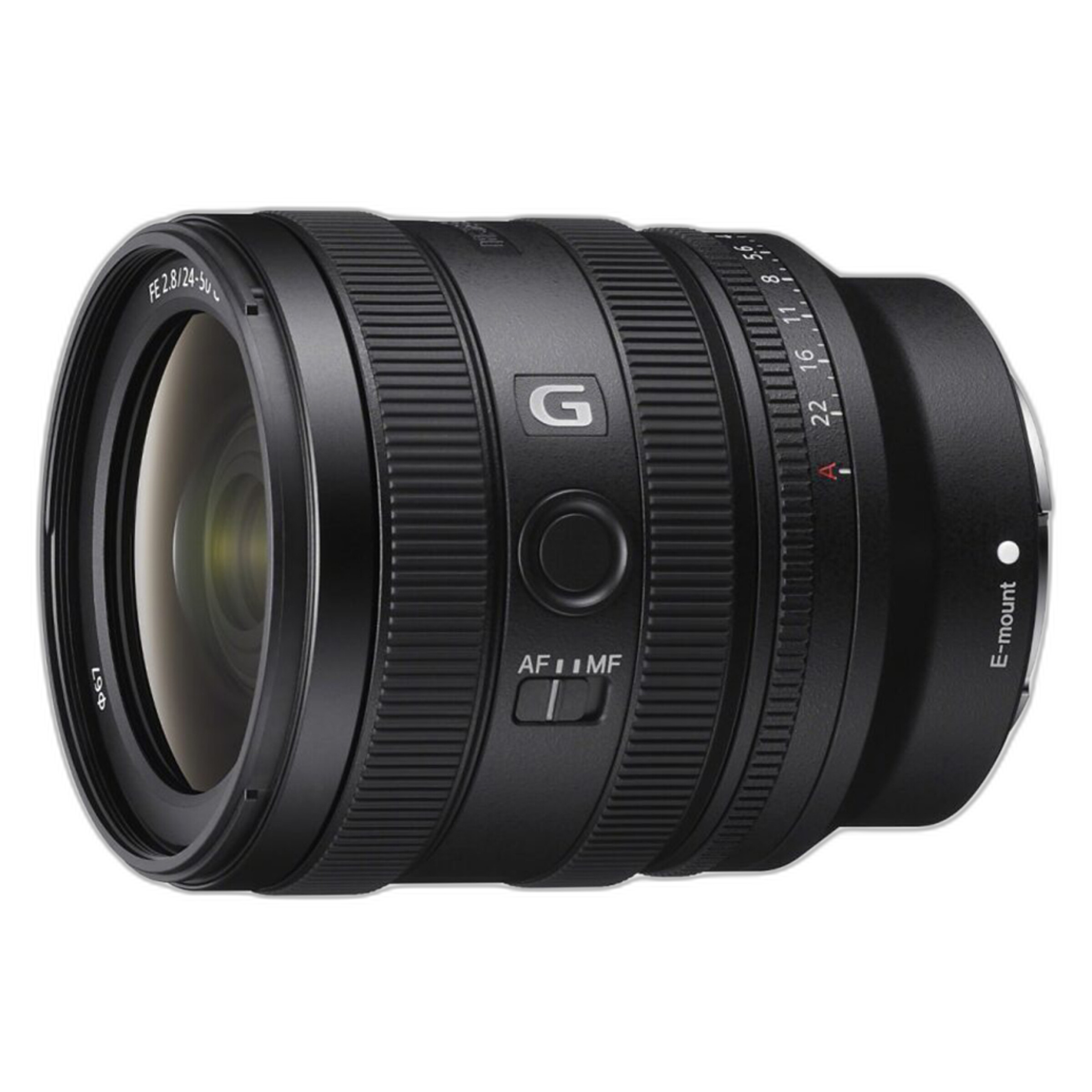
For pure landscape use, the 24-50mm range is less flexible than 20-70mm, but its compact size and bright aperture may appeal to hybrid shooters. In field conditions, lenses like this often shine when you need a smaller carry kit, faster low-light versatility, and solid optical performance without the bulk of a larger standard zoom.
Real-world field results: what landscape shooters notice outside the lab
Lab charts matter, but landscapes happen in wind, cold, changing light, dust, and long hikes. Based on the way photographers typically evaluate lenses after real use, here are the results that matter most:
- Ultra-wide lenses deliver drama, but require discipline: 12-24mm class lenses create highly immersive compositions, though empty foregrounds can weaken the frame if you are not careful.
- 20-70mm style zooms often produce the highest keeper rate: The range is broad enough to frame both expansive scenes and tighter details quickly.
- Telephoto landscape images often look more distinctive: Longer focal lengths simplify layers, isolate patterns, and emphasize atmospheric depth.
- Smaller lenses get carried more often: A technically excellent lens does not help if it stays home due to weight.
- Used lenses can be an excellent value: Many landscape photographers prioritize optical performance over having the newest release, making used Sony lenses from Unique Photo worth serious consideration.
Do you need a telephoto lens for landscape photography?
Absolutely. While wide lenses dominate landscape discussions, many standout landscape photos are actually made with telephoto focal lengths. A telephoto lets you isolate ridges, compress distant mountain layers, capture glowing light on a single section of terrain, and simplify otherwise chaotic scenes.
Used Sony FE 70-200mm f/4 Macro G OSS II is especially compelling for landscape shooters who want reach without going overly heavy. This kind of lens is useful for intimate landscapes, seasonal details, abstract natural forms, and compressed sunrise or sunset scenes.
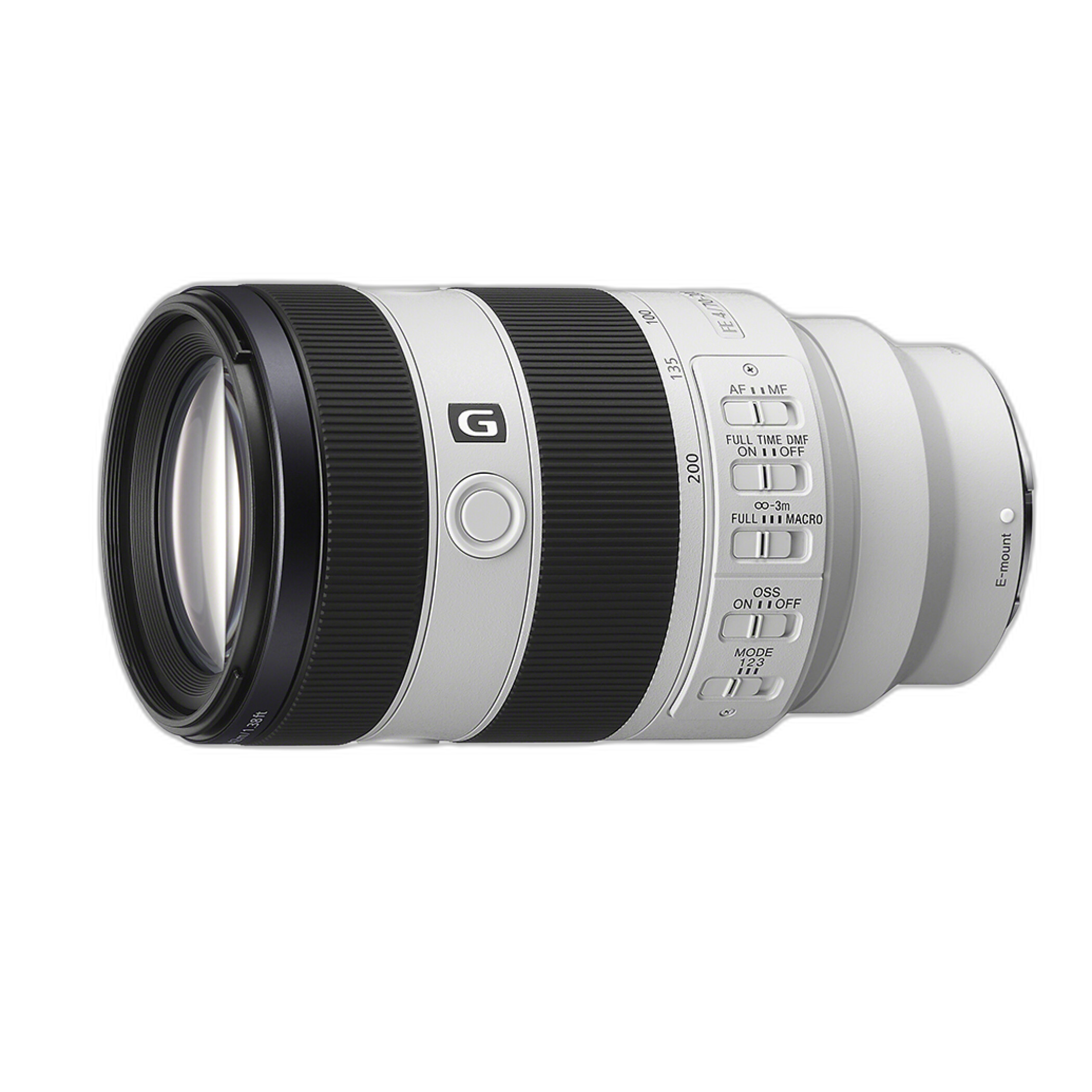
Field use at 70-200mm often reveals an important truth: telephoto landscapes can be easier to compose cleanly than ultra-wide images. Instead of filling a frame with everything, you can reduce distractions and focus on shapes, light, and structure. For many photographers, adding a telephoto lens actually improves their landscape portfolio more than buying an even wider lens.
Prime lenses for landscape photography on Sony: when do they make sense?
Zooms usually dominate landscape kits for convenience, but primes still have a place. A prime can offer strong sharpness, a simple shooting discipline, and useful crossover value for portrait or low-light work.
Sigma 50mm f/1.4 EX DG HSM Standard Lens for Sony is not the first lens most people think of for landscapes, but 50mm can be excellent for natural perspective, stitched panoramas, and selective compositions.
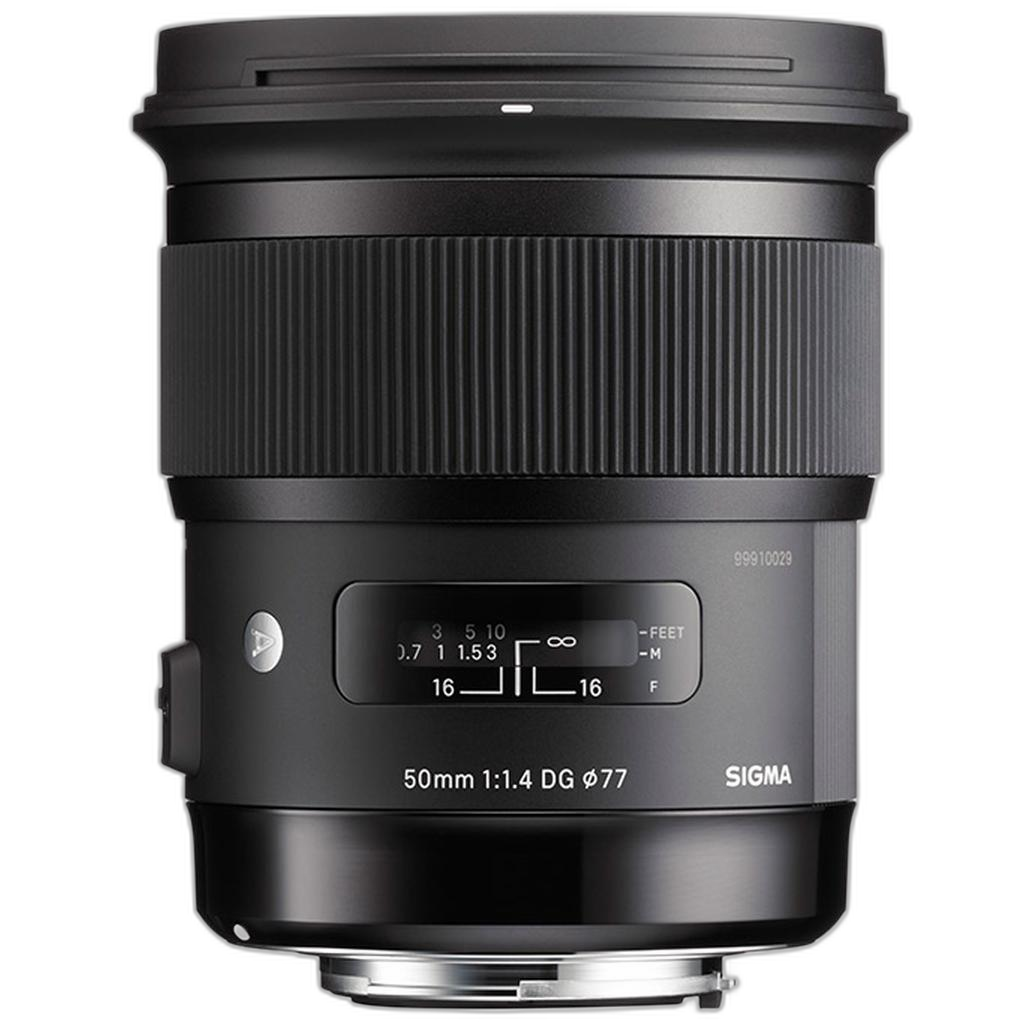
For landscape shooters, a 50mm prime can encourage deliberate framing and work especially well for scenes that do not need exaggerated width. It is also useful if you enjoy blending landscape photography with environmental portraiture or low-light creative work.
Sigma 85mm T1.5 FF High-Speed Prime Lens (Sony E) and the Sigma 24-35mm T2.2 FF Zoom Lens (Sony E) are cinema-oriented options, but they may still be relevant for Sony users who shoot both stills and motion in outdoor environments. Hybrid creators producing landscape films, travel reels, or cinematic environmental content may find these lenses appealing for their rendering and manual control style.
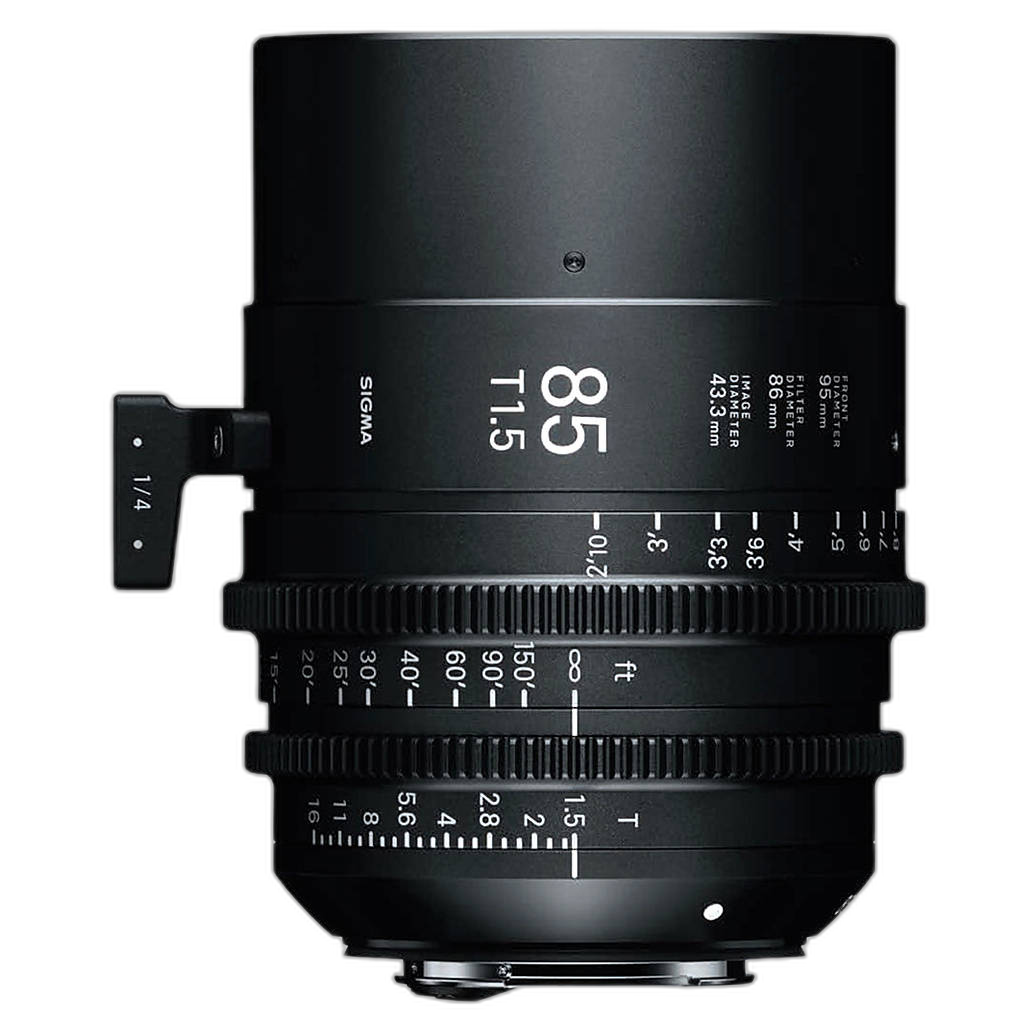
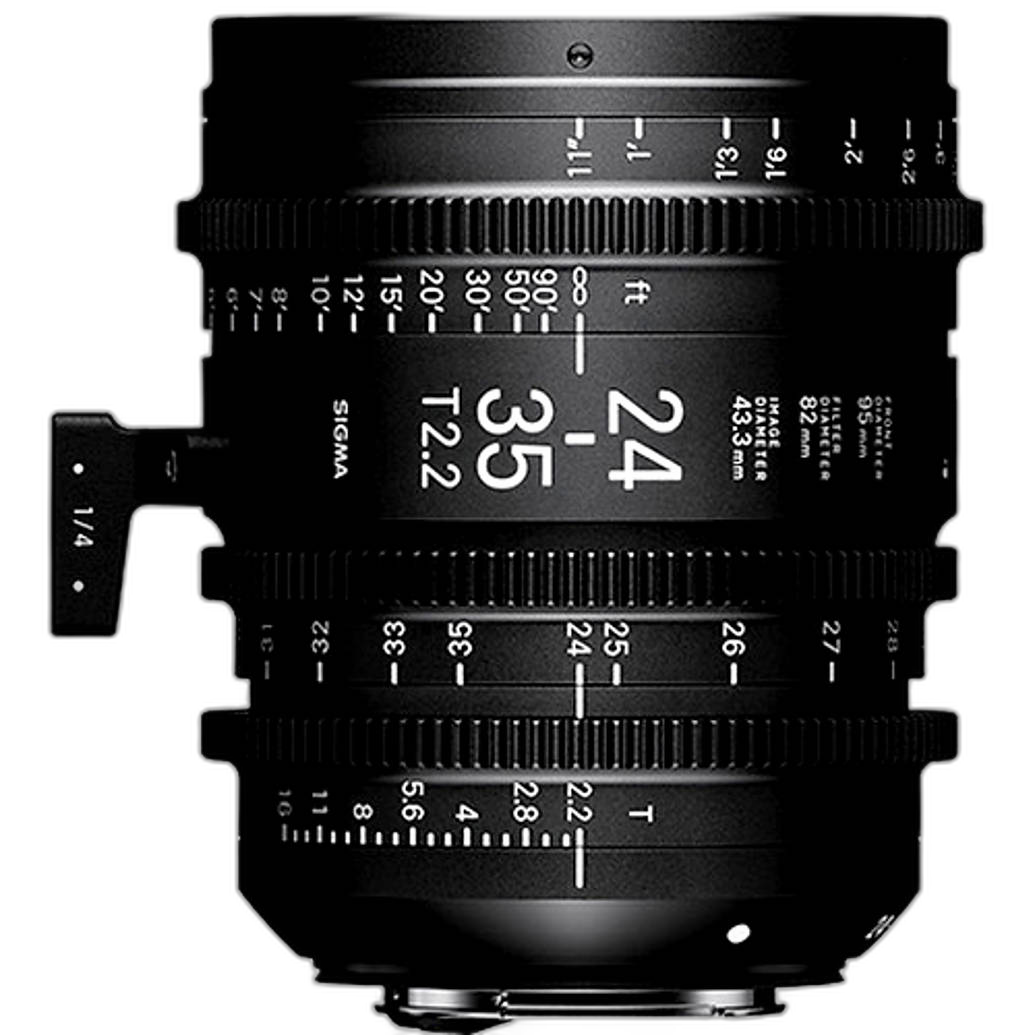
While cine lenses are a niche choice for traditional still landscape photographers, they can make sense for professionals who need a consistent visual toolkit across both photography and video production. Unique Photo carries these kinds of specialty lenses for creators with broader workflow needs.
Which Sony landscape lens is best for hiking and travel?
If weight and versatility are top priorities, the most practical recommendation is often a wide-to-standard zoom with enough range to reduce lens changes. For many users, the Used Sony FE 20-70mm f/4 G Lens hits that sweet spot. It is wide enough for scenic work, long enough for tighter framing, and compact enough for walking all day.
If your style is more specialized and dramatic, the Used Sony 12-24mm f/4 G may be the stronger choice. If you prefer intimate landscapes, mountain layers, and compressed compositions, adding a 70-200mm f/4 can transform how you shoot.
A practical hiking setup often looks like one of these:
- Minimalist kit: 20-70mm only
- Wide specialist kit: 12-24mm + 70-200mm
- Travel hybrid kit: 24-50mm + telephoto option
- Creative prime kit: 50mm plus a wide zoom
How to choose between ultra-wide, standard zoom, and telephoto for landscapes
If you are using a Sony lens comparison tool or beta recommendation list, ask yourself these three questions:
- What focal lengths do I actually use most in my image library?
- Do I prefer dramatic foreground compositions or simplified distant scenes?
- How much weight am I willing to carry on location?
Choose an ultra-wide lens if your images depend on immersion and scale. Choose a versatile wide-standard zoom if you want one-lens convenience. Choose a telephoto if you want stronger visual isolation and more refined compositions. Many experienced landscape photographers eventually use all three categories, but most benefit from starting with the range that best matches their habits.
Final recommendations for Sony landscape shooters
For the broadest real-world usefulness, the Used Sony FE 20-70mm f/4 G Lens stands out as one of the most balanced Sony landscape options discussed here. For dramatic wide work, the Used Sony 12-24mm f/4 G remains a strong specialist tool. For photographers who want to elevate their portfolio with compression and detail, the Used Sony FE 70-200mm f/4 Macro G OSS II deserves serious attention.
At Unique Photo, landscape shooters can explore both used Sony lenses and specialized Sigma options depending on whether the priority is still photography, hybrid creation, or budget-conscious kit building. Shopping used can be especially smart for landscape work, where optical character, focal length fit, and field practicality often matter more than chasing the newest release.
To continue researching, consider linking this article to related Unique Photo resources such as Used Equipment, Sony and Sigma Lenses, and educational content on filters, tripods, and long-exposure landscape techniques. Those internal paths can help readers build a complete landscape photography kit with confidence.