Reviews

Real-World Comparison: Popular Camera Bags for Photographers

Choosing the right camera bag is one of the most practical decisions a photographer can make. In real-world use, the best camera bag is not simply the one with…

UP
Unique Photo·May 24, 2026·12 min read
Real-World Comparison: Popular Camera Bags for Photographers

Choosing the right camera bag is one of the most practical decisions a photographer can make. In real-world use, the best camera bag is not simply the one with the most padding or the highest capacity. It is the bag that fits your shooting style, your camera kit, your travel habits, and how quickly you need access to gear. At Unique Photo, photographers regularly shop for bags based on actual use cases: daily street photography, weddings, hiking, airline travel, content creation, and professional commercial work.

In this real-world comparison of popular camera bags for photographers, we will break down how different bag styles perform, what type of gear they suit best, and what to look for before buying. Whether you carry a compact camera, a mirrorless body with multiple lenses, or a larger professional setup, this guide will help you narrow down the best camera bag category for your needs.

Fujifilm X-T30 III mirrorless camera as an example of a compact kit for smaller camera bags

What is the best type of camera bag for photographers?

The best type of camera bag depends on how and where you shoot. Photographers often compare backpacks, shoulder bags, sling bags, roller bags, and holster-style cases because each one solves a different problem.

Here is the short version:

  • Camera backpacks are best for travel, hiking, and carrying multiple lenses.
  • Shoulder bags are popular for events, documentary work, and quick lens changes.
  • Sling bags offer a balance of portability and fast access.
  • Rolling camera bags are ideal for heavy kits, studio work, and flights.
  • Compact pouches or holster bags work well for minimal setups and walkaround photography.

In practice, many photographers own more than one bag. A wedding photographer may use a roller bag for transport and a shoulder bag during the event. A travel photographer may rely on a backpack in transit and a sling once on location. Unique Photo customers often build their carrying system around the size of their camera kit first, then around comfort and access speed.

Camera backpack vs shoulder bag: which is better in real-world use?

This is one of the most common camera bag comparisons. A camera backpack distributes weight more evenly and is usually better for carrying gear over long periods. If you are bringing two camera bodies, several lenses, batteries, a laptop, and accessories, a backpack is usually the most comfortable solution.

A shoulder bag, however, is often better when access matters more than load distribution. Event photographers, photojournalists, and street photographers like being able to open the bag and change lenses without taking it off completely.

Backpack advantages:

  • Better for heavier loads
  • Usually includes laptop storage
  • More comfortable for travel and long walks
  • Often better weather protection and structure

Shoulder bag advantages:

  • Faster access to camera and lenses
  • Easier to work from during shoots
  • More discreet in some environments
  • Great for smaller mirrorless kits

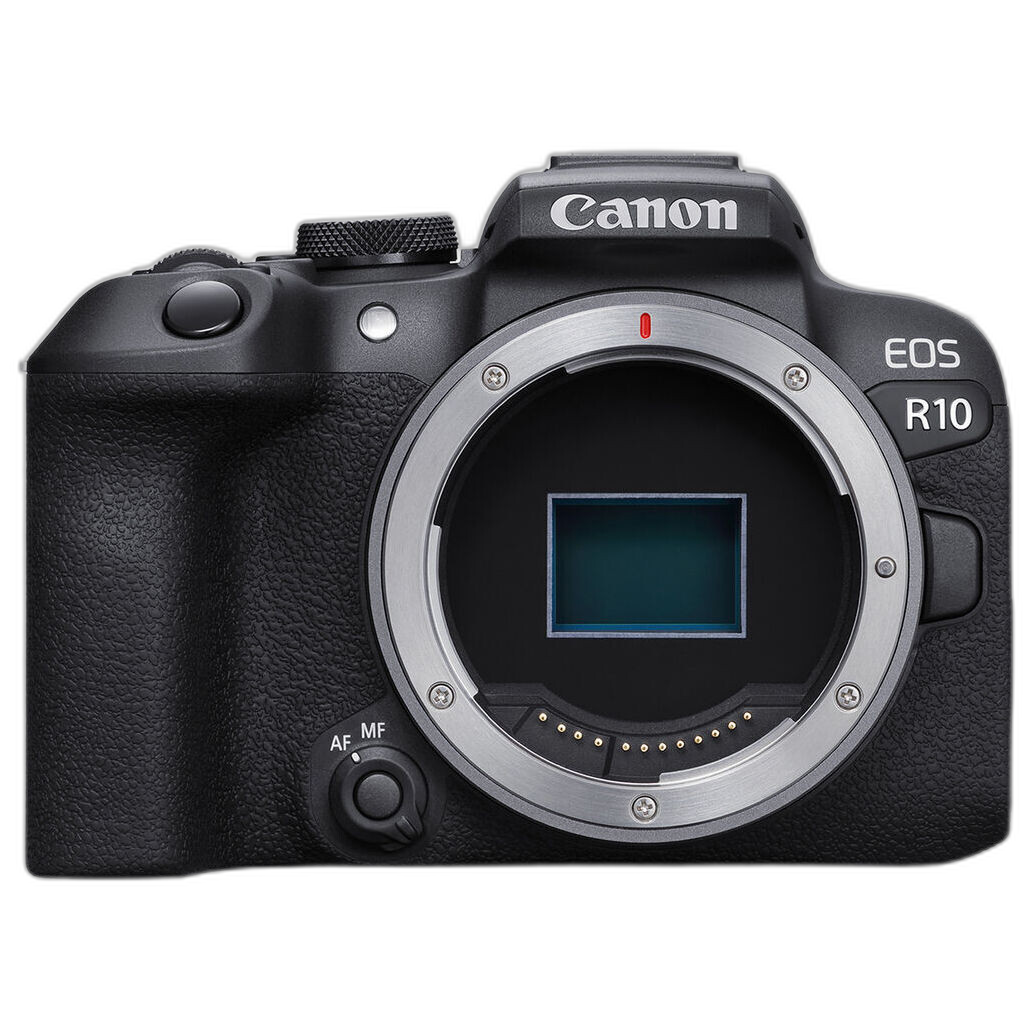
If you are carrying something compact like the FUJIFILM X-T30 III or the OM SYSTEM OM-5, a shoulder bag or sling may be enough for daily use. A kit built around a larger zoom setup like the Canon EOS R10 with 18-150mm lens can still fit comfortably in many midsize shoulder bags, but a backpack becomes more practical once you add extra lenses, flash, and a laptop.

OM SYSTEM OM-5 mirrorless camera suited for lightweight shoulder bags and sling bags

Are sling camera bags good for everyday photography?

Sling camera bags have become extremely popular because they combine some of the best features of backpacks and shoulder bags. They are compact, easier to rotate to the front for quick access, and often ideal for lightweight mirrorless systems.

For everyday photography, a sling bag is often one of the smartest choices if your kit is simple. A body, one or two lenses, memory cards, batteries, and a small personal item can fit comfortably in many sling designs. This makes sling bags particularly attractive for:

  • Street photography
  • Travel photography
  • Family outings
  • City walks
  • Casual content creation

If your daily carry includes a compact premium camera like the Sony RX1R III, a small sling or even a minimalist pouch may be all you need. If you use a versatile mirrorless body like the FUJIFILM X-T30 III with XC13-33mm lens kit, a midsize sling can create a highly mobile setup that feels much lighter than a traditional shoulder bag.

The limitation is capacity. Sling bags are not ideal once your load becomes heavy or bulky. They are best when efficiency and mobility are more important than maximum storage.

Sony RX1R III premium compact camera for photographers who prefer compact camera bag solutions

Best camera bags for mirrorless cameras

Mirrorless cameras have changed the camera bag market because many photographers now carry smaller bodies without wanting to give up professional image quality. That means the best camera bags for mirrorless cameras usually focus on efficient internal organization rather than oversized capacity.

For mirrorless users, the key questions are:

  • How many lenses do you actually bring?
  • Do you carry a laptop or tablet?
  • Do you need to access gear while standing?
  • Will the bag be used for commuting, travel, or dedicated photo outings?

Real-world examples help. A photographer using the Canon EOS R10 Mirrorless Camera with 18-150mm Lens may only need room for one additional lens and batteries on a day trip. That points toward a sling or compact backpack. A photographer using the FUJIFILM X-T30 III body for everyday shooting might prefer a smaller shoulder bag that does not feel oversized. An OM SYSTEM OM-5 kit is especially well suited to lightweight hiking backpacks because the system is relatively compact and travel-friendly.

At Unique Photo, many mirrorless photographers look for bags that protect gear well without making a small kit feel bulky. That often means choosing a bag with adjustable dividers, soft but structured padding, and enough personal-item space for keys, a phone, or a light jacket.

Canon EOS R10 mirrorless camera with travel zoom lens for midsize camera bag setups

Best camera bags for travel photographers

Travel photography places unique demands on a camera bag. The best travel camera bag needs to be comfortable, secure, flexible, and easy to carry through airports, cities, and unpredictable weather. It also helps if the bag does not look overly technical or expensive.

For travel, camera backpacks usually lead the conversation because they can combine camera storage with room for personal items and travel essentials. Good travel bags typically include:

  • Rear or side access panels for security
  • Laptop and tablet sleeves
  • Luggage pass-through or carry-on-friendly dimensions
  • Weather-resistant materials
  • Expandable compartments

But not every travel photographer needs a full backpack. If your travel kit is small, especially with a compact camera or lightweight mirrorless setup, a sling bag may be more comfortable once you arrive at your destination.

For example, a photographer carrying a Sony RX1R III can travel incredibly light. A photographer with an OM SYSTEM OM-5 may want a compact travel backpack with room for a telephoto or ultrawide lens. Someone using a Canon EOS R10 with a superzoom lens may be able to pack very efficiently and avoid carrying multiple lenses entirely.

The real-world takeaway is simple: the best camera bag for travel is the smallest bag that still lets you work efficiently and safely.

What camera bag works best for weddings and events?

Wedding and event photographers need fast access, solid organization, and comfort during long shooting days. In these scenarios, speed often matters more than pure carrying comfort. That is why shoulder bags and rollers are especially common in event workflows.

A typical wedding photographer may use:

  • A roller bag for transporting multiple bodies, flashes, lenses, and backup gear
  • A shoulder bag for working on location
  • A harness or belt system for active shooting

Shoulder bags are useful for quickly swapping lenses and keeping essentials within reach. Roller bags are ideal for moving a large amount of equipment between venues without exhausting your shoulders and back.

For lighter event setups built around modern mirrorless bodies, photographers may also choose a midsize sling or compact shoulder bag. A streamlined kit based on a FUJIFILM X-T30 III or Canon EOS R10 can be more manageable than older DSLR kits, but organization still matters. Dividers, battery pockets, memory card storage, and room for flash accessories become very important in event work.

Unique Photo often helps photographers think through these real-world details, because the right camera bag is not just about fit. It is about workflow.

Do photographers need a rolling camera bag?

Rolling camera bags are not necessary for everyone, but they are extremely useful for photographers and videographers carrying large or heavy kits. If you regularly transport multiple bodies, long lenses, lighting equipment, audio tools, or support accessories, a roller bag can protect your back and make setup days much easier.

Rolling bags are especially useful for:

  • Commercial shoots
  • Studio work
  • Destination weddings
  • Trade shows and conventions
  • Air travel with larger kits

They are less ideal for stairs, rough terrain, and crowded sidewalks. That is why many professionals pair a rolling bag with a smaller shoulder bag or backpack.

This matters even more when your gear gets larger or more specialized. A medium format body like the Hasselblad H6D benefits from a more protective, structured carrying solution than a casual everyday sling. Likewise, larger video-oriented or fixed-installation systems may require hard cases or specialized transport solutions instead of traditional still-photo bags.

Hasselblad H6D medium format camera requiring a more protective and structured camera bag

How much camera bag protection do you really need?

Not every photographer needs the maximum level of padding, but every camera bag should provide meaningful protection. The right amount depends on your environment, your camera value, and how you travel.

You generally want:

  • Padded dividers that prevent gear from colliding
  • A durable exterior that resists wear
  • A stable base that protects gear when setting the bag down
  • Weather resistance or a rain cover
  • Zippers and closures that feel secure

For lightweight everyday use, overbuilt padding can make a bag unnecessarily large. For expensive or delicate gear, more structure is worth it. A compact camera used around town may only need a light protective sling. A premium medium format camera or a multi-body travel kit needs more serious protection.

Photographers shopping at Unique Photo often strike a balance between protection and portability. A bag that is too bulky tends to get left at home, and a bag that is too minimal can leave gear vulnerable.

How to choose the right camera bag size

One of the biggest mistakes photographers make is buying a camera bag that is too large. Extra room sounds helpful, but in daily use it usually means wasted space, awkward movement, and more temptation to overpack.

To choose the right size, think in terms of your actual working kit, not your entire gear collection.

Small camera bag:
Best for one body and one or two lenses, compact cameras, and casual outings.

Medium camera bag:
Best for one body, two to four lenses, accessories, and maybe a small tablet.

Large camera bag or backpack:
Best for two bodies, several lenses, flash, laptop, and travel accessories.

Rolling bag:
Best for large professional kits and transport-heavy workflows.

A camera like the Sony RX1R III needs dramatically less space than a full pro kit. A setup built around the Canon EOS R10 or OM SYSTEM OM-5 can stay relatively compact even with multiple lenses. A larger body like the Hasselblad H6D requires more room and more careful divider planning.

Which camera bags are best for different photography styles?

Different genres favor different carrying solutions. Here is a practical comparison based on how photographers actually work.

Street photography:
Small shoulder bags, compact slings, or discreet pouches. Fast access and low profile are top priorities.

Travel photography:
Compact backpacks or slings. Balance between comfort, security, and flexibility.

Landscape photography:
Backpacks. You may need room for extra lenses, filters, water, layers, and a tripod.

Wedding and event photography:
Shoulder bags and rollers. Access speed and organization are essential.

Commercial and studio photography:
Rollers, hard cases, or larger structured bags. Protection and modular storage matter most.

Everyday family and lifestyle photography:
Sling bags or compact shoulder bags. Smaller mirrorless kits are ideal here.

For example, the FUJIFILM X-T30 III and OM SYSTEM OM-5 fit naturally into travel, street, and lifestyle workflows where smaller bags shine. The Canon EOS R10 is also highly versatile for photographers who want one bag that can move from daily use to light travel.

Special considerations for larger or specialty camera systems

While most photographers shopping for camera bags are thinking about mirrorless or DSLR gear, some camera systems require different planning. Larger bodies, unusual shapes, and professional video use cases can change what makes a bag practical.

For instance, cameras such as the Canon CR-N350 PTZ Camera or the JVC KY-PZ200N HD NDI HX PTZ Remote Camera are not typically carried in the same way as a walkaround still camera. These products are more likely to be transported in specialized protective cases for installation, production, or event environments. The same is true for other specialty gear where shape and accessories matter as much as body size.

If your equipment goes beyond a standard still-photo setup, it is even more important to evaluate compartment dimensions, padding structure, and whether a traditional camera bag is the right choice at all. Unique Photo serves photographers and video creators alike, so thinking about the intended workflow is always part of choosing the right bag.

Canon CR-N350 PTZ camera showing how specialty camera systems may need dedicated transport solutions

Final thoughts: how to pick the best camera bag for real-world photography

The best camera bag for photographers is the one that supports the way you actually shoot. A backpack may be perfect for travel and hiking, a shoulder bag may be best for events, and a sling may be ideal for everyday mirrorless photography. Bigger is not always better, and the most protective bag is not always the one you will enjoy carrying.

Start with your real kit size, your most common shooting situations, and how much access you need while working. If you use a compact camera like the Sony RX1R III, you can stay very light. If you shoot with a flexible mirrorless setup like the FUJIFILM X-T30 III, OM SYSTEM OM-5, or Canon EOS R10, you have a wide range of bag options. If your equipment is larger and more specialized, prioritize structure and protection.

At Unique Photo, finding the right bag is part of building a more efficient camera kit overall. As you compare options, it also helps to browse related gear categories and educational resources. Good internal linking opportunities for this topic include mirrorless camera collections, travel photography gear guides, lens buying guides, and camera accessory pages so readers can match their carrying solution to the rest of their setup.

Filed under:

Reviews

Comments