Best Gimbal FAQ for Mirrorless Filmmaking and Event Video
Choosing the right gimbal for a mirrorless camera setup can make a major difference in how polished your footage looks and how comfortable your shoot feels over a long day. Whether you are building a lightweight run-and-gun kit or a more fully rigged event setup, understanding payload, balance, battery performance, and support accessories is the key to getting reliable stabilization.
At Unique Photo, we help filmmakers match their camera bodies, lenses, and support gear to the way they actually shoot. Below, we answer some of the most common questions about gimbals for mirrorless filmmaking, especially for popular Sony-based video setups.
Which type of gimbal works best for a Sony mirrorless filmmaking setup?
For a full-frame Sony mirrorless body, the best gimbal is usually one that gives you enough payload headroom for your camera, lens, and any accessories you may add later. A body such as the Sony a7-series is often paired with fast primes, compact zooms, on-camera microphones, or focus motors, so it is smart to choose a gimbal that is not already at its limit with your basic configuration.
If you shoot with a modern Sony body and want room to grow, think beyond the body-only weight. The same logic applies to advanced cameras like the Sony a7R VI, where lens choice and accessories can quickly change the balance requirements of the rig.
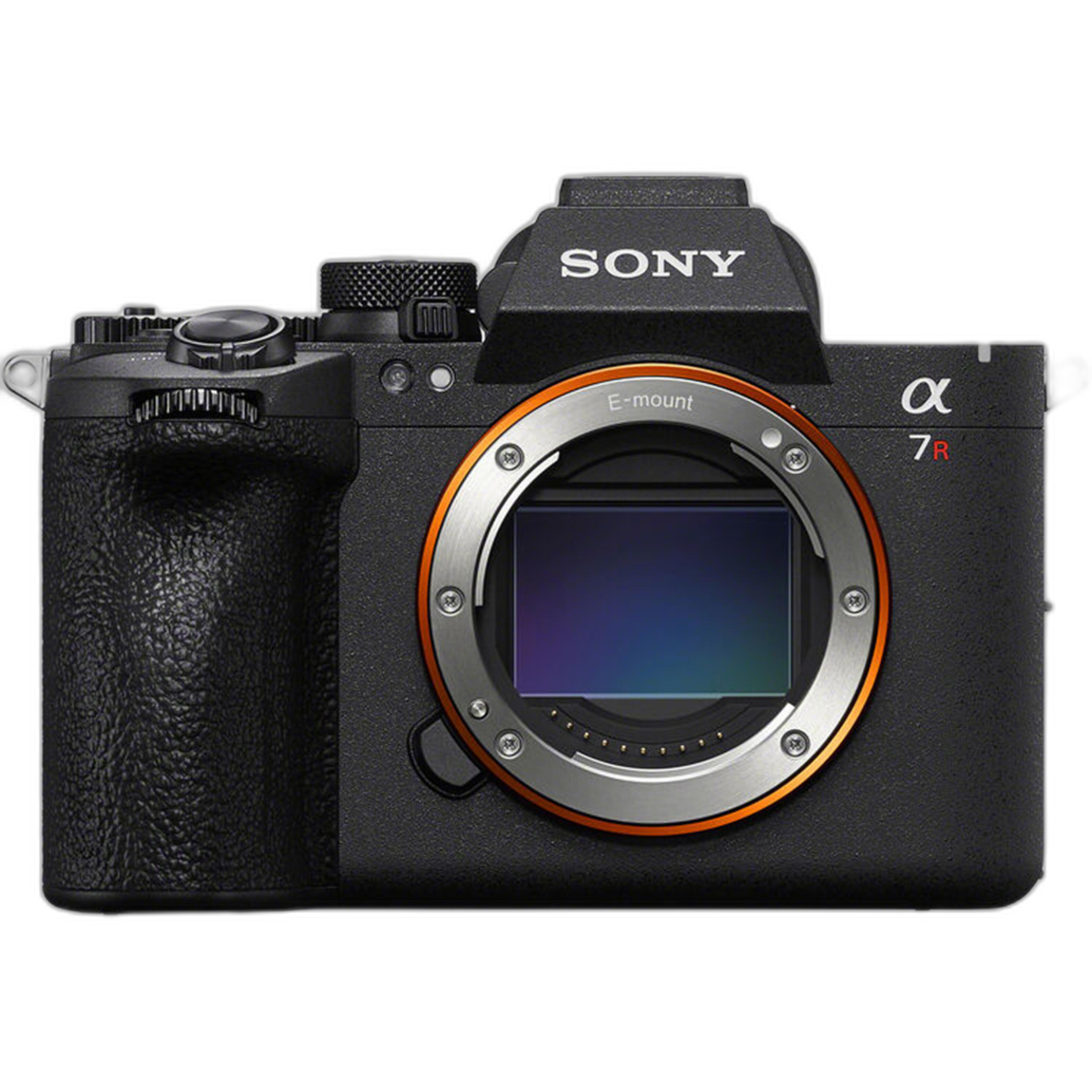
In general, a compact gimbal is great for smaller prime-lens setups, while a larger gimbal platform is better if you regularly use heavier lenses, cages, external power, or support systems. For event videographers, reliability and balance flexibility usually matter more than choosing the absolute smallest option.
Are lightweight or heavier gimbals better for event videography?
That depends on how long you are shooting and how much equipment you need to carry. Lightweight gimbals are easier to transport, faster to deploy, and less tiring during short sessions. They are especially appealing for creators who work with compact mirrorless bodies and modest lenses.
Heavier gimbals, however, often make more sense for weddings, corporate coverage, and live events because they typically offer better payload capacity, stronger motors, and more flexibility for balancing different lenses throughout the day. They can also feel more stable when operating at slower walking speeds or when making deliberate cinematic moves.
If you need to use a larger setup for long periods, adding a support accessory can dramatically improve comfort. A product like the Tilta Float Handheld Gimbal Support System for DJI RS2/3 can help redistribute weight and reduce operator fatigue during all-day shooting.
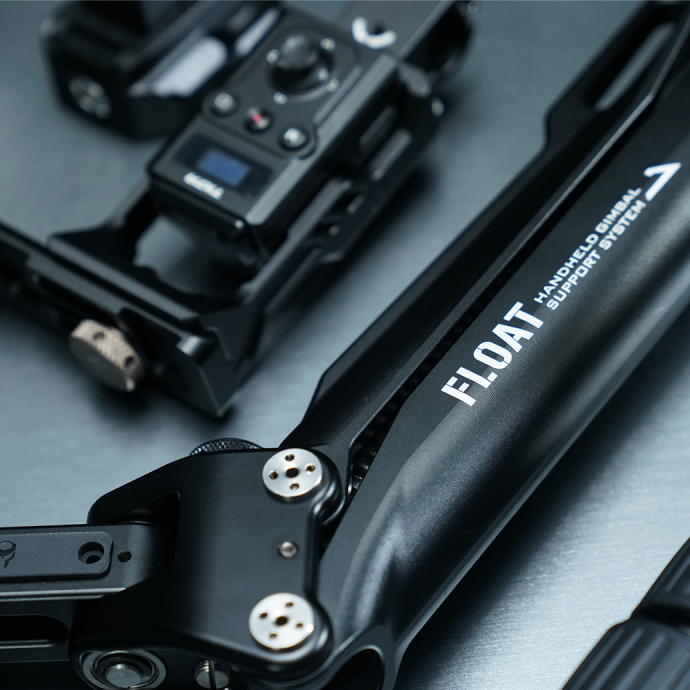
For many event shooters, the best answer is not simply lighter versus heavier. It is choosing the smallest gimbal that still gives you enough payload margin, then improving ergonomics with the right support accessories.
How does battery life compare between compact and mid-size gimbals?
Battery life varies by model, motor load, temperature, and how well the camera is balanced. As a rule, compact gimbals may advertise strong battery performance, but real-world runtime drops when the rig is close to the upper end of the payload range. Mid-size gimbals can sometimes deliver more dependable endurance under heavier setups because the motors are not working as hard.
When comparing two specific models, always separate manufacturer ratings from practical shooting conditions. A carefully balanced mirrorless camera with a small prime can run much longer than a front-heavy setup with a bright zoom lens. Continuous movement, frequent standby periods, Bluetooth features, and accessory power draw can also affect runtime.
If you build a more advanced gimbal rig and want cleaner power management, accessories such as the Tilta Gimbal Ring Adapter for Mini V-Mount Battery Plate can be worth considering as part of a larger support workflow, especially when expanding into more elaborate handheld or ring-based configurations.
The biggest takeaway is this: battery claims are useful, but proper balancing has just as much impact on real shooting endurance as the battery itself.
What is the best way to balance a mirrorless camera with a heavy lens on a gimbal?
Start by building the camera exactly as you plan to shoot it. That means lens attached, memory card in place, battery installed, quick-release plate mounted, and any filters, microphone, or cable accessories already added. If you balance the camera before the setup is complete, even a small weight change can throw everything off.
Next, balance one axis at a time and lock the others as you go. Slide the camera plate to offset front-heaviness, then adjust the roll and pan axes until the camera stays in position without drifting. With heavier lenses, you may need to shift the camera farther back than expected. If the lens is especially large, a longer plate or lens support may be helpful depending on the gimbal design.
Lens choice matters a lot here. A compact wide-angle prime is usually much easier to balance than a larger zoom or specialty optic. For example, a lens like the Zeiss Batis 18mm f/2.8 for Sony E-Mount can be an appealing option for gimbal work because wide-angle lenses generally make balance easier and produce smoother-looking motion in moving shots.
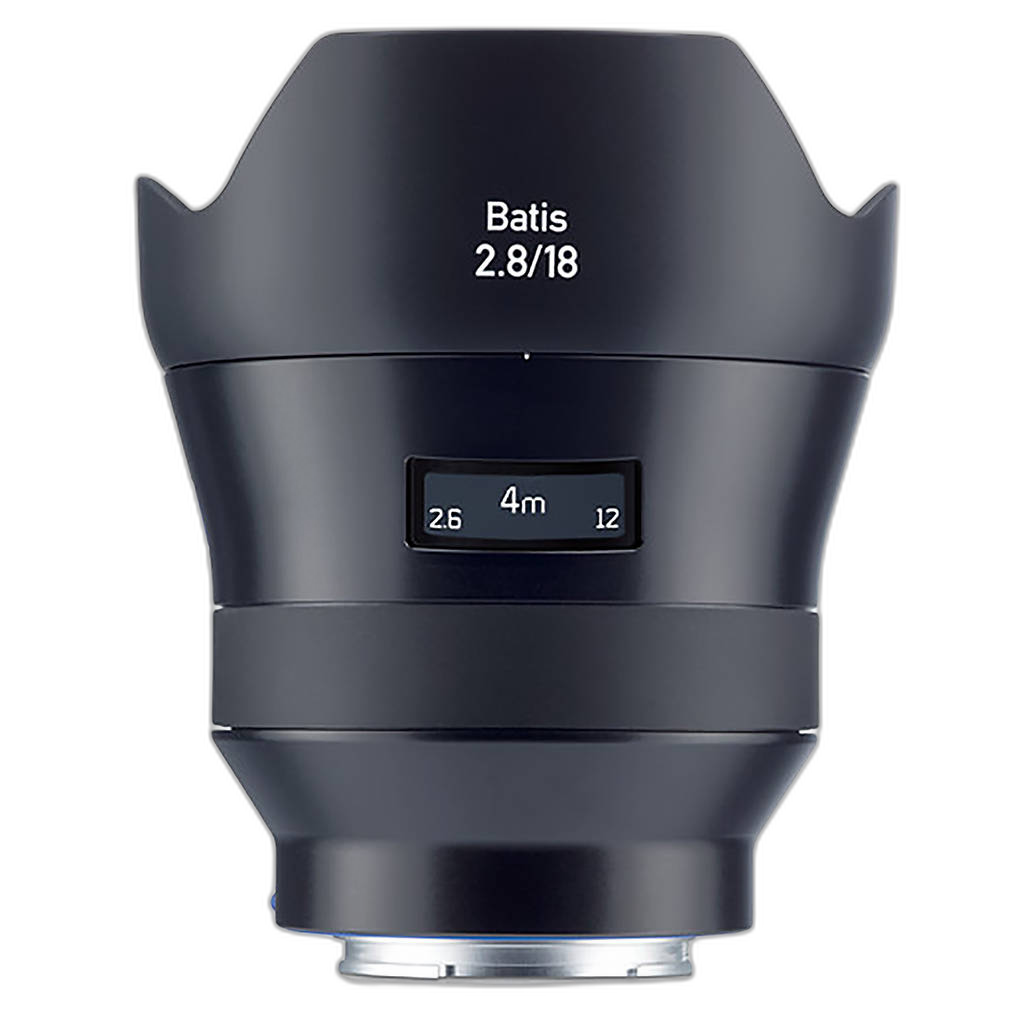
After balancing, perform the gimbal's motor calibration if the model offers it. That final step helps the motors respond appropriately to the exact weight of your setup.
Do wider lenses work better on a gimbal?
In many cases, yes. Wider lenses are popular for gimbal filmmaking because they make small movements look smoother and are generally easier to balance than long or front-heavy lenses. They also help when shooting in tight spaces such as dance floors, hallways, prep rooms, and reception venues.
A wide-angle prime can be especially useful for event filmmakers who want a stable, immersive look without carrying a large rig. The Zeiss Batis 18mm f/2.8 is a good example of a lens style that suits gimbal shooting well: compact, full-frame compatible, and wide enough for dynamic motion shots.
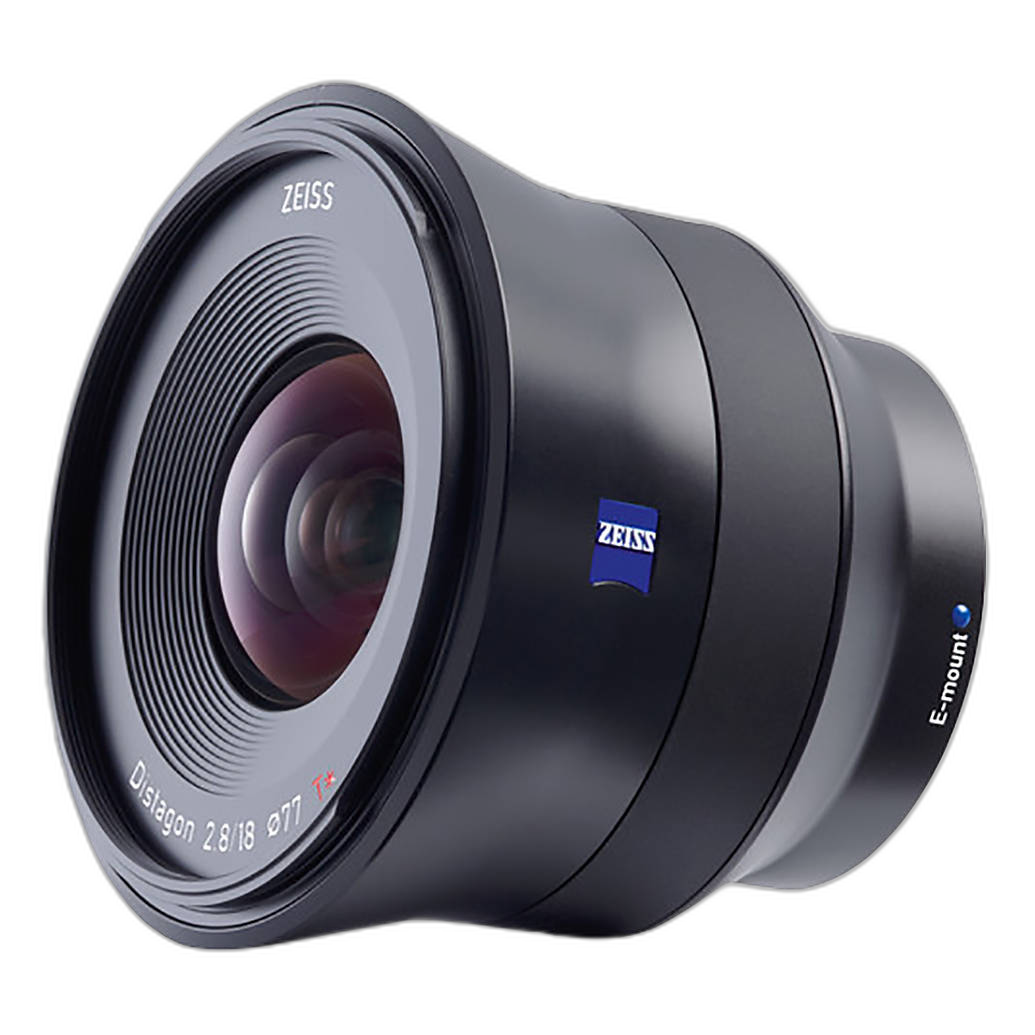
That said, wider is not always better for every scene. If you need more subject separation or tighter framing, make sure your chosen gimbal can comfortably support the lens you really use most often.
Can smaller mirrorless cameras make gimbal shooting easier?
Absolutely. Smaller camera bodies can simplify balancing, reduce fatigue, and expand your options for compact stabilization systems. For travel video, hybrid shooting, or lighter all-day coverage, a smaller body can be a real advantage.
The OM SYSTEM OM-5 is a good example of a lightweight mirrorless camera that naturally fits a more portable video kit. A smaller camera-and-lens combination can make setup faster and can be especially attractive for creators who want to move quickly between handheld, tripod, and gimbal shooting.
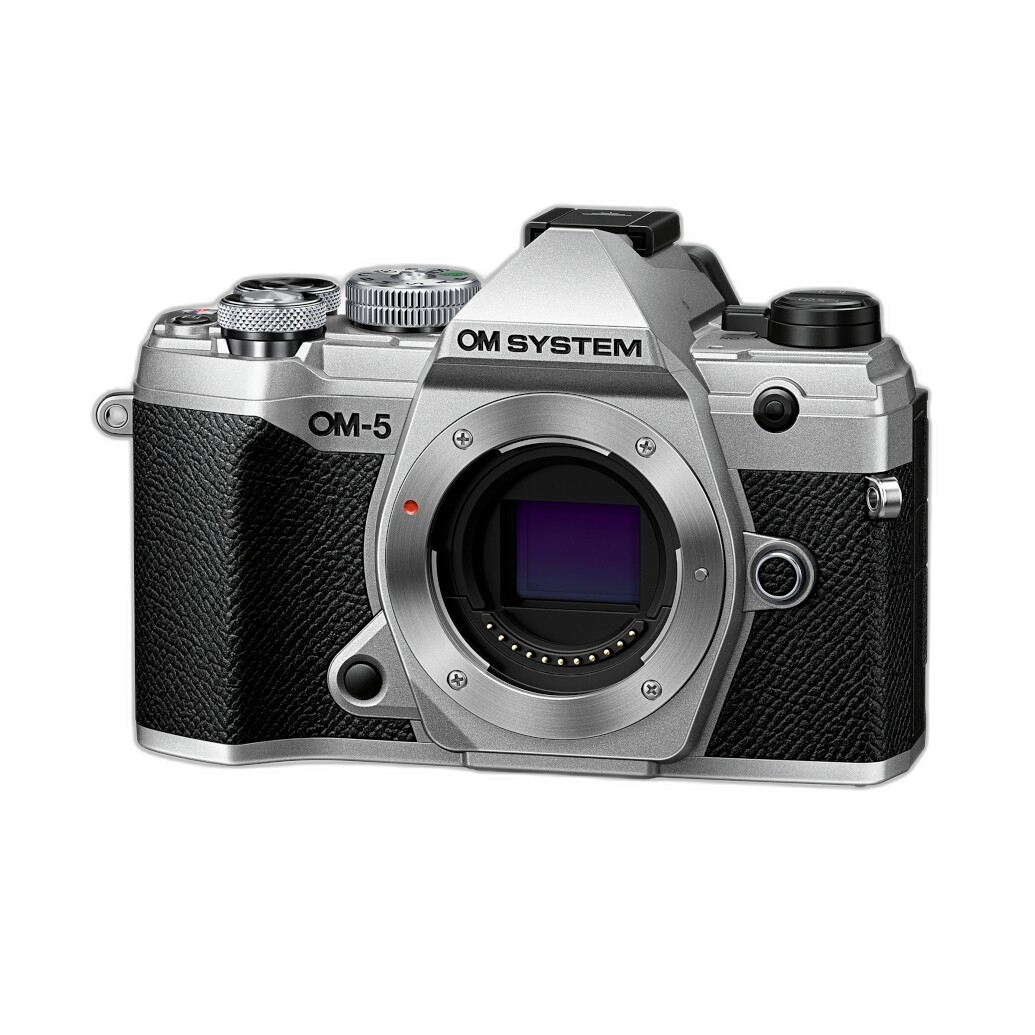
The tradeoff is that your lens ecosystem and production goals still matter. Some filmmakers prefer the full-frame look and autofocus performance of Sony mirrorless systems, while others prioritize portability. The right answer depends on your workflow, not just the size of the camera body.
How can I reduce fatigue during long gimbal shoots?
The best fatigue-reduction strategy is a combination of smart rigging and good operating habits. First, keep the build as simple as possible. Remove unnecessary accessories, use a lens that matches the job, and avoid oversizing your gimbal if a lighter setup would work.
Second, consider support gear for demanding shoots. The Tilta Float Handheld Gimbal Support System for DJI RS2/3 is designed to make longer operating sessions more manageable by helping take strain off your arms and shoulders. This can be especially useful for wedding filmmakers, event teams, and operators capturing extended moving shots.
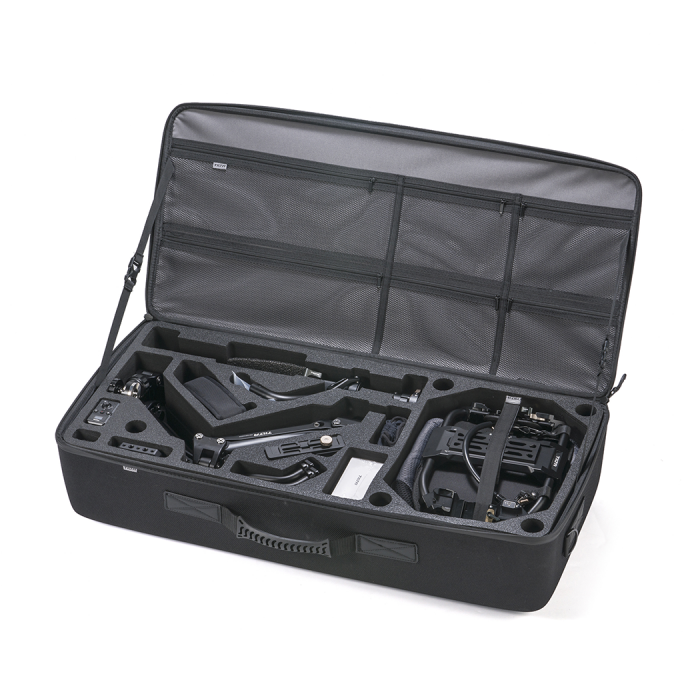
Finally, build breaks into your shooting schedule whenever possible. Even the best-balanced gimbal becomes tiring over time, and fatigue can lead to less stable footage and slower reactions during key moments.
Do I need training to get better results from a Sony gimbal setup?
Good gear helps, but technique matters just as much. Learning how Sony autofocus settings, exposure tools, and video features work together with your gimbal can noticeably improve your footage. Camera settings such as autofocus transition behavior, stabilization options, shutter speed, and picture profiles all affect how professional your final results look.
For photographers and filmmakers who want to better understand their Sony mirrorless workflow, Unique Photo also offers educational resources like Understanding Your Sony Mirrorless Camera: Intermediate. Classes like this can help you get more from your camera before you even start refining your stabilization setup.
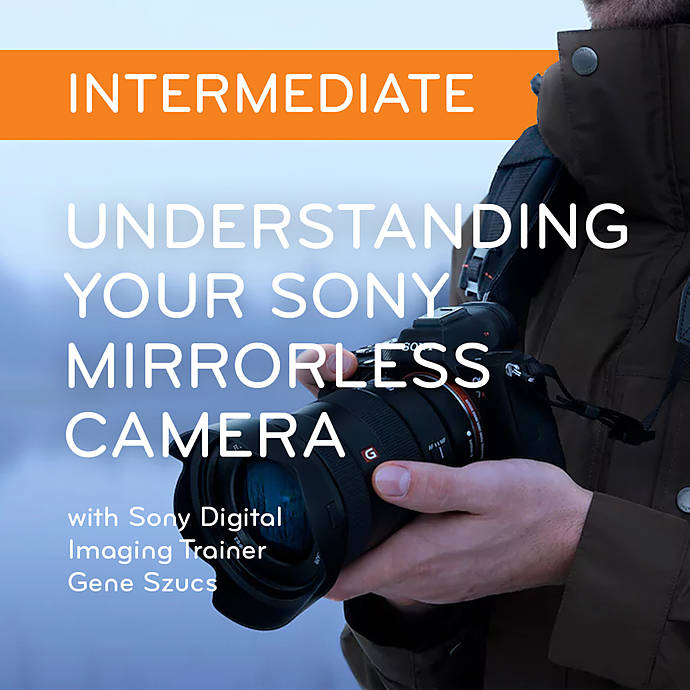
In other words, the smoothest footage comes from combining the right gimbal with strong operating technique and a camera you know well.
If you are building a mirrorless filmmaking kit and want guidance on gimbals, lenses, camera bodies, or support accessories, Unique Photo can help. Explore our camera and video gear selection, compare setups in person, and find the right solution for your shooting style at Unique Photo.