Introduction: Choosing the Right Tool for the Story
When videographers debate prime versus zoom lenses, the conversation usually starts with image quality and ends with workflow. In real-world filmmaking, though, the right choice depends less on internet mythology and more on the kind of story you are trying to tell. For narrative work, primes are often favored for their speed, visual consistency, and deliberate shot design. For documentary work, zooms frequently win because they let shooters adapt instantly to changing moments they cannot control.
That said, zooms have become so capable that many productions now lean on them even in cinematic environments, while some documentary filmmakers still prefer primes for intimacy and low-light performance. The products available here underline that reality: every camera in this set is built around an integrated zoom lens, reminding us just how important focal-length flexibility remains in professional video production.
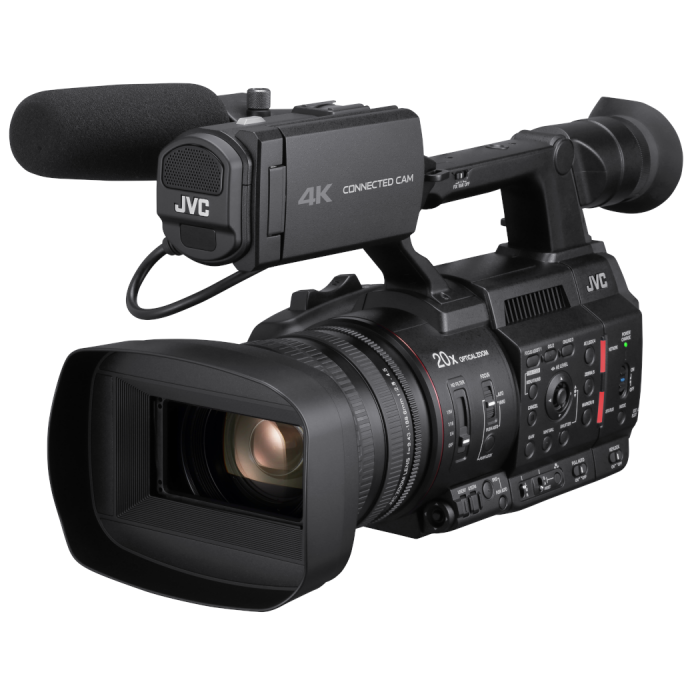
In this review-style guide, we will look at how prime and zoom approaches affect narrative and documentary shooting, using practical examples and drawing insight from zoom-centered production cameras like the JVC GY-HC500MC Handheld 4K 20x Zoom Connected Camcorder, the JVC KY-PZ400N PTZ models, and the Canon CR-X300 Outdoor 4K PTZ Camera. If your work ranges from controlled fiction sets to fast-moving nonfiction coverage, this comparison should help clarify which lens philosophy fits your needs best.
Why Zooms Dominate So Much of Professional Video
Before comparing lens categories directly, it is worth noting that many professional video cameras still rely on built-in zooms for a reason. Whether you are working with a handheld run-and-gun camera or a remotely operated PTZ system, a zoom gives you immediate framing flexibility without requiring a lens swap or a physical camera reposition.
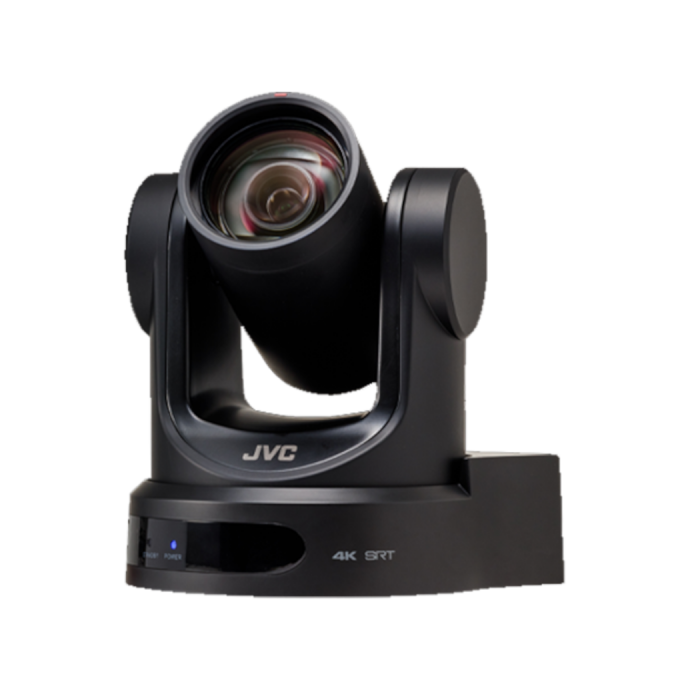
That flexibility is obvious in products like the JVC GY-HC500MC with its 20x zoom, or PTZ units such as the JVC KY-PZ200 and KY-PZ100 series. These cameras are designed for live production, events, documentary capture, education, houses of worship, and multicamera environments where speed matters more than the theoretical optical advantages of a fixed focal length.
In other words, while prime lenses remain aspirational for many filmmakers chasing a classic cinematic look, zooms are still the default working tool in many professional contexts.
Prime Lenses for Narrative Work
Controlled Visual Language
Prime lenses shine in narrative filmmaking because they encourage intention. When you choose a 24mm, 35mm, 50mm, or 85mm, you are making a creative commitment about perspective, subject isolation, and audience proximity. That discipline often helps shape a film's visual language.
On a scripted set, where blocking, lighting, and camera movement are planned, the limits of a prime are often strengths. Rather than lazily reframing from one spot, the crew is pushed to move the camera with purpose. This can produce more thoughtful compositions and more consistent coverage.
Low-Light and Subject Separation Advantages
Narrative filmmakers also prefer primes because they are commonly faster than zooms. Wider apertures help in low-light scenes, reduce the need for excessive lighting, and create shallower depth of field for a more selective cinematic look. If your project depends on moody interiors, night scenes, or strong foreground-background separation, primes still hold a meaningful advantage.
Consistency Across a Set
A good set of cinema primes can give a production a unified rendering style across focal lengths. Matching contrast, color, flare behavior, and focus falloff contributes to a polished final image. For narrative crews seeking precision, that consistency matters.
Zoom Lenses for Narrative Work
Speed Without Sacrificing Coverage
Although primes are romanticized in fiction production, zooms are often far more practical, especially for smaller crews. A high-quality zoom lets a director and camera operator find the frame quickly, adjust to performance changes, and reduce downtime spent swapping lenses.
That matters when schedules are tight, locations are limited, or the crew is trying to capture multiple setups efficiently. Even if a production ultimately prefers prime-like discipline, a zoom can dramatically speed up rehearsals and coverage decisions.
Useful for Dynamic Blocking
If actors move unpredictably or scenes evolve during rehearsal, a zoom gives the operator breathing room. This is especially helpful in indie narrative production where time, staff, and support equipment may be limited.
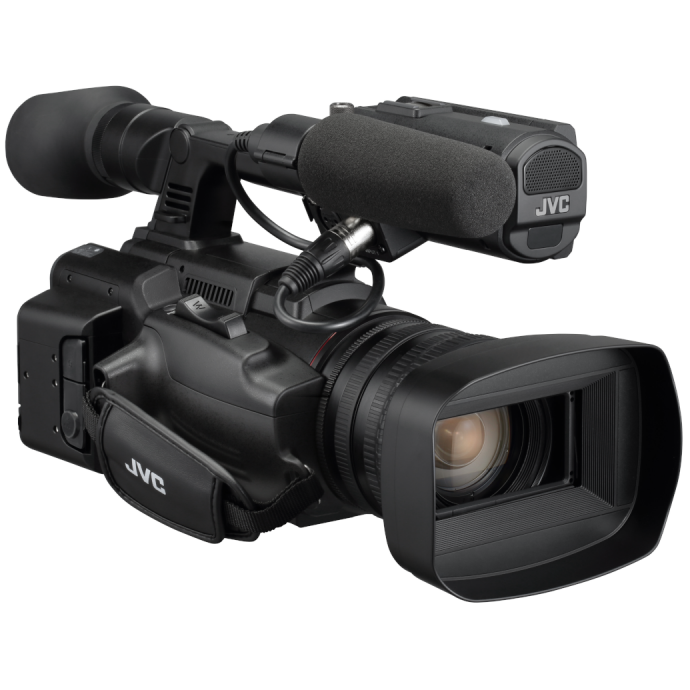
Integrated zoom cameras like the JVC GY-HC500MC are not traditional cinema cameras, but they illustrate why zoom flexibility remains attractive: one camera can move from wide establishing coverage to tighter documentary-style inserts without interrupting the flow.
Prime Lenses for Documentary Work
Stronger Intimacy and Naturalism
Some documentary shooters love primes because they create a more immersive relationship between camera and subject. A fixed focal length can make the filmmaker more physically engaged with the scene, often resulting in images that feel more immediate and human.
Primes can also be valuable in vérité environments where available light is limited. A fast lens makes it easier to preserve natural ambiance instead of introducing intrusive lighting or pushing ISO too far.
Ideal for Interviews and Styled Documentary Sequences
Even documentarians who rely on zooms for field capture often turn to primes for sit-down interviews, recreations, or stylized B-roll. In these controlled moments, the visual benefits of a wider aperture and more refined image rendering become easier to appreciate.
Zoom Lenses for Documentary Work
The Most Practical Choice for Unpredictable Shooting
If there is one area where zoom lenses consistently prove their value, it is documentary production. Real events do not pause for lens changes. Subjects move, access shifts, and important moments happen once. A zoom allows the shooter to react immediately.
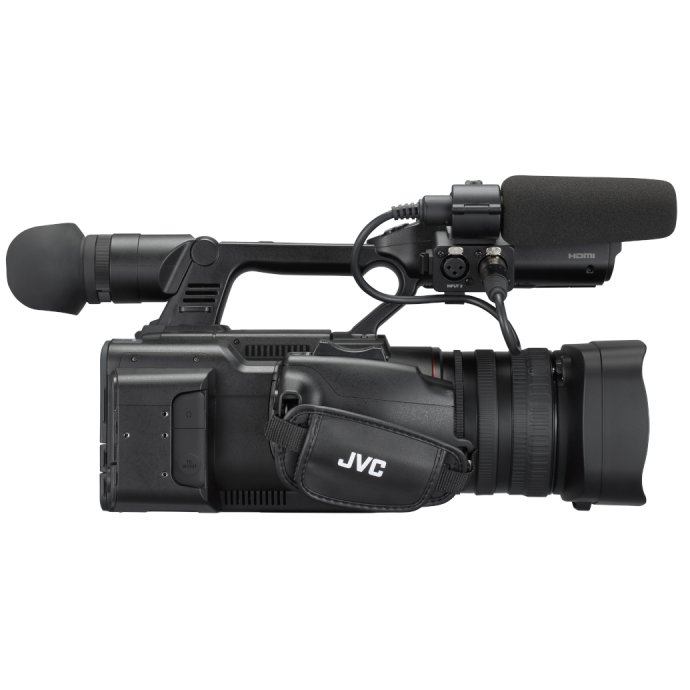
That practical advantage is why integrated zoom systems are so common in documentary, broadcast, and event capture. The JVC GY-HC500MC Handheld 4K 20x Zoom Connected Camcorder is a perfect example of a tool designed for this style of work. Its broad zoom range supports wide context shots, medium coverage, and tight details from a single platform, reducing the risk of missed moments.
Remote and PTZ Work Makes the Case Even Stronger
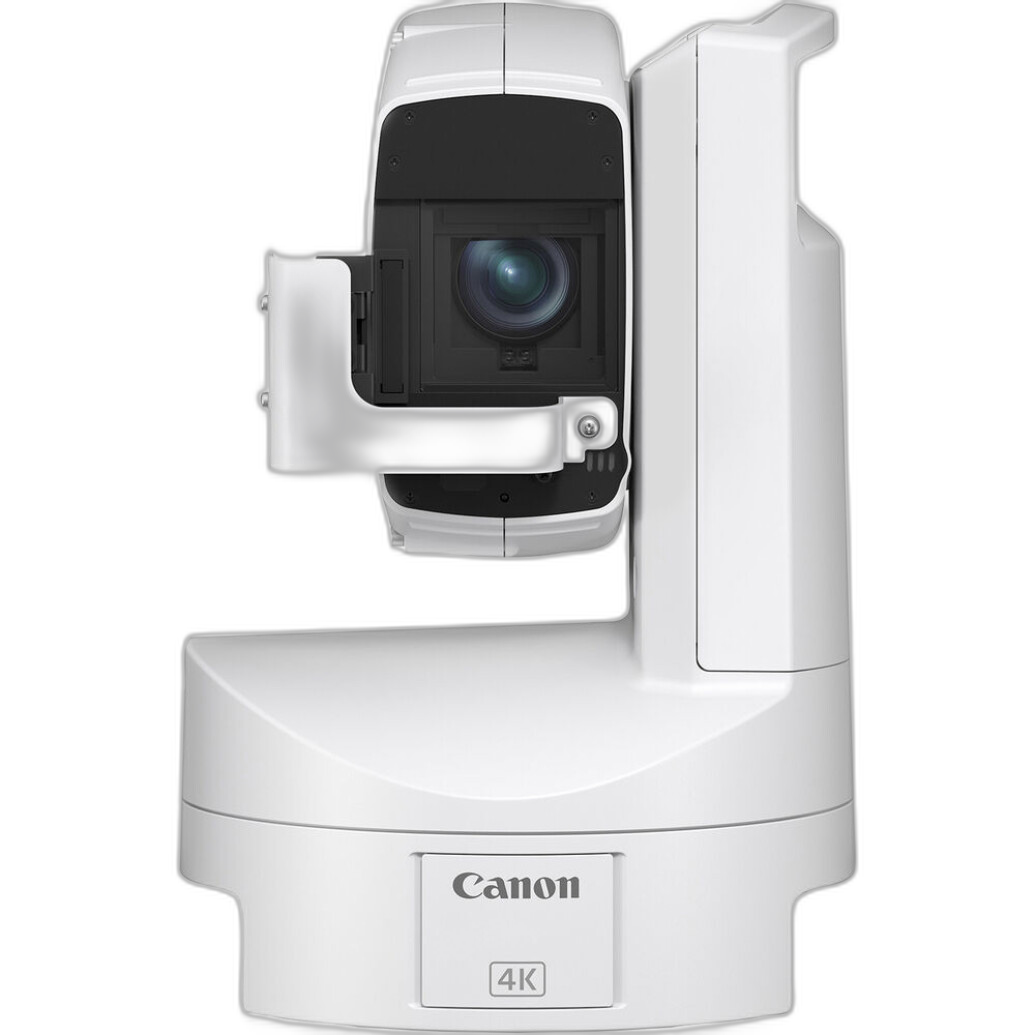
In fixed-position documentary coverage, lectures, worship, live streaming, or multicamera nonfiction productions, PTZ cameras make the zoom argument even more convincing. Cameras like the JVC KY-PZ400N 4K NDI HX PTZ, JVC KY-PZ200, and Canon CR-X300 depend on remote zoom operation as a core part of their usefulness.
These are not products for prime-lens purists. They are purpose-built tools for operational efficiency, controlled remote movement, and fast framing changes in spaces where you cannot physically move a camera operator into position.
Case Study: What These Zoom-Based Cameras Tell Us
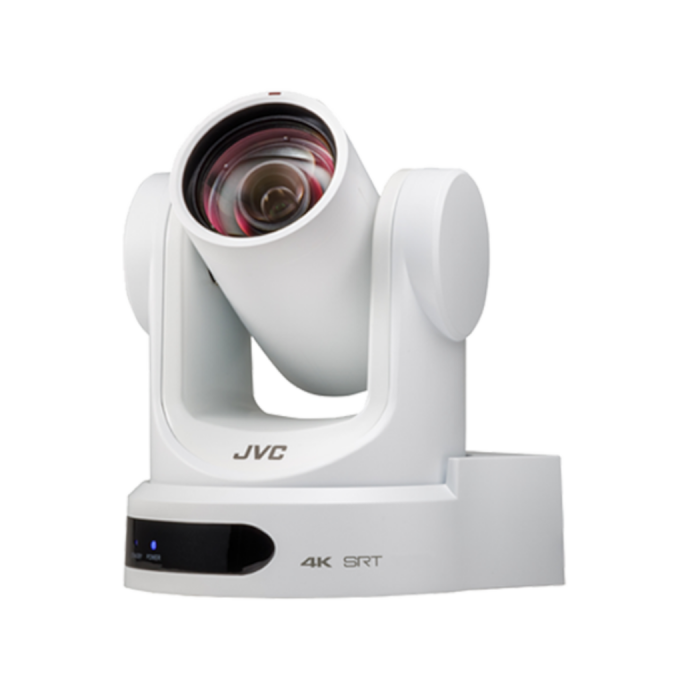
JVC KY-PZ400N 4K NDI HX PTZ Remote Camera
The JVC KY-PZ400N, available in both black and white versions, pairs 4K capture with a 12x optical zoom and NDI HX connectivity. For live documentary-style production, interviews, education, or event coverage, this kind of camera strongly supports the zoom-first argument. It is not about lens character; it is about remote adaptability, clean integration, and efficient coverage.
JVC KY-PZ200 and KY-PZ200N
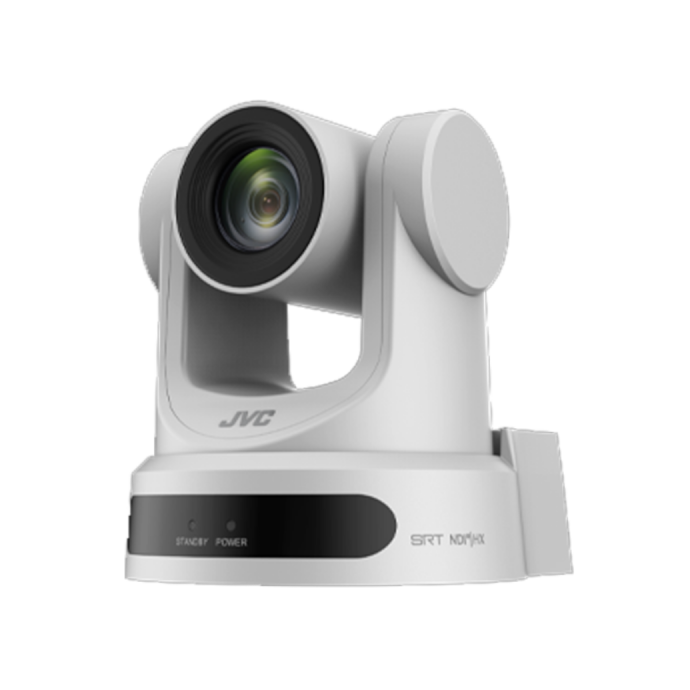
With a 20x optical zoom, the KY-PZ200 series extends framing reach even further. That extra range is useful when the camera is mounted in a fixed location and needs to cover an entire room, stage, sanctuary, or conference area. For documentary-adjacent multicam production, this is a strong reminder that zoom range often matters more than any prime-lens aesthetic ideal.
Canon CR-X300 Outdoor 4K PTZ Camera
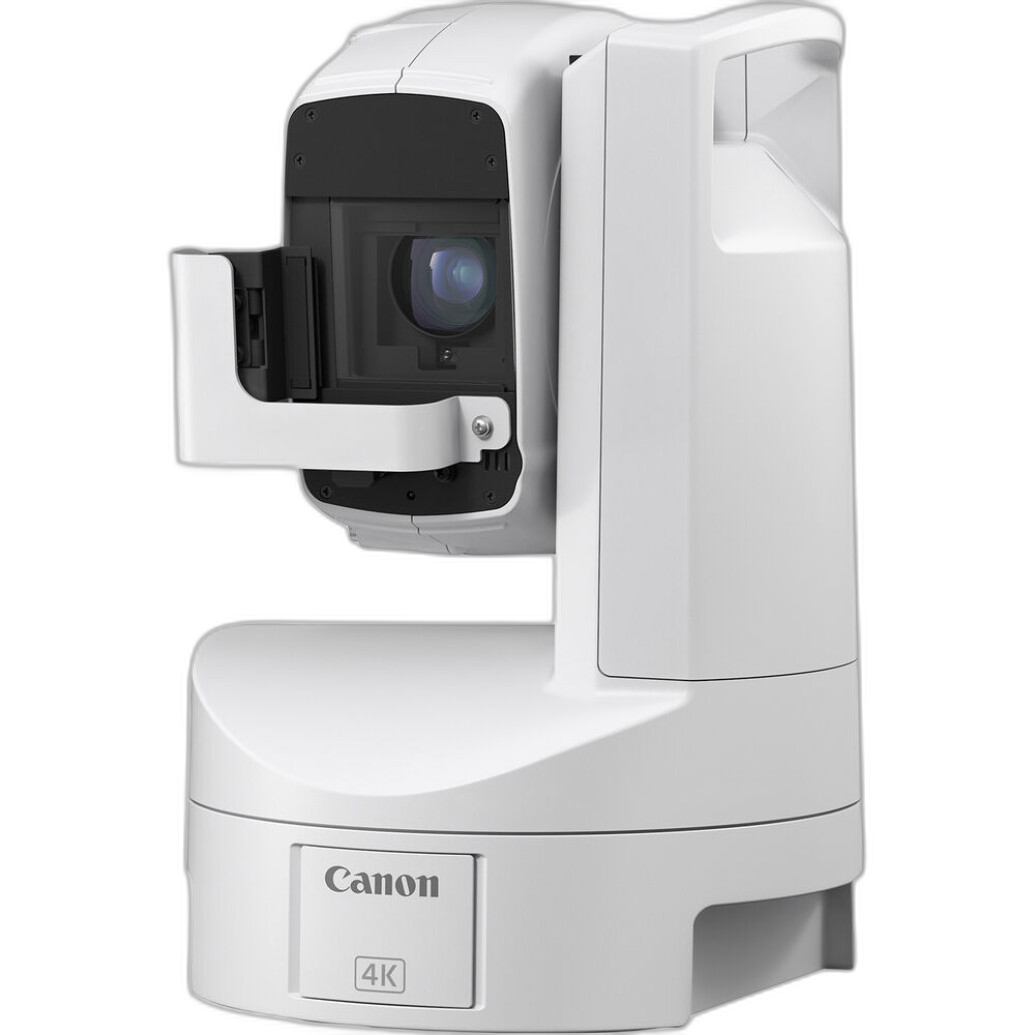
The Canon CR-X300 adds another dimension: environmental durability. With its outdoor-ready PTZ design and 20x zoom, it highlights how zooms are often not just convenient, but operationally essential. Sports, location-based documentary coverage, municipal video, and weather-exposed installs all benefit from this kind of all-in-one reach.
Pros and Cons
Prime Lenses
- Pros: typically faster apertures, better low-light capability, shallower depth of field, often superior optical character, strong visual consistency for narrative projects
- Cons: slower to work with, requires lens changes, less flexible for unpredictable action, harder to use in run-and-gun documentary scenarios
Zoom Lenses
- Pros: faster workflow, versatile framing, ideal for documentary and event coverage, reduces missed moments, essential in PTZ and remote production environments
- Cons: often slower apertures, potentially less subject isolation, can encourage less disciplined camera placement, premium zooms can be expensive
Which Is Better for Narrative and Documentary?
For narrative filmmaking, primes still make the strongest artistic case when you have time, crew, and control. They reward intentional filmmaking and often deliver the most classically cinematic result. But modern zooms are increasingly attractive for smaller productions that need to move quickly without sacrificing too much image quality.
For documentary filmmaking, zooms are usually the better tool. They match the unpredictability of real-world shooting, and cameras like the JVC GY-HC500MC and JVC or Canon PTZ systems demonstrate how deeply zoom flexibility is embedded in professional nonfiction workflows.
If your work crosses both categories, the smartest answer may not be prime versus zoom, but rather knowing when each one serves the story. Use primes when control and visual nuance matter most. Use zooms when access, timing, and adaptability are the priority.
Verdict and Recommendation
In this comparison, zoom lenses win on practicality, especially for documentary, live production, and hybrid shooters who cannot afford to miss moments. Prime lenses remain the stronger artistic choice for highly controlled narrative filmmaking, but zooms are often the more valuable day-to-day investment.
Among the products shown here, the JVC GY-HC500MC Handheld 4K 20x Zoom Connected Camcorder stands out as the clearest representation of why zooms remain so effective for real production work, while PTZ options like the JVC KY-PZ400N, JVC KY-PZ200N, and Canon CR-X300 reinforce how essential zoom-based operation is in remote and multicamera environments.
If you are shopping for professional video tools that support documentary, live events, or flexible production workflows, Unique Photo is an excellent place to buy. Their selection of JVC and Canon professional video gear makes it easier to find the right camera system for the way you actually shoot.