Introduction: A Practical Take on the Prime vs. Zoom Debate
Forum discussions about prime lenses versus zoom lenses usually split into two camps. One side loves primes for their speed, character, and shallow depth of field. The other values zooms for their flexibility, speed on set, and ability to adapt instantly to changing scenes. If your goal is cinematic footage on a budget, that debate gets even more interesting—especially once vintage glass enters the conversation.
For filmmakers who admire the look of old lenses but still need a dependable all-in-one production tool, the JVC GY-HC500MC Handheld 4K 20x Zoom Connected Camcorder with KA-MC100G Adapt occupies a smart middle ground. It is not a traditional interchangeable-lens cinema body, and that is exactly why it is worth reviewing through this lens debate. Instead of forcing shooters to build a rig around multiple primes, adapters, and accessories, it gives you a highly usable 20x zoom platform in a handheld 4K package designed for real-world video work.
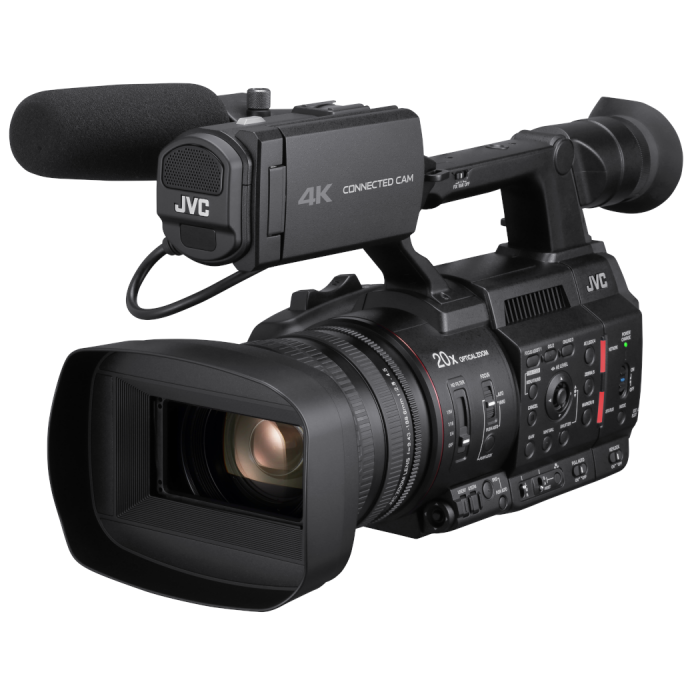
For event filmmakers, documentary shooters, educators, houses of worship, sports videographers, and anyone chasing polished footage without draining the budget, this JVC camcorder shows why zooms remain central to modern video production. It may not replace the emotional rendering of a beloved vintage prime, but it can absolutely deliver cinematic results when used with intention, good lighting, and strong camera movement.
Product Positioning: Who This Camera Is Really For
The GY-HC500MC is best understood as a professional video-first tool rather than a stills hybrid trying to do everything. In the prime-versus-zoom debate, that matters. A hybrid camera paired with fast primes can look gorgeous, but often requires more support gear, more lens swapping, and more compromise in live or fast-turnaround situations. The JVC instead leans into usability: integrated optics, long zoom reach, handheld ergonomics, and a workflow built for capturing footage efficiently.
That makes it especially compelling for shooters who want cinematic images on a budget but cannot afford to miss moments. If you are filming interviews one hour, b-roll the next, and a live event after that, a built-in 20x zoom can be more valuable than a bag full of affordable primes. In other words, this is a camera for creators who prioritize getting the shot over constantly changing lenses.
Key Features
20x Optical Zoom: The Strongest Argument for Zoom Versatility
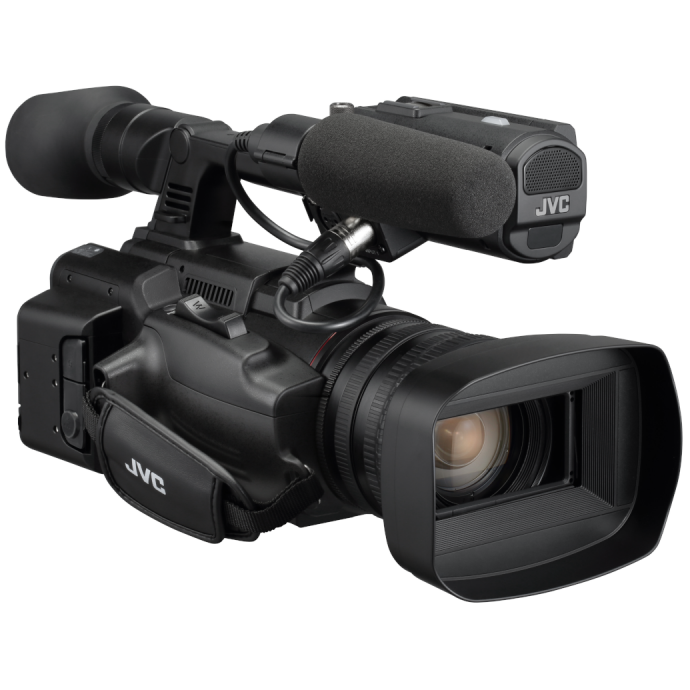
The standout feature here is the integrated 20x optical zoom lens. In forum conversations, zooms are often described as less cinematic than primes, but that criticism usually ignores context. Cinematic footage is not only about background blur. It is also about framing control, timing, composition, and camera placement. A 20x zoom gives you access to all of that quickly.
With a lens like this, you can move from wide establishing shots to tight close-ups without breaking flow. For documentaries, performances, lectures, ceremonies, and run-and-gun video, that flexibility is huge. It reduces lens changes, helps maintain continuity, and lets solo operators capture more usable footage in less time. Budget filmmakers often underestimate how much production value comes from simply being ready when something happens.
In practical terms, this kind of zoom is ideal for shooters who might otherwise buy two or three inexpensive lenses and still not cover the same range. While primes can offer stronger subject separation, the convenience-to-cost ratio of a built-in 20x zoom is hard to ignore.
4K Capture for a Sharper, More Flexible Image
4K acquisition gives the GY-HC500MC another edge in the value conversation. Even if your final delivery is 1080p, 4K capture helps with reframing, digital punch-ins, and cleaner downsampled output. That can mimic some of the flexibility people seek from swapping focal lengths in post-production. For budget shooters, that matters because every extra bit of compositional freedom stretches the camera further.
Sharpness also helps when working with a fixed integrated lens system. You are not buying into this camera for dreamy vintage imperfections; you are buying into consistency, reliability, and detail. If your style leans more toward crisp professional video with room to grade and shape mood later, this plays to the JVC’s strengths.
Handheld Form Factor Built for Real Production
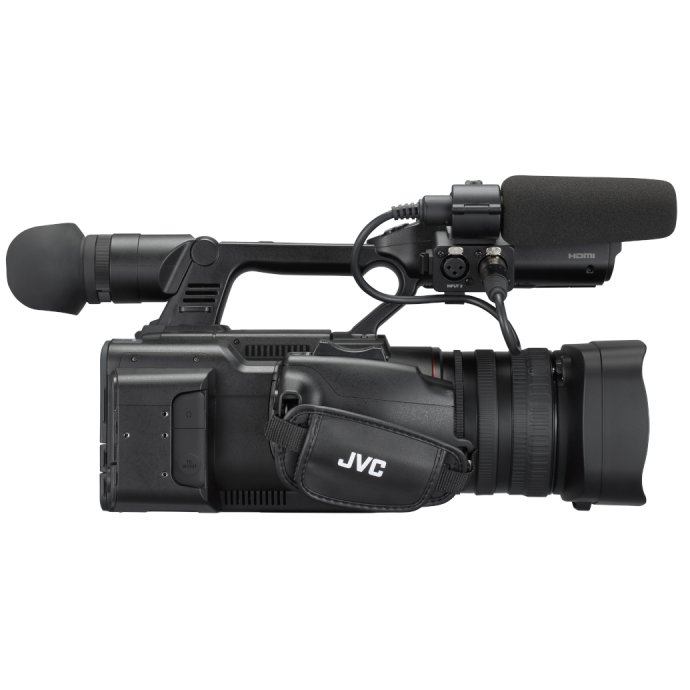
One of the overlooked advantages of dedicated camcorders in the prime-versus-zoom conversation is ergonomics. Hybrid cameras with adapted vintage glass can absolutely produce beautiful footage, but they often become awkward rigs once you add cages, monitors, audio interfaces, and power solutions. The GY-HC500MC starts from the opposite premise: make the shooting experience efficient from the beginning.
That handheld design is especially useful for creators trying to get cinematic footage on a budget. Stability, operator comfort, and quick access to controls all contribute to a more polished final result. A camera that is easier to operate tends to produce better footage than a theoretically more artistic setup that slows you down or causes missed shots.
Connected Workflow and Professional Orientation
This is a connected camcorder designed with professional environments in mind. That means it is better suited than many entry-level cinema-adjacent setups for live production, institutional work, and fast file delivery. In discussions about budget filmmaking, people often focus entirely on lens aesthetics and ignore workflow. But professional video quality also comes from dependable operation, clean integration into production pipelines, and the ability to keep moving without technical friction.
If your projects include streaming, corporate capture, education, government, medical, or event work, this camera’s production-first DNA may be more valuable than chasing the romantic look of vintage primes. It is a practical tool that can still produce stylish footage when paired with thoughtful lighting and disciplined composition.
Prime vs. Zoom in Real Use: Where This JVC Fits
So how does this camcorder map onto the forum debate?
For documentary and event video, zoom wins more often than people admit. Being able to reframe instantly is more useful than carrying multiple primes, and a missed moment is never cinematic.
For narrative filmmaking, primes still hold the edge if your priority is maximum subject isolation, a specific focal length discipline, or the character of vintage optics. But that advantage shrinks if your budget is limited and your crew is small. In those cases, a high-quality zoom platform can be the smarter buy.
For budget cinematic footage, the JVC works best when you lean into what zooms do well: dynamic framing, compression at longer focal lengths, controlled camera movement, and efficient shooting. Add motivated lighting, good exposure, and clean audio, and you can get footage that feels far more expensive than the gear cost suggests.
For fans of vintage glass, this camera is not the emotional substitute for a classic manual prime. You will not buy it for swirly bokeh, lower contrast, or flare personality. But you may buy it because those looks are optional stylistic choices, while dependable coverage is a constant production need.
How to Get More Cinematic Results from a Zoom-Based Camera
The best advice from budget-minded filmmakers applies perfectly here. First, use the longer end of the zoom strategically to create stronger subject separation. Second, control your backgrounds—distance matters almost as much as lens speed. Third, light intentionally. A modest lighting setup can do more for cinematic mood than an expensive fast prime used in flat illumination.
Another tip is to move the camera with purpose. Slow push-ins, subtle lateral movement, and carefully chosen handheld work can elevate footage dramatically. The cinematic look comes from visual storytelling choices, not just lens category. Finally, shoot with editing in mind. Gather wides, mediums, and detail shots efficiently using the zoom range, and you will build sequences that feel richer and more deliberate.
Pros and Cons
Pros
- Versatile 20x optical zoom covers a huge range of shooting situations
- 4K capture adds detail and post-production flexibility
- Handheld camcorder ergonomics are more practical than many budget hybrid rigs
- Excellent fit for documentary, event, education, and live production workflows
- Reduces the need to buy and carry multiple lenses
- Strong value for creators who need reliable all-in-one video performance
Cons
- Will not replace the unique rendering and character of fast prime or vintage lenses
- Less appealing for filmmakers committed to interchangeable-lens ecosystems
- Integrated lens limits experimentation compared to dedicated cinema bodies
- Cinematic shallow-depth-of-field lovers may still prefer large-sensor prime setups
Verdict
The JVC GY-HC500MC Handheld 4K 20x Zoom Connected Camcorder with KA-MC100G Adapt is a convincing reminder that zoom lenses remain one of the smartest choices in practical video production. In the prime-versus-zoom debate, primes still deserve their reputation for style and character—especially vintage glass for narrative work—but zooms continue to dominate where efficiency, adaptability, and shot coverage matter most.
This JVC is not the romantic choice. It is the useful choice, and for many creators that ends up being the better investment. If you want cinematic footage on a budget, but also need a camera that can handle real assignments without constant lens swaps or rigging headaches, this is a strong option. It is especially well suited to shooters who care as much about finishing projects smoothly as they do about image aesthetics.
For videographers looking for a dependable professional camcorder with meaningful reach and 4K capability, this JVC deserves serious consideration. You can buy it from Unique Photo, a trusted source for professional video gear and camera expertise.