Entering a photo contest can push your photography to the next level, whether you are submitting to a local camera club, a themed community exhibition, or a global online competition. The best results usually come from more than just a great image. Winning photographers understand the rules, edit with intention, present their work professionally, and submit images that connect emotionally with judges and viewers. If you are preparing for your next contest, these tips from Unique Photo can help you create stronger entries and improve your odds.
How to Choose the Right Photo Competition for Your Work
Not every contest is the right fit for every photographer. Some local photo competitions reward community storytelling, regional landscapes, or portraits with strong personal meaning. Online competitions may lean more heavily toward technical precision, originality, or bold visual impact in a crowded digital field.
Before entering, review the theme, eligibility, judging criteria, image specifications, deadlines, and usage rights. A nature contest may value authentic fieldcraft and realistic editing, while a fine art contest may reward conceptual creativity. Choosing competitions that match your style gives you a much better chance of standing out.
One smart way to develop contest-ready work is to photograph with intention. Workshops and guided experiences can help you build a stronger portfolio in a focused setting. For example, Unique Photo offers experiences like Macro and Landscape Photography at Duke Farms with Michael Downey, which can help photographers create compelling landscape and close-up images for themed contests.

What Judges Look for in Winning Competition Photos
Many photographers assume image sharpness alone wins contests. In reality, judges usually evaluate a mix of factors:
- Impact: Does the photo grab attention immediately?
- Composition: Is the frame organized in a strong and intentional way?
- Lighting: Does the light support the mood and subject?
- Technical quality: Is the image exposed, focused, and processed well?
- Originality: Does the image feel fresh rather than familiar?
- Storytelling: Does the photo communicate an idea, emotion, or moment?
A winning image often balances technical control with emotional resonance. If your photo is flawless but forgettable, it may not score as highly as a slightly less perfect image with a stronger story.
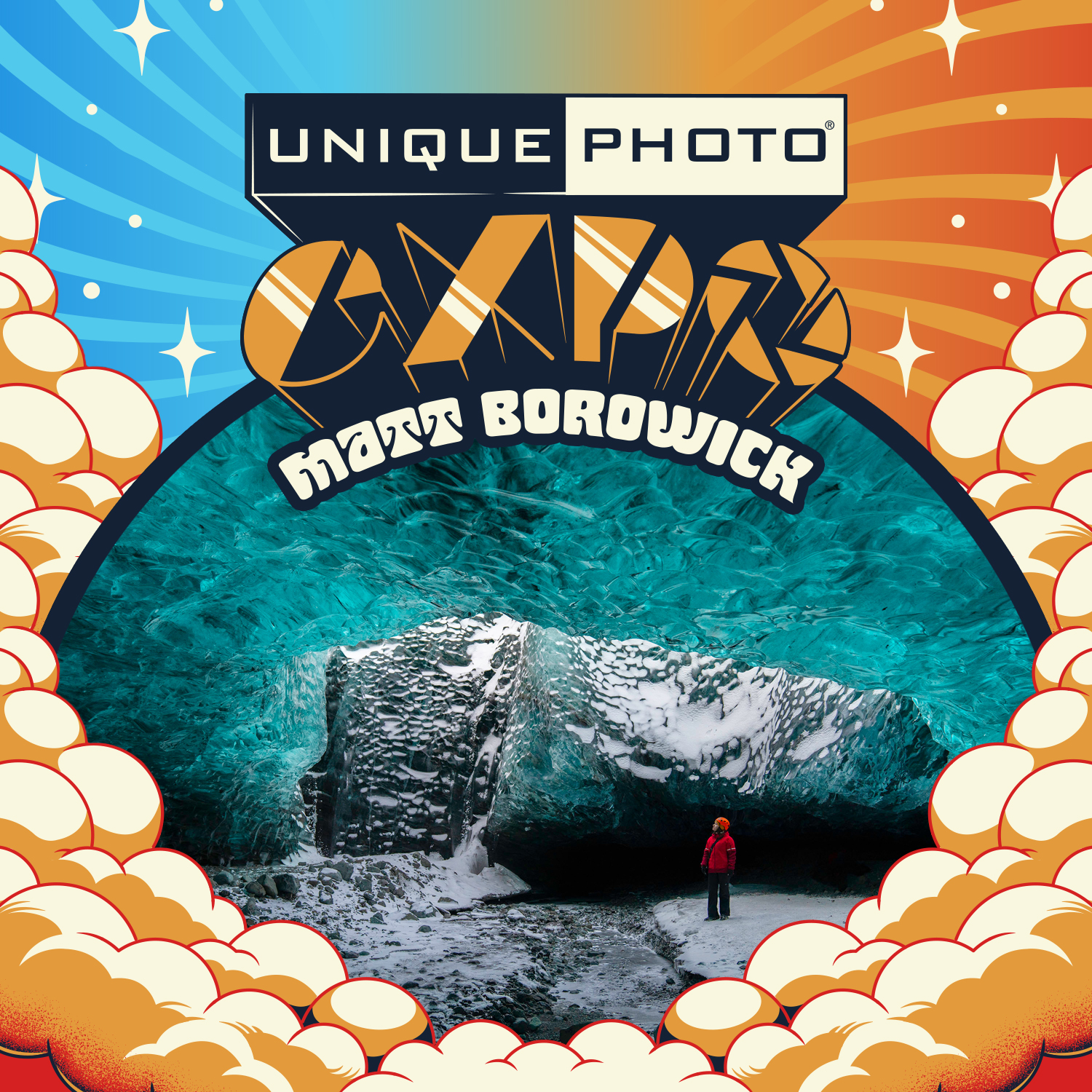
Photographers looking to improve visual storytelling may benefit from educational events such as EXPO: Stories from the Road - Photography Across Worlds w. Matthew Borowick, available through Unique Photo. Learning how experienced photographers build narrative can directly improve competition submissions.
How to Select Your Best Images for Local and Online Contests
One of the hardest parts of entering a contest is deciding what to submit. Photographers are often too close to their own work. Start by narrowing your choices to a small group of strong candidates, then compare them side by side.
Ask yourself:
- Which image has the strongest immediate impact?
- Which one best matches the contest theme?
- Which image remains interesting after repeated viewing?
- Does the subject stand out clearly, even at thumbnail size for online entries?
For online photo competitions, remember that your image may first be viewed very small on a screen. Simple, bold compositions often perform well in digital judging environments. For local exhibitions and print competitions, subtle tonal transitions, fine detail, and print surface choice become more important.
It can also help to keep a physical archive of candidate images and printed proofs. Products like the Pioneer 4 x 6 In. Bi-Directional Memo Photo Album make it easy to review sequences, compare edits, and organize competition ideas over time.

Editing Tips for Photo Competition Entries
Editing should strengthen your image, not distract from it. Overprocessed entries are common in both local and online photo competitions, and judges can spot them quickly. Heavy saturation, excessive sharpening, crushed blacks, and unnatural skin tones may hurt your chances.
When preparing contest images:
- Crop carefully to improve composition without weakening resolution.
- Adjust contrast and color for a natural but polished look.
- Retouch distractions that do not alter the integrity of the scene, if allowed.
- Check for halos, noise, banding, and oversharpening before exporting.
- Calibrate your display if possible to avoid inaccurate color and brightness.
Always read the contest rules on manipulation. Some competitions allow creative compositing, while others require documentary accuracy. Unique Photo often works with photographers across genres, and one of the most important habits to build is tailoring your editing style to the standards of the competition rather than applying the same look to every submission.
Tips for Winning Local Photo Competitions with Better Prints
If you are entering a juried print show or in-person competition, presentation matters. A strong print can elevate an image, while a poor print can make even an excellent file look average. Paper type, color fidelity, sharpness, and mounting all contribute to the final impression.
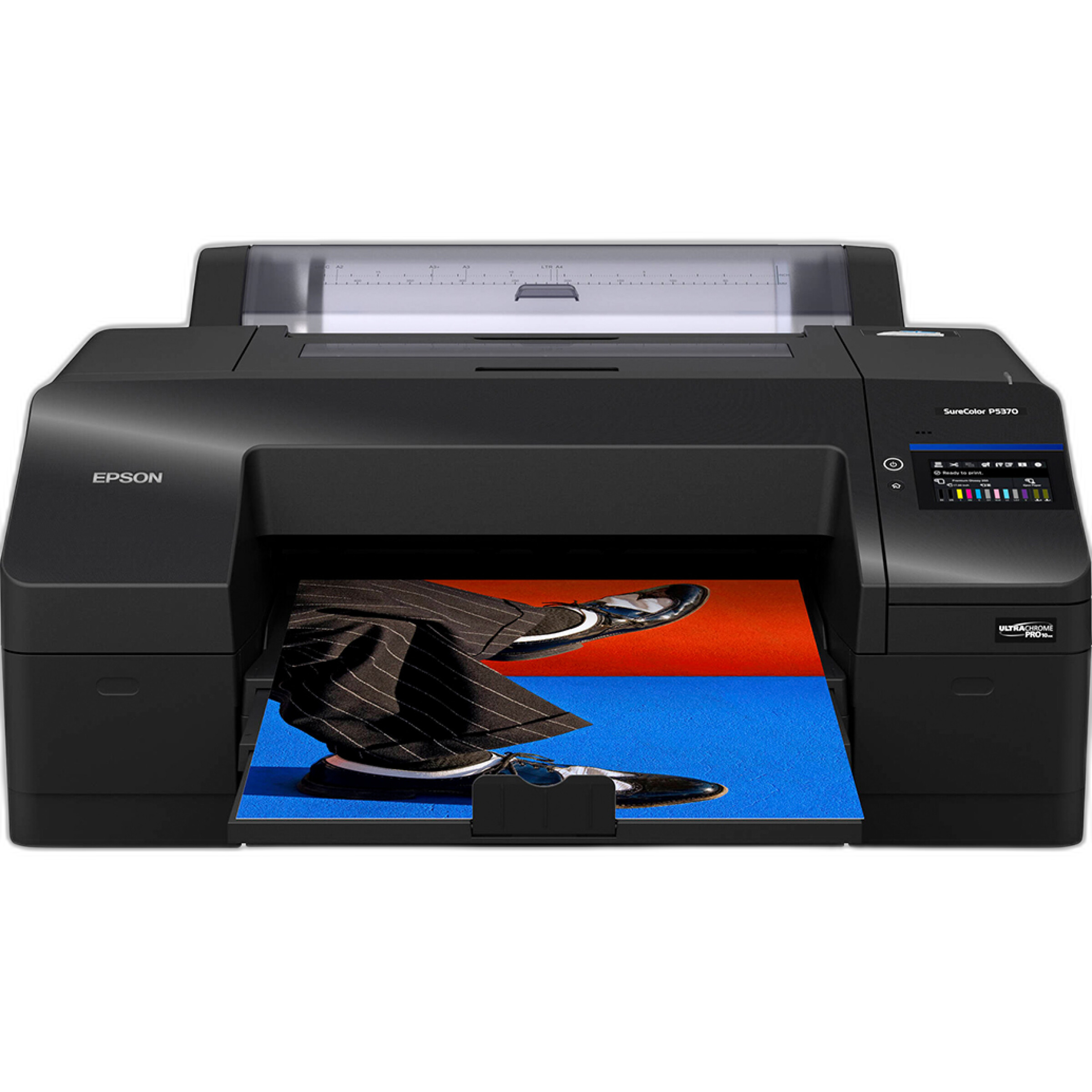
For photographers printing their own contest entries, the Epson SureColor P5370 17-Inch Professional Photographic Printer is a serious tool for producing exhibition-quality prints with excellent color and detail. Pairing a quality printer with the right media can help your work look refined and professional.
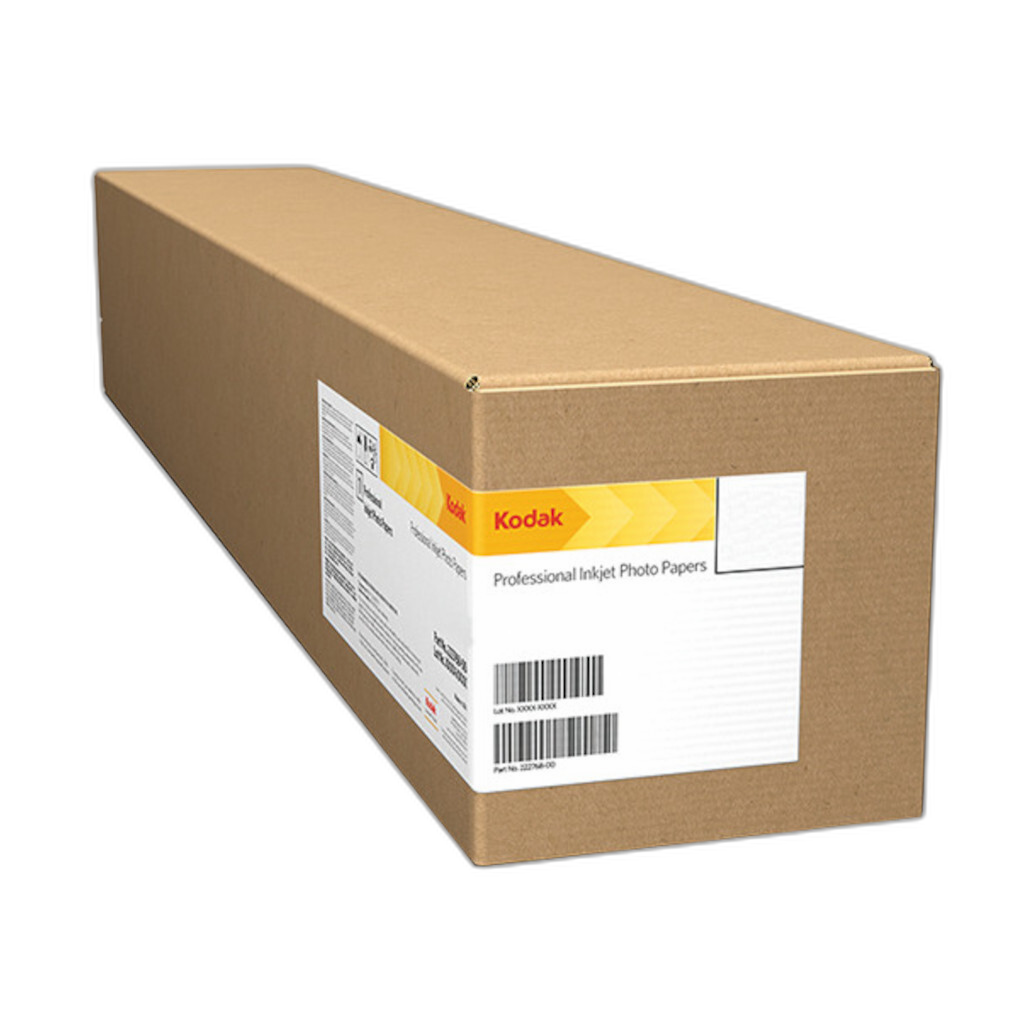
Paper choice is equally important. A product like Kodak Professional Metallic Photo Inkjet Paper 44 x 100 Roll can add extra depth and visual punch to certain images, especially cityscapes, automotive work, dramatic landscapes, and high-contrast fine art photos.
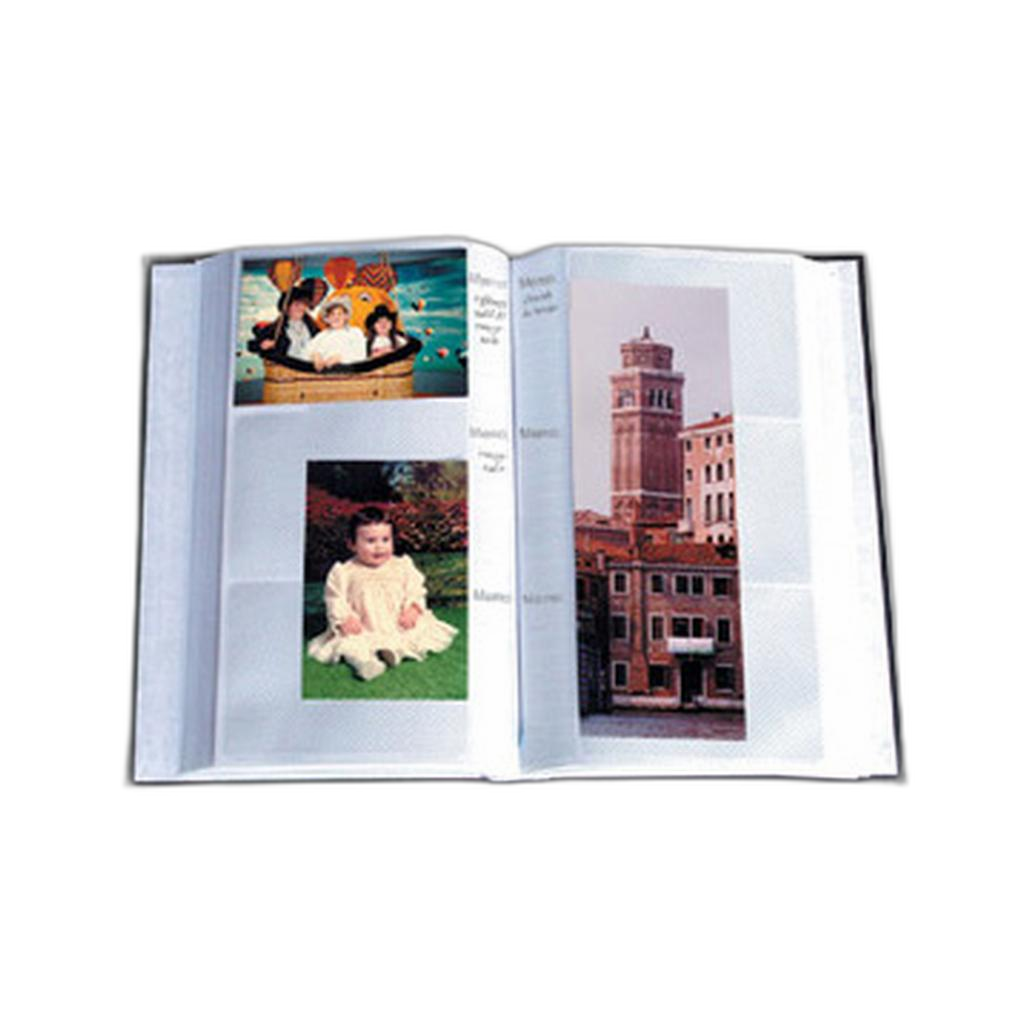
For portfolio reviews or preparing a physical presentation archive, albums and refill pages can help keep your best work organized. The Pioneer Album Refill Pages for BP-200 Album are useful for expanding a working image library as you prepare future submissions.
How to Win Online Photo Competitions with Strong Digital Presentation
Online contests come with a different set of challenges. Your image may be displayed on phones, tablets, and desktop monitors, often beside hundreds of other submissions. That means clarity and instant visual engagement are essential.
To improve your online entries:
- Export at the exact size and color space requested.
- Sharpen for screen output, not for print.
- Use a clean, descriptive filename if permitted.
- Double-check that highlights and shadows hold detail on multiple screens.
- Submit early to avoid deadline stress or upload errors.
Titles and captions can matter too. A thoughtful title can support the image without explaining too much. If a contest allows descriptions, keep them concise and relevant. Let the image remain the main focus.
Build a More Original Portfolio to Stand Out
Judges review many images that look similar. Popular locations, trendy editing styles, and common compositions can make it difficult to stand out. One of the best ways to improve your chances is to create work in unique environments or under unusual conditions.
Experiences such as Photograph Fluorescent Zinc Ore at Sterling Hill Mine from Unique Photo can inspire unusual, memorable imagery that differs from typical contest submissions. Expanding where and how you shoot can naturally lead to more original entries.

Instead of chasing what won last year, focus on making images that reflect your own perspective. Originality is often less about novelty for its own sake and more about authenticity, observation, and timing.
Common Mistakes That Hurt Your Chances in Photo Contests
Even experienced photographers lose points because of avoidable mistakes. Watch out for these common problems:
- Submitting images that do not clearly fit the contest theme
- Ignoring file size, format, or print dimension requirements
- Overediting color, contrast, or skin tones
- Choosing too many similar images instead of one standout frame
- Missing deadlines or forgetting required release forms
- Using distracting watermarks, borders, or graphic elements when prohibited
Attention to detail is part of competition success. A carefully prepared entry shows professionalism and respect for the judges' time.
How to Use Feedback and Losses to Improve Future Entries
Not every strong image will win, and not every loss means your work is weak. Judging is often subjective, especially in creative categories. If feedback is offered, use it. Look for patterns over time. Are judges consistently responding well to your storytelling but less well to your editing? Are your local contest prints stronger than your online submissions?
Maintain an archive of your entries, results, and judge comments. Some photographers like to keep printed snapshots and notes in a dedicated album to track progress. Organized storage can make long-term improvement easier, whether you use albums, sleeves, or digital cataloging tools.
The goal is not only to win one contest. It is to become a more intentional photographer with a portfolio that grows stronger every year. Unique Photo supports that journey through gear, printing solutions, educational events, and creative experiences that help photographers sharpen both skill and vision.
Final Thoughts on Winning Local and Online Photo Competitions
Winning photo competitions starts with entering the right contests, selecting your strongest images, editing with restraint, and presenting your work professionally. Local contests often reward thoughtful print quality and community relevance, while online contests demand immediate digital impact and careful formatting. In both cases, originality and storytelling remain essential.
If you are ready to improve your competition results, Unique Photo is a great resource for learning, printing, and portfolio-building. Consider exploring workshops, photo excursions, printers, fine art papers, and photo albums that can help you prepare stronger submissions. For internal linking opportunities, this article pairs naturally with pages about photo printing, photography classes and events, landscape photography workshops, and portfolio presentation tools available at Unique Photo.