Photo contests can be exciting opportunities to gain recognition, build your portfolio, and challenge your creative skills. But one of the biggest questions photographers face before submitting work is simple: how much editing is ethical in a photo contest? The answer depends on the rules, the genre, and the expectations of the organizers. At Unique Photo, we often see photographers balancing creativity with transparency, especially when preparing images for juried competitions, exhibitions, and themed contests.
This guide explains the ethics of editing contest photos, what adjustments are usually acceptable, what edits may get a photo disqualified, and how to develop a responsible workflow before you submit.

What Is Ethical Photo Editing in a Contest?
Ethical photo editing means making adjustments that stay within the stated rules of the competition and do not misrepresent the scene beyond what the contest allows. In most cases, ethics in editing comes down to honesty, disclosure, and intent.
For example, a global exposure correction or white balance adjustment is often considered acceptable. Removing a distracting branch, compositing in a dramatic sky from another frame, or cloning out people from a documentary scene may be prohibited. The key question is this: does the final image still reflect what the contest expects the photograph to represent?
Many contests divide entries into categories such as documentary, wildlife, portrait, fine art, travel, and digital art. Each category may have different standards. Ethical editing for a fine art competition may allow extensive creative manipulation, while ethical editing for a photojournalism contest may require almost no alteration beyond basic tonal correction.
Why Contest Photo Editing Rules Matter
Searches for terms like photo contest editing rules and can edited photos be submitted to contests are common because entrants know disqualification can happen even when an image looks great. Rules matter for three major reasons:
- Fairness: All entrants should compete under the same standards.
- Credibility: Organizers need to preserve trust in the contest results.
- Category integrity: Some genres depend on realism, while others reward imagination.
If you ignore the editing policy, you risk more than rejection. You could damage your reputation with judges, peers, or future clients. Unique Photo encourages photographers to treat contest guidelines as part of the creative brief, not as an afterthought.
Basic Edits That Are Usually Allowed in Photo Contests
Although every competition is different, many contests allow a core group of standard edits. These often include:
- Exposure adjustments
- Contrast and tone curve refinements
- White balance correction
- Color correction and modest saturation adjustments
- Sharpening
- Noise reduction
- Lens correction
- Minor cropping, if the rules permit it
- Dust spot removal
These are generally viewed as corrections that improve presentation without fundamentally changing the content of the image. If you are learning how to refine tonal and color adjustments responsibly, educational resources can help you build a contest-safe workflow. Unique Photo offers instruction like NJCS: Lightroom Photo Editing for Nature and Wildlife with Bobby Stormer for photographers who want to strengthen editing technique while respecting genre expectations.
Edits That Commonly Cause Disqualification
When photographers ask, what editing is not allowed in photo contests, the answer usually includes manipulations that alter the factual content of the scene. Red-flag edits often include:
- Adding or removing major elements
- Compositing multiple images without permission from the rules
- Replacing skies, backgrounds, or subjects
- Moving objects within the frame
- Altering wildlife behavior or documentary context through editing
- Excessive cloning or healing
- AI-generated additions in contests that prohibit them
- Misleading HDR or tonal blending in realism-based categories
In documentary, journalism, scientific, and many wildlife contests, even small content-aware edits can be a serious ethical violation. If the edit changes the factual story of the photo, it may undermine the credibility of the submission.
How Ethics Change by Contest Category
One reason this topic is confusing is that editing ethics are category-specific. Here is a practical breakdown:
Photojournalism and Documentary
These categories usually require minimal editing. Content must remain truthful. Cropping, exposure correction, and modest color balancing may be acceptable, but removing or adding subjects is almost always forbidden.
Wildlife and Nature
Nature contests often allow basic global adjustments, but many are strict about object removal, baiting-related deception, or excessive manipulation. If you are preparing these files, careful Lightroom technique matters. Unique Photo educational offerings on wildlife and nature editing can be useful for learning what enhances an image without crossing the line.
Portrait and Wedding
These contests may permit retouching, skin work, tonal shaping, and background cleanup depending on the rules. However, authenticity can still matter, especially in editorial portrait categories.
Fine Art and Conceptual
Extensive editing, compositing, and stylization may be welcomed. Even so, ethical practice still means accurately describing the process if required and following category definitions.
Commercial and Product Photography
These contests often accept substantial retouching because polish is part of the craft. Learning professional post-production standards through classes such as Product Photography and Post Production Editing with Blake Taylor can help photographers understand where technical refinement fits within a professional workflow.

Should You Disclose Heavy Editing in a Contest?
If the rules ask for disclosure, the answer is always yes. Even when disclosure is optional, transparency is wise. Many contest organizers appreciate a clear explanation when an image involves compositing, focus stacking, panorama stitching, or advanced retouching.
Disclosure protects you and shows respect for the judging process. It also helps ensure your image is evaluated in the proper category. A strong image that is honestly described has a much better chance of being fairly judged than a misleading image that creates doubt.
How to Read Photo Contest Rules Before Editing
One of the best ways to avoid problems is to read the contest rules before you begin final processing. Look for language such as:
- "Basic adjustments only"
- "No compositing"
- "No addition or removal of elements"
- "RAW files may be requested"
- "Cropping permitted"
- "AI-generated content prohibited"
- "Entries must reflect the original scene"
If the rules are vague, contact the organizer. It is better to ask ahead of time than to guess. At Unique Photo, we recommend saving a copy of the rules and editing with those standards in mind from the beginning.
Keep RAW Files and an Edit History
Many serious competitions request RAW files or original JPEGs from finalists. Some may also ask for layered files or editing explanations. For that reason, photographers should maintain a clean archive of:
- Original RAW capture
- Exported submission file
- Sidecar files or catalog history
- Notes on major adjustments
This is not just good technical practice. It is part of ethical preparation. If your work is questioned, documentation can verify that your submission complied with the rules.
For long-term organization, printed proofs and archival storage can also help you track your best images and contest history. Products like the Pioneer 4 x 6 In. Bi-Directional Memo Photo Album can be a simple way to keep physical reference prints from key shoots, while Pioneer Album Refill Pages for BP-200 Album can help expand an archive over time.

Best Practices for Editing Contest Photos Ethically
If you want a practical checklist for ethical photo contest editing, follow these recommendations:
- Start with the official rules. Let the competition guidelines define your editing boundaries.
- Edit conservatively for realism-based categories. If you are unsure whether an edit changes content, do not do it.
- Preserve originals. Never overwrite your RAW files or first exports.
- Be honest about your process. If the contest requests details, provide them clearly.
- Avoid trend-driven overprocessing. Extreme clarity, saturation, or skin smoothing can hurt both ethics and judging outcomes.
- Match the genre. A fine art look may fail in travel documentary, even if it is visually striking.
- Prepare for verification. Assume a finalist image may be audited.
How Much Retouching Is Too Much?
This is one of the most searched questions related to contest submissions, and the honest answer is: too much is anything that breaks the rules or changes the truth-value of the image for that category. Even when an edit is technically subtle, it can still be ethically problematic if it changes meaning. For example:
- Removing a power line from a landscape may be acceptable in one contest and forbidden in another.
- Smoothing skin in a portrait may be normal in a beauty category but excessive in an editorial category.
- Darkening a background for mood may be fine, but cloning out a distracting object may not be.
When in doubt, ask whether a judge or viewer would feel misled if they saw the original file next to the final one.
Learning Better Editing Without Crossing Ethical Lines
Improving your editing skills does not mean becoming more deceptive. In fact, the best editors know how to strengthen an image while preserving intent and respecting the rules. Educational tools, workshops, and seminars can help photographers understand tonal control, local adjustments, color management, and professional finishing.
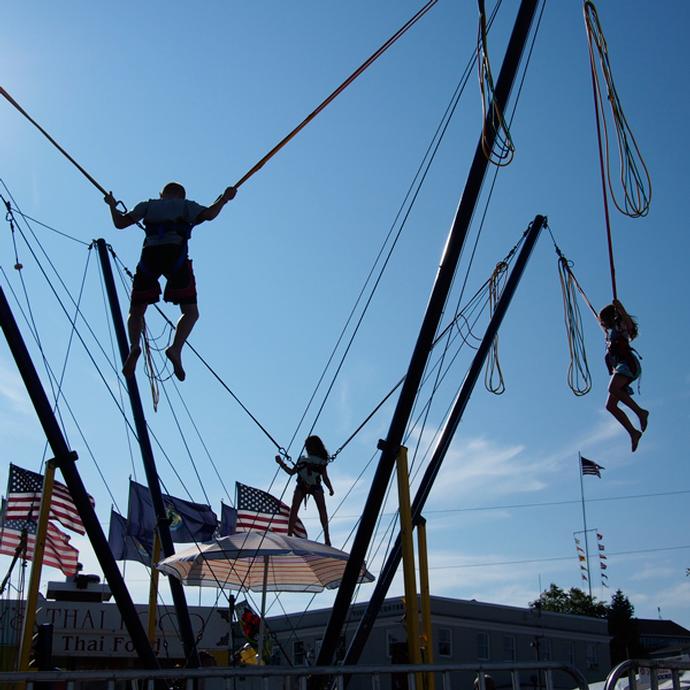
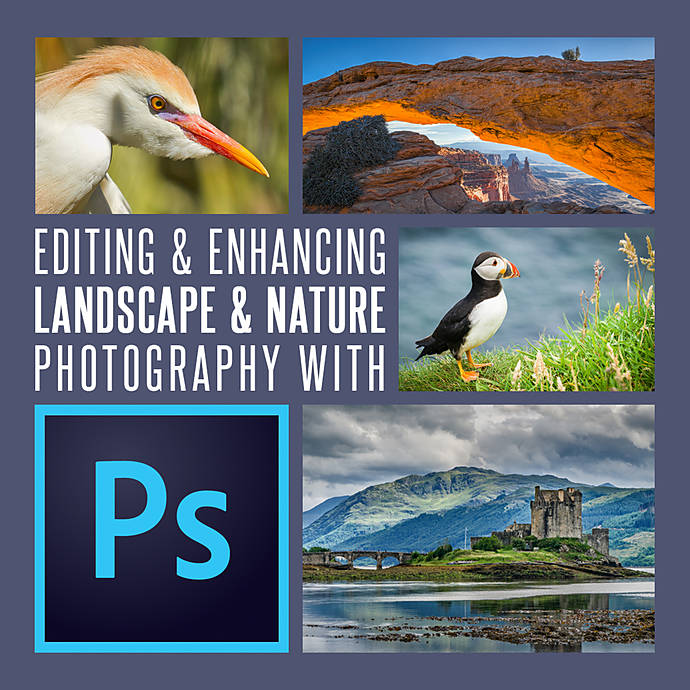
Unique Photo offers learning opportunities for photographers interested in editing, post-production, and genre-specific workflow. Resources such as Editing and Enhancing Landscape and Nature Photography with Photoshop and event-focused instruction like Seminar: How to Capture Great Festival and Event Photos with David Wells can support photographers who want to build stronger submissions responsibly.

Final Recommendations Before You Submit
Before entering any competition, take a final pause and review your file with fresh eyes. Compare it to the RAW capture, review the contest language, and ask whether your edits support the image or distort it. Ethical editing is not about making your work less compelling. It is about making your work credible, category-appropriate, and competition-ready.
At Unique Photo, we recommend building a repeatable submission workflow: organize originals, keep exported contest versions clearly labeled, maintain a record of major edits, and continue learning through trusted classes and educational content. That combination of craft and integrity can help you submit with confidence.
For readers exploring next steps, consider linking internally to related Unique Photo resources such as photography classes, photo editing workshops, Lightroom training, Photoshop education, printing services, and archival photo albums for organizing contest prints and portfolio images.