Travel Photography FAQ: Balancing Lightweight Gear and Image Quality
Travel photography is always a balancing act: you want gear that is easy to carry all day, but you also do not want to sacrifice the image quality that makes a trip worth documenting. At Unique Photo, we recommend building a travel kit around how you actually shoot, where you are going, and how much weight you are willing to carry from morning to night.
Below, we answer the most common questions photographers ask when choosing a travel setup, from compact camera expectations to lens strategy, accessories, and practical ways to pack smarter on the road.
Which compact cameras can rival DSLR or mirrorless image quality?
The short answer is that some premium compact cameras can deliver excellent image quality, especially in good light, but the overall result still depends on sensor size, lens quality, autofocus performance, and how much flexibility you want in post-processing. If your goal is maximum portability for city walks, casual sightseeing, and social sharing, a high-end compact can be a strong option. For larger prints, low-light work, fast action, and interchangeable-lens flexibility, mirrorless cameras still offer a wider performance envelope.
For many travelers, the real question is not whether a compact matches every DSLR or mirrorless body, but whether it meets the needs of the trip. A compact can be ideal when discretion, weight, and speed matter more than lens swapping. On the other hand, if you want to shoot architecture in the morning, portraits in the afternoon, and landscapes at blue hour, an interchangeable-lens system usually gives you more control and consistency.
Are prime lenses worth the extra weight for travel?
Prime lenses are often worth bringing when image quality, low-light performance, and subject separation are priorities. A good prime can be lighter than a professional zoom, offer a wider aperture, and encourage a more intentional style of shooting. For street photography, food, environmental portraits, and low-light interiors, a compact prime lens can be one of the smartest additions to a travel kit.
That said, the best travel choice is not always the sharpest lens on paper. If changing lenses slows you down or makes you miss moments, a versatile zoom may be more practical. Many travelers prefer one standard zoom for daytime exploration and one fast prime for evenings. That combination often strikes a great balance between flexibility and quality without overloading your bag.
How do you balance portability and performance when building a travel kit?
Start by choosing the subjects you care about most. If your trip is centered on landscapes and city scenes, a lightweight body with one versatile zoom may be enough. If portraits and low-light scenes are part of the plan, add a fast prime. If wildlife or distant details matter, you may need to accept more weight in exchange for reach.
A helpful rule is to build around one primary camera body, one lens that stays mounted most of the time, and one specialty lens only if it clearly fills a gap. This keeps your setup compact while still giving you creative options. It is also worth thinking about how long you will be carrying the gear each day. A camera that feels manageable for 20 minutes in a store can feel very different after six hours of walking, transit, and sightseeing.
What accessories are essential for photography on the road?
The best travel accessories are the ones that improve reliability without adding much bulk. Spare batteries, extra memory cards, a compact charger, a comfortable strap, a cleaning cloth, and weather protection should be at the top of the list. If you plan to shoot long exposures, architecture, or night scenes, consider a small support solution that fits your style of travel.
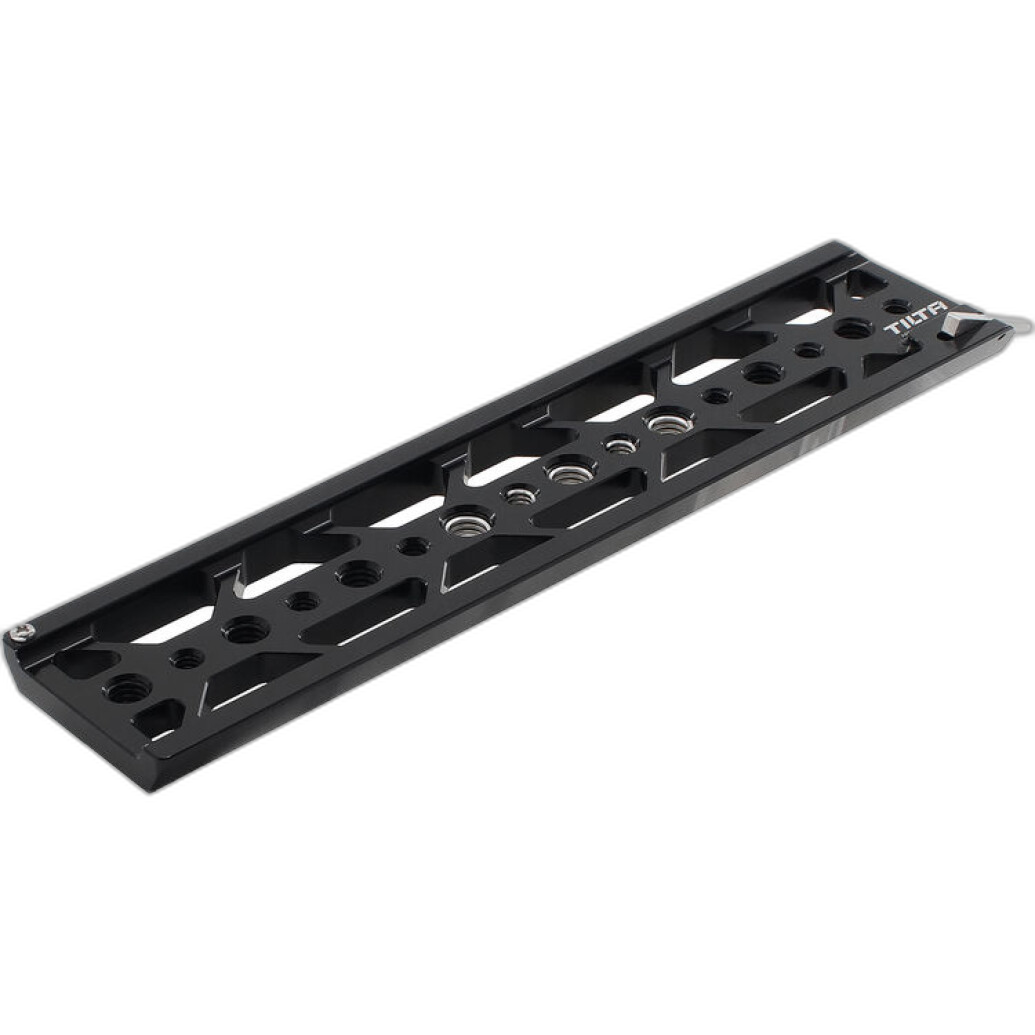
For photographers using more advanced support setups, rigging accessories can help stabilize and organize gear during transit or location work. The Tilta 10 Lightweight Dovetail Plate is more specialized than a typical vacation accessory, but for creators traveling with a cinema or hybrid video rig, it can be a useful part of a modular setup that remains relatively portable.
If your travel plans include family road trips or long days in bright conditions, practical non-camera accessories can also make the experience easier. The Nuby 3Pk Sunshade Pop Open Travel is not photography gear, but it can be helpful for keeping passengers comfortable during extended drives between locations, which matters when travel days are part of the creative process.
Should you travel with one lens or multiple lenses?
For many photographers, one lens is enough if it covers the focal lengths they use most often. A single versatile lens reduces decision fatigue, keeps the camera ready, and lowers the chance of exposing your sensor to dust during lens changes. This approach is especially effective for city breaks, casual travel, and trips where photography is important but not the only focus.
Bringing multiple lenses makes sense when your subjects are varied and you know you will use each lens regularly. The key is to avoid packing for hypothetical scenarios. If you only occasionally shoot ultra-wide or telephoto images at home, that lens may end up staying in the hotel. The best travel bag is often the one with the fewest items you never use.
What is the best setup for travel photography if you also shoot video?
Hybrid shooters need to think beyond still-image quality. Stabilization, audio options, lens breathing, battery life, and how quickly a rig can be deployed all matter when you are moving between destinations. Keeping the system modular is often the best solution: use a minimal handheld setup for walking around, then add accessories only when the shot demands it.
For creators who use rails or plate-based support systems, the Tilta 10 Lightweight Dovetail Plate can be a practical addition to a travel-ready rig without adding excessive bulk compared to larger studio-oriented components.
If you are still refining your travel storytelling approach, educational events can be just as valuable as gear. Unique Photo's EXPO: Stories from the Road - Photography Across Worlds with Matthew Borowick is a great example of the kind of inspiration that helps photographers think more intentionally about what they pack and how they shoot while traveling.
How should beginners choose a travel photography kit?
Beginners should prioritize simplicity. A camera that is easy to use, one flexible lens, and a small set of essentials will usually produce better results than an overpacked bag full of unfamiliar gear. Travel is already demanding, and a complicated setup can distract from learning composition, timing, and light.
Education also makes a major difference. If you want to improve your eye before your next trip, classes and workshops can help you get more from the gear you already own. Unique Photo offers learning opportunities that can sharpen your travel technique, including landscape-focused instruction like Macro and Landscape Photography at Duke Farms with Michael Downey.

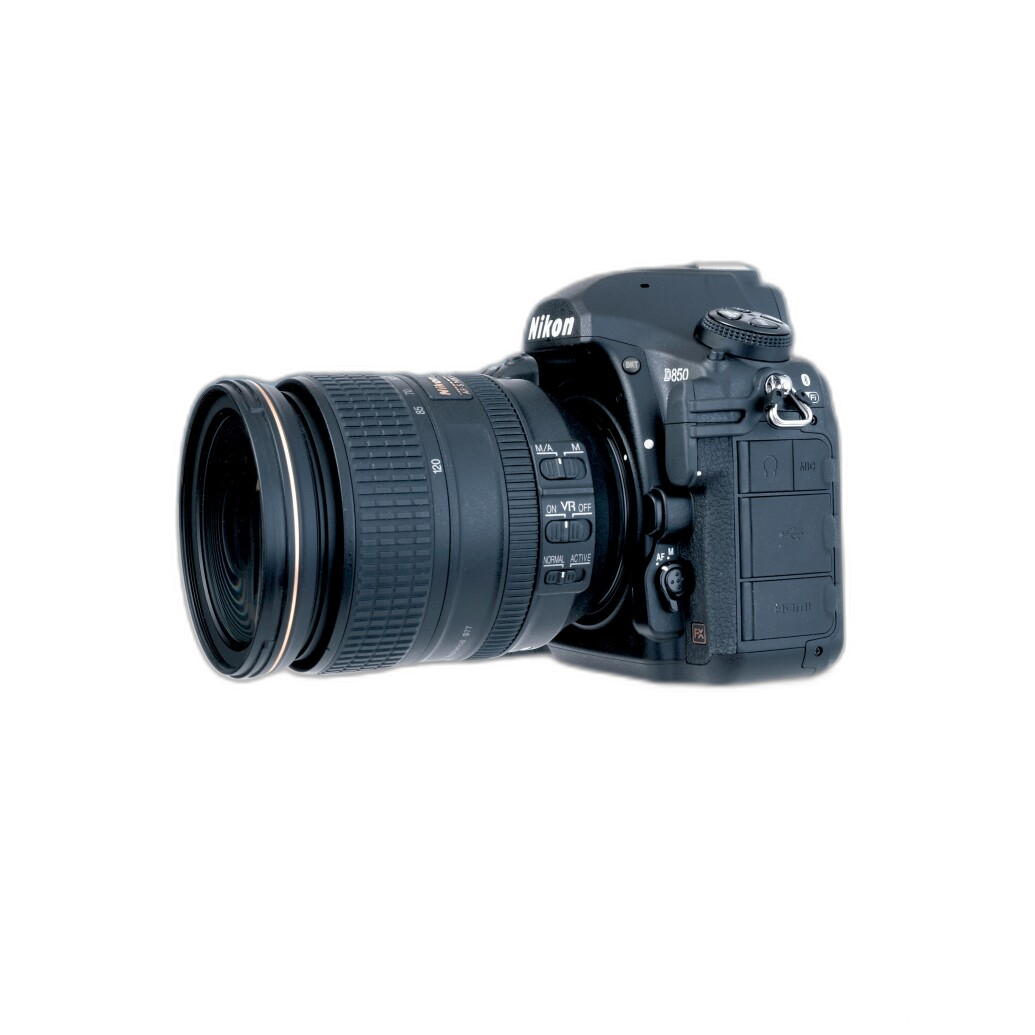
For photographers using a DSLR for travel, a reference guide can also be useful when you want to master settings before departure. The Nikon D850 Guide to Digital SLR Photography by David Busch is a solid example of the kind of resource that can help DSLR users get more confidence from a capable camera body.
Do editing skills matter as much as camera choice for travel photography?
Absolutely. A well-exposed image from a practical travel setup can often outperform a technically superior file that is poorly edited or never refined. Understanding color, contrast, local adjustments, and cropping can help you make the most of a lighter kit and extend what your travel images can become.
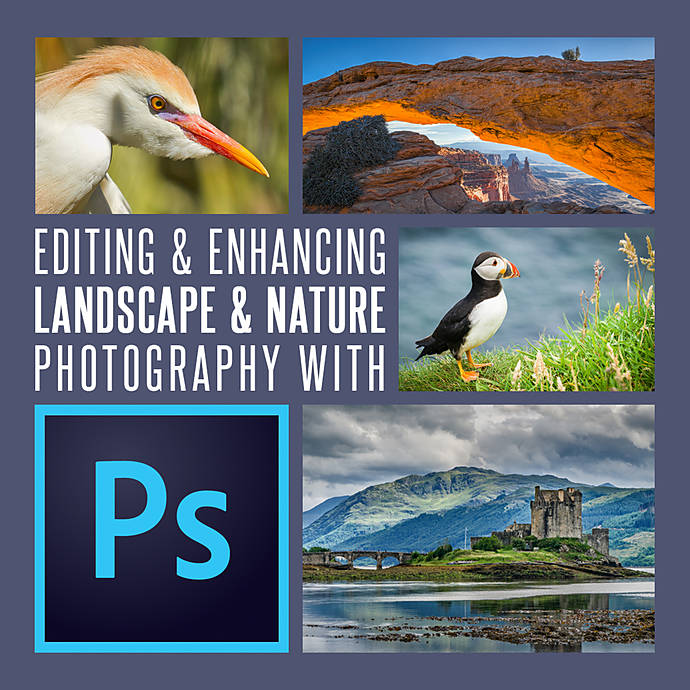
Post-processing is especially important for landscapes, nature scenes, and mixed-light environments that are common during travel. If you want to improve that part of your workflow, Unique Photo offers educational options such as Editing and Enhancing Landscape and Nature Photography with Photoshop.
What if your travel photography includes night skies or low-light destinations?
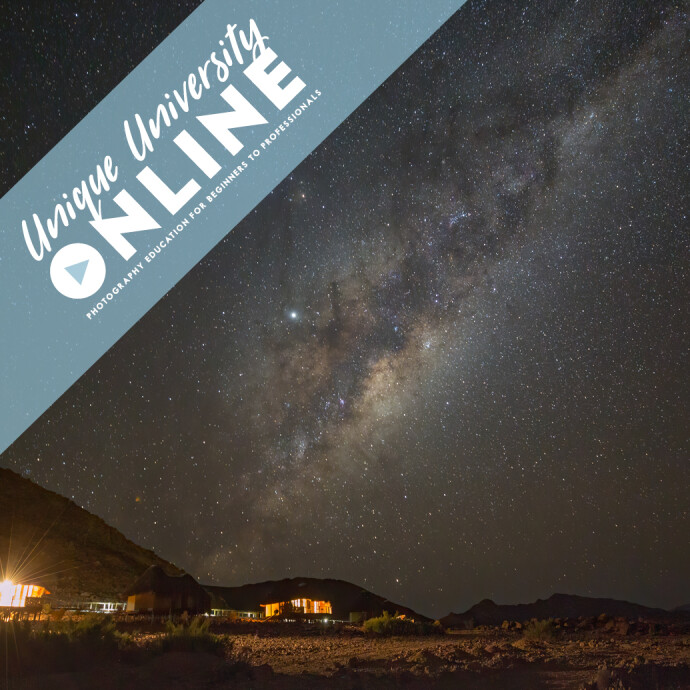
Low-light travel photography changes the equation. You may want a faster lens, a camera with strong high-ISO performance, and some kind of support for longer exposures. If astrophotography or dark-sky travel is on your itinerary, planning for those specific shooting conditions is far more important than chasing the lightest possible kit.
Technique matters here just as much as equipment. For photographers interested in expanding into night shooting while traveling, learning from a focused class can be incredibly helpful. Unique Photo's UUOnline: Astrophotography 4-Part Series with Temu Nana is a strong resource for understanding the foundations of shooting after dark.
Ultimately, the best travel photography setup is the one you will actually carry, enjoy using, and trust in the moments that matter most. If you are building a lighter kit, refining your lens strategy, or looking for educational resources to improve your results, Unique Photo can help you find the right gear and guidance for your next trip.