Photographers’ Tips for Planning Feature Stories: Gear, Backups, and Tough Conditions
Feature stories succeed or fail long before you press the shutter. From access and scheduling to backups, batteries, and bad weather, the most memorable projects are built on thoughtful planning. Here’s a practical, field-tested playbook to help you map your story, select smart gear, build redundancy, and solve lighting or environmental challenges—so you come home with the images that matter.
Pre-Production: Map the Story and the Access
Define the thesis, beats, and must-have scenes
Write a one-sentence thesis for your feature, then list 6–10 beats (scenes) that prove it. Prioritize a “must-have” list and a “nice-to-have” list to guide scouting and scheduling. Think in sequences (wide, medium, detail, action, reaction, transition) so your edit will cut together smoothly.
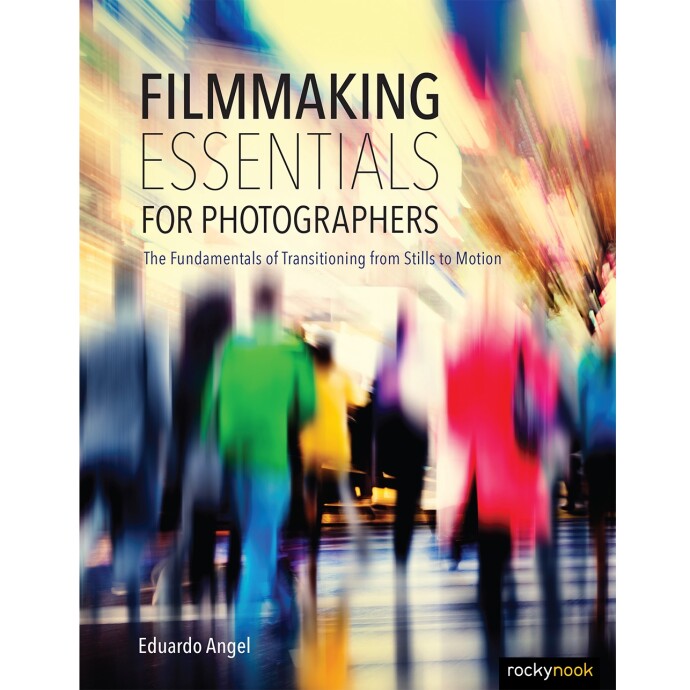
Want to sharpen sequencing instincts? Filmmaking-oriented guides can accelerate your planning. Filmmaking Essentials for Photographers by Eduardo Angel is a concise roadmap for thinking in beats and coverage.
Scout smart—virtually first, then in person
Start with online maps, Street View, weather and sun-path apps. Build a location sheet with parking notes, contact info, legal/permit details, and ambient sound/light observations. On a physical scout, time your visit for the exact hour you expect to shoot; note power access, safe gear staging, and potential backup angles if your A-spot is blocked.
Secure access early and invest in relationships
Access is currency. Make clear what you’re doing, why it matters, and how you’ll work respectfully. Bring sample work and a simple, plain-language one-page overview to build trust. If you often photograph people-centered stories, training on communication can pay off—UUOnline (Free): Photographers and Relationships with Mike Grippi focuses on rapport, expectations, and long-term access strategies.
Plan your still-and-motion coverage
Many feature stories benefit from short motion clips for web packages. Decide in advance which scenes demand video versus stills, and build a quick-switch plan (e.g., one body stays set for video, the other for stills). If you’re crossing into motion, consider structured learning such as NJCS: Transitions to Video for Still Photographers with Tony Gale (Sony) and PCS: Video for Photographers with Shiv Verma (Lumix) to streamline your hybrid workflow.
Gear Selection: Pack for Redundancy, Speed, and Discretion
Build a two-body, three-lens core
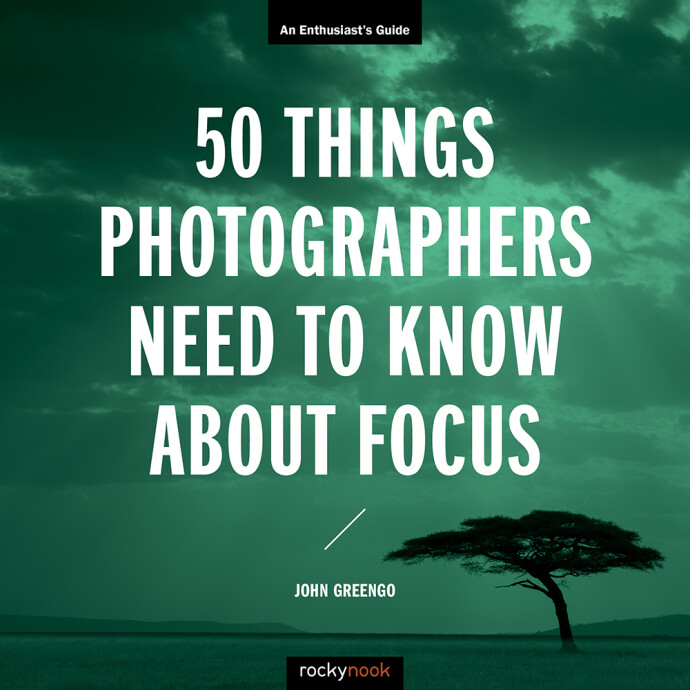
Two bodies prevent downtime if a camera fails and speed up coverage (one wide, one tele). A pragmatic trio—fast wide, fast normal, compact tele—covers most scenes. For focus-critical portraits and low light, review the fundamentals that save shots under pressure; 50 Things Photographers Need to Know About Focus by John Greengo is a quick, practical refresher.
Stabilization, audio, and weather
Carry a lightweight travel tripod or monopod, a compact on-camera mic with a deadcat, and a small clamp or friction arm for mounting recorders or lights. For weather, pack a rain cover, chamois, silica gel packs, and a microfiber towel. Pre-label everything with your name and number.
Power and media redundancy
Bring more batteries and cards than you think you need. Use dual-card recording (RAW+RAW or RAW+JPEG) for critical moments. Keep a dedicated pouch for spent batteries/cards and another for fresh ones. Charge as you travel with a compact power strip and USB-C PD brick.
Stay low-profile in sensitive spaces
Use quieter shutters, smaller lenses, and a neutral bag. Street and public-space portraits demand calm, ethical presence. If you need confidence working close to subjects, NJCS: Overcoming Your Fear of the Street with Mike Peters (Panasonic) is a great mindset and technique primer.

Lighting and Environmental Solutions
Lead with practicals, then shape
Start by using the location’s existing light: windows, lamps, signage. Move your subject relative to the light before adding gear. A small 5-in-1 reflector and a compact LED can be game-changers without intimidating your subjects.
Control contrast with minimal grip
Flag spill with a black foamcore, bounce with a collapsible reflector, and diffuse with a translucent scrim. In cramped interiors, moving a lamp two feet can outperform bringing a full light kit.
Prepare for weather, dust, and salt
Use rain covers, umbrella sleeves, and lens hoods in drizzle. In sandy or salty environments, change lenses inside a bag, wipe gear with a damp (freshwater) cloth afterward, and rotate a cheap UV filter as a sacrificial front element.
Color-manage mixed light for a consistent edit
Carry a gray card and set a custom white balance for key scenes. Shoot a quick color reference frame when light sources mix. In post, education pays dividends—Photoshop for Photographers with Adobe Certified Instructor Blake Taylor emphasizes practical color correction and selective, editorial-grade retouching.
On-Location Workflow and People
Establish a daily ingest and backup ritual
Follow 3-2-1: three copies on two different media, one off-site. Use checksum-enabled copy software when possible. Name folders by date_location_subject and log cards as you back them up. Keep one SSD on your person and one in a separate bag.
Keep a field log and rating system
Jot frame numbers of key moments, lighting notes, and release info. Star-rate selects in-camera during lulls to accelerate culling later. Photograph paperwork so it rides with the day’s take in your catalog.
Be a good guest: ethics, releases, and safety
Carry simple model/property releases, respect no-go requests, and share your plan with a friend or editor including check-in times and exit routes. Your reputation is part of your kit.
Post-Production and Delivery
Edit for arcs, not just images
Open strong, deepen context, and land with resonance. Study cohesive, long-form work to internalize pacing and transitions—Marco Polo: A Photographers Journey by Michael Yamashita (Signed) is a compelling reference for narrative flow across places and time.

Polish with restraint
Match color across the set, keep skin tones believable, and avoid effects that distract from the story. A tight preset baseline plus local adjustments will keep your feature consistent. If you want to level up, the Photoshop for Photographers class above is a solid, hands-on path.
Deliver clean, searchable packages
Embed accurate captions, keywords, creator/contact, and rights info. Include a text document with story synopsis, shot list, and any release details. Provide high-res and web-ready sets with consistent naming conventions.
Bring It Home
The best feature stories blend preparation with flexibility. Define your beats, pack for redundancy, solve light simply, and protect your files at every step. When you need deeper dives—whether it’s sequencing, street confidence, hybrid video, or post-production—Unique Photo’s classes and book selection can help you sharpen the edges of your craft. Plan well, stay curious, and let the story lead.