Turn Constraints into Character
Challenging locations—crowded markets, cramped kitchens, noisy workshops, or windswept deserts—can feel like adversaries. Treat them as collaborators instead. The textures, light, and limitations of a place help shape a feature story’s voice. Below are practical, field-tested tips to help you work fast, stay respectful, and build a compelling arc when the environment won’t cooperate.
Practical Tips You Can Use Anywhere
Scout with intent, then embrace the constraints
Do a quick walk-through to map your story beats: opener, key interactions, details, and closer. Identify noise sources, dominant light direction, and bottlenecks. Constraints suggest solutions—tight corridors encourage layered frames; harsh sun invites silhouettes or negative fill. Strengthen your point-of-view by clarifying what the story is (and isn’t) before you start shooting.
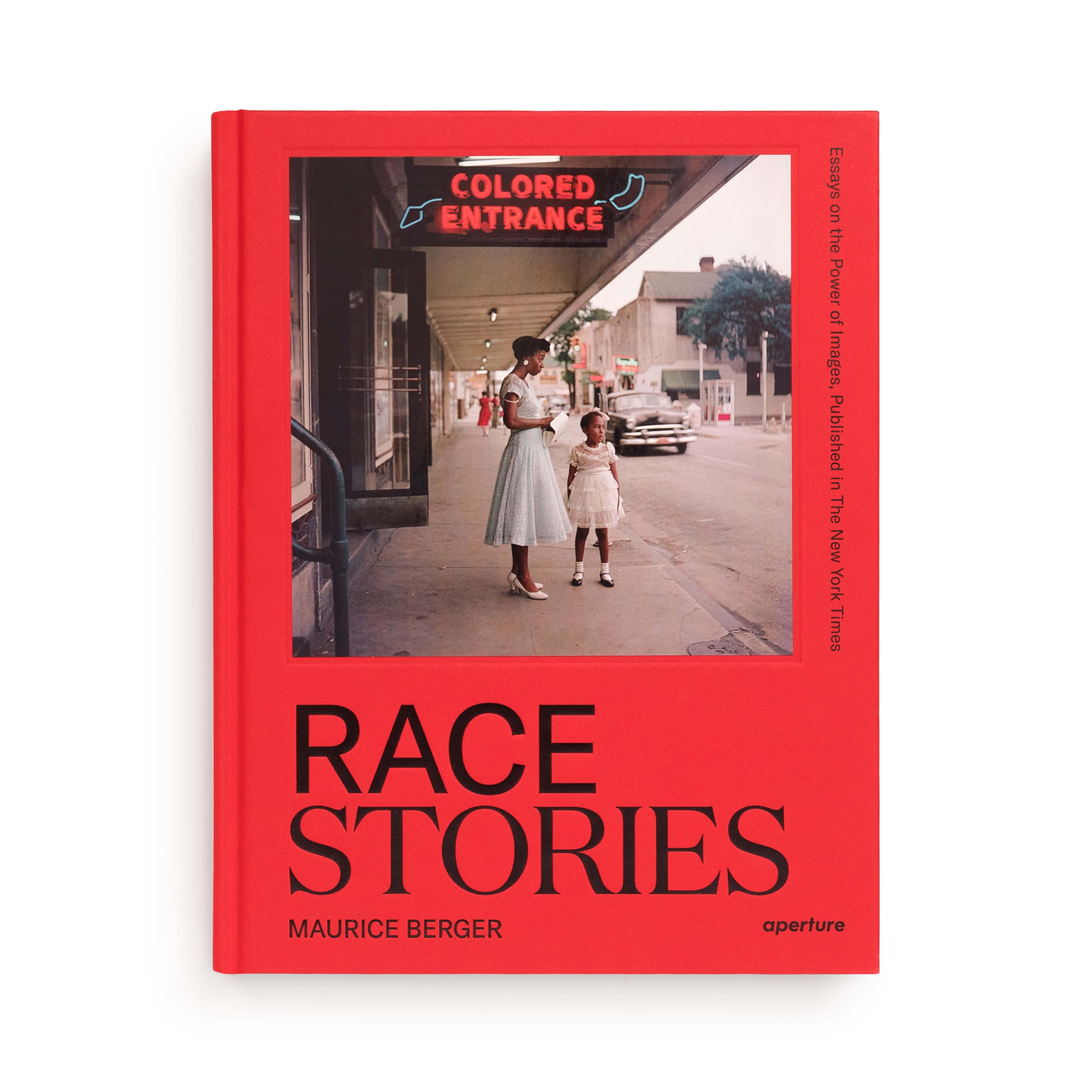
For perspective on ethics, context, and how images shape narratives, deepen your research with thoughtful reads like Race Stories: Essays on the Power of Images (Aperture Books). It’s a great reminder to approach communities with care and curiosity.
Layer your frames in tight spaces
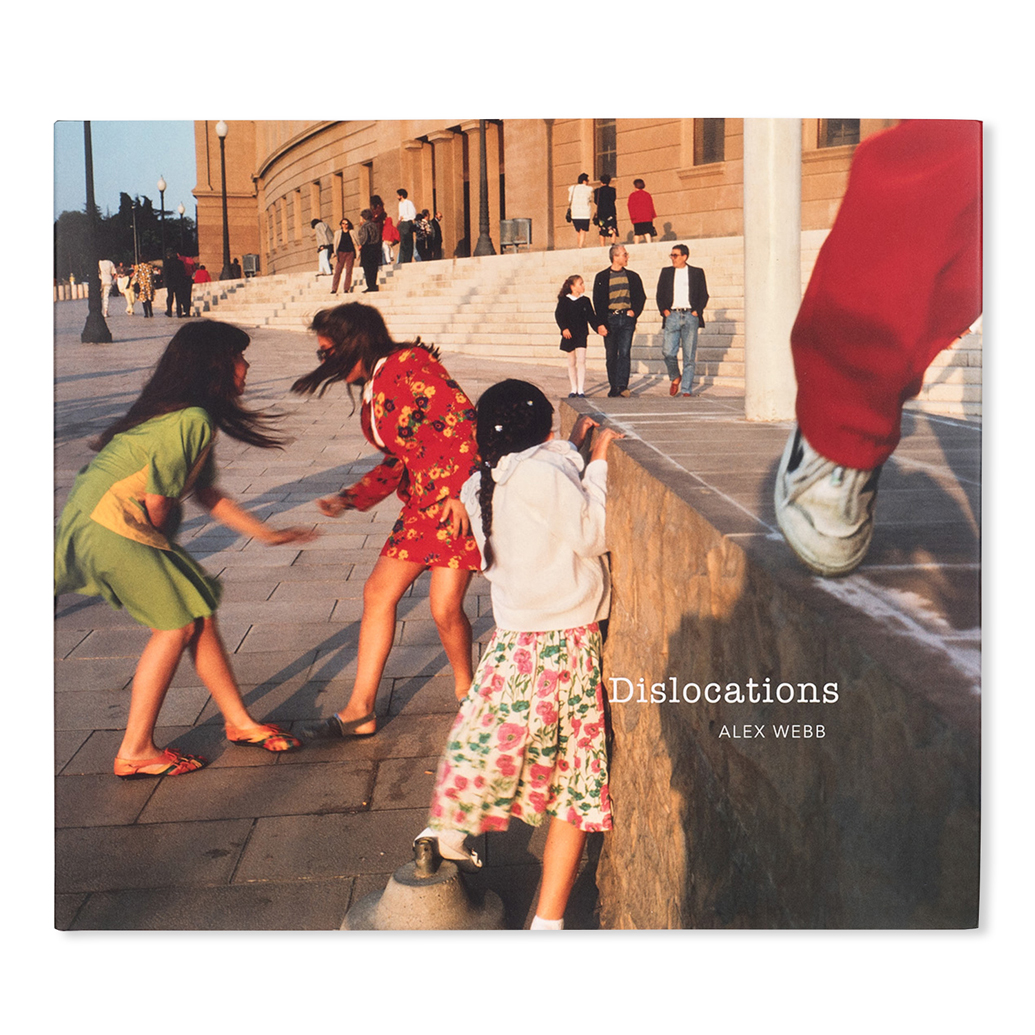
Use foreground details, mid-ground action, and background context to compress a rich story into a single frame—especially valuable in cramped interiors. Study masters of layered storytelling for inspiration; Alex Webb - Dislocations (Aperture Books) is a powerful reference for color, timing, and spatial tension that thrive in complex environments.
When space is scarce, build a static, higher-angle plate to show context. A C-stand kit like the Kupo C-Stand Overhead Shooting Kit 1 or Kit 3 keeps a camera or light safely above a prep table or workbench. Securely sandbag and check clearances—overhead shots make excellent scene-setters without crowding your subjects.
Stabilize and go vertical when the story demands it
Many outlets now want vertical deliverables. A SmallRig Video Head Mount Plate for Vertical Shooting 4104 lets you flip quickly without re-rigging your head. Build a hybrid workflow: shoot your horizontal narrative while grabbing vertical moments that translate to social packages and mobile readers.
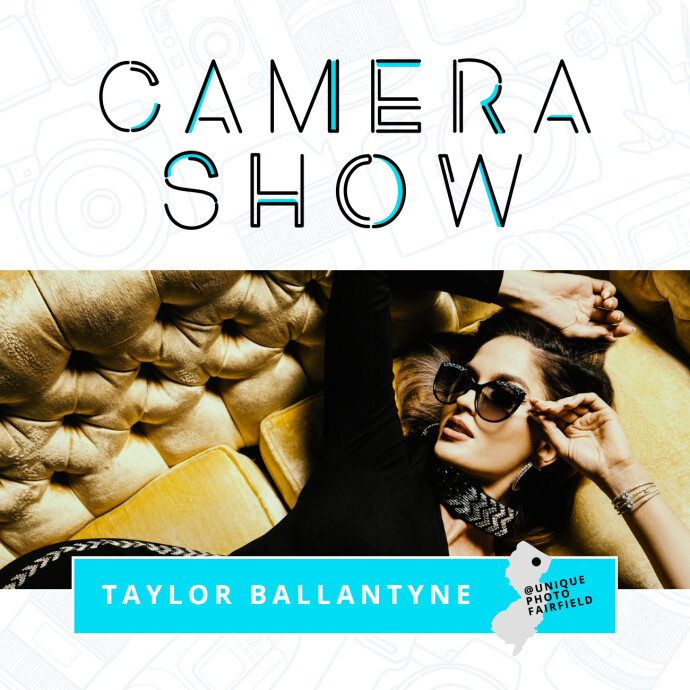
If you’re shaping social-first narratives with motion, consider hands-on learning like CS: Shooting Commercials for Social Media with Taylor Ballantyne (Sony) to sharpen pacing, hooks, and platform-native framing.
Control light fast: make the existing light work for you
In harsh sun, position your subject just inside shade for clean, directional light. Use negative fill (a black flag or coat) to add shape to faces. In dim interiors, aim for consistent color temperatures—kill mixed sources if possible. A Kupo C-stand kit makes it quick to position a bounce or flag in tight quarters without an assistant.
Anticipate action and rhythm
Feature stories often hinge on repeating beats—knead, fold, fire; cut, weld, cool; load, launch, land. Watch three cycles before committing, then place yourself where gesture and light align. Train timing and tracking skills with sports-style drills; sessions like Shooting Sports Photography with Nikon can sharpen your anticipation for decisive moments in any subject.

Capture the connective tissue
Scene-setters (wide), medium interactions, and tight details are your narrative glue. Don’t forget transitions: hands opening a door, steam from a pot, a sign swaying in wind. Overhead plates from a Kupo C-stand kit can reveal patterns—ingredients laid out, tool marks, or the choreography of a workstation.
Work quietly and ethically
Introduce yourself, explain your intent, and keep your footprint small. Offer opt-outs for sensitive moments. Maintain sightlines so you’re not blocking business or workflow. Revisit resources like Race Stories to reflect on representation, power, and consent as your story evolves.
Stay mobile and self-sufficient
Challenging locations rarely have outlets or space. Pack layered batteries, a compact rain cover, and a small toolkit (multi-bit driver, gaffer tape, Allen keys). For on-the-road feature work, inspiration and practical systems from PCS: Vanlife - Photos and Stories from the Road with Aaron Schantz can help you streamline packing, power, and data habits.
Create a repeatable field workflow
Use one card per scene or segment to simplify edits. Name files or voice-tag key moments (e.g., “interview-start,” “closing-wide”). Color-code or star in-camera for quick triage. When vertical cuts are required, dedicate brief windows at each scene change to capture portrait versions of your anchor frames.
Edit for the arc, not just the single banger
Lay down your opener and closer first, then fill the middle with connective beats. Ensure variety in focal lengths and vantage points. Books like Dislocations can inform pacing and visual echoes—motifs that recur to carry viewers through the piece.
Recommended Gear Checklist
- Support and light control in tight spaces: Kupo C-Stand Overhead Shooting Kit 1 or Kupo C-Stand Overhead Shooting Kit 3 for stable overheads, flags, and bounces in minimal footprint.
- Vertical-ready capture: SmallRig Video Head Mount Plate for Vertical Shooting 4104 to pivot quickly for mobile-first deliverables.
- Education and inspiration: CS: Shooting Commercials for Social Media with Taylor Ballantyne (Sony) for platform-savvy motion; Shooting Sports Photography with Nikon to hone timing; PCS: Vanlife - Photos and Stories from the Road with Aaron Schantz for mobile workflows; Alex Webb - Dislocations and Race Stories: Essays on the Power of Images for narrative depth and ethical grounding.
Bring It Home
Challenging locations reward patience, preparation, and a nimble kit. Build your shot arc, stay ethical and light on your feet, and let the environment’s character guide your choices. For the gear and learning that make tough places more manageable, visit Unique Photo—your partner in telling feature stories that truly resonate.