Introduction: Choosing a First Camera in 2026
For newcomers shopping for their first serious camera, the mirrorless-versus-DSLR debate still comes up often. It is an important question, but the market has shifted enough that the answer is clearer than it used to be. DSLRs built their reputation on rugged handling, strong battery life, optical viewfinders, and decades of lens availability. Mirrorless cameras, however, now lead in ease of use, autofocus technology, compact design, video capability, and long-term system relevance.
For most beginners, mirrorless is now the better place to start. Modern mirrorless bodies make learning photography easier thanks to live exposure preview, eye-detection autofocus, lighter weight, and menus designed around hybrid photo/video use. At the same time, concerns about lens selection and durability are far less serious than they once were. Strong systems from Sony, OM System, Nikon Z, Panasonic L-Mount, and others give new photographers room to grow without starting on aging DSLR platforms.
This review takes the newcomer-focused debate seriously by looking at what matters most: ease of use, durability, lens ecosystem, portability, and whether the system you buy today will still feel current years from now. To illustrate the point, a few standout mirrorless products available from Unique Photo help show why this category is increasingly the best recommendation for first-time buyers.
Why Mirrorless Is Easier for Beginners
Live Viewfinders Make Learning Faster
One of the biggest beginner advantages of mirrorless cameras is the electronic viewfinder or rear-screen live view experience. Unlike a DSLR optical finder, a mirrorless camera can show exposure, white balance, picture style, and depth-of-field effects before you take the shot. For someone learning shutter speed, aperture, and ISO, that feedback is extremely valuable. Instead of taking a photo, checking playback, and correcting mistakes, a beginner can see changes happen in real time.
This makes mirrorless cameras feel less intimidating. They shorten the trial-and-error phase and help users understand cause and effect more quickly than many DSLRs ever did.
Autofocus Is More Forgiving
Modern mirrorless autofocus is another major reason beginners adapt quickly. Features like face detection, eye detection, subject tracking, and intelligent AF recognition reduce missed shots. A newcomer photographing family, pets, travel, or street scenes can get sharp images more consistently without mastering traditional focus-point techniques right away.
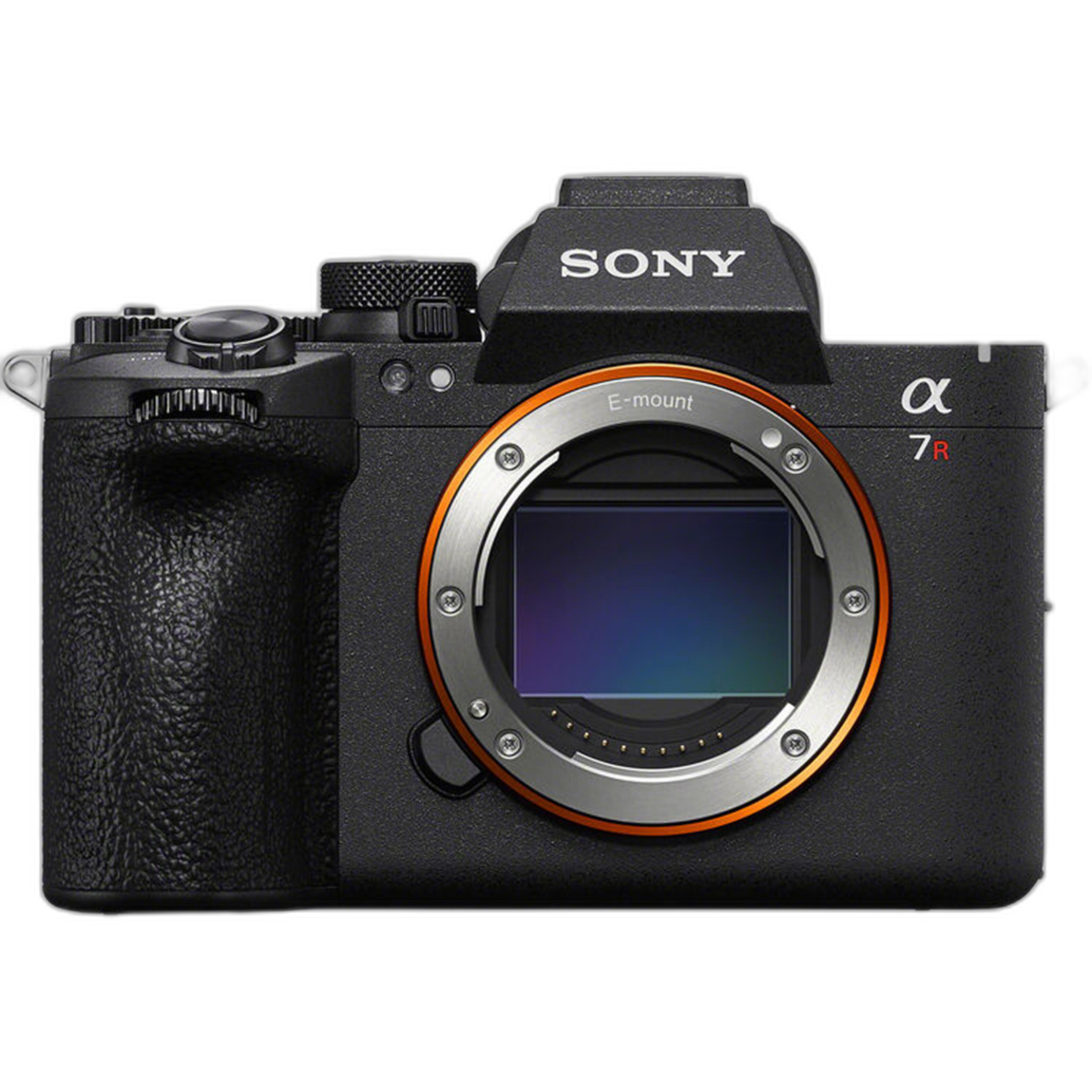
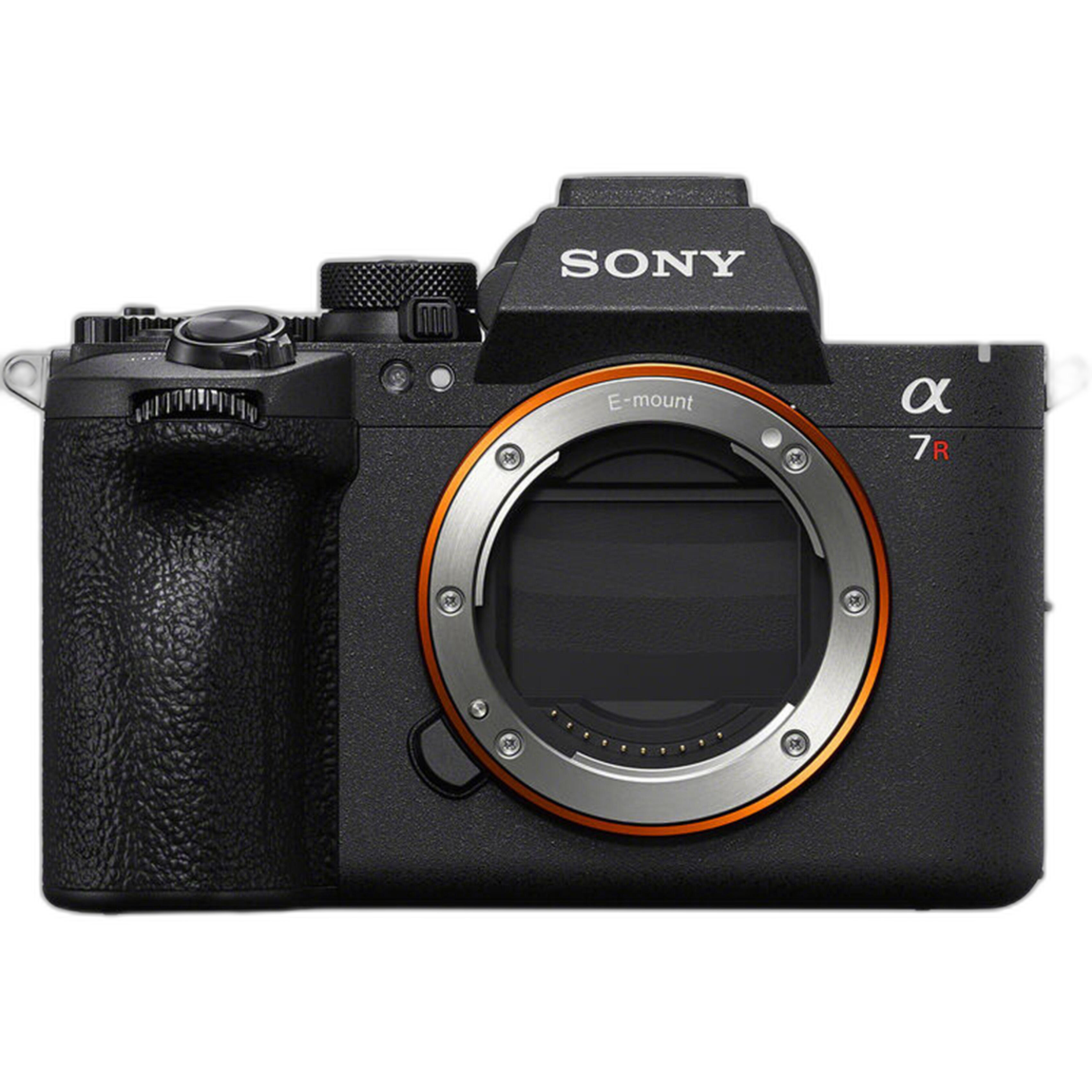
The Sony a7R VI Mirrorless Camera represents the cutting edge of this mirrorless advantage. While it is far more advanced than what most beginners need, it demonstrates where the industry is heading: smarter autofocus, better real-time feedback, and shooting tools that help users succeed faster.
Durability: DSLRs Still Feel Tough, but Mirrorless Has Caught Up
DSLRs Earned Their Reputation Honestly
It is fair to say that DSLRs built trust through rugged bodies, reliable battery life, and a no-nonsense shooting experience. Many photographers still associate DSLRs with durability because pro DSLR systems were workhorses in journalism, sports, weddings, and field use for years.
Mirrorless Bodies Are No Longer Fragile Alternatives
That said, today’s mirrorless cameras are not delicate beginner gadgets. Weather sealing, magnesium-alloy construction, in-body stabilization, and dependable shutter systems are common across midrange and premium models. For travel, outdoor photography, and daily use, many mirrorless bodies are more than durable enough.
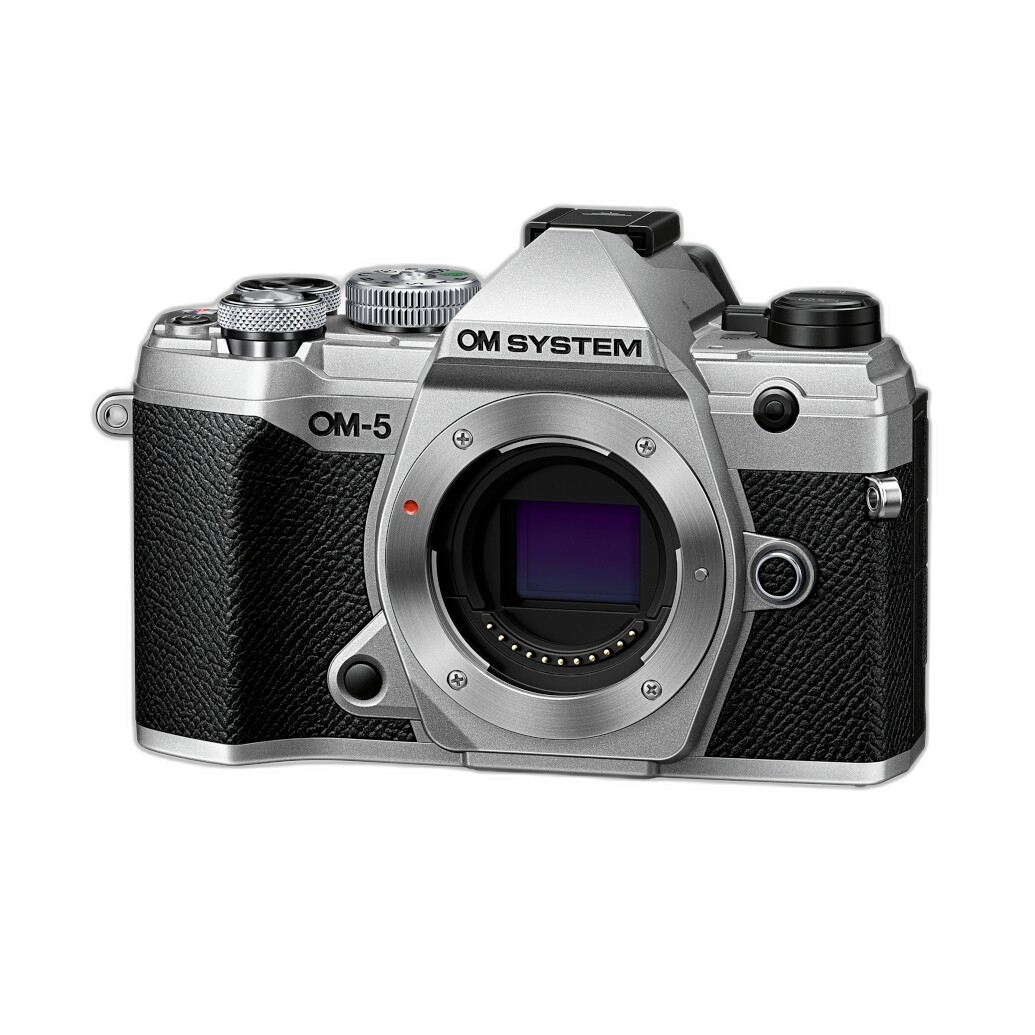
The OM SYSTEM OM-5 Mirrorless Camera is a good example of why mirrorless durability should not be underestimated. OM System has built a strong reputation around portable, outdoor-friendly camera bodies, making the OM-5 especially appealing to beginners who want something compact but adventure-ready. It challenges the old assumption that a “serious” camera has to be large and DSLR-shaped to survive real-world use.
Smaller Size Can Be a Durability Advantage Too
There is another practical angle here: beginners often use the camera they are willing to carry. A smaller mirrorless setup is less likely to be left at home, and that matters. A tough DSLR does no good if its size and weight make it inconvenient. Compact systems encourage more shooting, which means more learning.
Lens Availability: DSLRs Have History, Mirrorless Has Momentum
DSLR Systems Still Offer Huge Used Lens Markets
If the discussion is strictly about legacy lens availability, DSLR systems still have an advantage. Canon EF and Nikon F mount lenses have been around for decades, and the used market is deep. For budget-conscious photographers who enjoy shopping older glass, that can be appealing.
Mirrorless Lens Ecosystems Are Now Broad and Mature
But for most newcomers, the concern that mirrorless lacks lenses is outdated. Sony E-mount, Nikon Z, Canon RF, Micro Four Thirds, and L-Mount now offer wide native lens lineups, including beginner-friendly zooms, compact primes, premium glass, and third-party options.
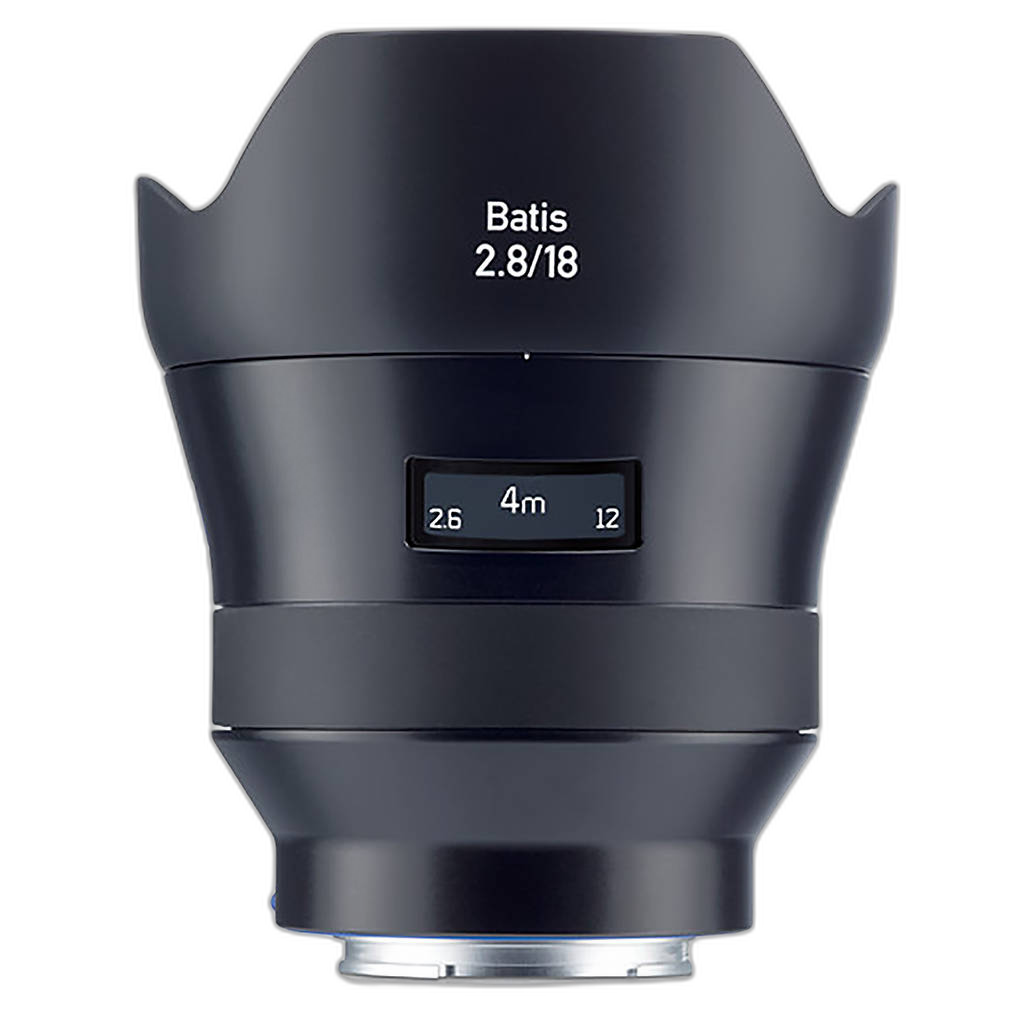
The Zeiss Batis 18mm f/2.8 AF lens for Sony Full Frame E-Mount Cameras is a perfect example of how mature mirrorless ecosystems have become. This is not just a utilitarian starter lens; it is a specialized, premium ultra-wide option that shows how deep the Sony E-mount world now runs. For a beginner, that matters because it means starting with mirrorless does not limit future growth. You can begin simple and expand into landscape, architecture, travel, portraits, or video without changing systems.
Adapters Help, but Native Lenses Are Better for Beginners
Some people point to lens adapters as a reason to keep DSLR gear relevant. Adapting older DSLR lenses to mirrorless bodies can work well, but beginners are usually better served by native mirrorless lenses. Native lenses tend to be more seamless in autofocus behavior, size balance, and firmware integration. In other words, the beginner experience is usually smoother when the camera and lens were designed together.
Long-Term Relevance: This Is Where Mirrorless Wins Decisively
New Development Is Centered on Mirrorless
The biggest practical argument for mirrorless is not just that it is easier today; it is that it is where the camera industry is still actively innovating. New autofocus systems, video features, computational tools, and lens development are overwhelmingly focused on mirrorless platforms. DSLR systems remain capable, but most are no longer where brands are placing their future emphasis.
A Better System to Grow Into
For a beginner, buying into a system is not only about the first camera body. It is about what lenses, accessories, support, and upgrade paths will look like in three to five years. Mirrorless systems are simply better positioned for that future. Starting there means less chance of hitting a dead end later.
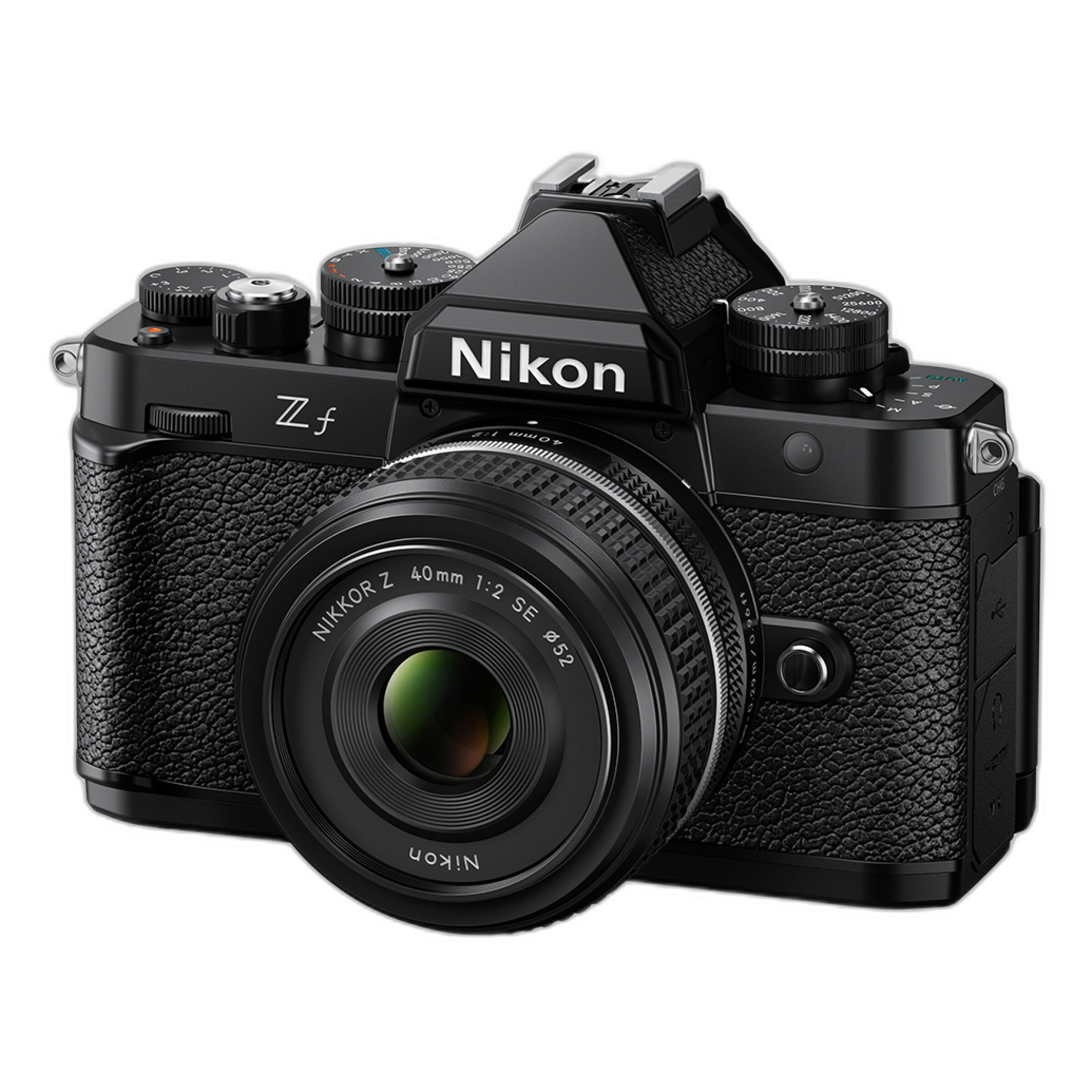
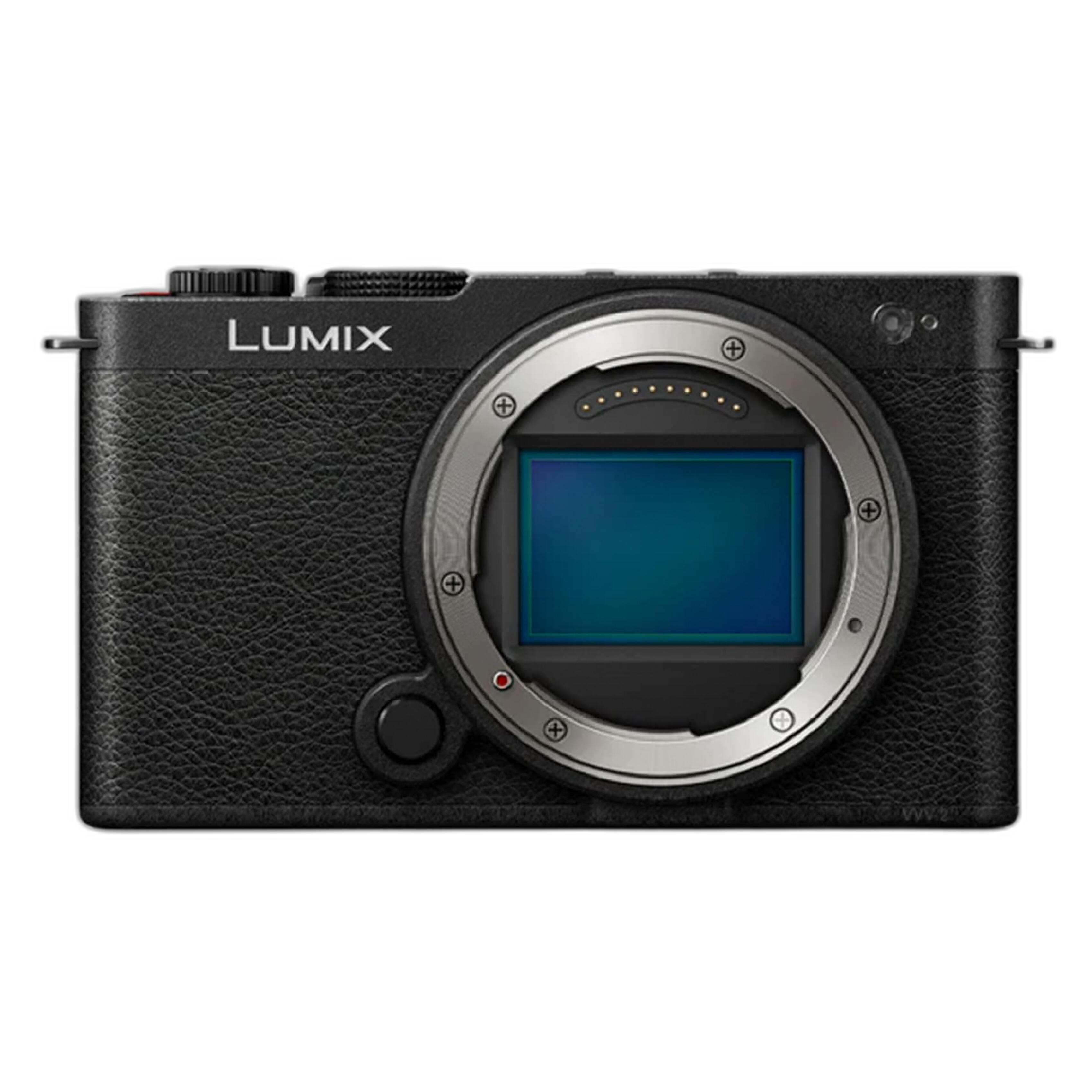
The availability of both premium new models and attractive used options strengthens this case. For example, the Used Nikon Zf Mirrorless Camera with 40mm f/2 SE Lens offers beginners a stylish entry into Nikon’s modern Z system, while the Used Panasonic LUMIX S9 Mirrorless Camera reflects how mirrorless users can also find value in the pre-owned market without stepping back into discontinued DSLR ecosystems.
Practical Beginner Benefits Beyond the Camera Body
Mirrorless Systems Encourage Learning
Another overlooked advantage of mirrorless is the educational ecosystem around it. Because mirrorless menus, autofocus systems, and customization can be more advanced, good support matters. Beginners benefit from retailers and educators that help them understand not just what to buy, but how to use it.
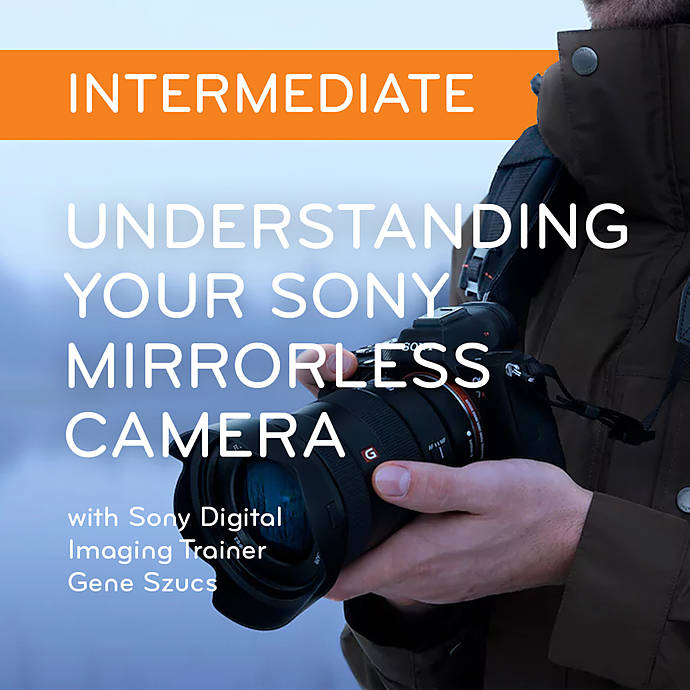
That is where a class like Understanding Your Sony Mirrorless Camera: Intermediate becomes relevant. It reflects a larger truth: mirrorless is now mainstream enough that structured learning resources are built around it. For a new photographer, that support can dramatically improve confidence and results.
Portability Improves the Ownership Experience
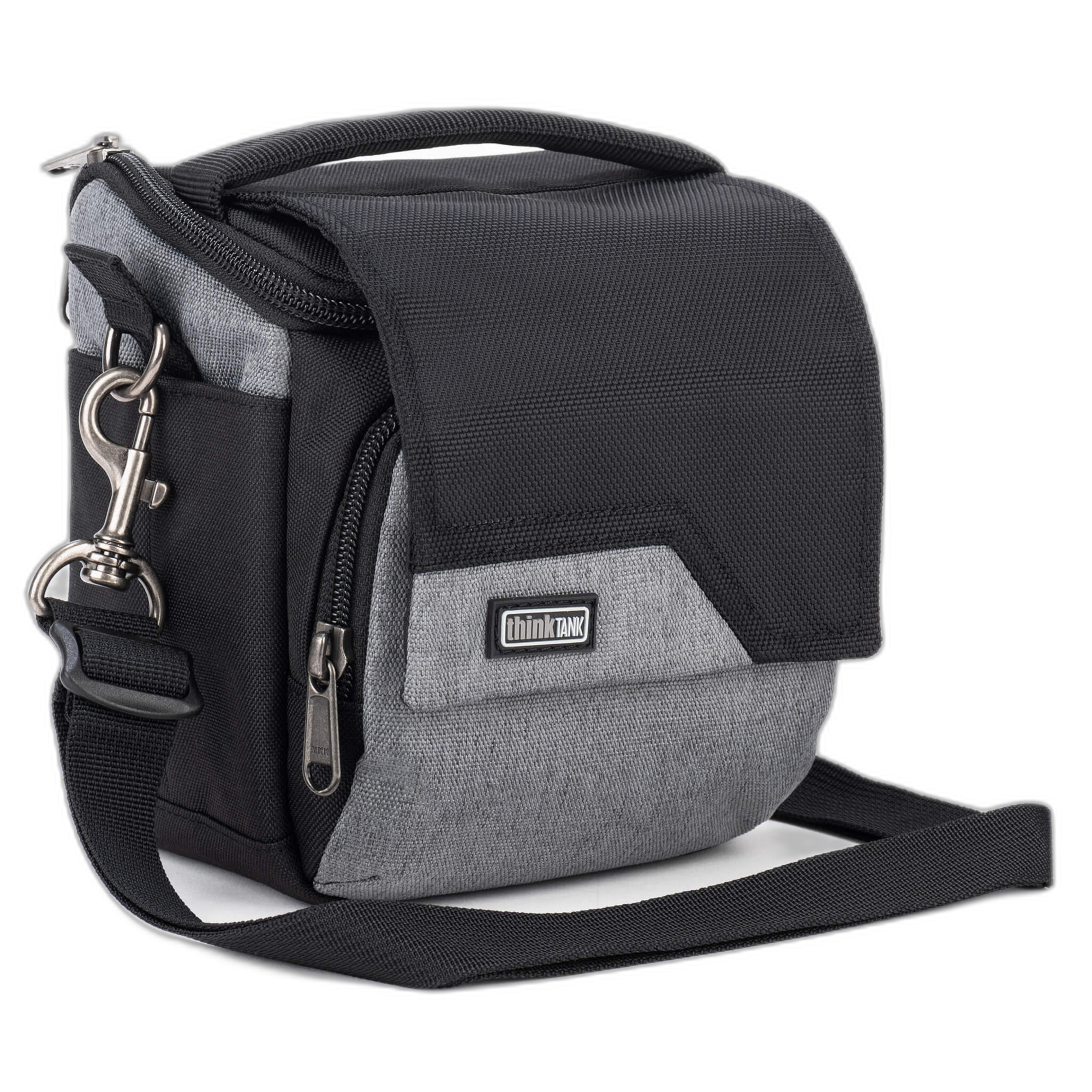
Mirrorless systems also make it easier to build a compact kit. A smaller camera bag like the Think Tank V2 Mirrorless Mover 10 Cool Grey reinforces the point that modern camera ownership can be lightweight and practical. For newcomers, this lowers the friction of carrying gear regularly, which often matters more than theoretical advantages on a spec sheet.
Pros and Cons of Mirrorless vs. DSLR for Newcomers
Pros of Mirrorless for Beginners
- Live exposure preview makes learning easier
- Excellent autofocus with face and eye detection
- Smaller, lighter bodies are easier to carry
- Strong video features for hybrid creators
- Modern lens ecosystems continue to expand
- Better long-term relevance as brands prioritize mirrorless development
- Advanced features help beginners get better results faster
Cons of Mirrorless for Beginners
- Battery life may be shorter than many DSLRs
- Menus and customization can feel complex at first
- Some premium mirrorless lenses and bodies can be expensive
- Beginners may be tempted to overspend on advanced models
Pros of DSLR for Beginners
- Strong battery life
- Excellent used deals on older bodies and lenses
- Optical viewfinders appeal to traditional shooters
- Many models have straightforward handling
Cons of DSLR for Beginners
- Less future-facing as systems age out of active development
- Heavier and bulkier overall kits
- Live view and video AF often lag behind mirrorless
- Learning exposure can be slower without real-time preview
- Fewer compelling long-term upgrade paths compared to modern mirrorless systems
Verdict: Beginners Should Usually Choose Mirrorless
For most first-time camera buyers, mirrorless is the smarter investment. DSLRs still have genuine strengths, especially in battery life, used-market value, and traditional handling. But the advantages that matter most to beginners today—ease of use, autofocus confidence, portability, and long-term system relevance—favor mirrorless clearly.
If you are new to photography and want a system that will help you learn faster and grow further, mirrorless is the category to prioritize. Models like the OM SYSTEM OM-5 show that compact can still be durable, cameras like the Sony a7R VI show how advanced the platform has become, and lens options like the Zeiss Batis 18mm prove that mirrorless ecosystems are already mature enough for serious creative expansion.
For shoppers deciding where to buy, Unique Photo is an excellent place to explore new and used mirrorless cameras, lenses, bags, and educational resources. That combination of gear selection and learning support makes a real difference for beginners trying to make the right first choice.