Entering Photo Contests: Which Market Makes the Most Sense?
Photographers regularly debate whether entering contests is worth it at all, but the better question is often which kind of contest is worth your time. The experience can vary dramatically between local community competitions, niche genre contests, major international awards, and brand- or media-sponsored calls for entries. Each market offers a different mix of reputability, exposure, entry costs, and realistic chances of success.
This comparison breaks down the pros and cons of the main contest markets photographers discuss most often, with practical advice on where each type fits. If your goal is résumé-building, audience growth, print sales, networking, or simply motivation, choosing the right contest category matters more than entering the highest-profile one.
Side-by-Side Comparison of Photo Contest Markets
| Contest Market | Typical Reputability | Exposure Potential | Entry Fees | Likelihood of Success | Best For |
|---|---|---|---|---|---|
| Local & Regional Contests | Varies, often transparent and community-based | Modest but targeted | Low to moderate | Relatively high | Beginners, local pros, portfolio building |
| Niche Genre Contests | Often strong if run by respected organizations | Good within a specialized audience | Moderate | Moderate | Wildlife, landscape, street, macro, documentary specialists |
| Major International Awards | Highest when established and juried well | Very high | Moderate to high | Low | Advanced photographers seeking recognition |
| Brand- or Media-Sponsored Contests | Mixed; depends on rules and sponsor credibility | Can be very strong on social and editorial channels | Often free or low | Moderate to low | Exposure-focused creators and emerging photographers |
| Pay-to-Play Gallery/"Award" Programs | Often questionable | Usually overstated | High relative to value | Artificially high acceptance rates | Rarely recommended |
How Contest Reputability Compares
Local and Regional Contests
These are frequently the safest place to start. Community arts councils, camera clubs, universities, local magazines, and regional festivals often publish clear rules, identify judges, and explain how work will be shown. While they may not transform your career overnight, they tend to offer legitimate recognition with fewer red flags.
The downside is that prestige is limited. Winning a county fair or city arts contest can be meaningful, but it usually carries less weight than a respected national or international juried award. Still, many photographers underestimate how useful these contests are for building confidence and exhibition history.
Niche Genre Contests
If your work has a clear specialty, niche contests can be more valuable than broad “best photo” competitions. A serious landscape, macro, wildlife, or documentary contest often attracts judges who actually understand the craft and can appreciate the intent behind the work. That makes the results feel more credible.
This approach is especially useful when your images fit a recognizable subject area. For example, photographers developing nature and macro work often benefit more from targeted communities and educational environments than from broad general-entry contests.

Major International Awards
These contests generate the most debate because they combine the greatest upside with the longest odds. If the organization is established, the jury is respected, and past winners have gone on to real opportunities, these contests can offer meaningful visibility. A shortlist or honorable mention may have real résumé value.
But many photographers go in with unrealistic expectations. Even excellent work can disappear in a huge entry pool. Success may depend on timing, category fit, current visual trends, and how your images read in rapid jury review. The contest may be reputable and still not be a practical investment for every photographer.
Brand- and Media-Sponsored Contests
These can be worthwhile, particularly when the sponsor has a strong audience and actually features finalists. Exposure here is often less about prestige and more about reach. You might gain social traction, publication, or industry attention even without winning first place.
The caution is that some of these promotions are primarily marketing campaigns. Before entering, check whether the organizer keeps broad usage rights, whether judging is transparent, and whether the “prize” is genuinely useful.
Pay-to-Play Programs
This is where experienced photographers tend to warn others away. If nearly everyone becomes a “finalist,” if fees stack up at every stage, or if the language sounds more flattering than selective, the program may be monetizing hope rather than recognizing excellence. A contest is not reputable just because it uses words like international, curator, or award.
As a rule, if the organizer cannot clearly explain judging, rights, deliverables, and past winners’ outcomes, skepticism is justified.
Exposure: Broad Reach vs. Relevant Reach
Local Exposure Can Be More Actionable
One of the strongest arguments for local and regional contests is that the exposure is often more relevant. A small win in your own market can lead to local press, client inquiries, gallery introductions, or teaching opportunities. Those outcomes are sometimes more useful than being one name in a giant international finalist list.
Niche Exposure Builds the Right Audience
Niche contests may not produce mass visibility, but they can put your work in front of editors, brands, and peers who care about exactly what you shoot. For many photographers, that is the better form of exposure. Recognition from the right audience is often more valuable than attention from a large but indifferent one.
International Exposure Is Real but Rare
The upside of big awards is obvious: broad recognition, stronger portfolio credibility, and possible licensing or publishing opportunities. The catch is that the majority of entrants receive no visibility at all. If the contest only meaningfully promotes the top few winners, your practical odds of getting noticed may be extremely slim.

Entry Fees: Investment or Drain?
When Fees Are Reasonable
Entry fees are not automatically a red flag. Running a juried contest costs money, especially when there are exhibitions, printed materials, administrative staff, or substantial prizes. A reasonable fee with transparent benefits can be perfectly fair.
When Fees Become a Problem
The concern is cumulative cost. Many photographers submit to multiple categories, multiple contests, and multiple rounds of add-on fees. Over time, that money can easily exceed the value of the opportunities. Before entering, ask yourself whether the same budget would produce more growth if spent on printing, education, travel, or portfolio refinement.
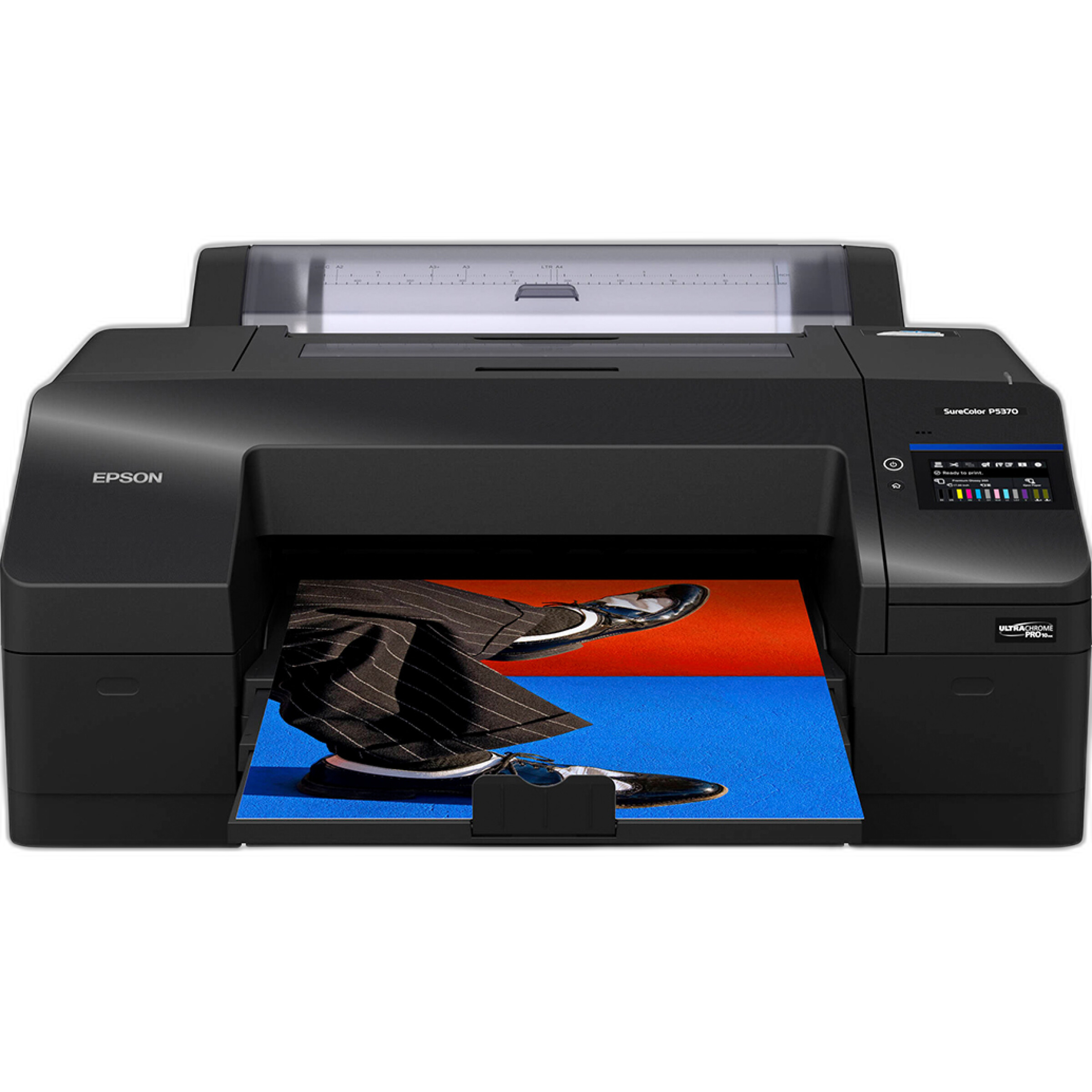
For instance, for some photographers, investing in presentation tools and output quality may offer longer-term benefits than chasing another uncertain entry. A strong print can matter as much as a strong file.
Your Chances of Success by Market
Best Odds: Local and Smaller Niche Contests
If your goal is to start earning placements, these are usually the most realistic options. Smaller pools, more focused judging, and stronger category alignment work in your favor. Winning here may not carry maximum prestige, but it can create momentum.
Most Competitive: International Awards
These contests are often full of highly polished work from photographers with deep experience, strong editing skills, and established project narratives. Entering can still be worthwhile, but only if you understand that “not placing” may say very little about your work.
Most Unpredictable: Sponsored Social Contests
Some are juried thoughtfully; others reward trend alignment, voting mechanics, or social reach. They can be useful for visibility, but they are not always the best measure of photographic quality.
What to Check Before You Enter Any Contest
Rights and Usage
Read the terms carefully. A good contest should not require perpetual, unrestricted commercial rights to every submission. Reasonable promotional usage tied to the contest is common; sweeping ownership language is not.
Judges and Criteria
Named judges, clear criteria, and visible past winners are all positive signs. Vague judging language usually means less accountability.
Prize Structure
Ask whether the prizes are meaningful. Cash, exhibition, publication, mentorship, travel support, or legitimate gear can be valuable. “Exposure” alone is not always enough, especially when fees are high.
Fit With Your Work
Many failed entries are simply poor category fits. A thoughtful project entered into the wrong competition has little chance, no matter how strong it is.

Our Pick
Best overall strategy: prioritize reputable local/regional and niche genre contests first, then selectively enter major international awards.
This is the most balanced path for most photographers. Local and niche contests usually offer the best combination of fair odds, manageable fees, relevant exposure, and useful résumé value. Once you have stronger editing discipline, clearer project direction, and a better sense of where your work fits, adding a few top-tier international contests becomes a smarter gamble.
If you are choosing only one lane, avoid questionable pay-to-play programs and put your budget toward contests with transparent judging and a real audience. In many cases, a smaller credible win is more valuable than a big-name submission that goes nowhere.
Conclusion
Photo contests can absolutely be worthwhile, but only when photographers treat them as targeted opportunities rather than lottery tickets. The strongest advice across markets is consistent: research the organizer, read the rights terms, understand the audience, and match your goals to the type of contest. Prestige, exposure, cost, and success rate rarely peak in the same place, so the best contest is the one that aligns with what you actually want next from your photography.
Whether you are refining your portfolio, preparing exhibition-quality prints, or building skills through workshops and events, Unique Photo offers the tools and learning resources to help you present your work with confidence.