Film photography continues to attract photographers who want a slower, more intentional process and a distinct visual character that digital can only imitate. One of the first choices every film shooter makes is whether to load color film or black and white film. While both formats reward careful technique, they behave differently in exposure, contrast, lighting, and subject selection.
At Unique Photo, many photographers ask the same question: is color film or black and white film easier to shoot? The real answer is that each has its own strengths. Understanding how they respond to light and how to meter for each can help you get better negatives and more consistent results.
Color Film vs. Black and White Film: What Is the Main Difference?
The biggest practical difference between shooting color film and black and white film is how each records a scene. Color film captures hue, saturation, and color relationships, while black and white film reduces the image to tones, contrast, texture, and shape. That means your approach to composition and exposure should change depending on the film you are using.
With color film, distracting colors in the background can pull attention away from your subject. With black and white film, those same elements may become less important if their tonal values blend smoothly into the frame. In other words, color film asks you to think in terms of color harmony, while black and white film asks you to think in terms of light and shadow.
How to Meter Color Film for Better Results
When shooting color film, exposure latitude matters. Most modern color negative films are forgiving, especially when slightly overexposed. Many photographers rate color negative film a bit slower than box speed to get richer shadows and smoother tonality. For example, a 400-speed color negative film may be exposed at ISO 200 or 320 depending on the look you want.
If you are shooting slide film, however, exposure becomes much less forgiving. Highlights can clip quickly, so accurate metering is critical. In bright daylight or high-contrast scenes, meter carefully for the important highlights and avoid guessing.
Useful tips for metering color film include:
- Favor slight overexposure for color negative film.
- Be more exact with slide film, especially in bright sun.
- Watch for color casts from mixed lighting.
- Use consistent light sources when possible.
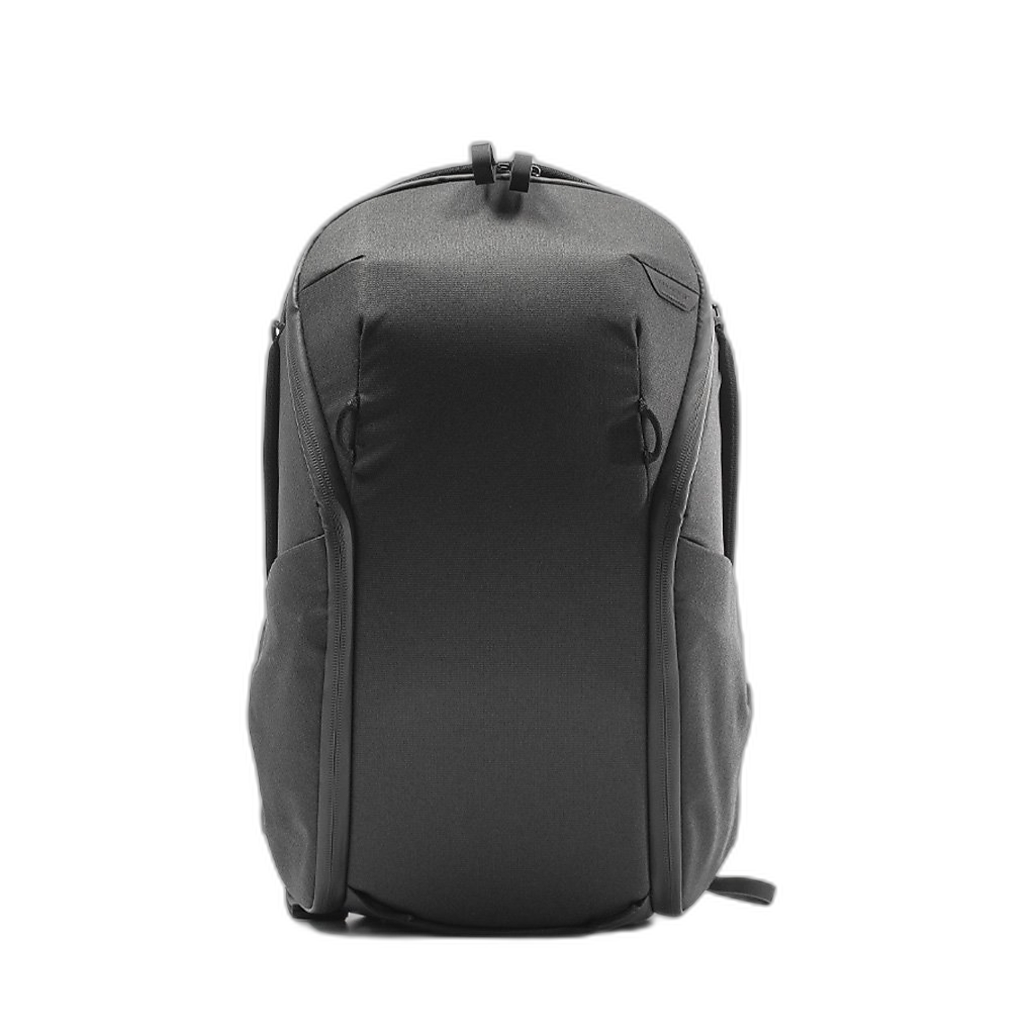
Many film photographers carrying multiple cameras or rolls prefer a well-organized bag setup so film stocks stay separate and easy to access during a shoot. A practical option from Unique Photo is the Peak Design Everyday Backpack 20L Zip - Black, which works well for carrying a film body, lenses, notebooks, and extra rolls.
How to Expose Black and White Film Properly
Black and white film often gives photographers more creative flexibility because tone is the entire image. Small exposure changes can dramatically affect shadow detail, highlight separation, and grain. Unlike color, where accurate hues matter, black and white depends on how the tonal scale is rendered.
A common approach is to meter for the shadows and develop for the highlights, especially if you process your own film. If you rely on lab processing, you should still pay close attention to contrasty scenes because deep shadows can disappear if underexposed.
Key black and white exposure tips:
- Protect important shadow detail by avoiding severe underexposure.
- Use contrast intentionally; black and white thrives on dramatic light.
- Learn how your preferred film stock handles overexposure and pushing.
- Think about the final print or scan while exposing.
Black and white film can look especially striking in harsh sunlight, fog, overcast weather, or scenes with strong texture like brick, skin, metal, and fabric. Once you stop thinking about color, you begin to notice form, pattern, and tonal transitions much more clearly.
Best Lighting Conditions for Color Film vs. Black and White Film
Lighting affects both film types, but in very different ways. Color film usually shines in light that complements the palette of the scene. Golden hour, open shade, and balanced daylight often produce pleasing tones and natural-looking skin. If the light has an odd tint, color film can exaggerate it.
Black and white film often benefits from stronger contrast. Midday sun that may feel too harsh for color portraits can work beautifully in monochrome if you want bold shadows and graphic shapes. Likewise, cloudy conditions that mute color can produce elegant grayscale images with soft transitions.
Try these pairings:
- Use color film for sunsets, street scenes with neon, fashion, and landscapes with rich seasonal tones.
- Use black and white film for architecture, documentary work, portraits with dramatic light, and minimalist compositions.
How Composition Changes Between Color and Black & White Film
Composition is not just about where you place your subject. It is also about what visual information supports or distracts from the image. In color film, a bright red sign, blue jacket, or green background can become a major compositional element. In black and white, those colors may render as similar gray values, so separation depends more on brightness contrast than hue contrast.
When shooting color film, ask yourself:
- Do the colors support the mood?
- Is there a distracting color in the background?
- Are skin tones and environmental colors working together?
When shooting black and white film, ask instead:
- Is there enough tonal contrast to separate the subject?
- Do lines, shadows, and textures carry the frame?
- Will the scene still be interesting without color?
This shift in seeing is one of the most rewarding parts of film photography. Many photographers begin by shooting black and white to learn light more deeply, then move into color with a stronger sense of visual structure.
Should You Push or Pull Color Film and Black and White Film?
Pushing and pulling film can change both look and mood, but the results differ by format. Black and white film is generally more flexible for pushing, often producing attractive grain and stronger contrast. This makes it a favorite for low-light street photography, documentary work, and gritty portraiture.
Color negative film can also be pushed, but the results may include increased grain, stronger contrast, and shifts in color balance. That can be a creative advantage, but it is less predictable. Slide film is even less tolerant, so pushing should be approached carefully.
If you are experimenting:
- Keep notes on film stock, meter reading, and development instructions.
- Commit to the push or pull for the entire roll.
- Tell your lab exactly how the roll should be processed.
Filters, Contrast, and Creative Tools for Film Photography
Filters can influence both color and black and white film, though their uses differ. In black and white photography, yellow, orange, red, and green filters can dramatically alter contrast between skies, foliage, and skin. In color photography, filters are often used more subtly for atmosphere, correction, or diffusion.
For photographers who want a softer cinematic rendering, diffusion tools can add personality to film images. Unique Photo carries accessories like the B and W 58mm BLACK MIST 1 MRC nano, which can help create a gentler highlight roll-off and reduced digital-like sharpness when paired with compatible lenses and cameras.
Film Storage, Travel, and Organization Tips
Whether you are shooting color or black and white film, proper storage matters. Film should be kept cool and dry, and labeled clearly if you are carrying multiple stocks. This becomes especially important when you are switching between ISO ratings or assigning different film stocks for different lighting conditions.
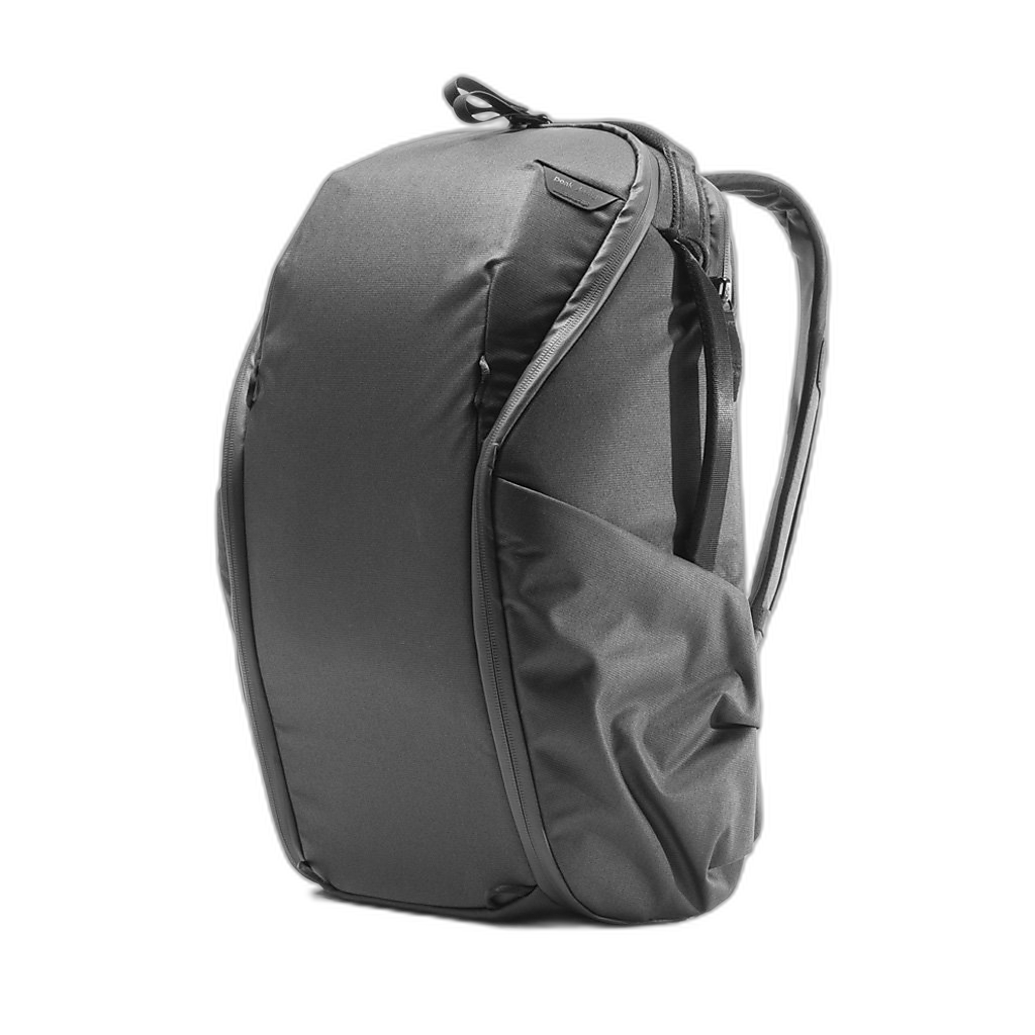
A dedicated camera bag helps keep exposed and unexposed rolls separate. The Peak Design Everyday Backpack 20L Zip - Black is a useful everyday option for photographers who want to organize film, light meters, compact cameras, and accessories for day trips or longer sessions.
After processing, storage becomes part of the creative workflow too. If you make prints from your negatives, preserving them in albums can be a satisfying way to archive your work. The Pioneer TS-246 Oxford Brass Corner Photo Album is the kind of classic photo accessory many film photographers appreciate for keeping favorite 4x6 prints organized.
Printing and Archiving Your Film Photos
One of the joys of film photography is creating a physical final image. Color prints and black and white prints each have a different presence, and many photographers find that printing reveals strengths and weaknesses not always obvious on screen.
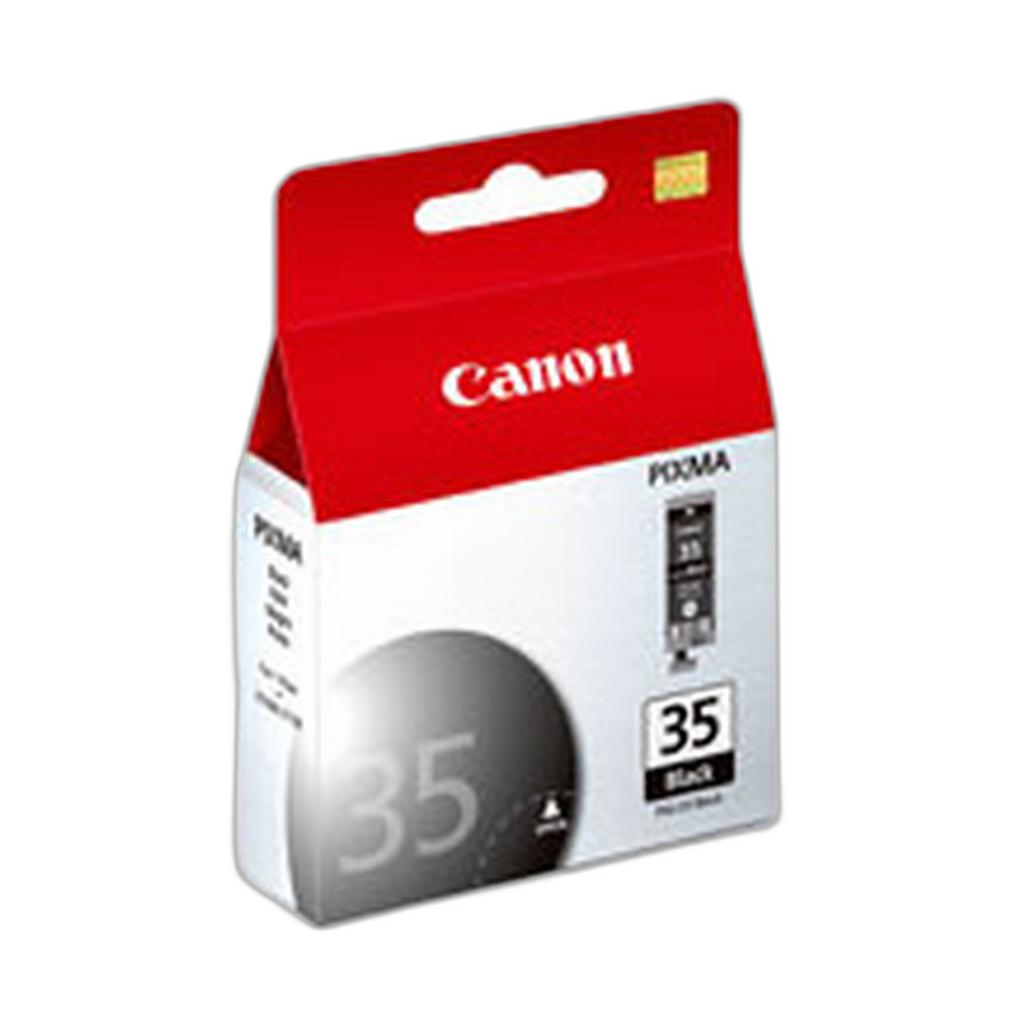
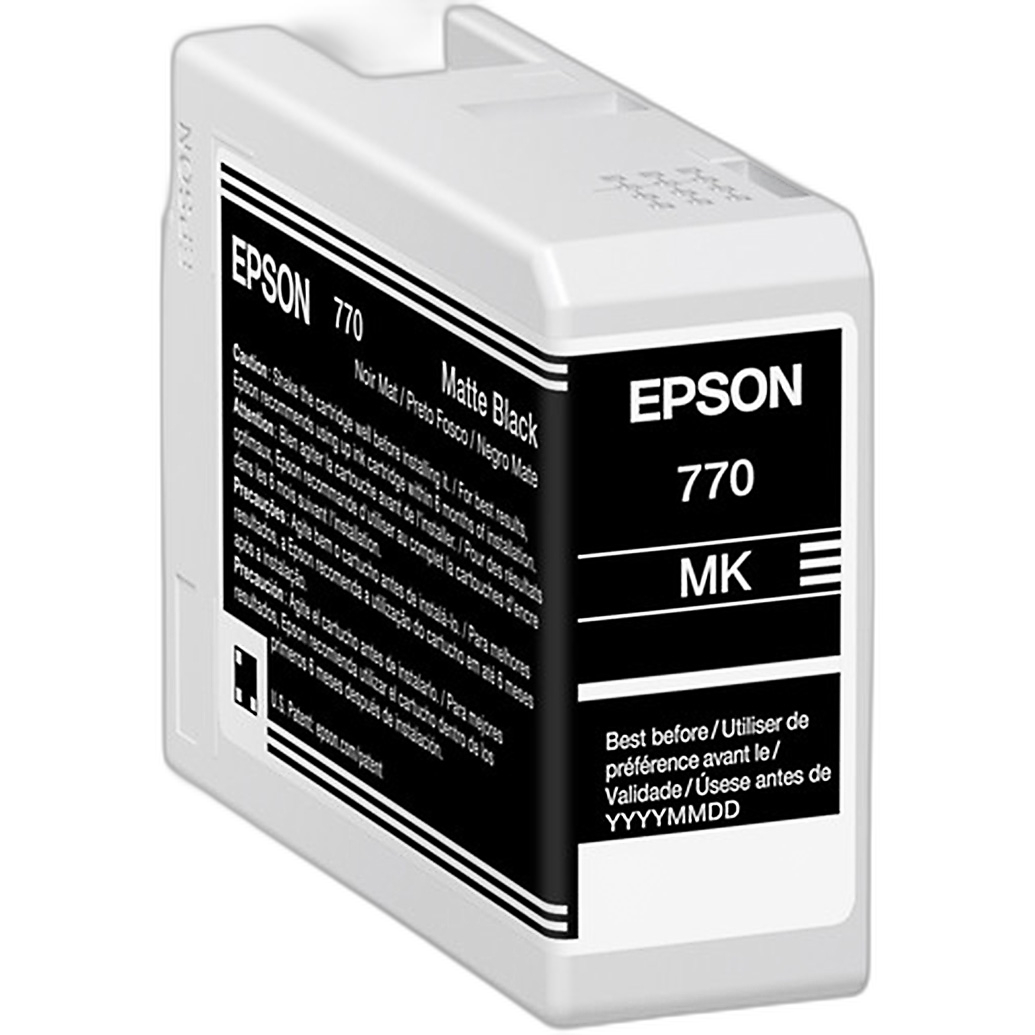
If you print scans or contact sheets at home, supplies matter. Unique Photo also carries printer consumables like the Canon PGI-35 Black Ink Cartridge and Epson Ultrachrome PRO10 Matte Black Ink Cartridge, both relevant for photographers building a home print and archive workflow.
Which Is Better for Beginners: Color Film or Black and White Film?
For beginners, neither format is automatically better. It depends on what you want to learn first.
Choose color film if you want to:
- Capture everyday life with natural-looking results
- Learn how color affects mood and composition
- Shoot travel, family, and outdoor scenes
Choose black and white film if you want to:
- Understand light, shadow, and contrast more deeply
- Experiment with grain and classic film aesthetics
- Shoot expressive portraits, architecture, or street photography
Many photographers eventually use both. Color helps you tell one kind of story; black and white helps you tell another. The best approach is to test both intentionally and compare your results.
Final Thoughts on Shooting Color Film vs. Black and White Film
Shooting color film versus black and white film is not just a technical decision. It is a creative choice that affects how you see, meter, compose, and print your photographs. Color film rewards attention to palette and lighting quality, while black and white film emphasizes texture, form, and tonal contrast.
At Unique Photo, photographers can explore tools and accessories that support every part of the film workflow, from carrying gear in the field to printing and preserving final images. If you are building out your setup, consider browsing related categories such as camera bags, film accessories, printing supplies, and archival storage solutions.
For internal linking opportunities, this post pairs naturally with guides on film scanning tips, how to store film negatives, best camera bags for film photographers, and beginner darkroom and home printing essentials.