Wedding coverage is one of the most demanding assignments in photography and video production. The gear has to perform in dim churches, fast-moving receptions, unpredictable weather, and emotionally important once-in-a-lifetime moments. That is why the long-running debate between mirrorless cameras and traditional camcorders remains relevant: one side prioritizes cinematic image quality and lens flexibility, while the other values reliability, continuous recording, and streamlined event workflow.
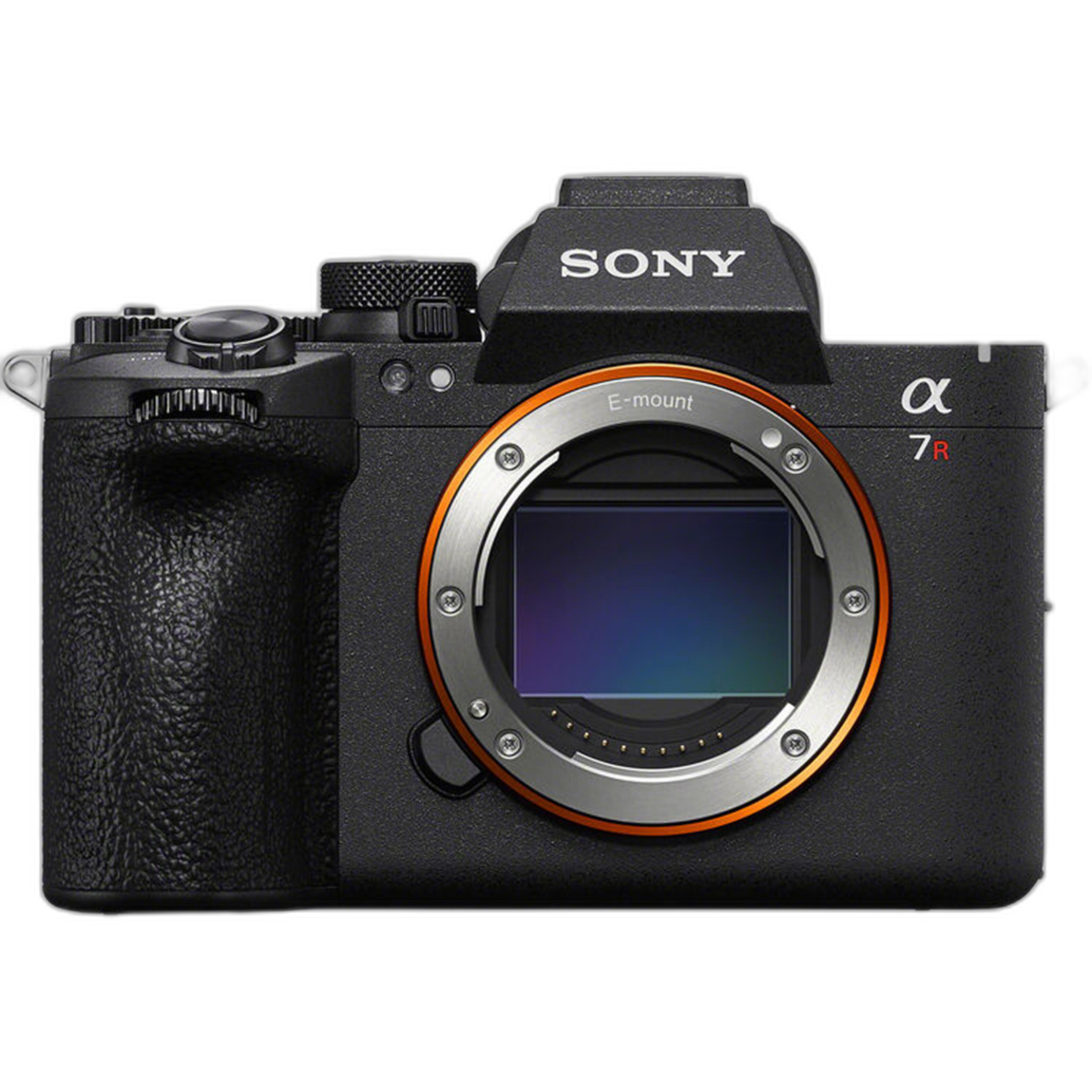
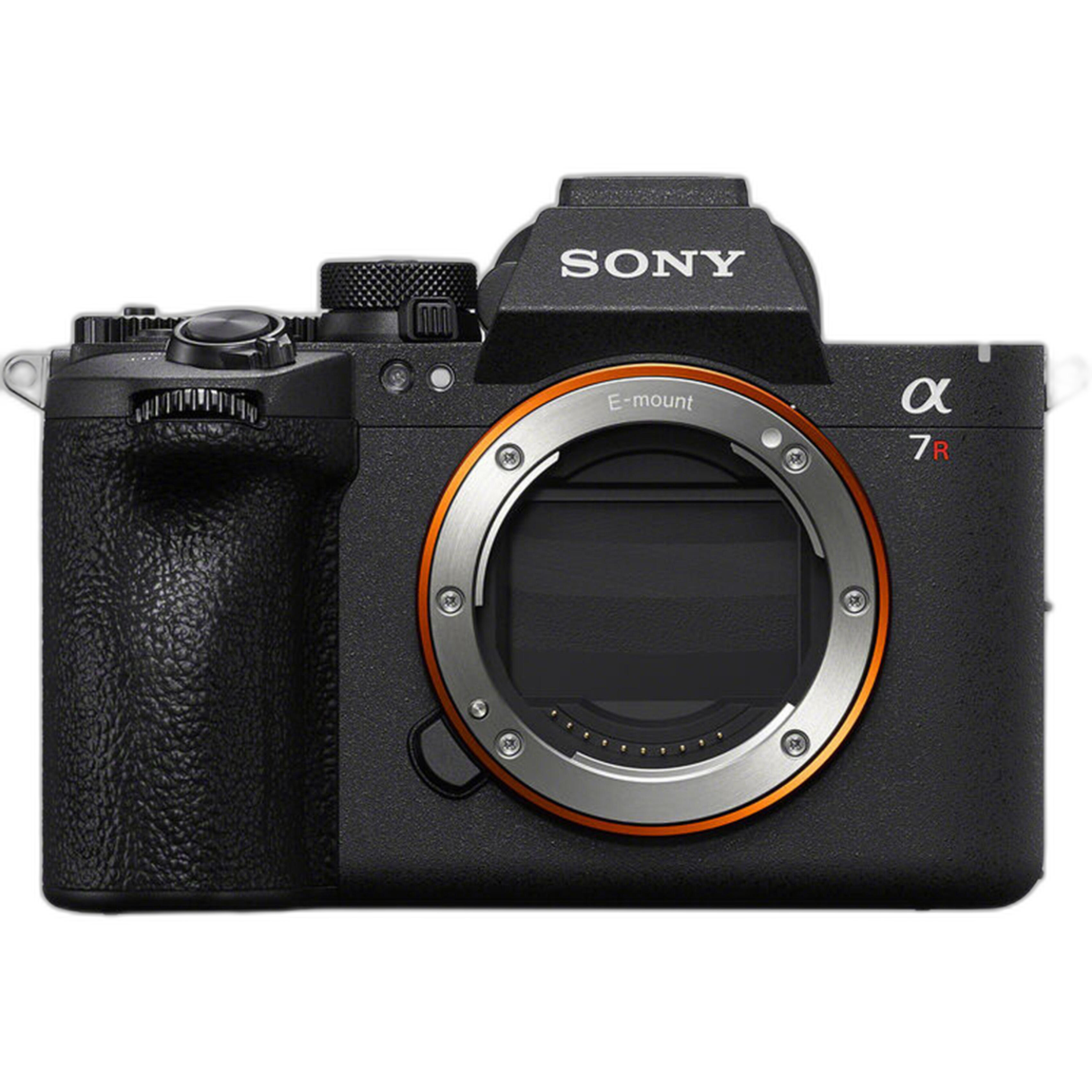
For many modern wedding professionals, mirrorless cameras have become the centerpiece of hybrid coverage because they deliver exceptional stills and highly polished video in a compact package. Models such as the Sony a7R VI Mirrorless Camera and the OM SYSTEM OM-5 represent the strengths of the category, while lens options like the Zeiss Batis 18mm f/2.8 AF for Sony E-mount help build a versatile wedding kit. Still, camcorders continue to make a strong case when long-form ceremonies, uninterrupted speeches, and efficient solo-operator workflows matter most.
This review takes a practical wedding-shooter perspective: not just which tool looks best on paper, but which one makes the day easier, safer, and more profitable. If you are deciding where to invest, Unique Photo is an excellent place to buy mirrorless camera bodies, lenses, and accessories for building a wedding-ready system.
Product Positioning: Why Mirrorless Dominates the Conversation
Mirrorless cameras sit at the center of the modern wedding market because they bridge two worlds. They can create premium still photography with shallow depth of field, strong low-light performance, and fast autofocus, while also serving as capable video cameras for highlight films, social clips, and documentary coverage. For photographers who increasingly need to deliver both photos and video, that flexibility is a major advantage over camcorders.
The Sony a7R VI represents the high-end mirrorless approach: top-tier image quality, full-frame rendering, advanced autofocus, and compatibility with premium optics. By comparison, the OM SYSTEM OM-5 shows why smaller mirrorless bodies still matter for weddings, especially for travel, backup-camera use, and lightweight gimbal or handheld shooting. These cameras are not camcorder replacements in every scenario, but they do cover a broad range of wedding needs with more artistic control.
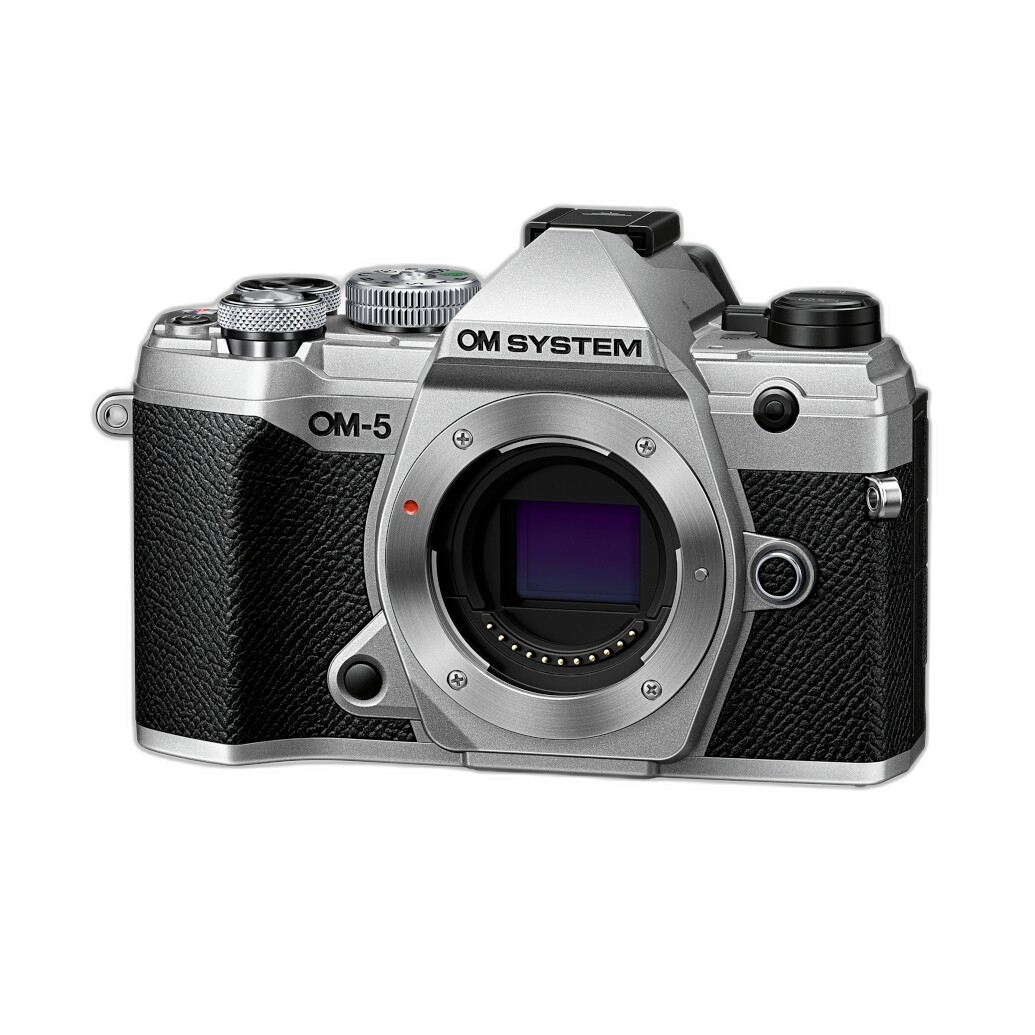
Image Quality: Mirrorless Clearly Leads in Aesthetic Potential
Sensor Size and Low-Light Performance
Wedding venues are rarely ideal from a lighting standpoint. Churches may restrict lighting entirely, ballrooms often rely on dim ambient fixtures, and dance floors push cameras into high ISO territory. This is where mirrorless cameras, particularly full-frame models, usually outperform camcorders in pure image quality. The Sony a7R VI offers the kind of sensor performance wedding photographers prize: rich detail, strong dynamic range, and more flexibility for recovering highlights in a white dress while holding shadow detail in a black tux.
Camcorders can still produce clean and dependable footage, but many event-oriented models use smaller sensors that struggle to deliver the same subject separation or low-light depth and tonality. For shooters trying to produce a cinematic wedding film look, mirrorless cameras usually provide the more attractive image.
Lens Flexibility and Creative Control
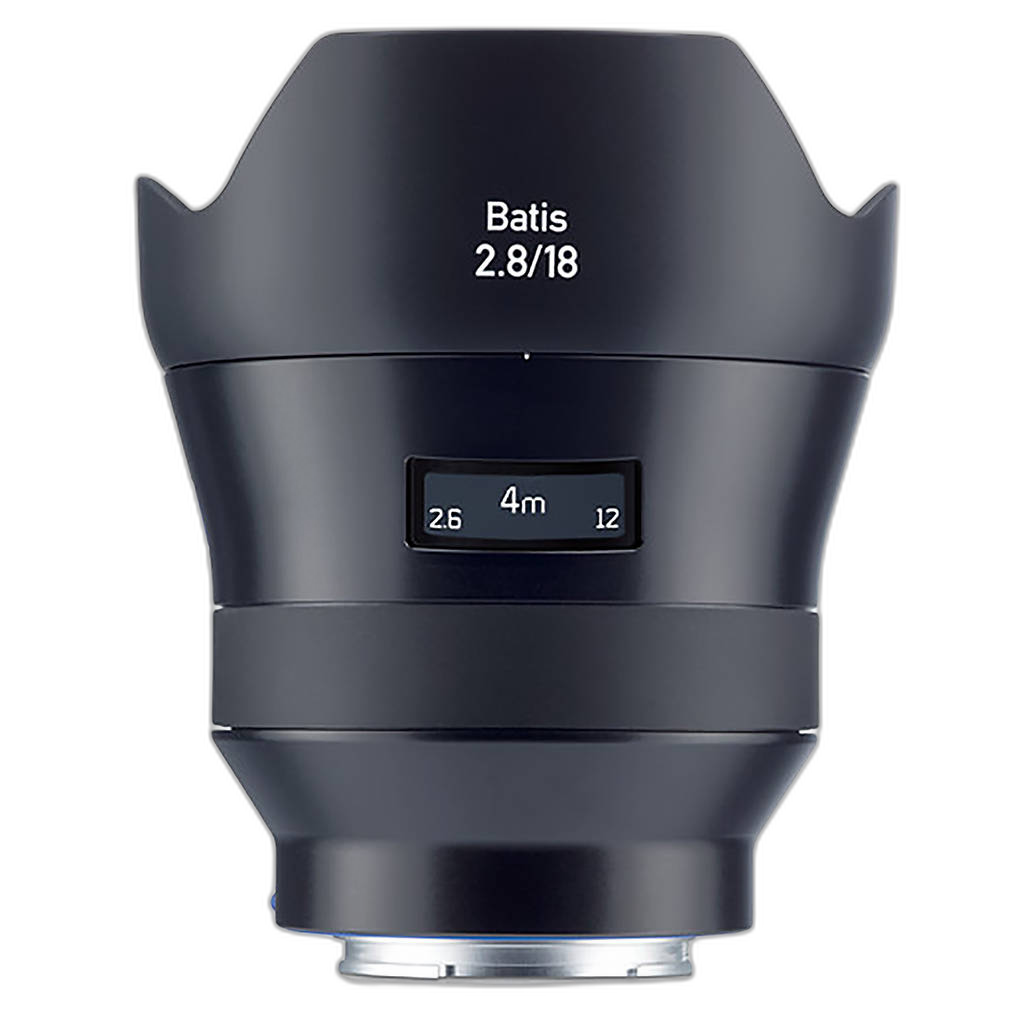
Interchangeable lenses are one of the biggest reasons mirrorless systems have become wedding staples. A lens like the Zeiss Batis 18mm f/2.8 AF is an excellent example of what camcorder users often miss: the ability to tailor perspective and rendering to a specific part of the day. An ultra-wide prime can capture establishing shots of the venue, dramatic interiors, crowded dance floors, and immersive bride-and-groom environmental portraits with a more refined optical signature than a built-in camcorder zoom typically provides.
Camcorders fight back with integrated power zoom lenses and servo control, which are undeniably convenient during ceremonies and speeches. But from a purely visual standpoint, the mirrorless system wins on flexibility, lens character, and the ability to create a premium branded look across a wedding gallery or film.
Autofocus and Subject Tracking
Modern mirrorless autofocus has improved enough to become a serious argument against camcorders. Wedding shooters need dependable face and eye detection when the bride walks down the aisle, during fast candid moments, or while filming a moving couple on the dance floor. Sony in particular has built a reputation for autofocus performance that suits high-pressure event work. A strong AF system minimizes missed moments and reduces operator fatigue, especially for solo shooters handling both photo and video coverage.
That said, camcorders still retain an ergonomic edge for long continuous tracking because their design is optimized for event capture. They are built to keep rolling with practical controls immediately at hand.
Reliability: Where Camcorders Still Have a Real Advantage
Continuous Recording and Heat Management
Reliability is where the mirrorless-vs-camcorder debate becomes much less one-sided. Weddings include long-form coverage: full ceremonies, toasts, speeches, first dances, and cultural traditions that may last far longer than a short-form highlight clip. Camcorders remain better suited for this type of uninterrupted recording. They are traditionally designed for extended operation, often with fewer concerns about recording limits, battery swaps, or thermal buildup.
Mirrorless cameras have improved substantially, but they still require more planning. Operators need to think about battery rotation, media management, clip length behavior, and environmental heat. For a wedding filmmaker who cannot risk losing the vows, a camcorder still offers peace of mind that mirrorless cameras do not always match.
Redundancy and Event Security
Professional wedding shooters rarely rely on a single camera, regardless of system. In practice, many teams use mirrorless bodies for creative angles and stills, while placing a camcorder or locked-off event camera on a tripod for the ceremony and speeches. This hybrid strategy acknowledges an important truth: mirrorless excels artistically, but camcorders remain workflow insurance.
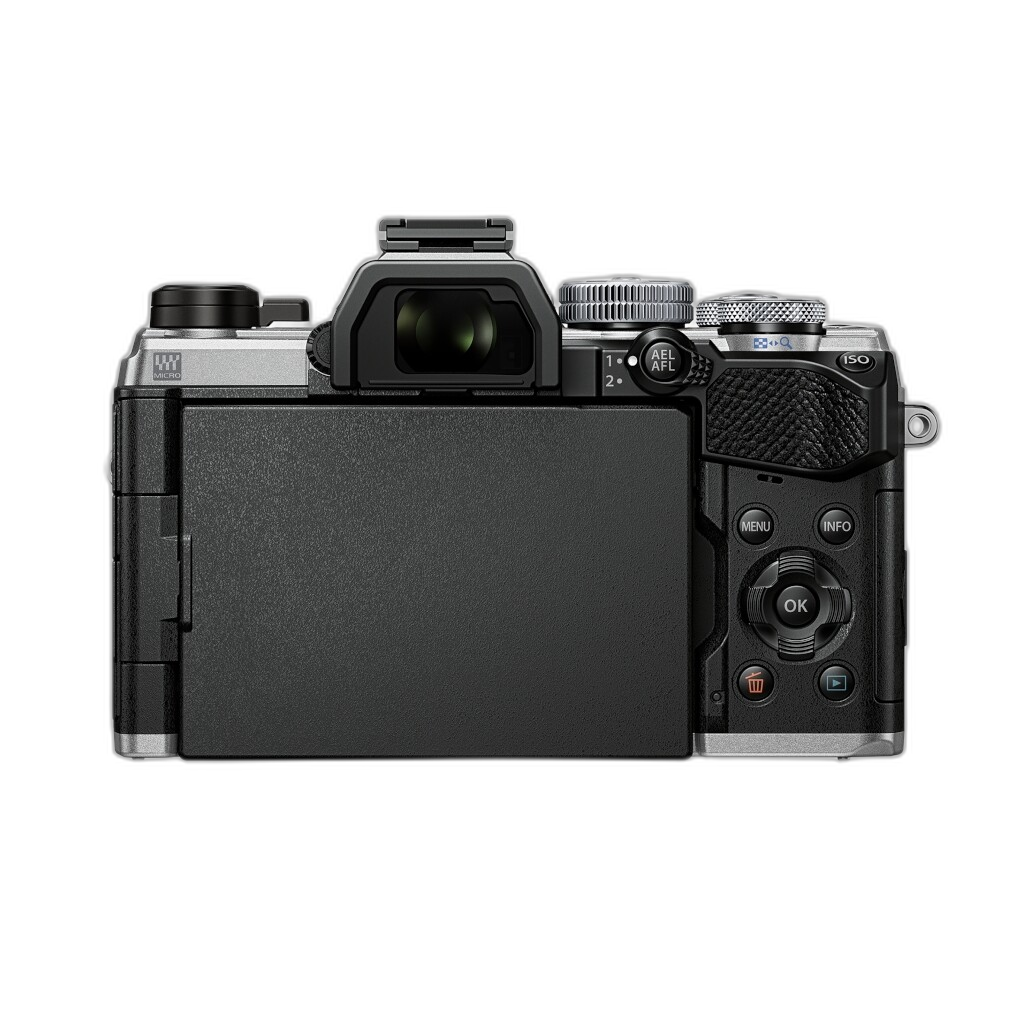
The OM SYSTEM OM-5 is especially appealing as a compact second body or backup camera in a wedding kit. Its smaller form factor makes it easy to deploy discreetly, carry all day, or use on a stabilizer without adding fatigue.
Workflow Considerations: The Real Decision Point for Wedding Coverage
Handling, Audio, and Operator Efficiency
Camcorders are purpose-built for event workflow. They typically offer better onboard ergonomics for video, more convenient zoom control, practical handgrips, and audio features that are straightforward for live production. If you are covering a ceremony from the back of a church and need to zoom smoothly, monitor audio, and maintain stable framing for 45 minutes, a camcorder simply makes the task easier.
Mirrorless cameras can absolutely handle wedding video, but they often require rigs, cages, external audio accessories, ND filters, spare batteries, and more lens changes. That means the image may be better, but the workflow can become slower and more complex.
File Matching and Hybrid Delivery
Where mirrorless pulls ahead again is in hybrid coverage. If your business delivers engagement portraits, wedding-day stills, vertical social edits, and highlight video, using one mirrorless ecosystem reduces visual inconsistency. Colors, lenses, menus, batteries, and accessories stay more unified. For many small studios, that simplicity is worth more than the pure event ergonomics of a camcorder.
The Sony a7R VI, for example, makes sense for photographers who want one flagship body capable of premium stills and polished video deliverables. Pairing it with lenses like the Zeiss Batis 18mm broadens its wedding usefulness significantly.
Learning Curve and System Confidence
One often-overlooked factor is operator familiarity. Mirrorless systems offer tremendous capability, but only if the user knows how to configure autofocus modes, custom buttons, exposure tools, and video settings under pressure. For those entering the Sony ecosystem, training matters. Resources like Understanding Your Sony Mirrorless Camera: Intermediate (Sony) can help users get more confident before they step into a paid wedding environment.
Real-World Wedding Use Cases
When Mirrorless Is the Better Choice
Mirrorless is the better choice when your wedding work prioritizes aesthetics, hybrid delivery, and lens-driven creativity. It excels for bridal prep, portraits, reception candids, detail shots, cinematic B-roll, and any scenario where depth of field and low-light image quality are major selling points. Photographers moving into video can also gain efficiency by staying within one system instead of maintaining separate photo and camcorder kits.
When a Camcorder Is Still the Smarter Tool
Camcorders make the most sense for long ceremonies, speeches, documentary-style coverage, and solo event shooters who value predictable operation over cinematic rendering. If your style is less about stylized highlight films and more about complete event preservation with clean audio and uninterrupted recording, camcorders remain highly practical.
The Best Answer for Many Pros: Use Both
The strongest wedding workflow is often not mirrorless or camcorder, but mirrorless plus camcorder. Use mirrorless bodies for all high-impact visuals and still photography, then rely on camcorder-style coverage for locked-off redundancy and long-form event capture. That approach protects the couple’s most important moments while still delivering the premium image quality modern clients expect.
Pros and Cons
Pros of Mirrorless Cameras for Weddings
- Superior image quality, especially with full-frame models like the Sony a7R VI
- Better low-light performance and shallow depth of field
- Interchangeable lenses allow greater creative flexibility
- Excellent for hybrid shooters delivering both photo and video
- Modern autofocus systems are highly capable for fast wedding action
- Smaller bodies such as the OM SYSTEM OM-5 are easy to carry all day
Cons of Mirrorless Cameras for Weddings
- Less convenient than camcorders for long uninterrupted recording
- May require more batteries, accessories, and rigging
- Workflow can be slower when changing lenses or building out audio solutions
- Thermal and clip-management concerns can still matter during long events
- Steeper learning curve for users who are new to video-heavy operation
Pros of Camcorders for Weddings
- Excellent for extended ceremonies and speeches
- Event-focused ergonomics and integrated zoom operation
- Often more efficient for audio capture and live event management
- Reliable long-form workflow with less setup complexity
Cons of Camcorders for Weddings
- Typically less cinematic image quality than mirrorless systems
- Reduced lens flexibility and lower creative control
- Less appealing for photographers who also need premium stills
- Can feel limiting for modern hybrid wedding brands
Verdict
For most contemporary wedding professionals, mirrorless cameras are the better primary investment because they deliver the image quality, autofocus, lens options, and hybrid versatility clients increasingly expect. The Sony a7R VI stands out as a premium example for wedding shooters who want top-tier results, while the OM SYSTEM OM-5 offers a lighter and more portable mirrorless option for secondary use, travel, or compact production setups. Add a wide storytelling lens like the Zeiss Batis 18mm f/2.8 AF, and the system becomes even more compelling for venue scenes, dramatic interiors, and energetic reception footage.
That said, camcorders still earn respect for one critical reason: they make long-form event coverage easier and safer. If your priority is uninterrupted recording of ceremonies and speeches, a camcorder remains an important tool. But if you are choosing the system that best aligns with current wedding aesthetics and hybrid client demands, mirrorless has the edge.
Recommendation: Buy a strong mirrorless body as your core wedding camera, then build a workflow that addresses reliability through backups, support accessories, or secondary locked-off coverage. For photographers and hybrid creators shopping for the right setup, Unique Photo is a smart place to buy cameras, lenses, and educational resources to assemble a wedding-ready kit.