
Photo competitions can elevate a photographer’s work, build credibility, and open doors to exhibitions, clients, and community recognition. But along with the excitement comes an important question: how much editing is ethical in a photo contest entry? At Unique Photo, we regularly hear from photographers who want to improve their images while staying within the rules. The answer is simple in principle but nuanced in practice: edit to strengthen your photograph, not to misrepresent it.
Below, we’ll cover the ethics of photo editing for competitions, common rule interpretations, and practical recommendations for preparing honest, polished entries.
What Is Ethical Photo Editing in Competition Entries?
Ethical photo editing means making adjustments that respect the intent of the contest, preserve the truth of the scene when required, and do not deceive judges or viewers. In many competitions, especially documentary, photojournalism, wildlife, and nature categories, ethics are closely tied to authenticity. In more open, fine art, portrait, or conceptual categories, creative editing may be encouraged as long as it is disclosed and allowed by the rules.
Before editing any competition image, ask yourself:
- Does this change the factual content of the photo?
- Would a judge feel misled if they saw the original file?
- Does the contest explicitly allow or ban this type of adjustment?
- Am I enhancing the image or altering the story?
That framework can help you stay on solid ground whether you are entering a local camera club contest or a major international competition.
Photo Competition Editing Rules: Why Reading the Fine Print Matters
One of the best recommendations for editing photos in competition entries is also the most overlooked: read the rules carefully. Every contest defines acceptable editing differently. Some permit global tonal corrections only. Others allow focus stacking, HDR blending, compositing, or object removal. Some require RAW files for verification. Others prohibit AI-generated or AI-assisted image creation entirely.
Look for language such as:
- Basic adjustments allowed: exposure, white balance, contrast, sharpening, cropping, noise reduction
- Content alteration prohibited: adding, moving, replacing, or removing elements
- Composite images allowed in specific categories
- Original RAW/JPEG required upon request
- Disclosure required for significant edits
If the rules are vague, contact the organizer before submitting. Unique Photo always recommends getting clarification in writing when possible, especially for high-stakes competitions.
Acceptable Editing for Most Photography Contests
In many competitions, especially general and amateur contests, a range of standard edits is usually accepted. These edits improve technical quality without fundamentally changing the scene:
- Exposure and tonal corrections
- White balance adjustment
- Contrast and color refinement
- Moderate dodging and burning
- Sharpening and noise reduction
- Straightening horizons
- Reasonable cropping
- Lens profile corrections and minor perspective correction
These adjustments are often considered part of a normal digital workflow. If your goal is to present your best work honestly, this is the safest editing zone.
Photographers who want to refine their post-processing approach may benefit from educational resources at Unique Photo, such as NJCS: Lightroom Photo Editing for Nature and Wildlife with Bobby Stormer, especially if they are entering categories where clean, natural edits matter.

Unethical or Disallowed Edits in Contest Photography
When people search for what editing is not allowed in photo competitions, the answer often comes down to one principle: do not alter the substantive content of the image unless the contest explicitly allows it.
Commonly disallowed edits include:
- Removing distractions, people, wires, signs, or natural elements in documentary-style categories
- Adding skies, birds, smoke, stars, reflections, or textures that were not present
- Combining multiple images without permission from the contest rules
- Excessive skin retouching in categories that expect realism
- Manipulating wildlife scenes in misleading ways
- Using AI tools to generate or replace image content where prohibited
Even when the result looks cleaner or more dramatic, these changes may cross an ethical line. A contest entry should reflect both your photographic vision and your integrity as an image-maker.
Can You Use Photoshop for Photo Competitions?
Yes, Photoshop is often allowed in photo competitions, but what you do in Photoshop matters more than the software itself. You can use Photoshop for careful tonal work, spot cleanup when permitted, print preparation, resizing, and color management. However, advanced retouching, compositing, and content-aware changes may violate contest rules depending on the category.
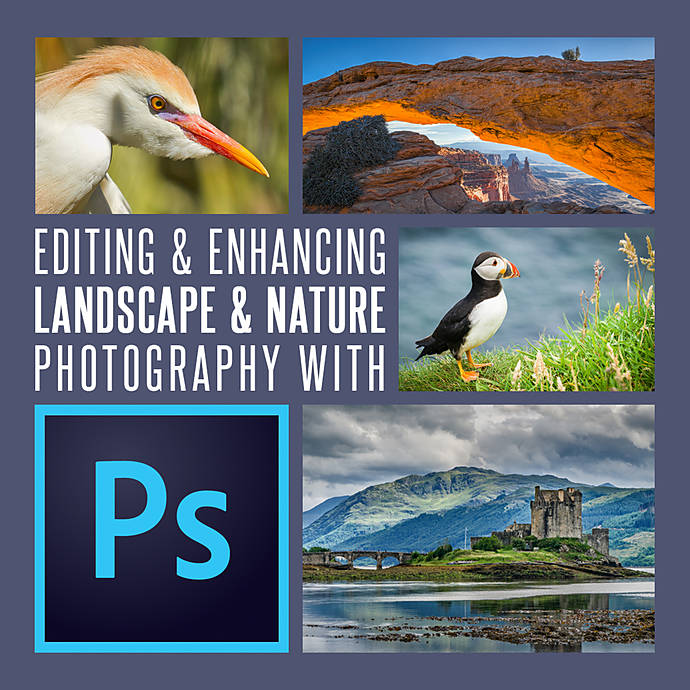
If you are trying to build stronger editing skills without overprocessing, a class like Editing and Enhancing Landscape and Nature Photography with Photoshop from Unique Photo can help photographers learn a disciplined workflow that balances impact and realism.
Ethics of Editing in Documentary, Wildlife, and Nature Categories
These categories usually have the strictest standards. Judges expect the photograph to represent a real moment. That means editing should be conservative and transparent.
Best practices include:
- Keep adjustments global or subtle
- Avoid removing background elements unless specifically permitted
- Retain original metadata and RAW files
- Do not stage or digitally fabricate behavior
- Be careful with local adjustments that materially change the mood or reading of the scene
Wildlife and nature contests are especially sensitive because viewers trust the image as a record of behavior, habitat, and timing. A dramatic edit that changes the truth of the encounter can damage credibility quickly.
Editing Portraits and Fine Art Entries: More Freedom, Same Responsibility
Portrait, fashion, product, and fine art competitions often allow more extensive editing. Skin retouching, background cleanup, color grading, compositing, and stylized effects may be acceptable or even expected. But even here, ethics still matter.
Recommendations include:
- Stay within the category’s creative boundaries
- Disclose composites or heavy manipulation when requested
- Maintain consistency between your artistic statement and your image
- Avoid plagiarism, stock overlays, or borrowed assets unless the rules allow them
For photographers working on commercial or stylized imagery, Unique Photo educational offerings like Product Photography and Post Production Editing with Blake Taylor can be useful for developing polished but intentional edits.

How Much Retouching Is Too Much in a Photo Contest?
A good rule of thumb is this: if the edit becomes the main story instead of the photograph, you may have gone too far. Overprocessed competition entries often suffer from crushed shadows, oversaturated colors, halos around edges, unnatural skin texture, heavy clarity, or artificial-looking skies. Judges notice these issues immediately.
To avoid overediting:
- Step away and review with fresh eyes
- Compare your final image to the original capture
- Zoom out, not just in
- Ask whether the mood still feels believable
- Get feedback from a trusted peer before submission
Subtle, confident editing usually performs better than aggressive processing that calls attention to itself.
Should You Keep Original Files for Competition Verification?
Absolutely. One of the most important recommendations for editing photos in competition entries is to preserve your original files and edit history. Many reputable contests ask finalists to provide RAW files or out-of-camera JPEGs to verify authenticity.
Keep:
- Original RAW files
- Exported TIFF or PSD working files
- Layered edits when applicable
- Metadata intact
- A record of major adjustments
For photographers who like to organize competition work physically after submission or exhibition, archival storage and albums can also be helpful. Products like the Pioneer 4 x 6 In. Bi-Directional Memo Photo Album or the Pioneer 4 x 6 In. Embossed Leather Frame Photo Album available at Unique Photo can be practical for maintaining a printed record of selected entries, winning images, or portfolio sequences.

Best Workflow for Preparing Competition Entries
If you want an ethical, efficient workflow for contest submissions, follow this process:
- Select the right image for the category and theme
- Read the editing rules before opening your software
- Perform basic corrections first: exposure, color, crop, sharpness
- Evaluate whether any local edits are allowed
- Export according to file specs: size, color space, filename format
- Save your original and edited versions
- Review with honesty: does the image still represent what happened?
This workflow reduces risk and helps keep your entry compliant.
How Judges View Edited Competition Photos
Judges are not automatically opposed to editing. In fact, they expect competent post-processing. What they usually respond poorly to is editing that feels careless, distracting, or deceptive. Strong competition images typically combine:
- Clear subject and composition
- Technical control
- Intentional editing
- Respect for the category rules
- Authenticity or clear creative purpose
The best entries do not rely on editing to rescue a weak image. Instead, editing supports a strong photograph that was already thoughtfully captured.
Practical Ethical Recommendations Before You Submit
Here are the most useful takeaways for photographers entering contests:
- Always read the specific contest rules
- Use editing to refine, not falsify
- Be extra cautious in documentary, wildlife, and journalism categories
- Keep original files for verification
- Disclose heavy manipulation if the contest requests it
- When in doubt, choose the more honest edit
- Prioritize a compelling capture over dramatic post-production
Learning the difference between enhancement and deception is part of becoming a stronger photographer. Unique Photo supports that growth not just with gear and classes, but with a broader commitment to helping photographers create work they can stand behind.
Conclusion: Strong Competition Edits Start With Integrity
Editing photos for competition entries is not just about making images look better. It is about presenting your work fairly, respecting contest guidelines, and protecting your reputation. Ethical photo editing helps judges evaluate your vision with confidence, whether you are entering a local contest, a camera club salon, or a major international award.
If you are building your competition workflow, Unique Photo is a great place to continue learning. Consider exploring classes on Lightroom, Photoshop, and post-production, along with photo organization tools for your portfolio and printed archives. You can also link readers internally to related resources such as Unique Photo classes, photo albums, photography learning resources, and editing-related tools and accessories to help photographers prepare better entries from capture through final submission.