Photo competitions regularly spark one of photography’s longest-running debates: how much editing is too much? For some photographers, basic color correction and dust-spot removal are simply part of a modern workflow. For others, heavy retouching, compositing, or AI-assisted alterations can cross a line—especially when a contest appears to reward realism, documentary integrity, or in-camera skill.
If you enter contests, understanding the permissible limits of photo editing for contest entries is essential. Rules vary widely, and disqualification often has less to do with image quality than with whether the edits were disclosed, appropriate for the category, and consistent with the organizer’s standards. At Unique Photo, we regularly see photographers refine both their craft and their workflow through classes, printing, and portfolio development, and contest ethics is an increasingly important part of that conversation.
Why photo editing in contests is so controversial
Most photographers edit their images. Exposure balancing, white balance adjustment, contrast control, sharpening, and cropping are standard steps in digital photography. The debate begins when edits move beyond optimization and start changing the underlying content of the photograph.
Contest organizers often have to balance several competing priorities:
- Fairness for all entrants
- Authenticity, especially in journalism, wildlife, and documentary categories
- Creative freedom in fine art, conceptual, and illustrative categories
- Transparency so judges know what they are evaluating
That is why one contest may welcome surreal composites while another disqualifies an image for removing a stray branch. The key takeaway is simple: photo contest editing rules are category-specific, organizer-specific, and sometimes stricter than photographers expect.
What kinds of photo editing are usually allowed in contests?
In many contests, a limited range of post-processing is generally acceptable. While exact rules differ, these edits are commonly permitted:
- Global exposure and contrast adjustments
- White balance and color correction
- Moderate saturation or vibrance changes
- Sharpening and noise reduction
- Sensor dust removal
- Reasonable cropping and straightening
- Minor tonal dodging and burning
These edits are often viewed as part of translating a raw capture into a finished image. Judges understand that digital files frequently need refinement to match what the photographer saw or intended.
That said, “allowed” does not always mean “unlimited.” Extreme HDR effects, aggressive local masking, excessive skin retouching, or heavy color grading may still raise concerns if they distort the scene or violate the spirit of the category.
What edits commonly get contest entries disqualified?
Disqualification usually happens when post-processing changes the factual content of the image or conflicts with the stated rules. Common red flags include:
- Adding or removing major elements
- Compositing multiple frames without permission
- Replacing skies or backgrounds
- Using AI generation to create visual content
- Moving subjects within the frame
- Misrepresenting documentary or wildlife scenes
- Failing to provide RAW files when requested
For example, in a nature or photojournalism contest, cloning out a distracting twig, moving the moon, or combining several exposures can be enough to invalidate an entry. Even edits that seem minor aesthetically may be considered ethically significant if they alter the truthfulness of the image.
Transparency in photo contests: why disclosure matters
One of the strongest recommendations for ethical post-processing is full transparency. If the contest allows exposure blending, focus stacking, composite work, or AI-assisted masking, say so when the entry form asks. If there is no field for it and your process goes beyond standard global correction, consider contacting the organizer.
Transparency helps in several ways:
- It protects you from accidental rule violations
- It shows professionalism and integrity
- It helps judges assess work appropriately
- It reduces disputes after winners are announced
Many controversies do not begin because an edit was inherently unethical, but because it was hidden or presented as a straight capture when it was not. In contests, undisclosed manipulation is often judged more harshly than disclosed creative editing.
How to read photo contest rules the right way
Photographers often skim contest rules and focus on deadlines, prizes, and categories. That is a mistake. The section on editing policy deserves close attention before you submit.
Look for language such as:
- “Basic adjustments only”
- “No content alteration”
- “Composite images permitted”
- “RAW files may be requested”
- “AI-generated content prohibited”
- “Minor cleanup allowed”
Those short phrases can make a huge difference. “No content alteration” is far stricter than “no excessive editing.” “Composite images permitted” may still require that all source images be created by the entrant. “Basic adjustments only” may allow cropping and tonal correction but forbid object removal.
If the rules are vague, assume a conservative interpretation. When in doubt, ask the organizer for clarification in writing and save the response.
Ethical post-processing recommendations for contest photographers
If you want a practical standard for ethical photo editing in contests, use this framework:
- Match the edit to the category. Documentary and wildlife categories call for restraint. Fine art categories allow more freedom.
- Preserve the original file. Keep RAWs and exported versions organized.
- Disclose significant techniques. Exposure blending, compositing, or object removal should never be hidden when relevant.
- Do not rely on “nobody will notice.” Organizers increasingly inspect metadata and source files.
- Respect the spirit, not just the letter, of the rules. A loophole is not the same as ethical compliance.
This approach not only protects your reputation but also helps build trust with judges, editors, clients, and fellow photographers.
RAW files, metadata, and proof of authenticity
More contests now require finalists to provide RAW files, layered files, or metadata to verify authenticity. That trend reflects the growing ease of advanced editing and AI tools.
To stay prepared:
- Archive original RAW files carefully
- Keep sidecar files and edit histories when possible
- Export full-resolution versions for review
- Retain bracketed or sequence captures if you used allowed blending techniques
Good file management is part of ethical practice. It also makes your contest workflow more professional. If you print and preserve your best work after competition season, a clean archive becomes even more valuable. Some photographers like maintaining physical records of projects and selections in albums such as the Pioneer 4 x 6 In. Bi-Directional Memo Photo Album as part of a broader portfolio-review process.

Does AI editing change the rules for photography contests?
Yes—dramatically. AI has added a new layer to the editing debate because it can do far more than traditional retouching. Depending on the tool and workflow, AI may:
- Generate entirely new visual elements
- Replace backgrounds
- Expand frame edges with invented detail
- Remove subjects seamlessly
- Alter expressions, textures, or lighting beyond the original capture
Some contests ban all AI-generated or AI-altered content. Others allow AI-assisted masking or noise reduction but prohibit generative additions. Because the terminology is evolving, photographers should be especially cautious here.
If you use AI tools, ask two questions:
- Did the software analyze the image, or did it create new visual content?
- Would a reasonable judge consider the final image a truthful representation of the original scene?
If the answer to the second question is no, the image may not belong in a realism-based contest category.
Different genres, different editing standards
Not all contests judge images by the same ethical standard. Here is a simple way to think about it:
- Photojournalism: very strict; factual accuracy is critical
- Wildlife and nature: strict; no baiting, deceptive removal, or misleading composites
- Travel and documentary: generally strict to moderate, depending on rules
- Portrait: moderate; retouching may be allowed unless realism is emphasized
- Landscape: moderate to flexible; some contests allow blending, others do not
- Fine art/conceptual: often highly flexible if disclosed and category-appropriate
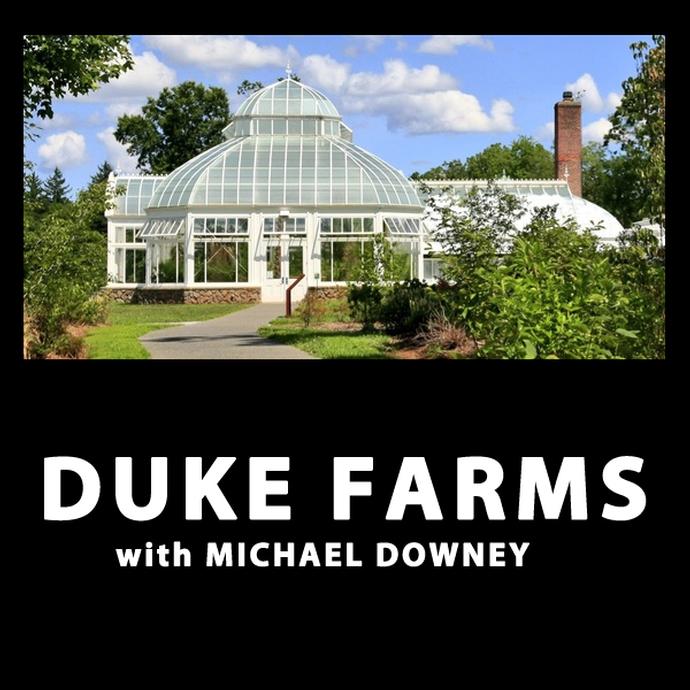
Improving your understanding of genre expectations can be just as important as improving your editing technique. Educational experiences like Macro and Landscape Photography at Duke Farms with Michael Downey or Unique Photo events that explore storytelling and visual interpretation can help photographers refine both capture decisions and post-processing judgment.
Why printing your contest images can reveal over-editing
One underrated way to judge whether your edits remain ethical and tasteful is to print the image. Prints often reveal halos, unnatural saturation, crushed blacks, over-sharpening, and distracting composite seams that might be less obvious on a backlit display.
At Unique Photo, many photographers use printing as a final quality-control step before entering competitions. A serious print workflow can help you evaluate whether an image feels believable, refined, and category-appropriate.
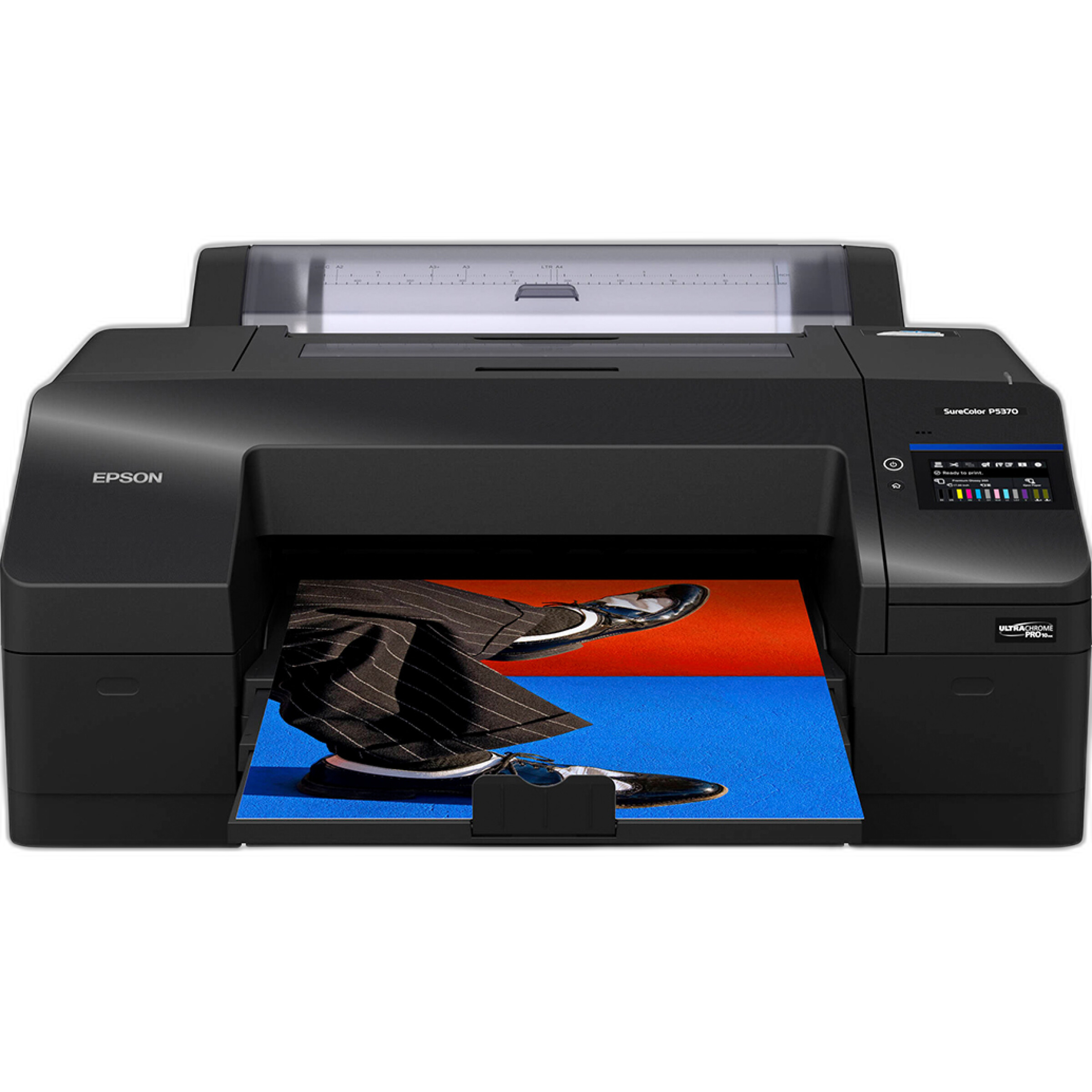
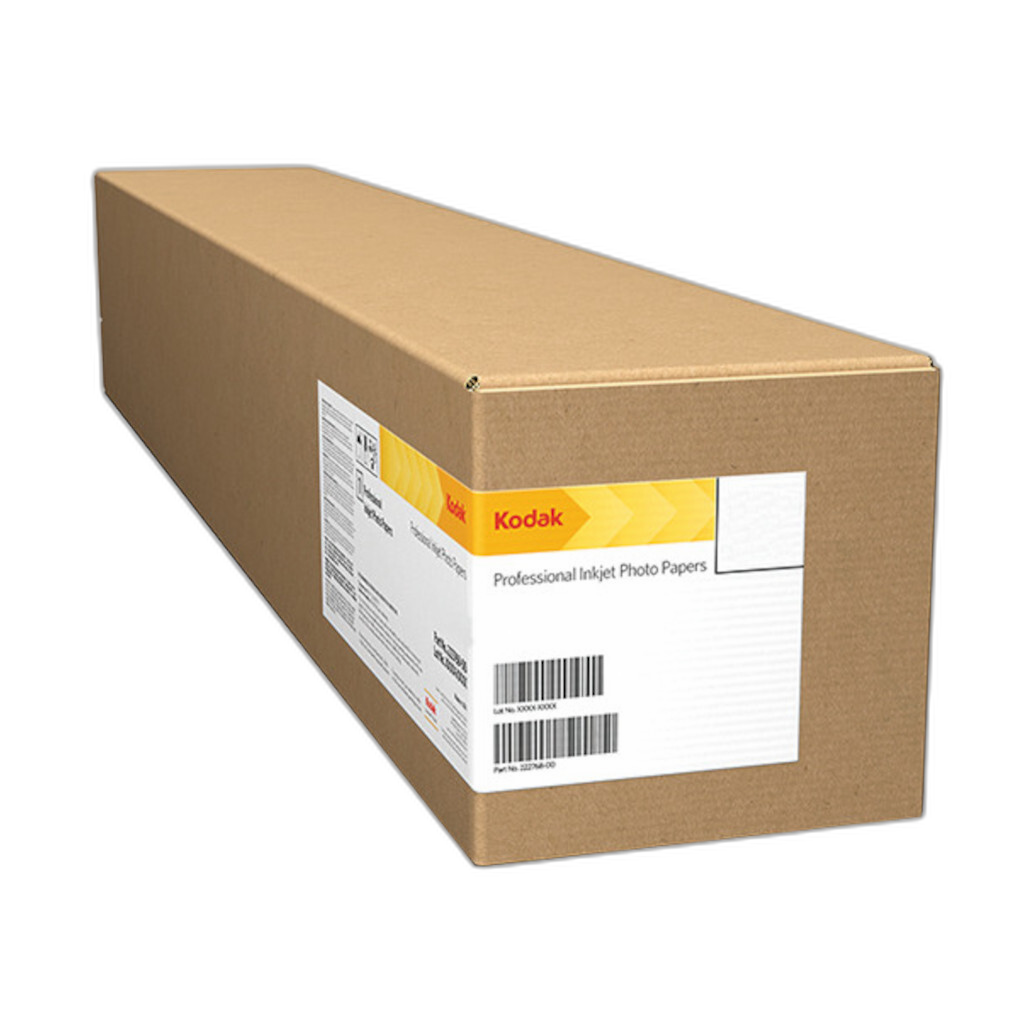
Tools like the Epson SureColor P5370 17-Inch Professional Photographic Printer paired with premium media such as Kodak Professional Metallic Photo Inkjet Paper 44 x 100 Roll can help photographers review tonal transitions, fine detail, and color choices with greater confidence.
Best practices before submitting a contest entry
Before uploading your image, run through this quick checklist:
- Read the editing rules twice
- Confirm the category matches your workflow
- Keep your RAW file and final export ready
- Review for object removal, compositing, or misleading edits
- Disclose techniques when required
- Print or review on a calibrated display
- Ask whether the image reflects both the rules and your own ethics
That final question matters. Contest wins are valuable, but credibility lasts longer. In the photography community, a reputation for honesty and professionalism is one of the most important things you can build.
Final thoughts on ethical photo editing for contests
The permissible limits of photo editing for contest entries depend on contest rules, category expectations, and honest disclosure. Basic adjustments are usually acceptable. Major content changes often are not—especially in documentary-style categories. The safest path is to edit with restraint, preserve your source files, and be transparent about your process.
Unique Photo supports photographers not just with gear, but with education, printing, and creative development that can help you build a stronger, more ethical contest workflow. Whether you are refining landscapes, printing a portfolio, or learning through workshops and events, a thoughtful approach to post-processing will serve you well far beyond any single competition.
For additional internal linking opportunities on Unique Photo, consider directing readers to pages focused on photo printing, professional printers, photo paper, Unique University classes, and portfolio presentation tools.