
Travel Light Photography FAQ: Smart Gear Choices for Better Trips
Travel photography is always a balancing act between image quality, flexibility, and the reality of carrying your gear all day. At Unique Photo, we recommend building a lightweight kit around the kind of trip you are actually taking, so you can move comfortably without giving up the ability to make great images.
Below, we answer some of the most common questions about traveling light, from choosing a compact camera strategy to deciding when accessories, education, and support gear are worth the space in your bag.
What compact camera setup offers the best image quality for travel?
The best travel setup is usually the smallest camera you will genuinely enjoy carrying every day. For many photographers, that means a premium compact or a small interchangeable-lens camera paired with one versatile lens. A larger sensor typically gives you better dynamic range, low-light performance, and more editing flexibility than an entry-level point-and-shoot, but the real win is consistency: if the camera is light enough to stay with you from morning walks to evening dinners, you will come home with more photographs.
When choosing, prioritize sensor size, autofocus reliability, battery life, and lens range over spec-sheet extremes. A travel camera should help you react quickly to street scenes, landscapes, food, architecture, and portraits without requiring a full shoulder bag of extras.
Are smartphone cameras enough for serious travel photography?
Smartphones are more capable than ever, and for many travelers they are absolutely enough. They are discreet, always with you, and excellent for daylight scenes, casual portraits, social sharing, and quick video clips. Computational photography can also produce very polished results with minimal effort.
That said, dedicated cameras still hold a clear advantage when you need better low-light performance, more natural background separation, faster subject tracking, longer focal lengths, or cleaner files for large prints and heavy post-processing. If your trip is centered around photography, a dedicated camera is still the more flexible tool. If photography is only part of your travel experience, a smartphone plus a thoughtful shooting approach may be the lightest and smartest option.
One of the best ways to improve results with any camera is through technique rather than gear. Unique Photo educational experiences like EXPO: Stories from the Road - Photography Across Worlds w. Matthew Borowick can be especially valuable for travel photographers looking to sharpen storytelling skills and make stronger images with a compact kit.
Should I bring a zoom lens or multiple prime lenses?
For most travel photographers, one quality zoom lens is the better choice. A standard zoom or all-purpose travel zoom reduces lens changes, keeps your bag lighter, and helps you respond quickly when the scene changes. That convenience matters when you are walking cities, moving through airports, or shooting in dusty or wet conditions.
Prime lenses still make sense if you have a very specific shooting style. A small wide prime and a compact normal prime can be an excellent pairing for street, documentary, or low-light travel work. But if your goal is minimal packing with maximum versatility, a zoom is usually the practical winner. The less time you spend swapping lenses, the more time you spend making images.
Is a lightweight tripod worth buying for travel?
Yes, but only if it matches the type of travel you actually do. A lightweight tripod is worth packing for landscapes, city night scenes, self-portraits, long exposures, architecture, and travel video. If your trip involves lots of hiking or fast-paced sightseeing, every ounce matters, so your tripod should be compact enough to strap to a backpack or fit inside your luggage.
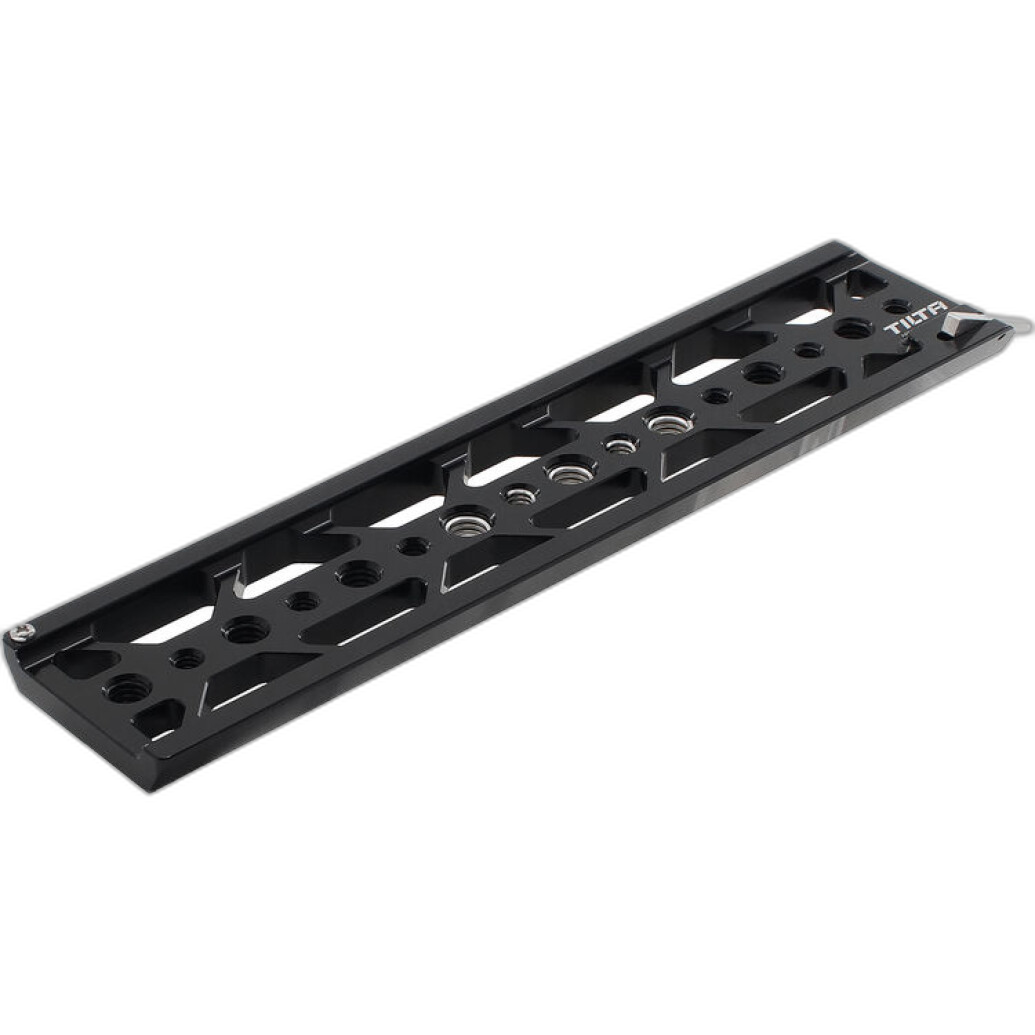
Even if your setup includes compact support accessories or rigging components, the key is avoiding overbuilding your kit. For example, filmmakers and hybrid shooters sometimes use lightweight rig accessories like the Tilta 10 Lightweight Dovetail Plate to keep support equipment organized without adding unnecessary bulk to a travel-oriented setup.
If you rarely shoot after dark or do not plan on long exposures, a tripod may be one of the first items to leave behind. In those cases, stabilization from your camera or phone and smart use of walls, tables, or railings can be enough.
How can I pack minimal gear without sacrificing versatility?
Start with your must-have images, not your full gear shelf. Ask yourself what you are most likely to photograph: landscapes, street scenes, family moments, food, wildlife, or video. Then build around that answer. A strong lightweight travel kit often looks like this: one camera body, one versatile lens, one spare battery, one charger, a few memory cards, a cleaning cloth, and a compact strap or small bag.
Keep accessories disciplined. If an item will not be used multiple times during the trip, it probably does not need to come. Weather, power availability, and transportation style matter too. A city break allows a lighter kit than a remote outdoor adventure, where backup power and protection may be more important.
Skill development can also replace excess gear. Workshops like Macro and Landscape Photography at Duke Farms with Michael Downey help photographers create more deliberate images with simpler kits by improving composition, light awareness, and scene interpretation.

Do I need lighting gear when traveling light?
Most travel photographers do not need to carry a full lighting kit, especially for general sightseeing and walkaround shooting. Natural light, window light, practical lights, and a small reflector approach are often enough. However, if your trip includes environmental portraits, interviews, content creation, or commercial work on location, compact LED lighting can be a smart addition.
The trick is being realistic about the assignment. If you are producing polished video or portraits while traveling, portable lighting solutions can add consistency without the footprint of larger studio gear. Learning efficient lighting methods before your trip can make a huge difference, which is why many photographers benefit from classes like CS: Key Lighting Methods with Mark Raker (Nanlite) or Portrait Lighting Made Easy with Joel Grimes (Westcott).
What is the best mindset for choosing travel gear?
Think in terms of readiness, not maximum capability. The best travel gear is the gear that keeps you comfortable, curious, and responsive. A lighter bag means less fatigue, faster transitions, and more willingness to explore longer and shoot more often.
It also helps to accept some tradeoffs. A travel kit does not need to do everything as well as your full home setup. It just needs to cover your priorities with confidence. In practice, a smaller, simpler kit often leads to stronger photographs because you spend less time deciding what to use and more time paying attention to the world around you.
What should I upgrade first if I want better travel photos?
Before buying more gear, upgrade your decision-making. Better timing, better composition, and better understanding of light will improve your photography more than adding duplicate focal lengths or extra accessories. Once your technique is solid, the first meaningful upgrade is usually the one that removes friction: a smaller camera body, a sharper all-purpose lens, a more comfortable bag, or a truly compact support accessory.
Education can be one of the smartest investments for travel photographers. Unique Photo regularly offers classes, talks, and workshops that help photographers refine technique and travel more efficiently, whether your focus is storytelling, landscapes, portraits, or lighting.
Traveling light does not mean lowering your standards. It means choosing gear and skills more intentionally. If you are ready to refine your travel kit or expand your technique, Unique Photo can help you find the right tools, accessories, and educational resources for your next trip.