Essential Accessories for Portrait Photography in 2024
Building a strong portrait kit is not just about buying the most expensive camera body. In most portrait setups, the accessories around your camera—lighting tools, modifiers, triggering systems, and the right lens choice—have a major impact on how polished your final image looks.
If you are putting together a portrait setup for home, studio, or location work, this FAQ breaks down the gear categories that matter most. We also highlight a few learning resources from Unique Photo that can help you sharpen your technique as you upgrade your kit.
What lighting equipment is recommended for indoor portraits?
For indoor portraits, the most important lighting purchase is usually a controllable key light. That can be a strobe, monolight, or continuous LED depending on your workflow. Portrait photographers often start with one main light and a modifier such as a softbox or umbrella, because soft directional light is flattering for faces and easy to position.
If you are shooting in a spare room or small studio, a simple one-light setup can go a long way. Add a reflector for fill, and you can create clean headshots, family portraits, and dramatic character studies without needing a large space. As your confidence grows, a second light can help with hair light, rim light, or background separation.
Learning how to shape light is just as important as buying it. Unique Photo offers educational resources like Portrait Lighting Made Easy with Joel Grimes (Westcott), which is a great way to build confidence with practical portrait lighting concepts.
Are budget-friendly reflector options worth considering?
Yes—reflectors are one of the best value purchases in portrait photography. A basic collapsible reflector can soften shadows, add catchlights to the eyes, and brighten skin tones without requiring another powered light source. For beginners and budget-conscious shooters, this is often the smartest first accessory after a camera and lens.
A 5-in-1 reflector is especially versatile because it gives you white, silver, gold, black, and diffusion surfaces in one compact tool. White is generally the most natural for portraits, silver gives stronger fill, gold adds warmth, black can deepen shadows for more sculpted lighting, and diffusion can soften harsh light from a window or flash.
If you mostly shoot indoors near windows or outdoors in open shade, a reflector can dramatically improve your results for very little cost. It is lightweight, easy to carry, and useful whether you are photographing individuals, couples, or small groups.
Do wireless triggers make a big difference for portrait setups?
In most off-camera portrait setups, yes. Wireless triggers make your lighting workflow much faster and more consistent because they let you position flashes or strobes where they look best rather than where a cable can reach. That freedom matters when you are trying to create depth, separate your subject from the background, or keep your shooting area uncluttered.
They are especially helpful if you want to move quickly during sessions. Instead of physically adjusting every light between frames, many modern trigger systems let you control power settings remotely. That means less downtime, smoother communication with your subject, and a more professional shooting experience overall.
If you are currently using on-camera flash only, wireless triggering is often one of the biggest upgrades you can make for more dynamic portraits. It opens the door to more flattering angles of light and more intentional creative control.
What lens should I invest in for portraits on a crop sensor camera?
On a crop sensor camera, portrait photographers often gravitate toward lenses in the roughly 50mm to 85mm range, depending on the style they want. A 50mm lens on APS-C behaves like a short telephoto equivalent, making it a very popular and practical portrait option. It offers flattering perspective, good subject separation, and enough working distance for headshots and half-body portraits.
An 85mm lens on crop can be excellent for tighter headshots, but it may feel long in small indoor spaces. If you are photographing indoors frequently, a 50mm lens is often the more flexible investment. If you prefer environmental portraits or want more room in tight spaces, even a 35mm prime can be useful.
When choosing a portrait lens, pay attention to maximum aperture, autofocus performance, and rendering. A bright aperture such as f/1.8 can help blur backgrounds and improve low-light performance, but even moderate-aperture lenses can produce beautiful portraits when paired with strong lighting and careful composition.
Is a dedicated portrait lens necessary, or can a kit lens suffice?
A kit lens can absolutely work for portraits, especially if you are learning posing, lighting, and framing. Good portraiture is not created by lens choice alone. Expression, light quality, background control, and camera-to-subject distance all matter tremendously.
That said, a dedicated portrait lens can make the process easier. Prime lenses with wider apertures often produce smoother background blur, stronger low-light performance, and a more polished look straight out of camera. They also encourage more deliberate composition because you move your feet rather than relying on zooming.
If you already own a kit lens, use it confidently while you build skills. Then consider a portrait prime as your next upgrade once you understand the focal lengths you use most often. For many APS-C shooters, that first portrait-focused lens is often a 50mm f/1.8 or a similar short telephoto option.
What other accessories should portrait photographers prioritize after lighting and lenses?
Once you have a reliable light source, a modifier, and a workable portrait lens, the next accessories to prioritize are light stands, a reflector, and a trigger system. These three additions improve consistency and make it easier to repeat setups from session to session.
Filters can also have a place in some portrait workflows, especially if you shoot outdoors and want more control over reflections or light levels. A practical starter accessory in a broader camera bag is the Tiffen 46mm Photo Essentials Kit/TPK1, depending on your lens size compatibility and shooting style.
For photographers who want to improve their portrait craft beyond gear alone, hands-on instruction is often a smart investment. Unique Photo regularly features classes and workshops that can help you better understand posing, lighting, and portrait direction.
How can I improve my portraits without buying a lot of gear right away?
The fastest improvement usually comes from mastering one light and one lens before expanding your kit. Start by learning where to place your subject in relation to a window, how to angle a reflector for subtle fill, and how to choose backgrounds that do not distract from the face.
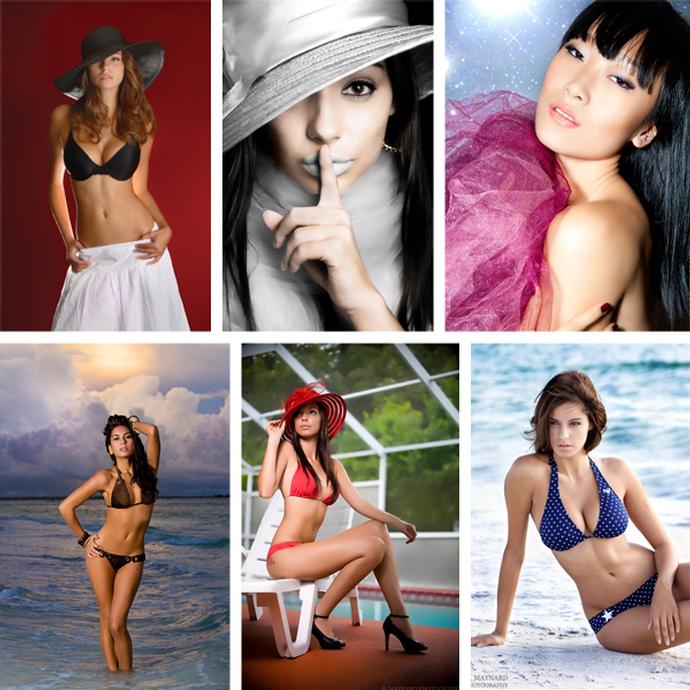
Education is often more valuable than adding another accessory too soon. Unique Photo offers training options like the Stunning Portraits Workshop with David Maynard and ExpoImaging, which can help photographers develop stronger technique and more confidence in real-world portrait scenarios.
Workshops and guided learning can shorten the trial-and-error phase significantly. Instead of guessing why a portrait looks flat or unevenly lit, you learn to identify and fix the issue quickly.
Are portrait photography classes worth it for beginners and intermediates?
Absolutely. Portrait photography has a technical side and a people side, and classes can help with both. A strong class or workshop can teach lighting ratios, modifier choice, posing adjustments, and communication techniques that are difficult to pick up from gear specs alone.
For photographers who want a structured introduction to light shaping, Portrait Lighting Made Easy with Joel Grimes (Westcott) is a valuable learning resource. It is especially useful if you want to better understand how professional-looking portraits are built from simple lighting principles rather than complicated setups.
Whether you are just starting out or refining your indoor portrait workflow, investing in education can help you make smarter equipment choices and get more from the gear you already own.
Portrait photography rewards thoughtful upgrades. Start with dependable lighting, a simple reflector, a practical trigger setup, and a lens that matches your space and style. If you are ready to build your portrait kit or grow your skills, explore workshops, learning resources, and accessories at Unique Photo.