Introduction
Low light photography pushes every part of a camera system: sensor performance, image stabilization, autofocus, lens brightness, and overall handling when shutter speeds get slow. For this comparison, we focused on cameras from the provided selection that make the most sense for still-photo low light work: the OM SYSTEM OM-5, FUJIFILM X-T30 III, Canon EOS R10, and Sony RX1R III. While PTZ models like the Canon CR-N350 and JVC KY-PZ200N serve specialized video and remote production roles, and the Hasselblad H6D listing does not include an image URL here, the four cameras below are the most relevant choices for photographers deciding what to use in dim interiors, night streets, events, and travel after dark.
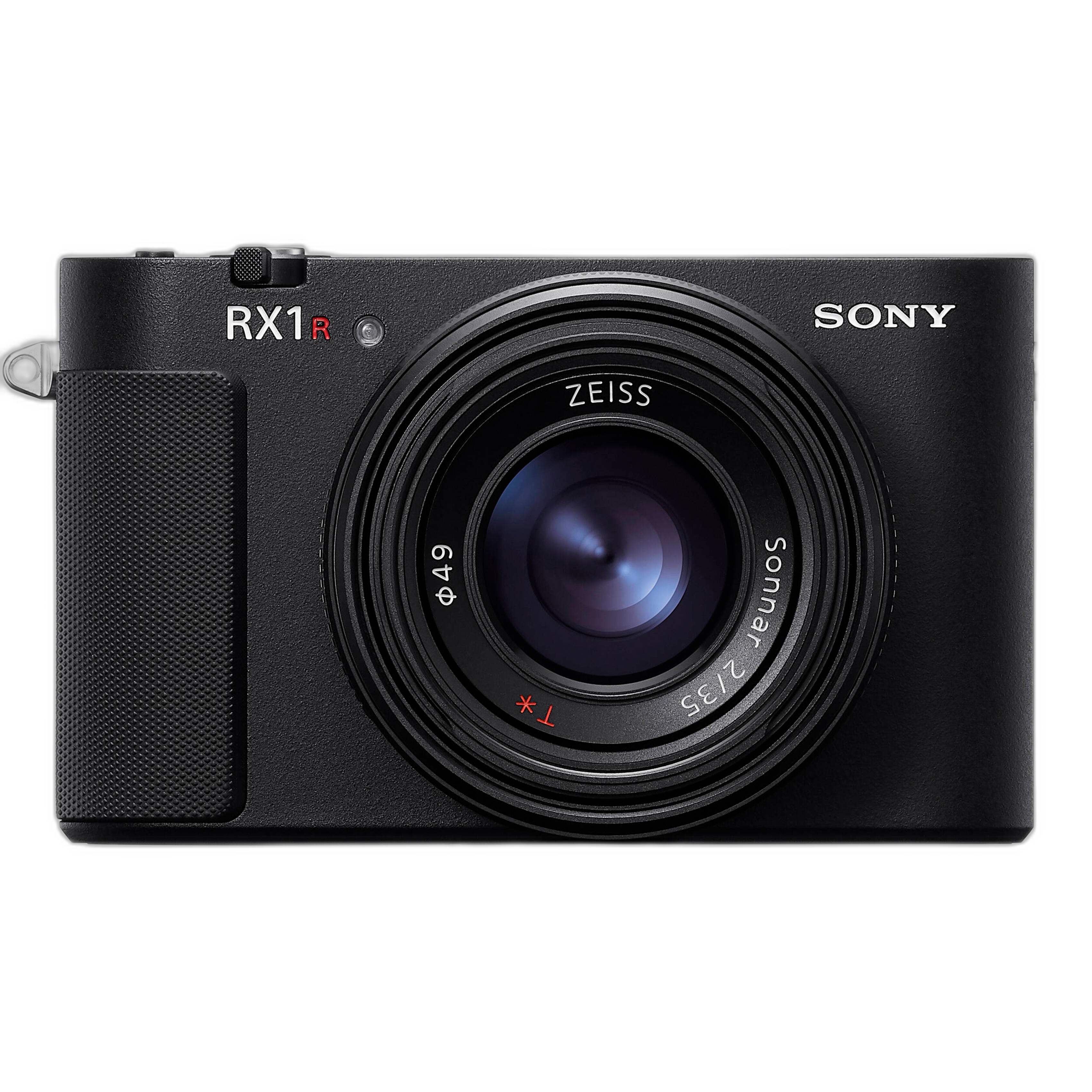
Side-by-Side Specs Comparison
| Model | Type | Sensor Format | Lens Situation | Stabilization | Low Light Strength | Best For |
|---|---|---|---|---|---|---|
| OM SYSTEM OM-5 | Mirrorless body | Micro Four Thirds | Interchangeable lens | In-body stabilization | Excellent handheld shooting flexibility | Travel, handheld night scenes, hiking, city photography |
| FUJIFILM X-T30 III | Mirrorless body | APS-C | Interchangeable lens | Lens-based stabilization only, depending on lens | Good sensor size and strong image quality | Street, portraits, compact everyday low light work |
| Canon EOS R10 w/ 18-150mm | Mirrorless kit | APS-C | Interchangeable lens, includes zoom | Lens-dependent stabilization | Strong AF, flexible kit range, less ideal lens speed in kit form | Beginners, events, family photography, general use |
| Sony RX1R III | Premium compact | Full-frame | Fixed lens | Compact-focused design | Best sensor advantage for clean high ISO results | Premium travel, documentary, available-light image quality |
Which Camera Type Works Best in Low Light?
Low light photography is not only about sensor size. Bigger sensors usually help with noise control and dynamic range, but stabilization, lens brightness, and autofocus confidence can matter just as much in real-world shooting. A stabilized camera with a moderately sized sensor can outperform a larger-sensor model when you are handholding at very slow shutter speeds. Likewise, a fast prime lens can make more difference than changing bodies.
That is why this comparison is especially useful: each camera approaches low light differently. The OM-5 leans on stabilization and portability, the X-T30 III balances APS-C quality in a small body, the EOS R10 emphasizes ease of use and autofocus, and the RX1R III aims for premium full-frame performance in a compact package.
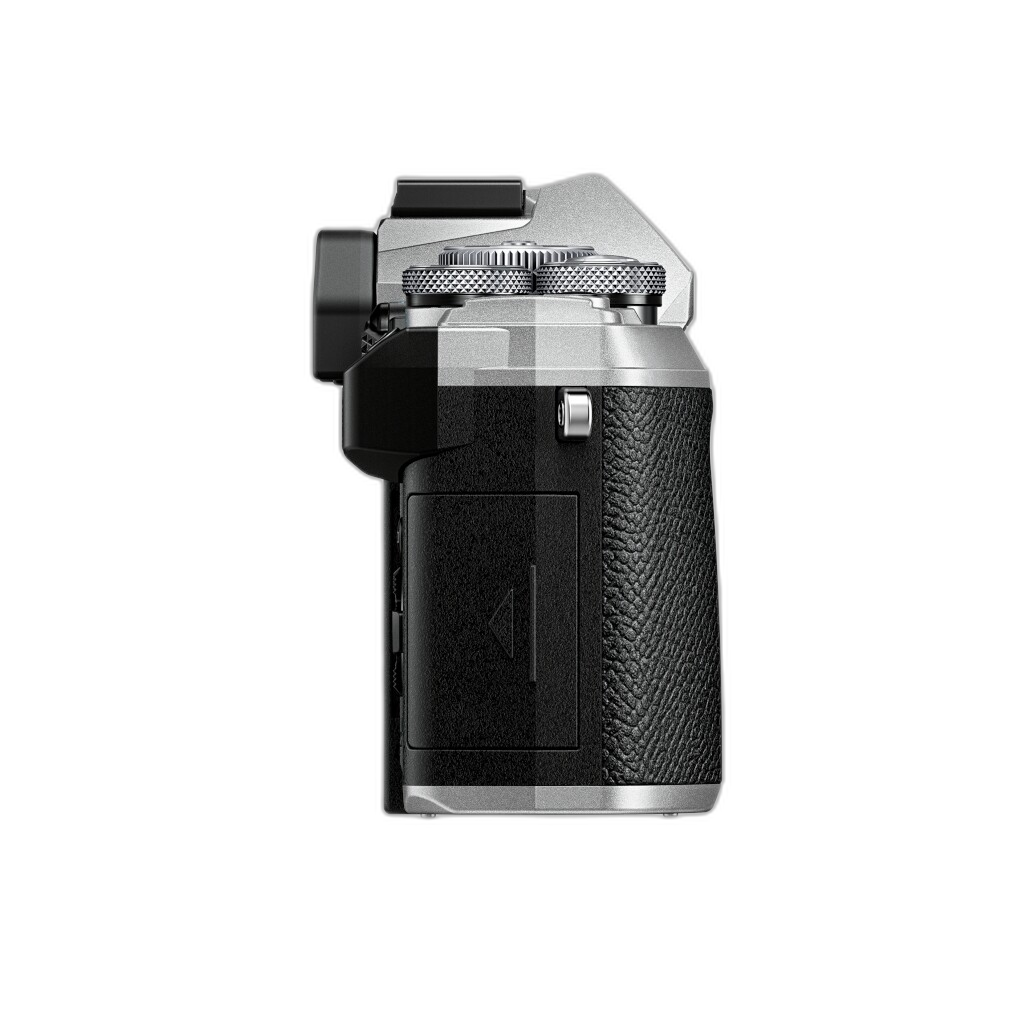
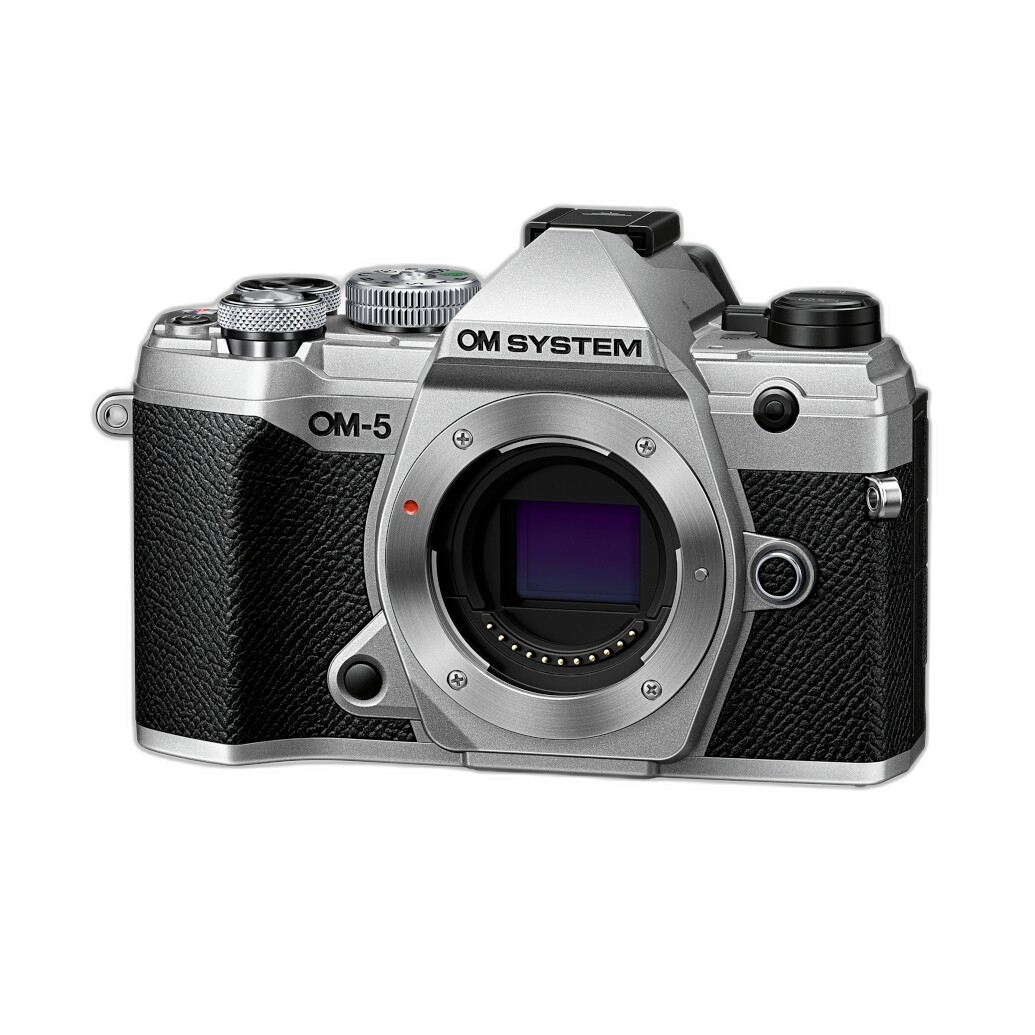
OM SYSTEM OM-5: The Handheld Night Shooter
The OM SYSTEM OM-5 stands out because in-body image stabilization is one of the most valuable features for low light photographers who shoot static scenes. If your subject is a city street, architecture, museum interior, or nighttime landscape, stabilization lets you use slower shutter speeds without immediately pushing ISO too high.
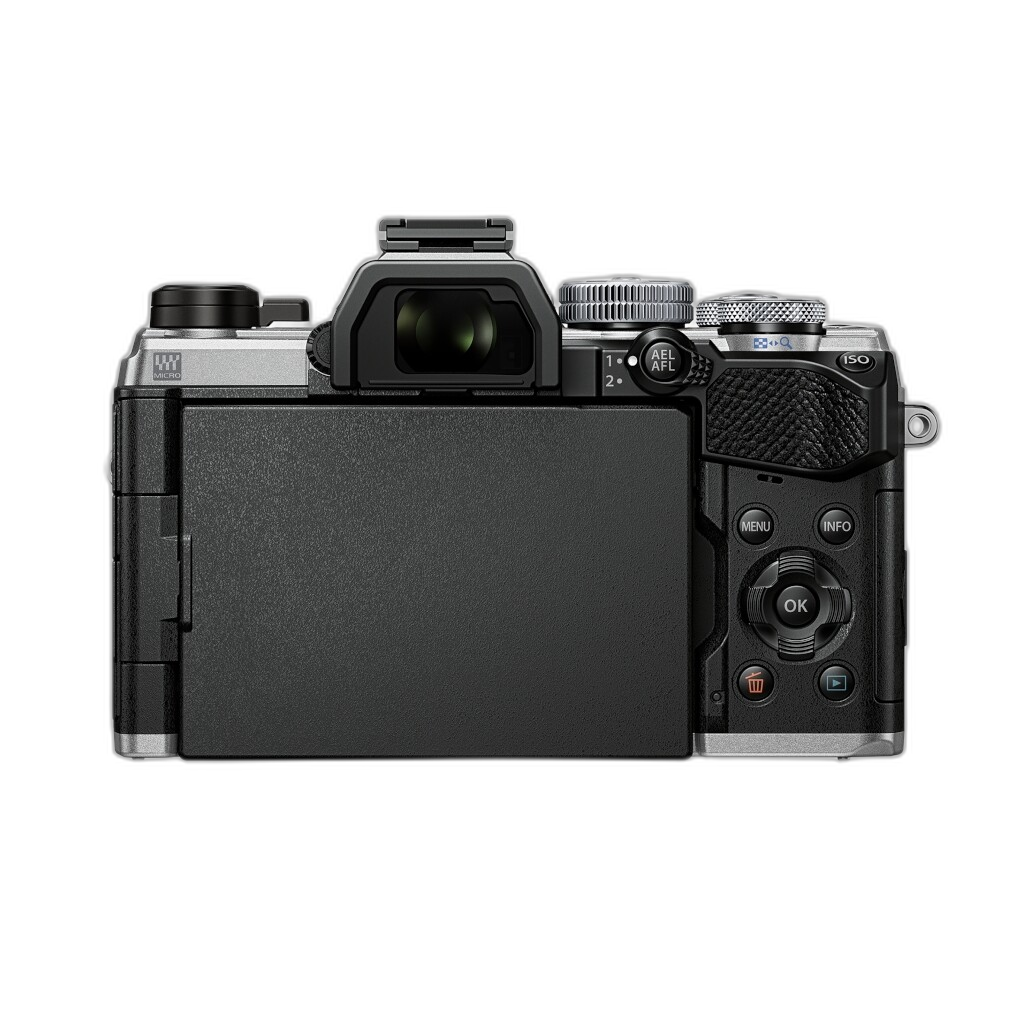
Its Micro Four Thirds sensor is smaller than APS-C or full-frame options, so it may not deliver the same high ISO cleanliness as the Sony RX1R III. But the OM-5 often compensates in practical use because it is easier to handhold steadily. Pair it with a bright prime lens and it becomes a very capable low light travel camera.
Why it works in low light: superb stabilization, compact body, strong portability for handheld available-light shooting.
Watch out for: smaller sensor means less margin at extreme ISO settings versus larger-format competitors.
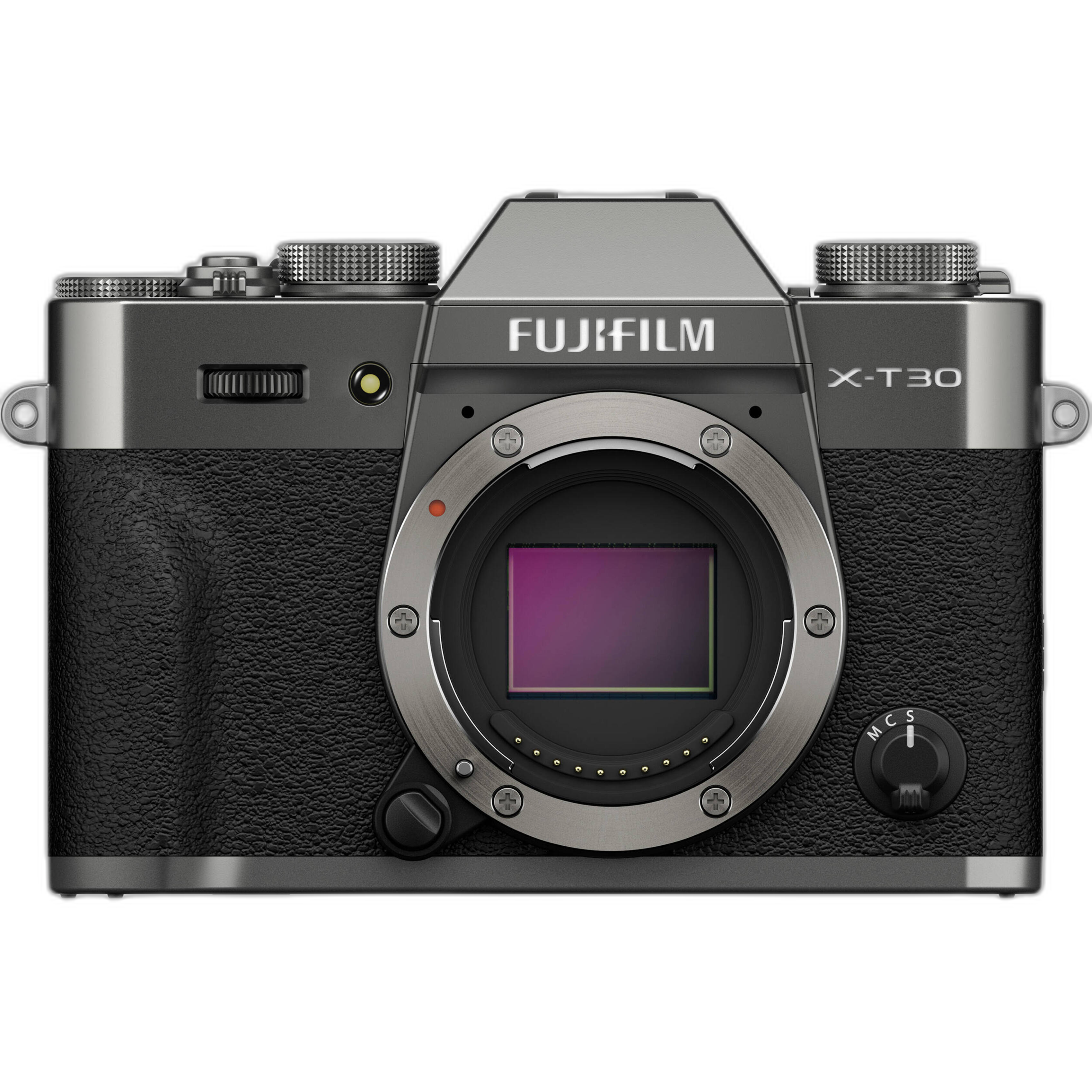
FUJIFILM X-T30 III: Great Balance of Size and Image Quality
The FUJIFILM X-T30 III is a compelling choice for photographers who want better low light image quality than smaller-sensor systems while still keeping their kit compact. APS-C gives it a useful edge in noise performance over Micro Four Thirds in many dim environments, and Fujifilm's system has excellent prime lens options for evening street photography, portraits, and indoor shooting.
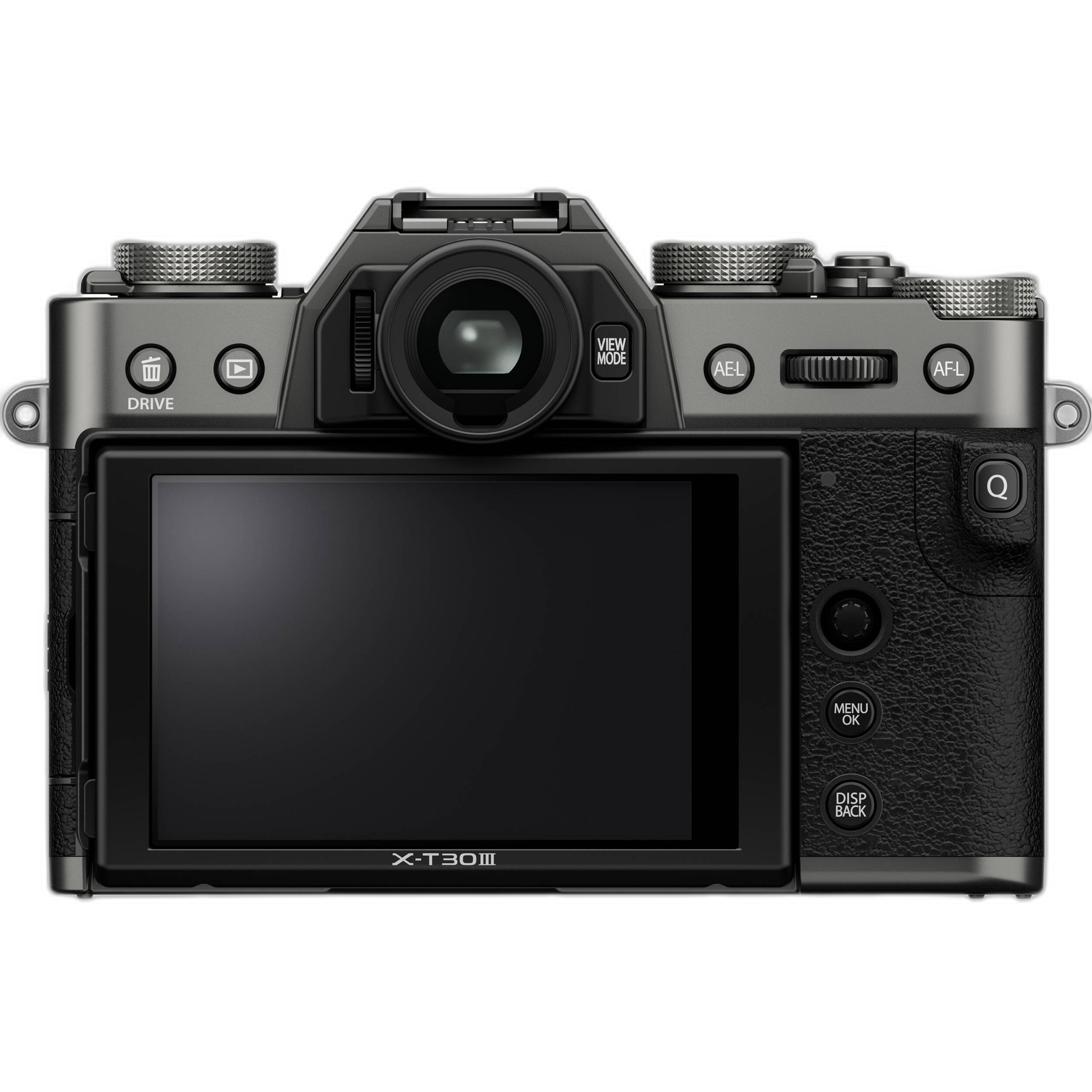
The main limitation is stabilization. Unlike the OM-5, the X-T30 III depends more heavily on lens choice and shooting technique in low light. With a fast stabilized lens, or a bright non-stabilized prime and careful handholding, it can be excellent. But if you routinely shoot at very slow shutter speeds, the OM-5 may be easier to use handheld.
Why it works in low light: strong APS-C image quality, compact design, access to excellent Fujifilm lenses.
Watch out for: no in-body stabilization advantage in the body itself, so lens selection matters more.
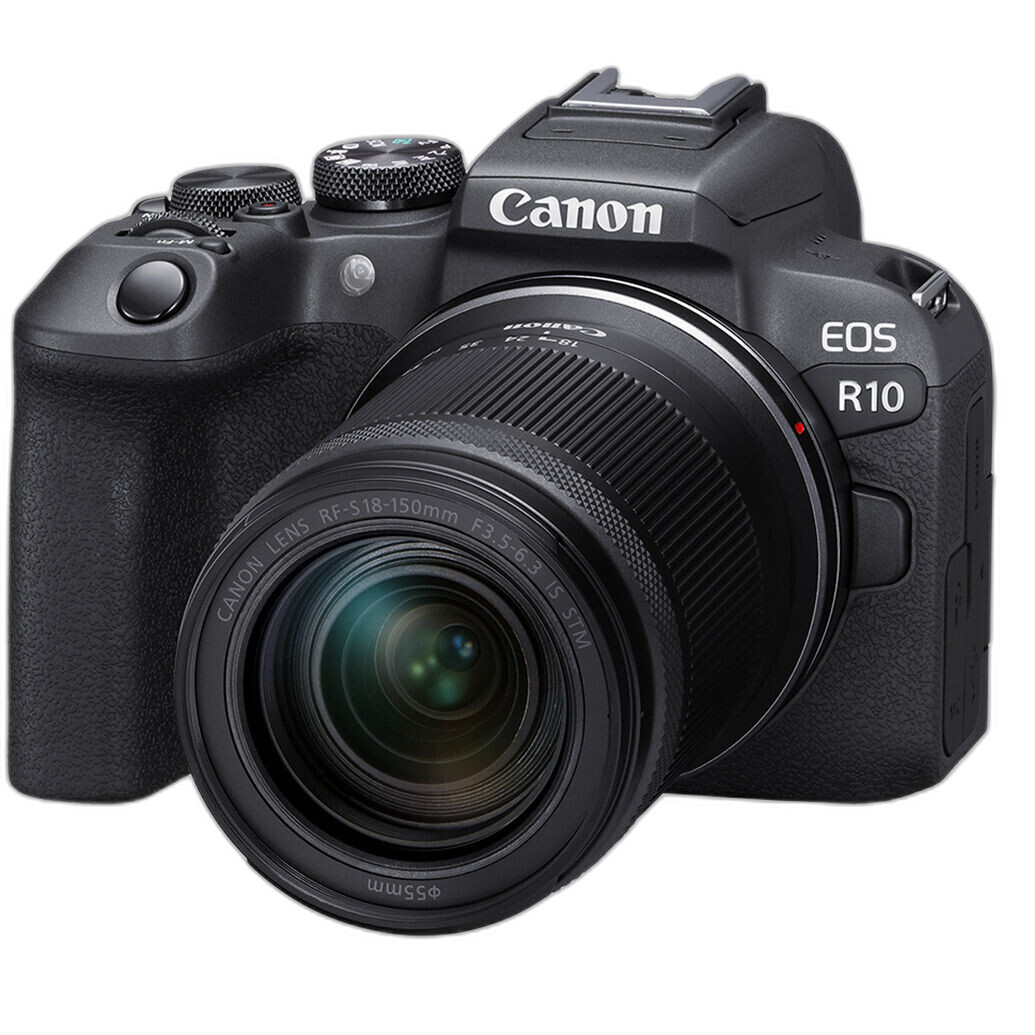
Canon EOS R10: Best for Newer Shooters Who Need Dependable AF
The Canon EOS R10 is a very approachable low light camera, especially for photographers who care about subject tracking and autofocus confidence. For events, kids indoors, casual performances, and family photography, autofocus can matter even more than absolute sensor performance.
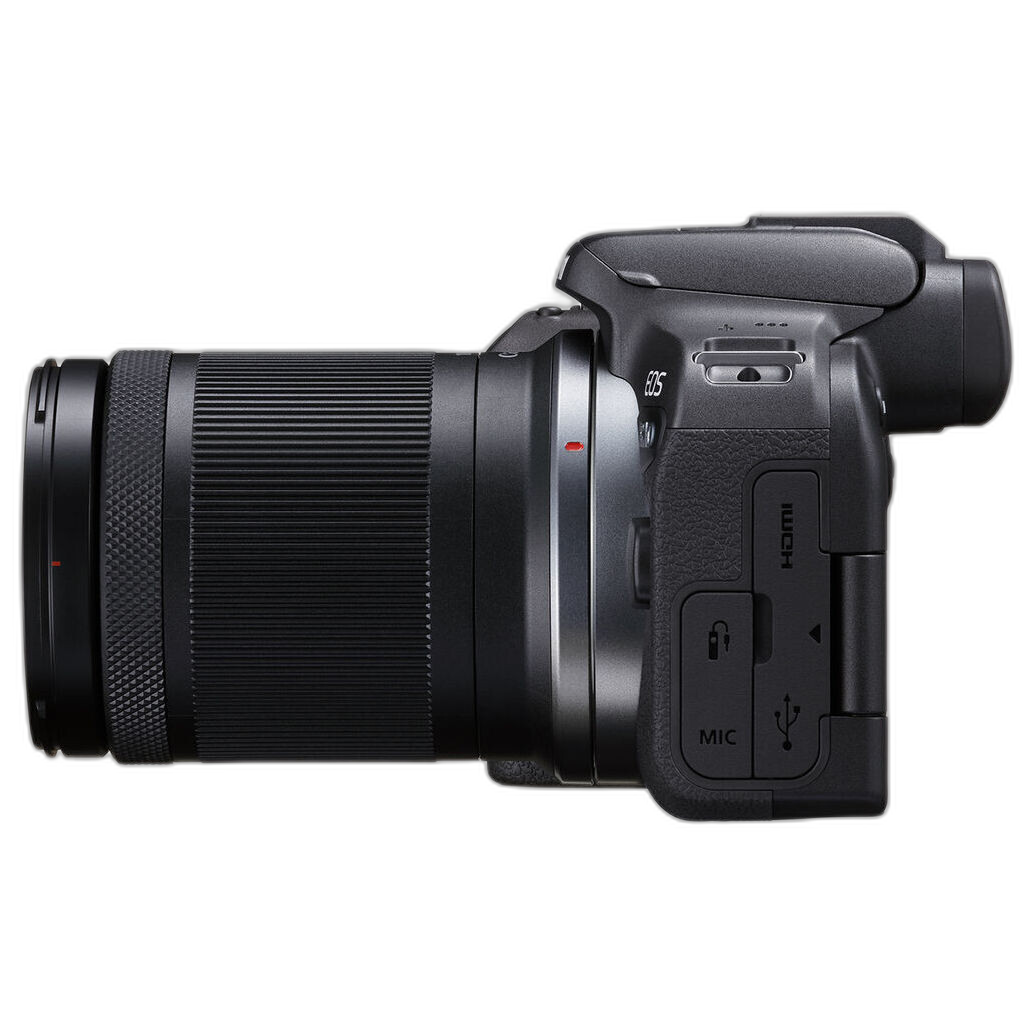
In this specific kit, the included 18-150mm lens adds versatility, but superzoom lenses are usually not the fastest low light choice. That means the body itself may feel more capable in dim conditions than the bundled lens allows. Add a brighter RF lens and the R10 becomes far more convincing for available-light work.
Why it works in low light: friendly handling, strong autofocus, flexible system growth path.
Watch out for: the included zoom prioritizes convenience over maximum low light speed.
Sony RX1R III: Premium Full-Frame Quality in a Compact Form
The Sony RX1R III is the most specialized option here and arguably the most image-quality-focused for low light stills. A full-frame sensor gives it a real advantage for noise control, tonal depth, and maintaining image quality at higher ISO settings. For photographers who want a compact camera but refuse to compromise much on available-light image quality, this is the standout.
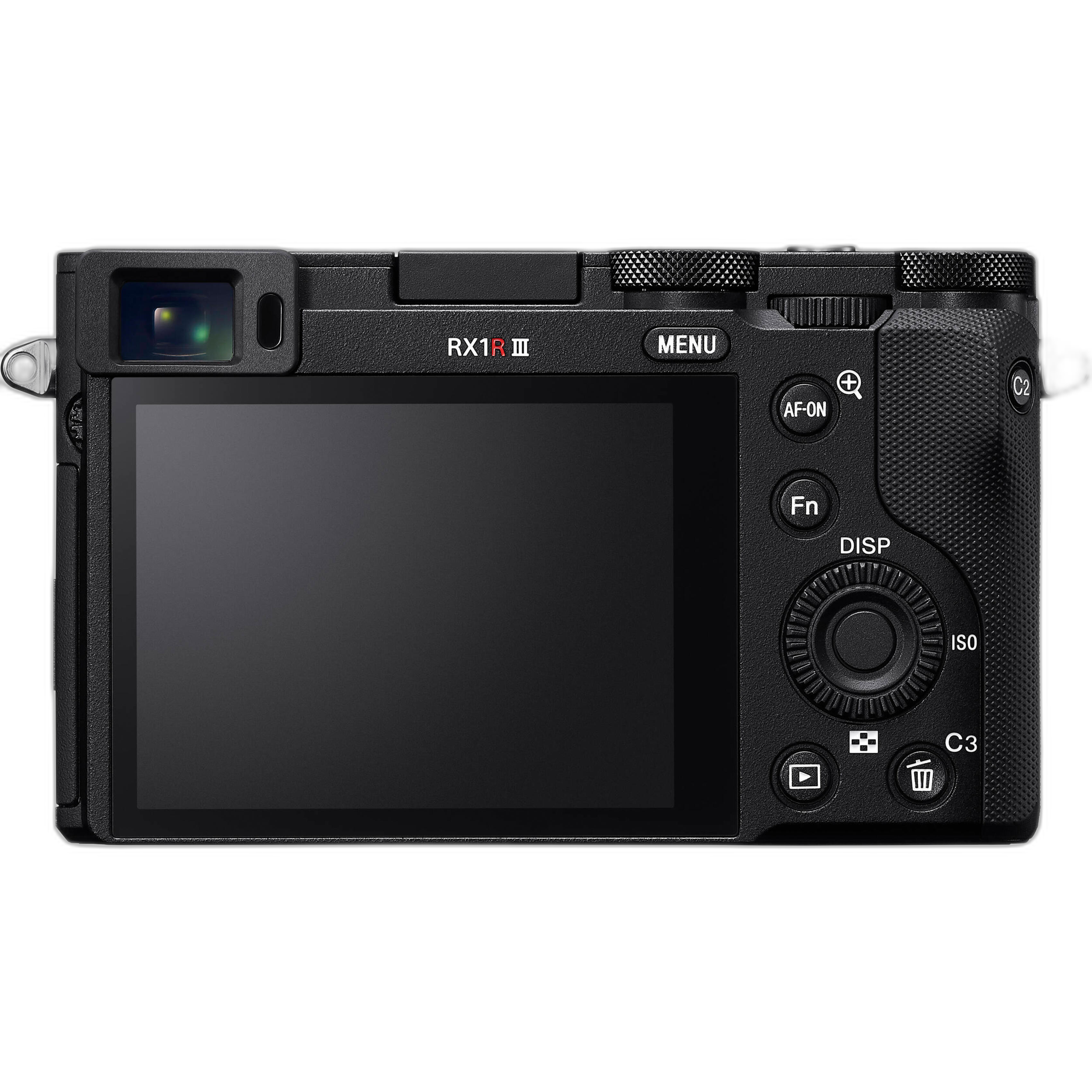
Its tradeoff is system flexibility. Because it is a premium compact with a fixed-lens concept, it is less adaptable than interchangeable-lens bodies. Still, if the built-in lens suits your style, this can be one of the most elegant solutions for low light documentary, travel, and street photography.
Why it works in low light: full-frame sensor advantage, premium compact design, strong available-light image potential.
Watch out for: less flexibility than interchangeable-lens systems.
Recommended Low Light Settings to Start With
For Static Subjects
If your subject is not moving, start with these priorities:
- Use the widest practical aperture available on your lens.
- Keep shutter speed as low as you can handhold safely.
- Let ISO rise only as much as needed.
- Enable stabilization if your camera or lens offers it.
For the OM-5, this approach is especially effective because stabilization is a major strength. For the X-T30 III and EOS R10, success depends more on lens choice and careful shutter speed control. For the RX1R III, you can usually tolerate higher ISO settings with more confidence thanks to the full-frame sensor.
For Moving Subjects
When subjects move, stabilization no longer solves everything. Start here:
- Use shutter priority or manual exposure.
- Keep shutter speed around 1/125s to 1/250s for casual movement, faster for action.
- Open aperture wide.
- Use Auto ISO with a maximum you are comfortable cleaning up in post.
- Use continuous autofocus and subject tracking where available.
This is where the Canon EOS R10 makes a strong case. Its autofocus-oriented design can be a major help in low light situations involving people and motion.
White Balance and File Format Tips
Indoor tungsten, LED signage, and mixed city lighting can make low light scenes look strange. Shoot RAW whenever possible so you can correct color later without sacrificing image quality. Auto white balance is usually fine as a starting point, but custom adjustment in editing often delivers better results for night scenes.
Our Pick
Best overall for most low light photographers: OM SYSTEM OM-5
If we are choosing one camera from this group for the broadest range of low light still photography needs, the OM SYSTEM OM-5 gets the nod. Its in-body stabilization makes it especially forgiving and practical for real handheld night shooting, travel, interiors, and city scenes. While the Sony RX1R III likely offers the strongest pure sensor advantage, the OM-5 is the more versatile recommendation for most photographers because it combines portability, lens flexibility, and stabilization in a very usable package.
Best premium image-quality pick: Sony RX1R III
Choose this if your priority is maximum compact full-frame low light image quality and the fixed-lens approach fits your shooting style.
Best value balance: FUJIFILM X-T30 III
A smart choice for photographers who want APS-C quality in a small body and plan to pair it with fast lenses.
Best beginner-friendly option: Canon EOS R10
A great starting point for users who want dependable autofocus and room to grow, especially once paired with a brighter lens.
Conclusion
For low light photography, the best camera depends on how you shoot. If you rely on handheld static scenes, stabilization can matter more than sensor size. If you shoot people in motion, autofocus and lens speed become more important. And if your goal is the cleanest files possible at high ISO, a full-frame option remains very attractive.
Among these models, the OM SYSTEM OM-5, FUJIFILM X-T30 III, Canon EOS R10, and Sony RX1R III each bring a different strength to low light work. If you are deciding which one best fits your style, Unique Photo is a great place to compare bodies, lenses, and accessories for building a complete low light setup.