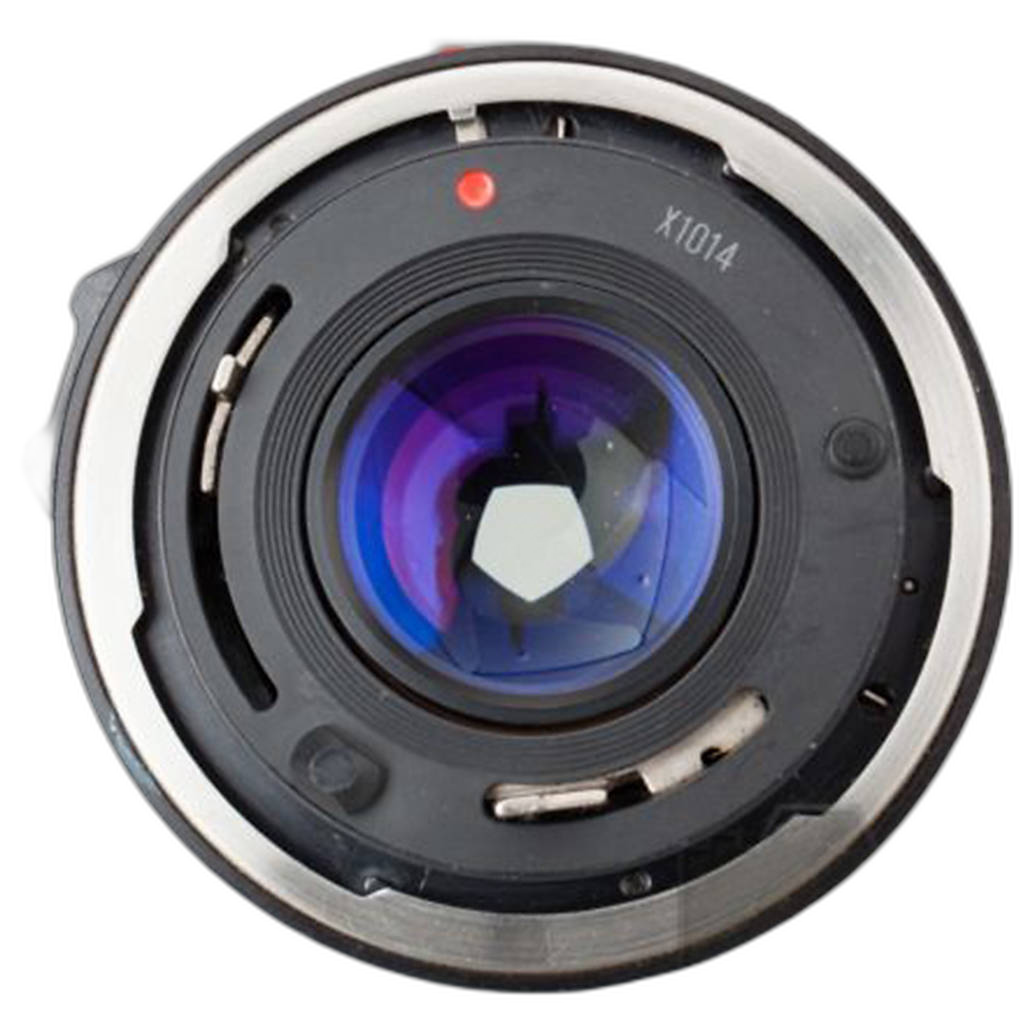
Sony’s Lens Compare Beta is a useful starting point for landscape photographers, especially if you’re trying to narrow down focal lengths before a trip. It can help you visualize framing differences and think more clearly about what ultra-wide, wide-to-standard, and walkaround zooms actually do in the field. But for outdoor shooters, the "best" landscape lens is rarely decided by a comparison tool alone. Weather, hiking distance, foreground subjects, stitched panoramas, and how much versatility you need all matter just as much.
If you’re wondering whether Sony Lens Compare Beta is enough to choose your next landscape lens, here are a few practical tips to keep your decision grounded in real shooting conditions.
Why Sony Lens Compare Beta Is Helpful
1. Use it to understand framing first
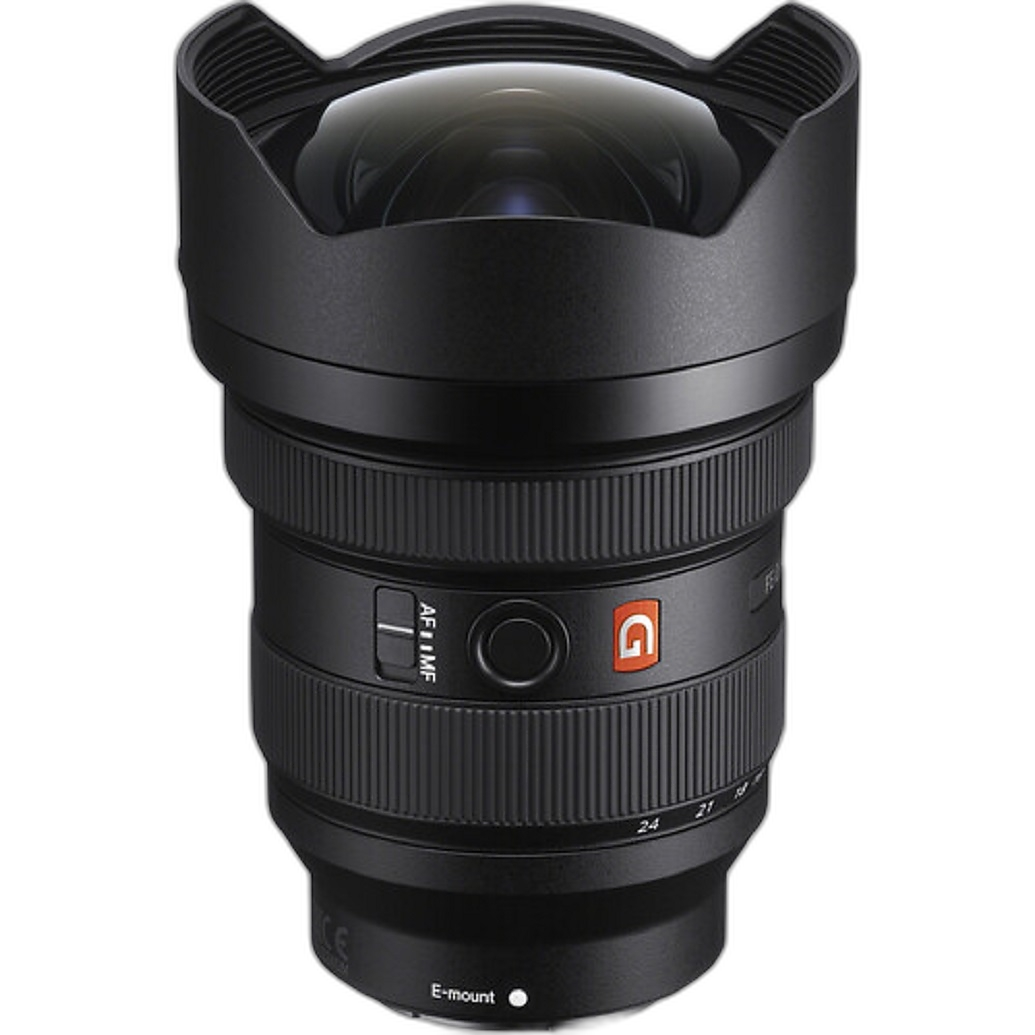
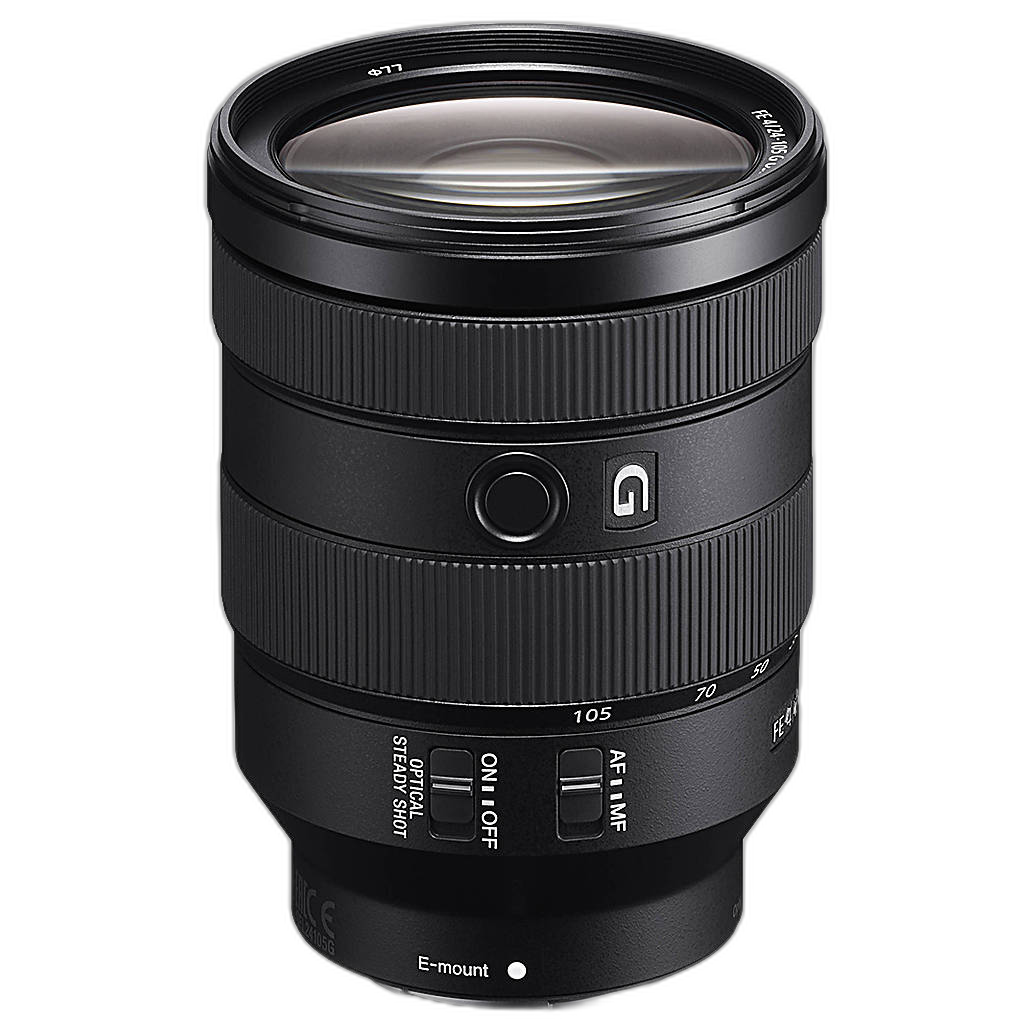
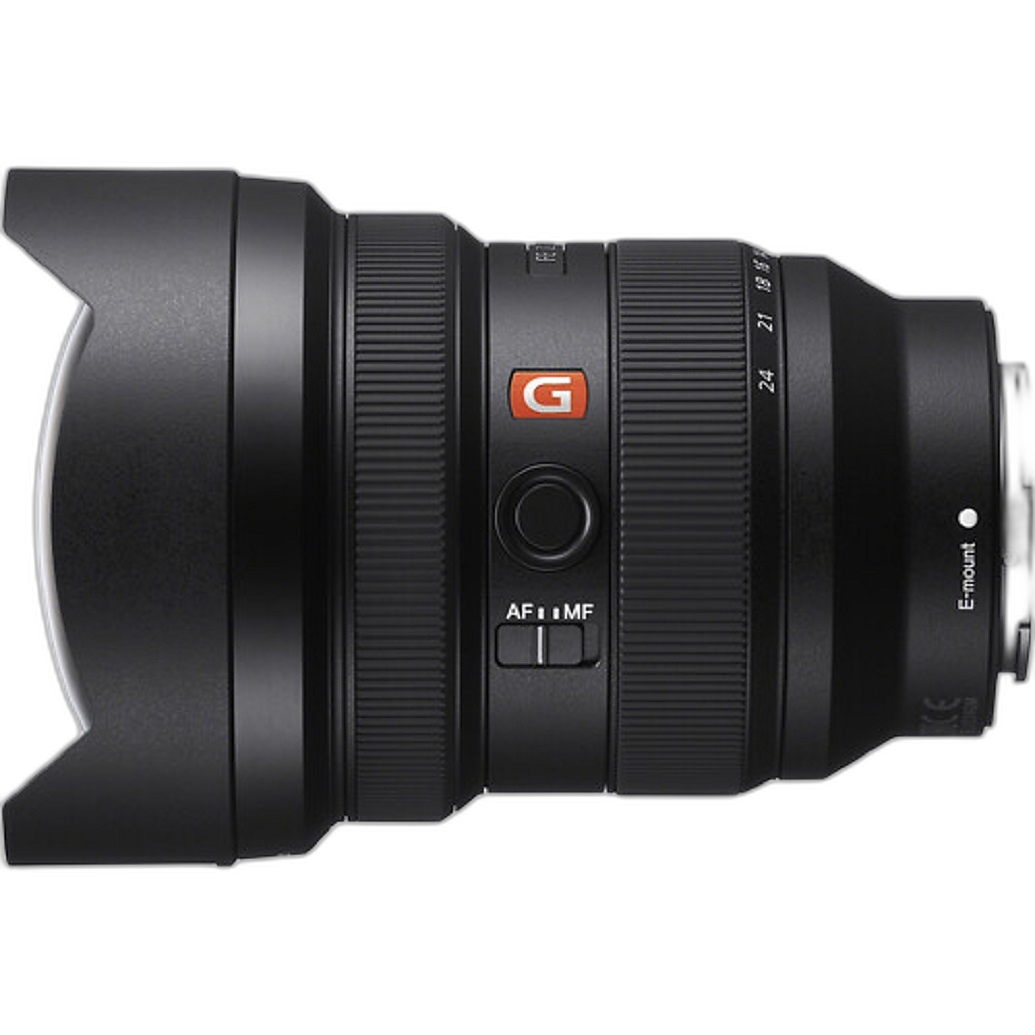
The biggest strength of Sony Lens Compare Beta is that it quickly shows how dramatically composition changes as focal length shifts. For landscape work, that matters. A lens like the Sony FE 12-24mm f/2.8 GM Lens gives you an expansive view that can exaggerate foreground elements, stretch skies, and help when you’re shooting in tight spaces such as canyons, overlooks, or crowded scenic pull-offs. By comparison, the Sony FE 24-105mm f/4 G OSS Lens offers a much broader working range for photographers who want both wide scenes and tighter mountain details without changing lenses.
That kind of side-by-side framing preview is valuable, because many photographers discover that what they really need is not simply "wider," but a more usable range for the way they shoot outdoors.
Where the Tool Falls Short for Real Landscape Photography
2. Don’t judge a lens by angle of view alone
Landscape photographers often get drawn toward the widest option, but extra width is only one piece of the puzzle. Sony Lens Compare Beta may show that 12mm captures far more of a scene than 24mm, but it won’t tell you whether that width helps your composition or makes it harder. Ultra-wide lenses can create dramatic results, but they also demand stronger foregrounds and more careful edge control.
The Sony FE 12-24mm f/2.8 GM Lens is an impressive choice for photographers who love immersive vistas, night landscapes, and bold foreground-to-background storytelling. But if your style leans toward layered hillsides, compressed scenes, or picking out light on distant ridges, the Sony FE 24-105mm f/4 G OSS Lens may actually be the more practical landscape lens even if it looks less dramatic in a simple compare tool.
3. Consider hiking and travel needs
Outdoor shooters do not work in controlled conditions. Sometimes you’re climbing before sunrise, working around changing weather, or trying to keep your bag light during a long trail day. A comparison tool may help with focal length decisions, but it won’t tell you how often you’ll want to carry multiple lenses versus one flexible zoom.
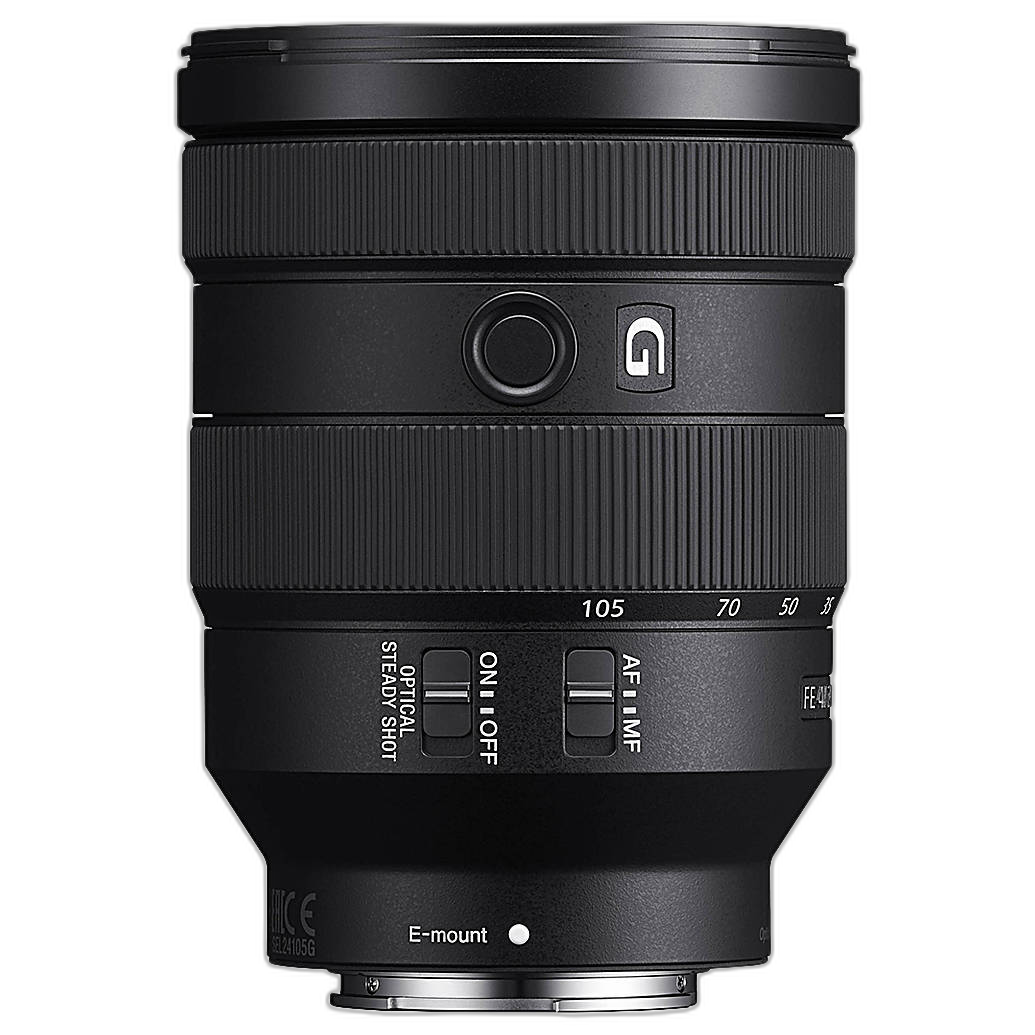
For many hikers and travel landscape photographers, the Sony FE 24-105mm f/4 G OSS Lens stands out because it covers classic wide landscape views while also reaching into short telephoto territory. That means you can capture a broad valley at 24mm, then zoom to isolate a waterfall, tree line, or mountain peak at 105mm. If your goal is to come home with a more varied set of images, versatility can matter more than maximum width.
Tips for Choosing the Best Landscape Lens Beyond the Beta Tool
4. Match the lens to your landscape style
- Choose ultra-wide if you love dramatic foregrounds, sweeping skies, rock formations, and environmental scale. The Sony FE 12-24mm f/2.8 GM Lens is a strong fit for that approach.
- Choose a standard-to-tele zoom if you prefer flexibility, travel efficiency, and the ability to crop scenes in-camera. The Sony FE 24-105mm f/4 G OSS Lens is especially useful for outdoor shooters who photograph everything from grand landscapes to details along the trail.
- Choose both only if your workflow supports it. Some photographers benefit from carrying an ultra-wide plus a general-purpose zoom, but many discover one well-chosen lens is what actually gets used most.
5. Think about stitching before buying extra width
One thing Lens Compare Beta doesn’t really teach is technique. Many landscape photographers can create wider final images by stitching multiple frames from a lens that isn’t extremely wide. If you already like the look of 24mm and want more resolution or a wider field of view, panorama stitching may reduce the need to jump straight to the widest possible glass.
That makes the Sony FE 24-105mm f/4 G OSS Lens even more appealing for some shooters. You can shoot a single wide composition, then create stitched panoramas when the scene calls for more coverage. On the other hand, if you regularly work in spaces where stepping back is impossible, the Sony FE 12-24mm f/2.8 GM Lens still offers a clear real-world advantage.
6. Remember low light and night landscapes
Outdoor photography does not stop at sunset. If you also shoot astrophotography, blue-hour scenes, or dramatic weather at dawn and dusk, lens speed matters. This is where the Sony FE 12-24mm f/2.8 GM Lens becomes especially compelling. Its ultra-wide coverage and bright aperture make it attractive for photographers who want one lens that can handle expansive daytime landscapes and nighttime skies.
By contrast, the Sony FE 24-105mm f/4 G OSS Lens is often the more flexible daytime and travel landscape choice, but its strength is range rather than specialized low-light ultra-wide performance.
How to Test a Landscape Lens Decision More Realistically
7. Build a field checklist instead of trusting specs alone
Before deciding that Sony Lens Compare Beta has given you the answer, ask yourself:
- Do I usually shoot big foreground-driven scenes or more distant, layered compositions?
- Am I carrying this lens on long hikes or short roadside outings?
- Do I need one lens for landscapes, travel, and general photography?
- Will I shoot sunrise, sunset, or astrophotography often?
- Would stitching panoramas cover my ultra-wide needs?
If your answers lean toward maximum drama and low-light capability, the Sony FE 12-24mm f/2.8 GM Lens may be your best landscape option. If they lean toward versatility and efficiency, the Sony FE 24-105mm f/4 G OSS Lens may be the smarter outdoor companion.
8. Learn in the field with guided practice
Sometimes the fastest way to understand lens choice is to shoot alongside experienced photographers. A workshop like Macro and Landscape Photography at Duke Farms with Michael Downey can help photographers see how focal length decisions affect composition in a real outdoor environment. That kind of hands-on experience often reveals more than any online compare tool can.

So, Is Sony Lens Compare Beta Enough?
Sony Lens Compare Beta is helpful, but it is not enough by itself for serious outdoor shooters. It’s a strong visualization tool for understanding focal length and framing, yet it cannot fully account for your hiking style, subject preferences, shooting conditions, or how you build compositions in the field.
For many photographers, the answer comes down to this: the Sony FE 12-24mm f/2.8 GM Lens is a standout for dramatic ultra-wide landscapes and low-light outdoor work, while the Sony FE 24-105mm f/4 G OSS Lens is often the better all-around landscape lens for travel, flexibility, and everyday outdoor shooting.
If you’re still deciding, Unique Photo is a great place to explore Sony lenses, compare options, and get closer to the setup that matches the way you actually shoot outdoors.