If you're trying to decide between a mirrorless camera and a DSLR, you're not alone. This is one of the most common debates among photographers shopping for a new body, upgrading an older system, or thinking about long-term lens investments. The short version: mirrorless cameras now lead in autofocus, video tools, compact design, and ongoing development, while DSLRs still appeal to photographers who value optical viewfinders, strong battery life, familiar handling, and access to a deep used-lens market.
This guide is for photographers weighing today's technology against tomorrow's system longevity. Whether you're a beginner looking for value, a travel shooter chasing portability, or a serious enthusiast considering a major system buy-in, the right answer depends on how you shoot—not just which category wins on paper.
Mirrorless vs DSLR: The Big Picture
Mirrorless cameras remove the mirror box found in DSLRs, allowing for smaller bodies, electronic viewfinders, and imaging systems built around live-view performance. In practical use, that usually means better subject detection, more advanced burst shooting, stronger video performance, and more accurate previewing of exposure and color before you press the shutter.
DSLRs still have real advantages. Optical viewfinders remain appealing for photographers who prefer a direct, lag-free view of the scene. Battery life is often stronger, and many DSLR systems offer excellent value on the used market thanks to years of mature lens development. For some shooters, especially those already invested in DSLR glass, sticking with a DSLR can still be a smart move.
That said, from a future-proofing standpoint, mirrorless is where nearly all major camera development is happening. New bodies, flagship autofocus systems, and most cutting-edge lens designs are increasingly centered on mirrorless mounts.
What Matters Most When Choosing Today
| Factor | Mirrorless Advantage | DSLR Advantage |
|---|---|---|
| Autofocus | Eye detection, subject tracking, frame-wide AF coverage | Reliable viewfinder AF on many proven bodies |
| Size & Weight | Typically smaller and lighter bodies | Often better balance with large telephoto lenses |
| Viewfinder | Exposure preview, focus aids, overlays | Optical, natural view with no EVF lag |
| Battery Life | Improving steadily | Usually longer endurance per charge |
| Lens Ecosystem | Rapid growth and modern optical designs | Large used market and many affordable legacy options |
| Video | Generally more advanced features and AF | Often less current for hybrid creators |
| Longevity | Strongest path for future development | Good value now, but fewer new body releases |
Why Mirrorless Is Winning the Longevity Debate
If you're starting fresh, mirrorless is usually the safer long-term bet. Manufacturers are prioritizing mirrorless lens roadmaps, autofocus innovation, firmware updates, and premium body development. This doesn't make DSLRs obsolete, but it does mean mirrorless buyers are stepping into ecosystems with more forward momentum.
Mirrorless also makes adaptation easier. Many photographers can use older DSLR lenses on newer mirrorless bodies with adapters, which softens the transition and protects past investments.
Recommended Mirrorless Cameras to Consider
Sony a7R VI Mirrorless Camera
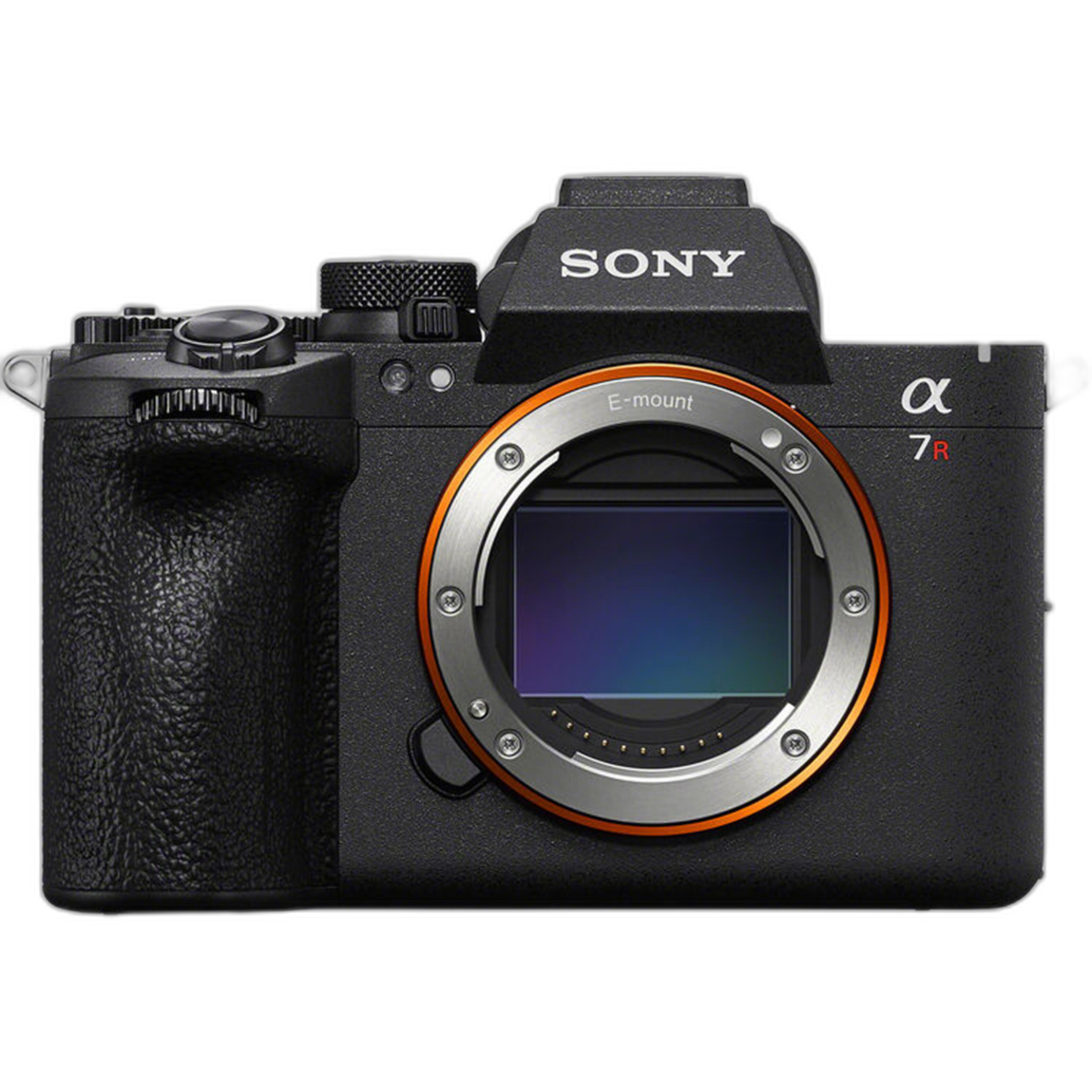
The Sony a7R VI is the kind of camera that makes the DSLR-vs-mirrorless debate feel largely settled for advanced users. Sony's mirrorless platform is one of the most mature on the market, with a deep lens ecosystem that spans first-party G Master glass and extensive third-party support. For photographers who care about resolution, autofocus sophistication, and long-term system confidence, this is a standout option.
Compared to a DSLR, a camera like this highlights mirrorless at its best: advanced subject detection, broad autofocus coverage, a modern electronic viewfinder experience, and access to a rapidly evolving full-frame lens lineup. If you shoot landscapes, portraits, commercial work, or hybrid photo/video content, this is a compelling flagship-tier direction.
Best for: Serious enthusiasts and professionals who want maximum performance and system longevity.
Used Nikon Zf Mirrorless Camera with 40mm f/2 SE Lens - Excellent
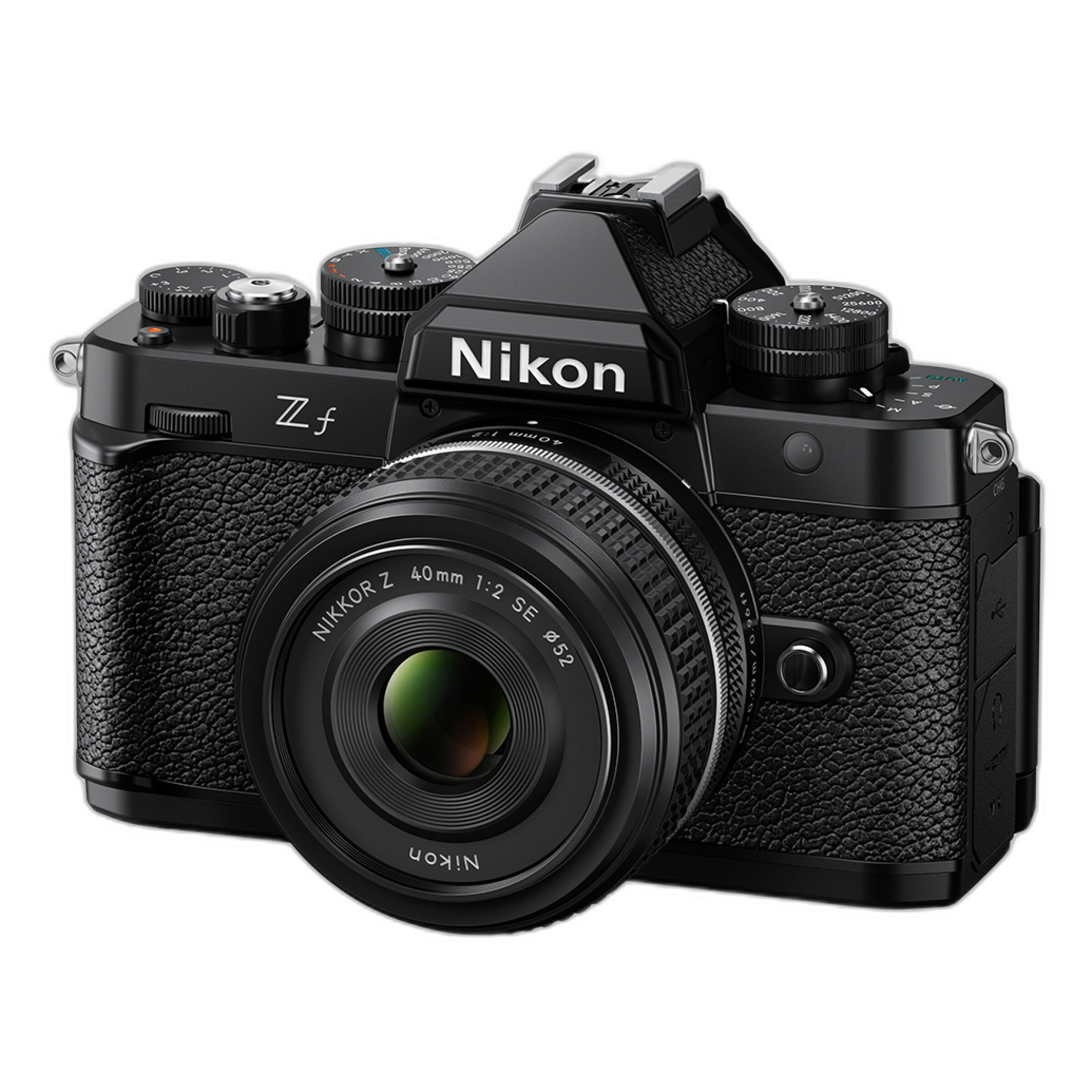
The Nikon Zf offers one of the most appealing blends of retro-inspired handling and modern mirrorless performance. For photographers coming from DSLRs, it can feel especially attractive because it preserves a tactile, photography-first shooting experience while giving you the benefits of Nikon's current Z-mount future.
The included 40mm f/2 SE lens adds immediate value, making this used kit a smart entry into full-frame mirrorless. It's a strong option for street photography, travel, portraits, and everyday shooting. If you love the feel of classic cameras but want modern autofocus and an actively growing lens system, this is a thoughtful middle ground.
Best for: Enthusiasts who want classic control layout with modern mirrorless advantages.
OM SYSTEM OM-5 Mirrorless Camera (Silver, Body Only)
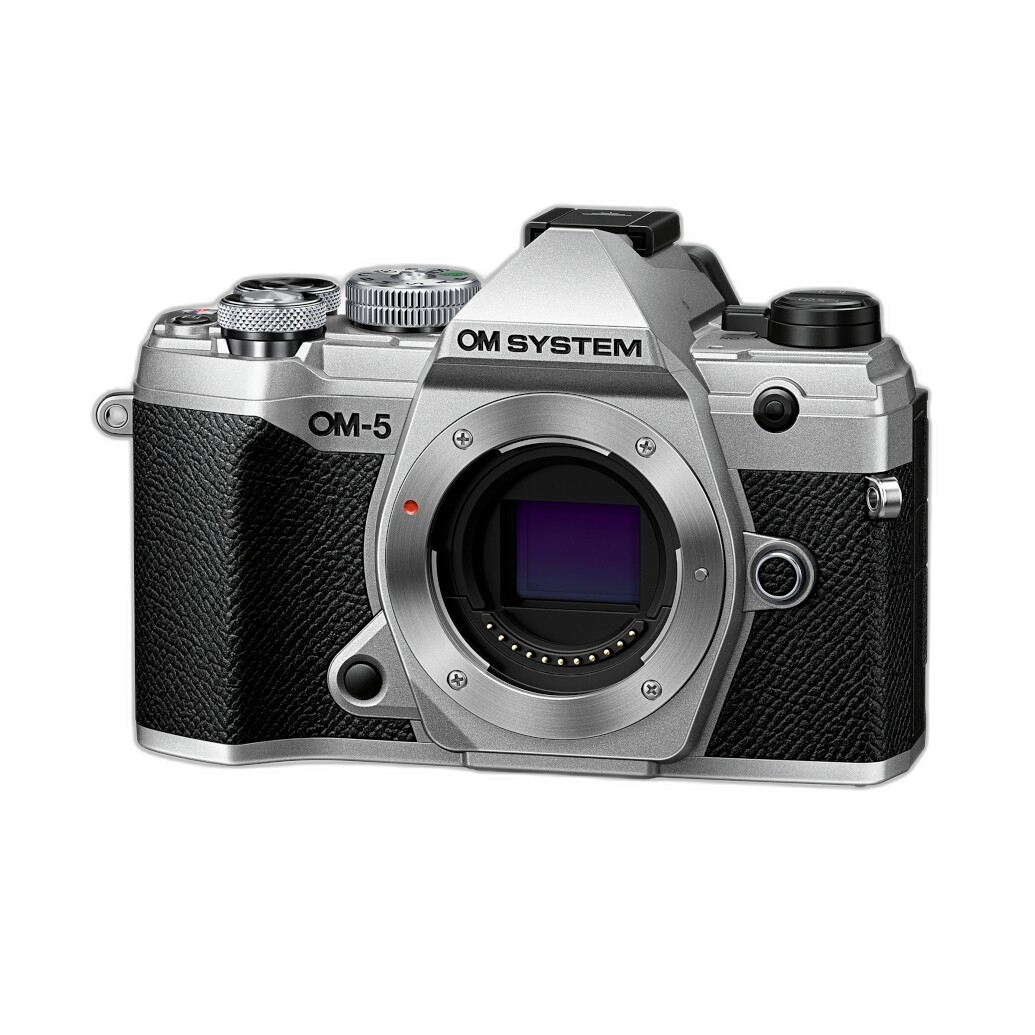
One of mirrorless photography's biggest strengths is portability, and the OM SYSTEM OM-5 is a great example. It offers a lightweight, travel-friendly body that appeals to outdoor photographers, hikers, and anyone who values carrying less gear without giving up interchangeable lenses.
Against a DSLR, the OM-5 makes a strong case for compact system design. The Micro Four Thirds ecosystem remains one of the easiest ways to build a small, highly capable kit, especially for travel, nature, and walkaround shooting. If your concern is whether mirrorless bodies can remain practical and versatile for years to come, this system proves that smaller formats still have a valuable place.
Best for: Travel, outdoor, and everyday photographers who prioritize compact gear.
Used Fair Canon EOS R3 Mirrorless Digital Camera (Body Only)

For action, sports, and professional event work, the Canon EOS R3 shows how far mirrorless has come in high-speed performance. Cameras in this class have dramatically narrowed or surpassed the traditional DSLR advantages once associated with sports shooting, especially when it comes to subject tracking and blackout-minimized shooting experience.
Canon's RF mount is central to the company's future, making the R3 a strong long-term choice for photographers who need professional durability and speed. Buying used can also make a pro-level mirrorless body more attainable than expected.
Best for: Sports, action, and event professionals moving into Canon's mirrorless future.
Used Panasonic LUMIX S9 Mirrorless Camera (Body Only)
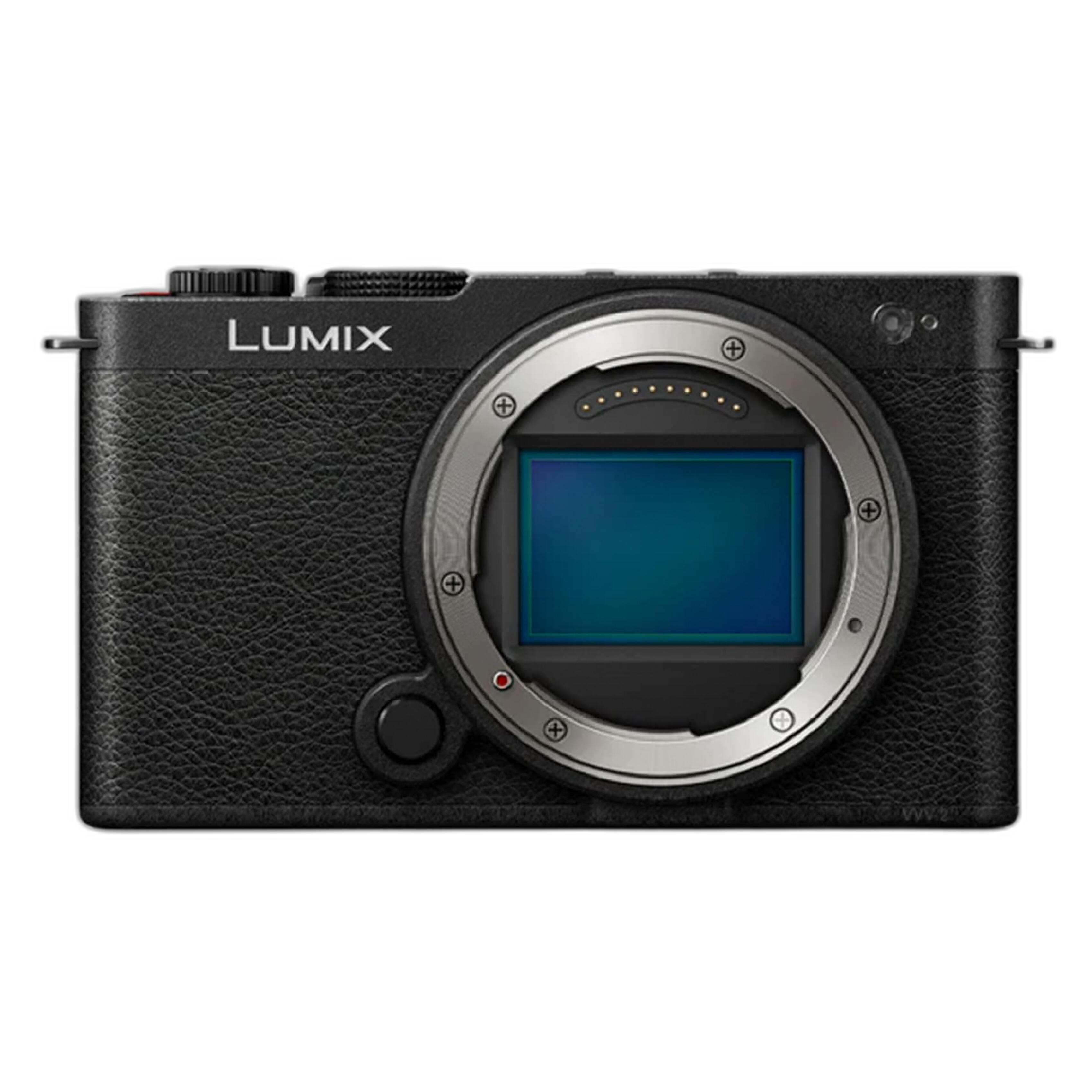
The Panasonic LUMIX S9 is a useful reminder that mirrorless isn't just about replacing DSLRs—it has also enabled new categories of compact, creator-focused full-frame cameras. If you're a hybrid shooter who wants modern imaging in a portable body, Panasonic's L-Mount ecosystem is worth a look.
For buyers thinking about longevity, the L-Mount alliance is an interesting advantage because it broadens lens options across multiple brands. That can be reassuring if you're trying to avoid a dead-end system.
Best for: Hybrid creators and photographers who want full-frame image quality in a modern, compact package.
Used Canon M100 Mirrorless Camera w/ 15-45mm Lens - Excellent
If your budget is limited and you're mainly deciding whether mirrorless is worth trying at all, the used Canon M100 can be a low-cost entry point. It won't represent the newest direction in Canon's current ecosystem the way RF bodies do, but it can still make sense for casual shooting, travel, and learning interchangeable-lens photography.
For longevity, this is the most cautious recommendation here. It's best viewed as an affordable starter camera rather than a system to build around for many years. If your priority is future expansion, other mirrorless mounts will make more sense.
Best for: Beginners who want an inexpensive first step into mirrorless.
Quick Comparison of the Recommended Mirrorless Options
| Product | Why It Stands Out | Who It's Best For | Longevity Outlook |
|---|---|---|---|
| Sony a7R VI | High-end performance and strong full-frame lens ecosystem | Advanced enthusiasts and pros | Excellent |
| Nikon Zf + 40mm f/2 SE | Classic feel with modern Nikon Z performance | Enthusiasts, street, travel | Excellent |
| OM SYSTEM OM-5 | Compact, weather-ready style system appeal | Travel and outdoor shooters | Very good |
| Canon EOS R3 | Pro speed and tracking autofocus | Sports and event pros | Excellent |
| Panasonic LUMIX S9 | Compact full-frame hybrid design | Creators and hybrid shooters | Very good |
| Canon M100 | Affordable used entry point | Beginners on a budget | Limited compared to newer mounts |
Helpful Add-Ons for a Mirrorless Kit
Think Tank V2 Mirrorless Mover 10 Cool Grey
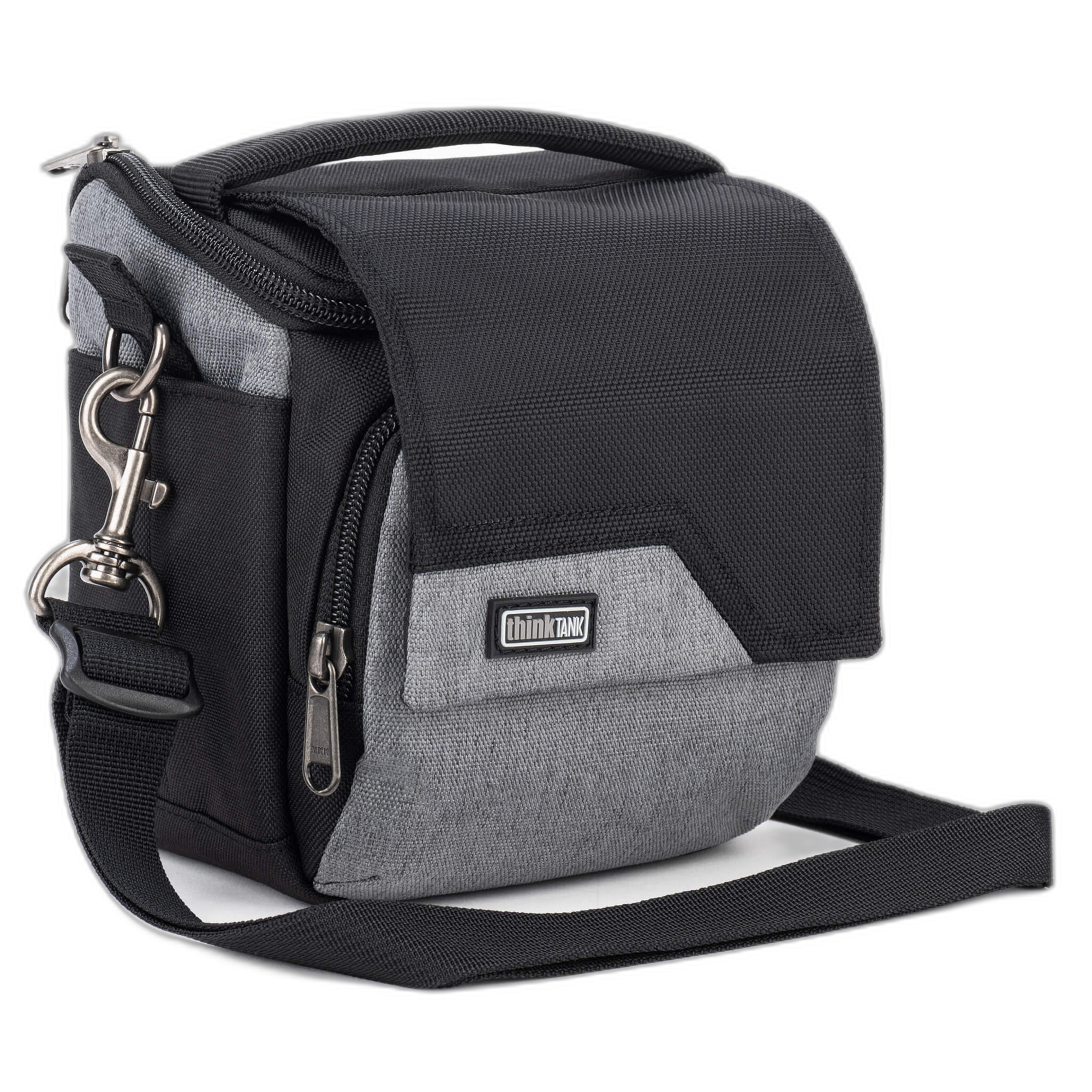
One practical advantage of many mirrorless systems is smaller kit size, and a compact dedicated bag helps you take full advantage of that. The Think Tank V2 Mirrorless Mover 10 is a smart accessory for photographers who want a lightweight carrying option for a body and essentials.
Understanding Your Sony Mirrorless Camera: Intermediate (Sony)
Modern mirrorless cameras are incredibly capable, but that also means they can be more complex. A class like this can help photographers unlock autofocus settings, custom controls, and workflow features that make today's mirrorless bodies so compelling.
So, Should You Buy a DSLR or Mirrorless Camera?
If you already own a DSLR system and it meets your needs, there may be no urgent reason to switch immediately. DSLRs still make excellent images, and the used market can offer tremendous value. But if you're buying fresh, planning for long-term lens support, or want the best autofocus and modern feature set, mirrorless is the stronger choice for most photographers today.
Our clearest recommendation is this: invest in mirrorless if you want the best balance of current technology and future system growth. Among the options here, the Sony a7R VI is the premium all-around standout, while the Nikon Zf is an especially appealing enthusiast choice for photographers who want a more tactile shooting experience. If portability matters most, the OM SYSTEM OM-5 deserves serious attention.
Whether you're comparing systems, shopping used for value, or building a future-ready kit, Unique Photo is an excellent place to explore mirrorless cameras, accessories, and education that can help you choose with confidence.