Home Film Developing FAQ: Gear, Steps, and B&W vs. Color
Developing film at home is one of the most rewarding ways to take control of your photographic process. Whether you are shooting medium format on a classic camera or processing your first roll of 35mm, the right setup can make home development approachable, consistent, and enjoyable.
At Unique Photo, we help film photographers build practical darkroom and processing workflows, from getting started with black-and-white to expanding into color development and printing. Below are answers to the most common questions photographers ask before mixing their first chemicals.
What do I need to start developing film at home?
For most beginners, a basic home processing kit includes a developing tank and reels, a changing bag or completely dark room for loading film, graduated cylinders, storage bottles, a thermometer, timer, clips for drying, and the appropriate chemistry for your film type. If you are processing black-and-white, the entry cost is usually lower and the process is more forgiving, which is why many photographers start there.
If you are shooting medium format and want a classic camera to pair with your home workflow, a folding 120 camera can be a fun way to explore the full analog process from capture to development. A used medium format option like the Voigtlander Perkeo I can be especially appealing for photographers who want larger negatives and a traditional film experience.
Once you begin thinking beyond development and into output, darkroom paper and print materials also become part of the conversation. For photographers building toward RA-4 color printing workflows, papers such as Fujifilm color enlarging paper are part of a more advanced setup.
Is black-and-white film easier to develop than color?
Yes. Black-and-white film is generally the easiest place to begin because chemical temperatures are less demanding, timing tolerances are broader, and the overall workflow is simpler. Small errors in agitation or temperature are often manageable, so new photographers have more room to learn technique without ruining a roll.
Color negative film, by comparison, requires tighter temperature control and more precise timing. That does not mean color is out of reach at home, only that it benefits from a more disciplined setup. If you are new to processing and want reliable early results, black-and-white is usually the smartest starting point. Once you are comfortable loading reels, measuring chemistry, and drying film cleanly, moving into color becomes much less intimidating.
How does the basic film developing process work?
The basic sequence is straightforward: load the exposed film onto reels in complete darkness, place the reels in a light-tight developing tank, and then pour in the chemistry in the correct order for your chosen process. For black-and-white, that usually means developer, stop bath or water rinse, fixer, and final wash. After washing, the film is hung to dry in a dust-free space.
The keys to consistency are accurate measurement, reliable timing, proper agitation, and stable temperature. It helps to work methodically and prepare everything before opening chemistry bottles. A clean, organized workspace will reduce mistakes and make the process much less stressful.
If your long-term goal includes making analog prints from your negatives, products in the darkroom paper category can support the next step after development. Fujifilm papers remain relevant for photographers working in hybrid or traditional print workflows.
What is the biggest challenge for beginners?
For most first-time home developers, loading film onto the reel is the hardest part. It takes practice, especially with 120 film, and it is best learned with a sacrificial roll in daylight before attempting it in a changing bag. The second most common issue is inconsistent temperature or timing, which can affect density, contrast, or color balance.
Another frequent challenge is drying film cleanly. Dust, water spots, and fingerprints can all create extra work later when scanning or printing. Using clean water, a dust-controlled drying area, and careful handling goes a long way.
If you are photographing with older film cameras, keeping your shooting kit organized also matters. Small accessories that protect gear between shoots, such as caps and storage items, can help maintain a smooth analog workflow from camera bag to darkroom.
Can I develop color film at home successfully?
Absolutely. Many photographers process C-41 color negative film at home with excellent results. The main difference is that color chemistry is less forgiving, so you will want dependable temperature control and careful adherence to the chemical instructions. A warm-water bath, accurate thermometer, and consistent agitation routine are especially important.
If you later branch into darkroom printing or commercial-style color workflows, chemistry and paper become more specialized. For example, replenisher and developer components are part of larger-scale color finishing systems, and Fujifilm has long been associated with these types of lab materials.
For output beyond negatives, photographers may choose either scanning or printing. If you are printing in a color workflow, matching the right chemistry with the right paper is essential for predictable results.
Should I scan my negatives or make darkroom prints?
That depends on your goals. Scanning is the most convenient option for many home film photographers because it makes editing, sharing, and archiving easy. It also requires less space than building a complete printing darkroom. If your priority is posting work online, making inkjet prints, or integrating film into a digital workflow, scanning is usually the practical choice.
Darkroom printing is the more traditional path and can be deeply satisfying, especially if you want full hands-on control over the analog image. It does require additional equipment, space, and materials, including enlargers, trays, safelights, chemistry, and paper. For photographers interested in exploring print materials, Fujifilm darkroom papers are part of that ecosystem.
Is home developing worth it compared to sending film to a lab?
Home developing can be very worthwhile if you shoot film regularly, enjoy hands-on craft, or want faster turnaround on your negatives. Over time, it can reduce per-roll costs, especially for black-and-white film. It also gives you more control over how your negatives look, which matters if you prefer a certain contrast level, development style, or pushing and pulling technique.
That said, a lab still makes sense for many photographers, particularly when consistency and convenience matter more than process. Home development is best for photographers who enjoy experimentation and are willing to invest a little time in learning technique. If you are curious about the full analog experience, starting with a simple black-and-white kit is often enough to decide whether you want to go deeper.
What film camera is good for someone exploring home development?
A camera that encourages you to slow down and think about each frame can make home development even more rewarding. Medium format cameras are especially appealing because the larger negatives are easier to inspect and can deliver beautiful tonality and detail. A used option like the Voigtlander Perkeo I 6x6 120 Film Camera is a great example of a classic camera that pairs nicely with a home-processing workflow.
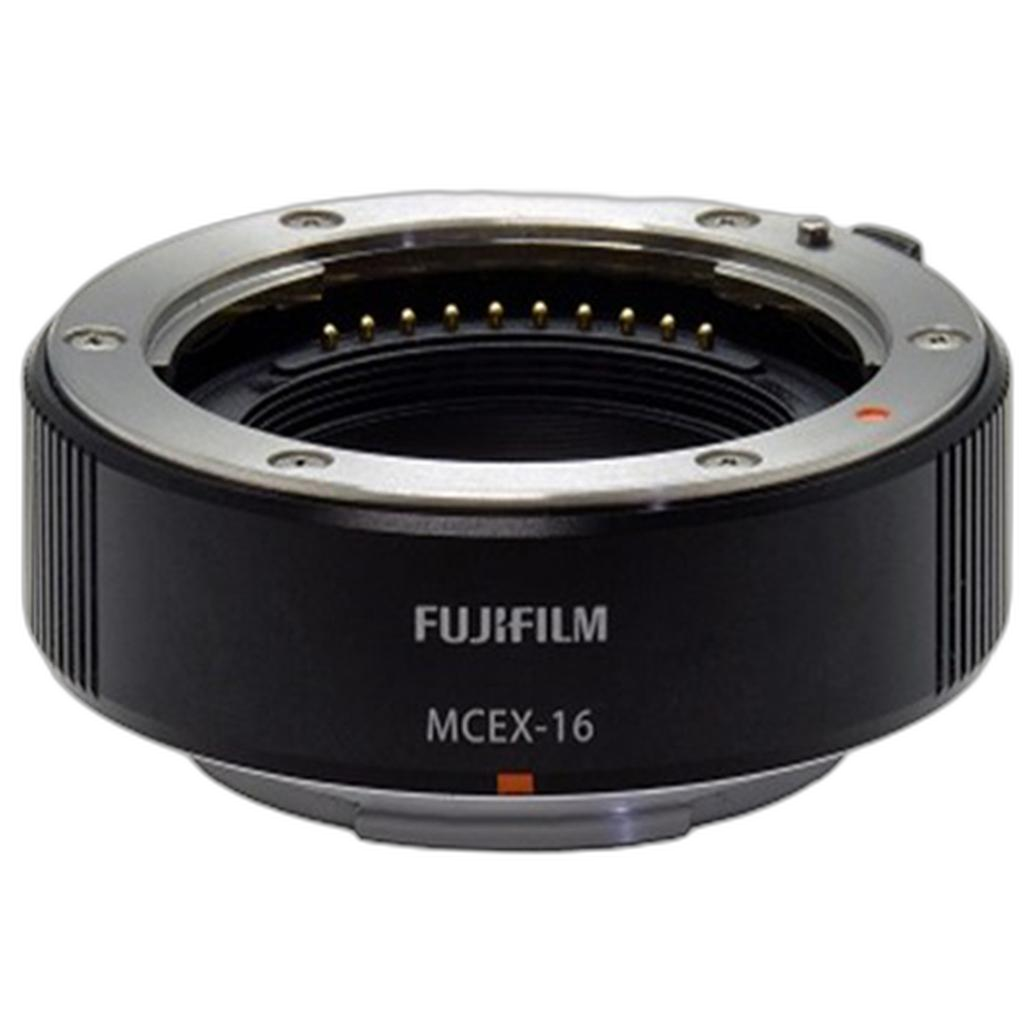
If you are building a mixed analog and digital kit, keeping accessories organized is helpful too. Protective items for lenses and mounts can help maintain your gear between shoots, and specialized accessories for mirrorless systems may support digitizing negatives or close-up work in a hybrid setup.
What are some tips for better results on my first few rolls?
Start with one film type and one chemistry system so you are not learning too many variables at once. Label your bottles clearly, keep notes on times and temperatures, and practice loading reels before processing real images. Use a timer you trust, mix chemistry carefully, and avoid rushing.
It is also smart to think ahead about your final output. If you plan to print, learn how your negatives should look for darkroom use. If you plan to scan, focus on clean development and dust-free drying. A consistent workflow will improve your results much faster than chasing too many techniques at once.
For photographers expanding into broader imaging workflows, Unique Photo also carries products across printing and finishing categories, including papers and related accessories that can support your long-term film journey.
Home film developing is one of the best ways to deepen your understanding of photography, from exposure in the camera to the final negative or print. Whether you are beginning with black-and-white or preparing to tackle color, Unique Photo can help you find the gear, materials, and guidance to build a film workflow that fits your style.