If you're building a landscape photography kit, one of the biggest questions is whether you really need an ultra-wide lens—or whether a wide-angle zoom is the smarter, more versatile choice. This guide is for beginners choosing their first travel-friendly setup, enthusiasts upgrading to a more capable mirrorless system, and anyone who wants sweeping scenery without buying more gear than they need. Since the available products here are camera-and-lens kits rather than standalone lenses, we'll focus on kits that give you useful wide-angle coverage for landscapes and explain where they land on the wide vs. ultra-wide spectrum.
In general, wide-angle lenses are the sweet spot for most landscape photographers. They let you capture broad scenes, foreground interest, and dramatic skies without the stretched perspective and edge distortion that can make ultra-wide images harder to compose. Ultra-wide lenses are great when you want maximum drama, tight shooting spaces, or exaggerated foregrounds—but they are more specialized. For many photographers, a strong wide-angle zoom kit is the best place to start.
Wide vs. Ultra-Wide for Landscape Photography
A useful rule of thumb: on most interchangeable-lens cameras, a lens starting around 24mm to 28mm equivalent is considered wide enough for classic landscape work. Once you get into roughly 16mm to 20mm equivalent, you're entering ultra-wide territory. Ultra-wide can look spectacular, but it also demands stronger compositions because empty foregrounds and stretched corners become much more noticeable.
That means the best landscape setup often depends on your style:
- Choose wide-angle if you want versatile scenic images, travel convenience, and natural-looking perspective.
- Choose ultra-wide leaning coverage if you shoot mountains, canyons, architecture in nature, or dramatic foreground-heavy scenes.
- Choose a zoom with some telephoto reach too if you also like isolating distant peaks, compressing layers, or photographing wildlife while traveling.
Quick Comparison
| Product | Lens Coverage | Why It Works for Landscapes | Best For |
|---|---|---|---|
| FUJIFILM X-T30 III with XC13-33mm | Starts wider than many kit lenses | Excellent for wide scenic framing and travel-friendly shooting | Photographers who want a stronger wide-angle starting point |
| OM SYSTEM OM-5 with 12-45mm f/4 PRO | Versatile wide-to-standard zoom | Compact, rugged-feeling outdoor kit with a premium lens | Hikers, travelers, and serious landscape shooters |
| Canon EOS R10 with 18-150mm | Moderate wide to strong telephoto reach | One-lens convenience for wide vistas and distant detail | Travelers who want flexibility over maximum width |
| Canon EOS R50 with 18-45mm and 55-210mm | Basic wide plus long telephoto coverage | Affordable way to learn both wide landscapes and compressed scenes | Beginners wanting a two-lens starter system |
| Canon EOS R100 Double Lens Zoom Kit | Entry-level wide plus telephoto flexibility | Budget-friendly entry into landscape photography | New photographers on a tighter budget |
Our Pick
Our Pick: OM SYSTEM OM-5 Mirrorless Camera (Black) with 12-45mm f/4.0 PRO Lens
For most landscape photographers, this is the strongest all-around choice in the group. The 12-45mm range gives you genuinely useful wide-angle coverage for scenic work without forcing you into the more specialized ultra-wide look, and the constant f/4 PRO lens is a meaningful step up from a basic kit zoom. Add the compact build and outdoor-friendly appeal of the OM-5 system, and you get a travel-ready landscape kit that feels purpose-built for hiking, road trips, and long days outdoors.
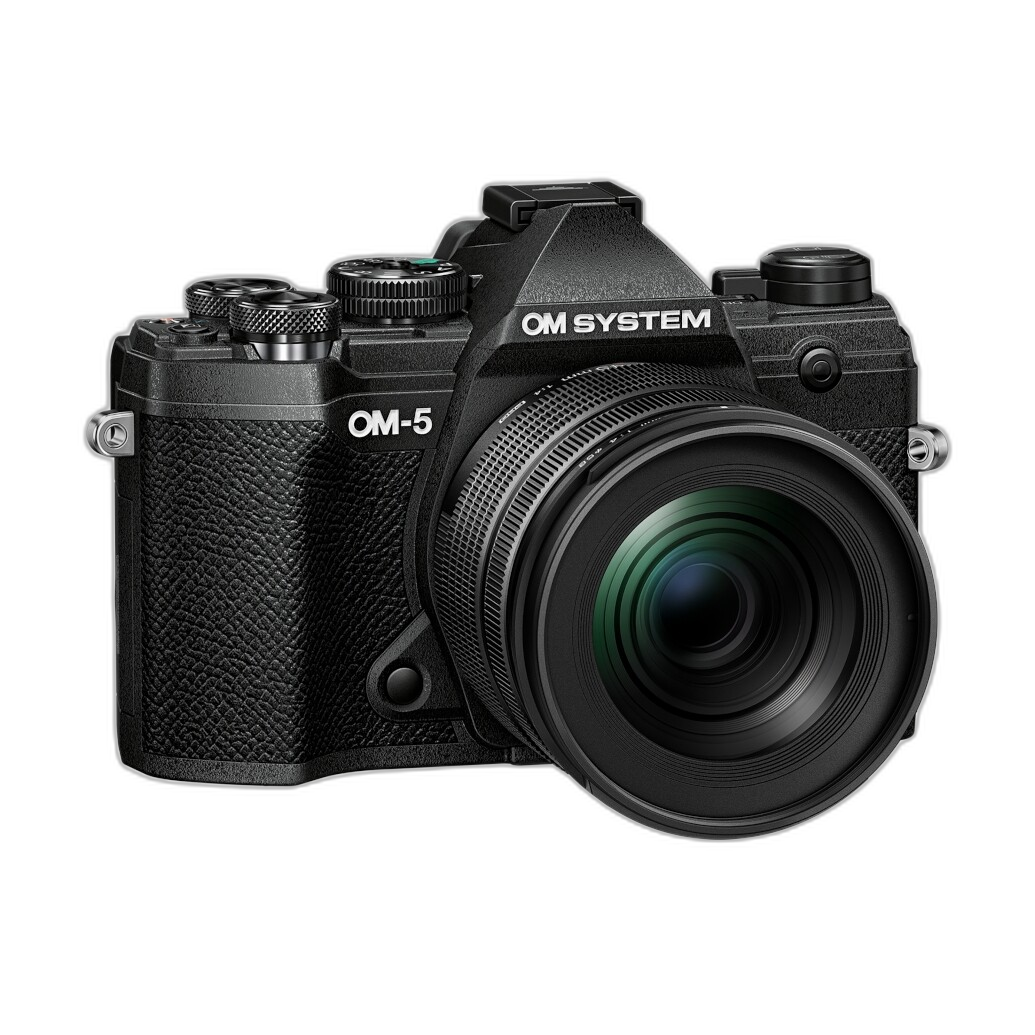
Best Camera Kits for Landscape Photography
OM SYSTEM OM-5 Mirrorless Camera (Black) with 12-45mm f/4.0 PRO Lens
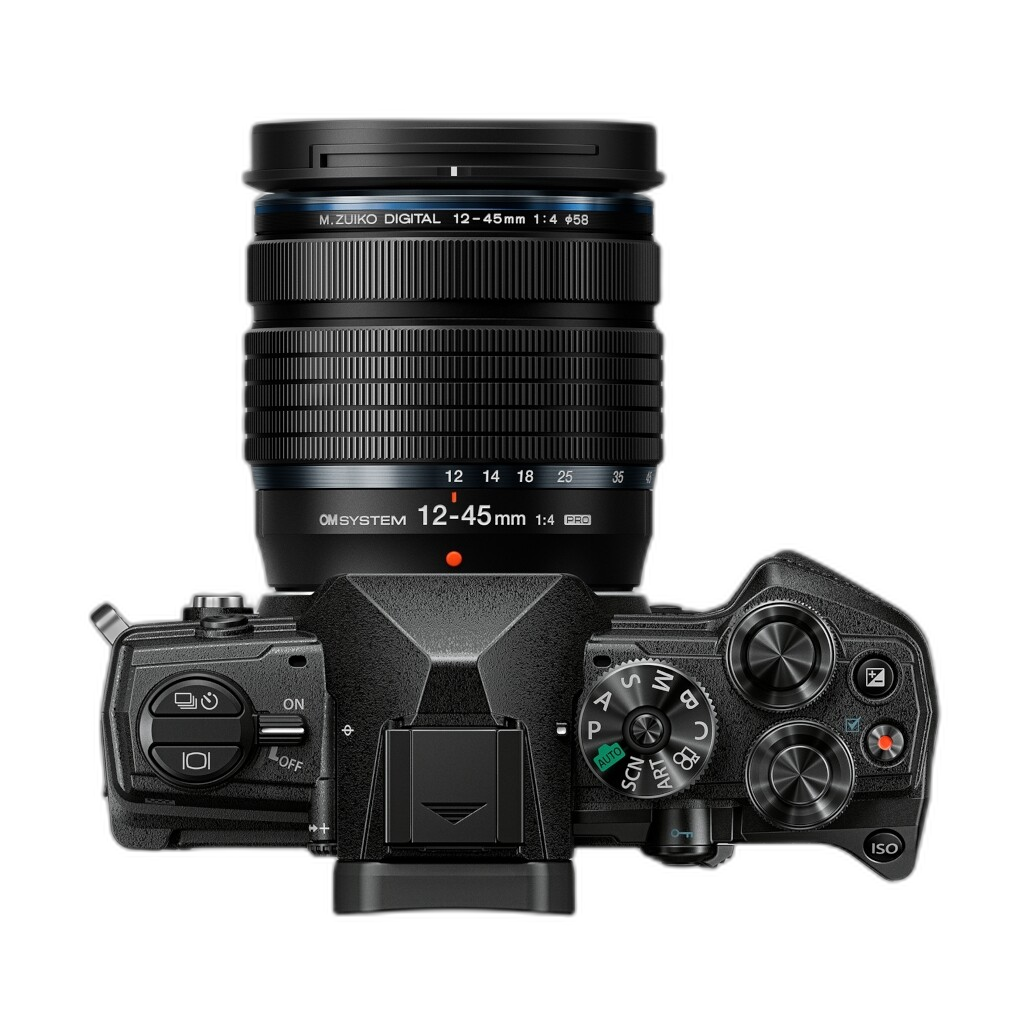
If your goal is to buy one landscape-oriented kit and get out shooting, this OM SYSTEM package stands out immediately. The 12-45mm zoom is the kind of lens range that landscape photographers love: wide enough for expansive vistas, but still flexible enough for tighter compositions, trailside details, and environmental travel shots. It lands in the sweet spot between dramatic width and everyday usability.
Another major advantage is lens quality. A PRO-series lens suggests a more premium shooting experience than the average starter zoom, and for landscapes that matters—especially when you're working with fine detail, edge-to-edge sharpness, and changing outdoor conditions. This is the recommendation for photographers who want a compact but capable setup that can grow with them.
Why buy it: Best balance of width, portability, and lens quality for serious landscape use.
FUJIFILM X-T30 III Mirrorless Camera Body with XC13-33mm Lens Kit - Black
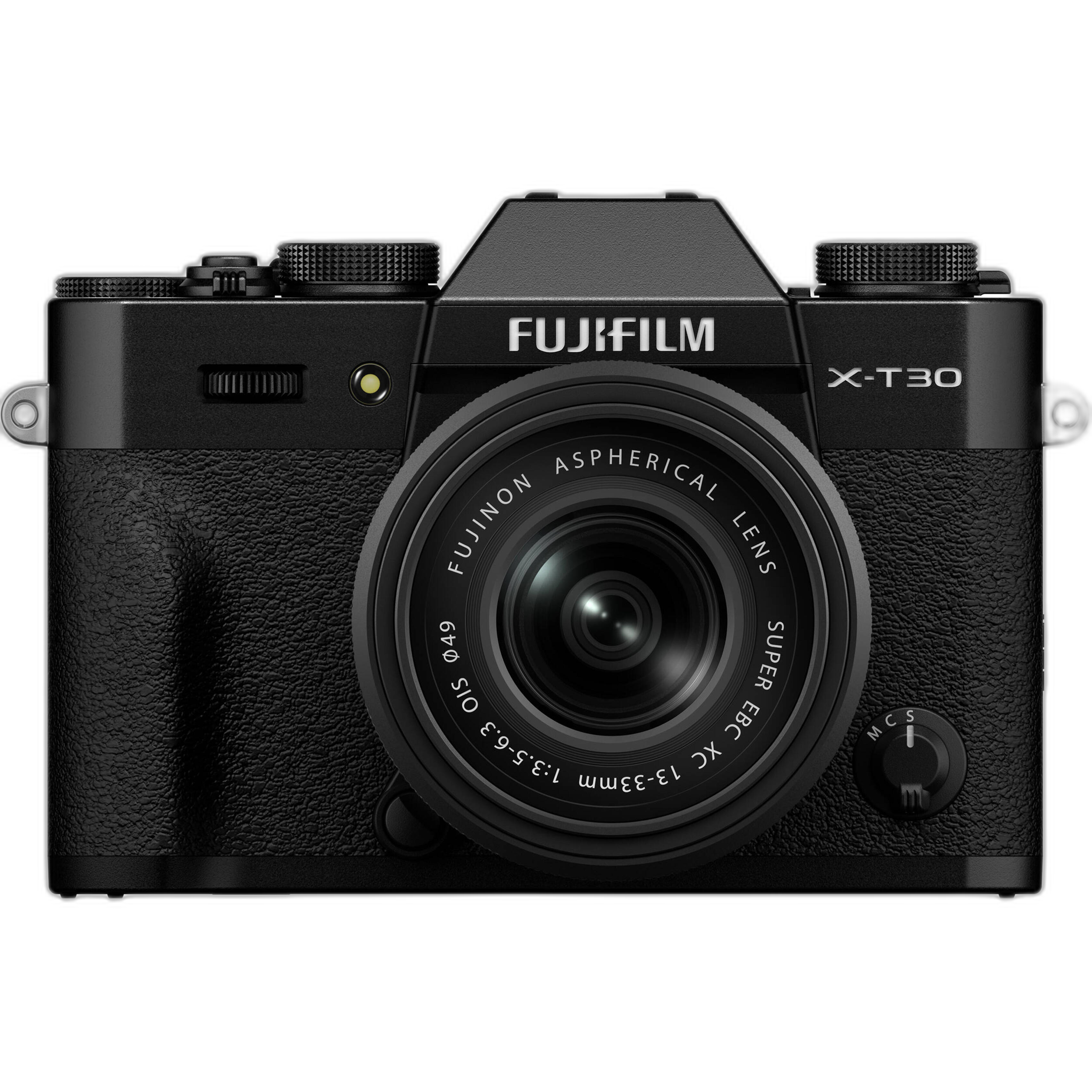
If you're specifically comparing wide versus ultra-wide, this Fujifilm kit is one of the most interesting options because the 13-33mm lens starts noticeably wider than many standard kit lenses. That makes it especially attractive for photographers who want stronger scenic coverage right out of the box, without immediately needing a separate specialty lens.
The X-T30 III is also a compelling camera for travel and creative photography, so this kit suits photographers who want landscapes, cityscapes, and general-purpose shooting in one lightweight system. If your style leans toward immersive foregrounds, dramatic skies, and tighter shooting locations, this is one of the best fits here.
Why buy it: A better-than-average starting focal length for landscape shooters who want more width from day one.
FUJIFILM X-T30 III Mirrorless Camera Body with XC13-33mm Lens Kit - Charcoal
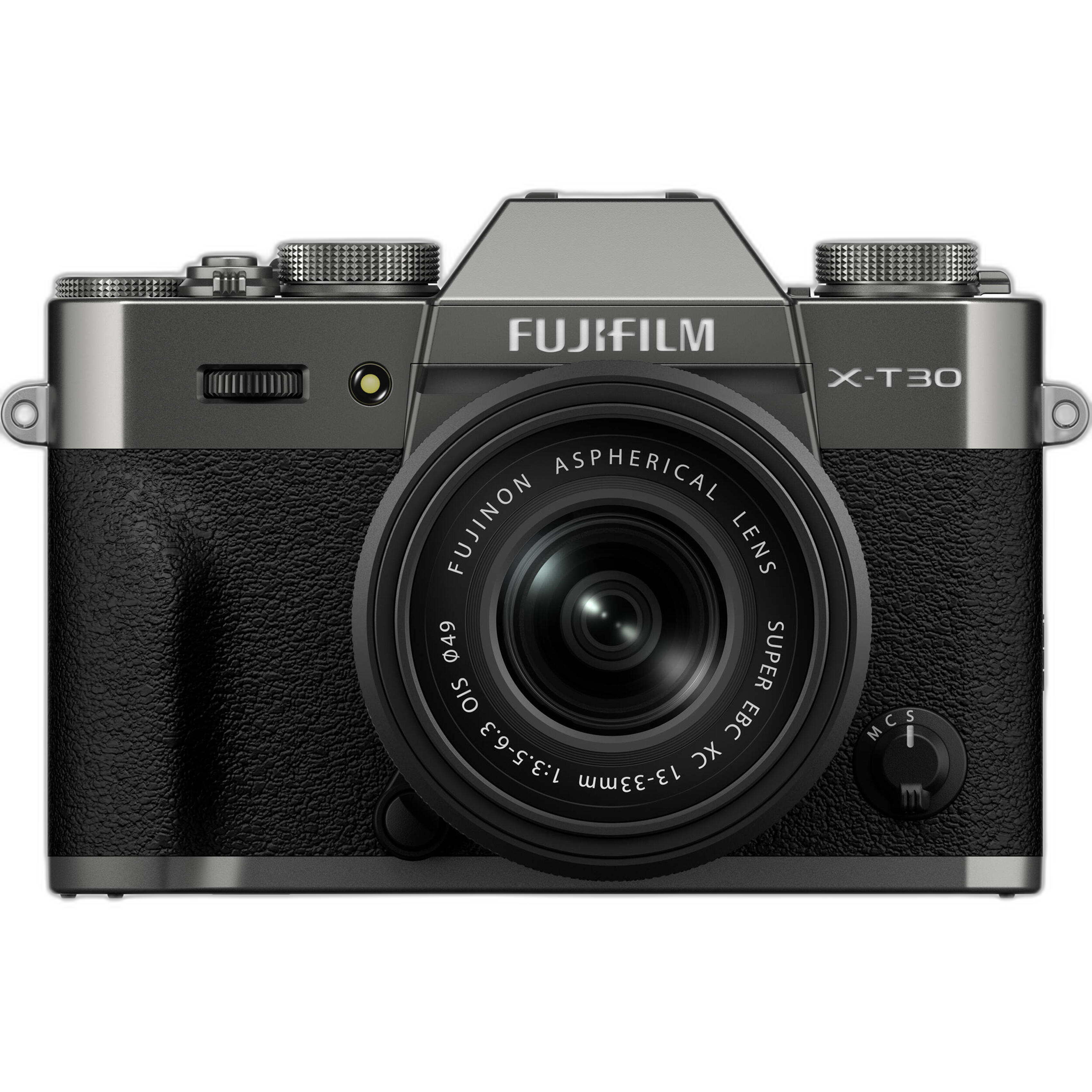
This is the same core recommendation as the black version, just in the charcoal finish. For landscape photographers, the appeal remains the lens: 13-33mm gives you a wider starting point than many basic zooms, which is exactly what makes a difference when you're photographing coastlines, mountain overlooks, or dramatic weather.
If you're drawn to the Fujifilm shooting experience and want a kit that edges closer to the ultra-wide conversation while still remaining broadly practical, this is an excellent option. Choose the color you prefer and focus on the lens range—it is what makes this kit especially relevant to this topic.
Why buy it: Wide-first landscape versatility in a stylish, compact Fujifilm package.
Canon EOS R10 Mirrorless Camera with 18-150mm Lens
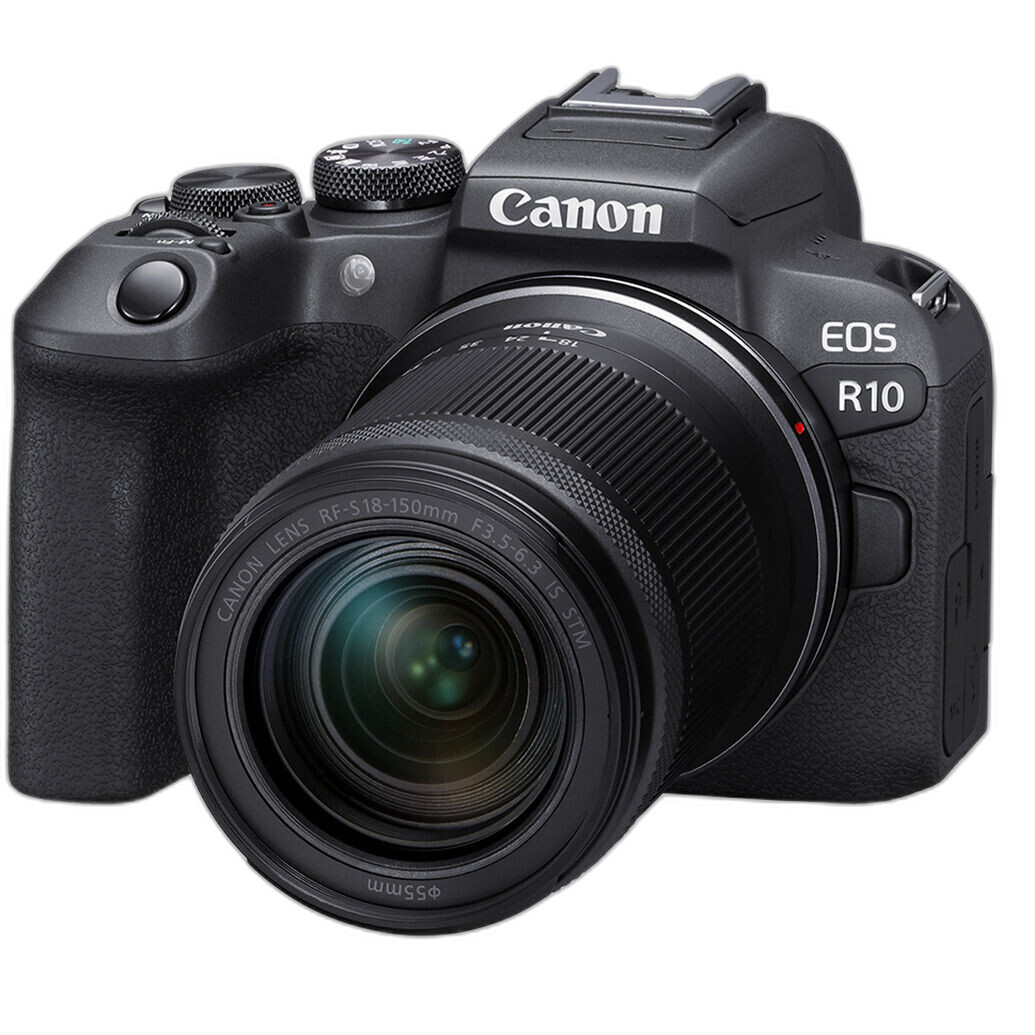
The Canon EOS R10 with 18-150mm lens takes a different approach. Instead of prioritizing the widest possible view, it gives you a much larger overall zoom range. For landscape photographers, that can actually be a big advantage. Yes, you can shoot broad vistas at the wide end—but you can also zoom in on distant ridgelines, isolate trees in fog, or compress layers of mountains for a more graphic look.
This is an ideal choice for photographers who travel light and want one lens to do almost everything. If you're not sure whether your style will favor wide scenic views or tighter detail shots, the R10 kit gives you room to experiment. It is less specialized for ultra-wide-style landscape work, but much more versatile as a single-lens travel system.
Why buy it: Best one-lens flexibility for mixed landscape, travel, and nature photography.
Canon EOS R50 Mirrorless Camera (Black) with RF-S 18-45mm and 55-210mm Lenses
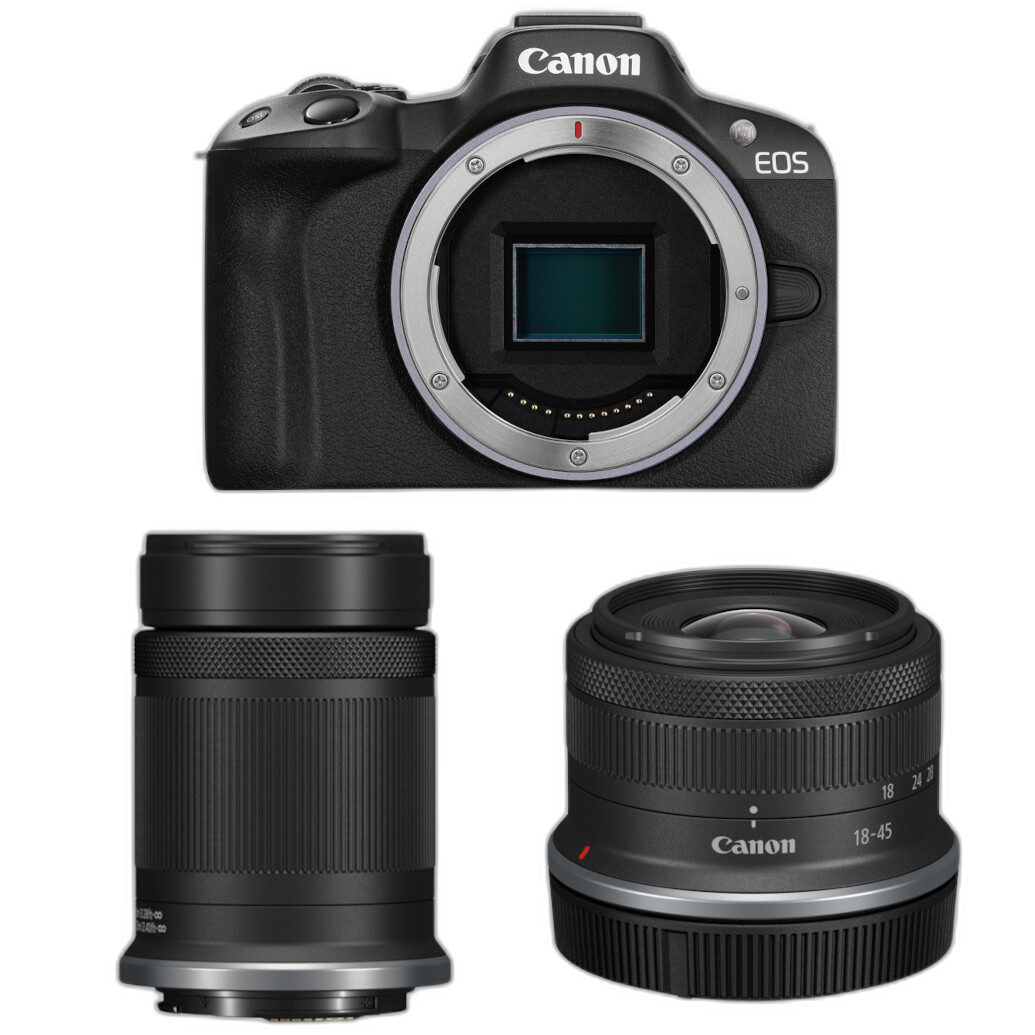
The EOS R50 two-lens kit is a smart beginner-friendly option because it teaches an important landscape lesson: not every great landscape image is ultra-wide. The 18-45mm lens covers your everyday scenic compositions, while the 55-210mm lens opens up the world of telephoto landscapes—distant peaks, layered hills, isolated details, and compressed atmospheric scenes.
For shoppers trying to maximize value, this is a practical system because you get two distinct creative looks in one purchase. If you expect to shoot travel, family, and general photography alongside landscapes, the R50 kit makes a lot of sense.
Why buy it: Great entry-level value with both wide and telephoto landscape possibilities.
Canon EOS R100 Double Lens Zoom Kit
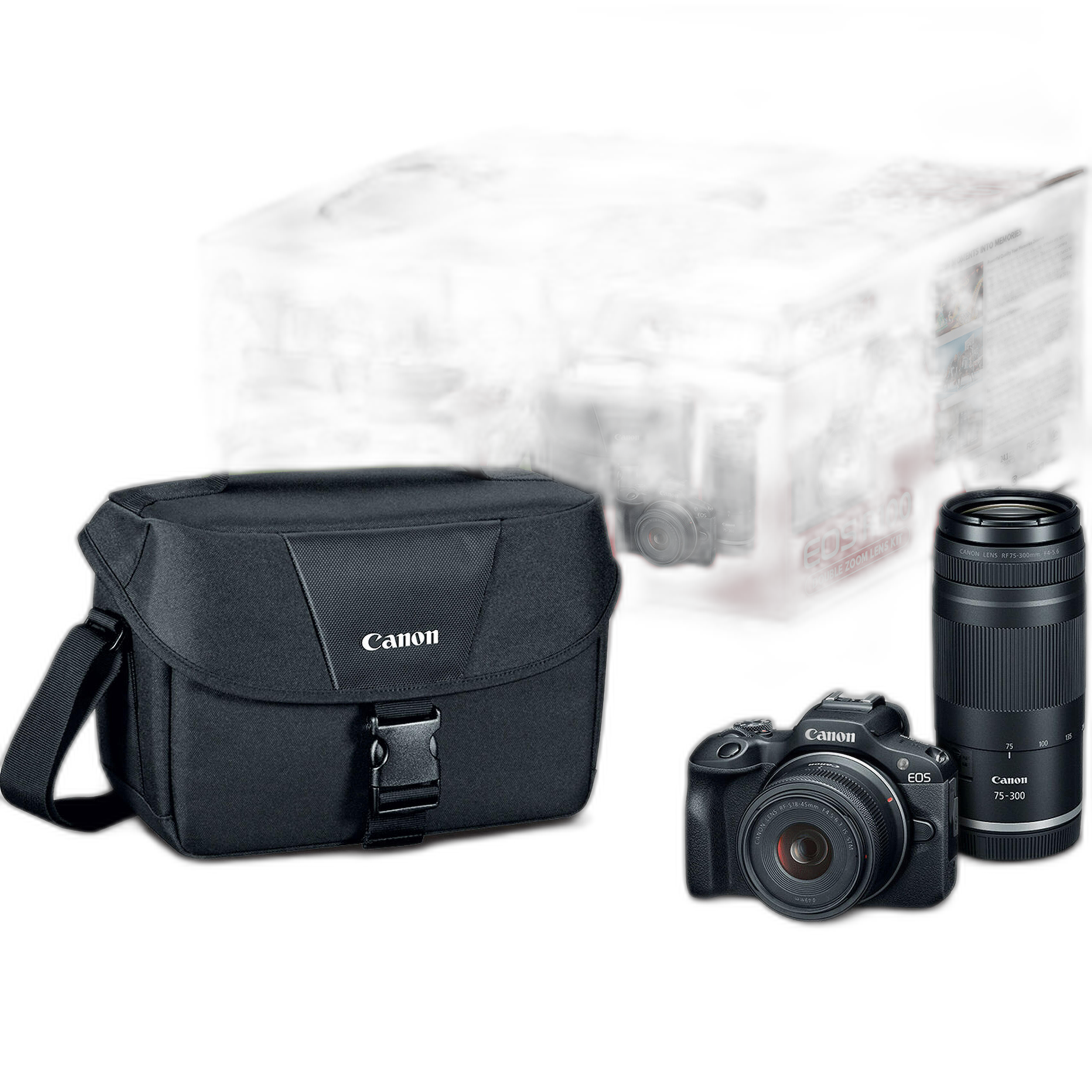
If budget is your biggest concern, the EOS R100 Double Lens Zoom Kit is worth a close look. Like the R50 two-lens setup, it gives you access to both wider landscape framing and longer telephoto perspectives, which can be a very effective way to learn what focal lengths you actually enjoy using in the field.
This is not the most specialized option for photographers chasing the widest possible view, but it is one of the most approachable ways to start building landscape skills. For new photographers who want an affordable mirrorless entry point and a lot of shooting flexibility, it is a sensible choice.
Why buy it: Budget-friendly path into landscape photography with room to experiment.
Which Type of Landscape Photographer Are You?
Choose a wider-starting kit like the FUJIFILM X-T30 III 13-33mm options if your priority is expansive framing and you frequently wish your current lens could capture just a bit more of the scene.
Choose the OM SYSTEM OM-5 kit if you want the best all-around landscape recommendation here: compact, capable, and paired with a more premium lens that feels especially well suited to outdoor photography.
Choose the Canon EOS R10 18-150mm if you want a do-it-all travel lens that can handle scenic wide shots and distant landscape details without changing lenses.
Choose one of the Canon double-lens kits if you're learning and want to discover whether your style leans wide, normal, or telephoto before investing further.
Final Verdict
For most photographers, wide-angle is the better first choice than ultra-wide for landscape photography. It is easier to compose, more versatile for travel, and still dramatic enough for beautiful scenic images. Among these options, the OM SYSTEM OM-5 with 12-45mm f/4 PRO is the best overall recommendation for dedicated landscape shooters, while the FUJIFILM X-T30 III with 13-33mm is especially attractive if you want a kit that starts wider than usual. If flexibility matters most, the Canon EOS R10 with 18-150mm is the standout all-in-one travel option.
If you're ready to choose the right landscape setup for your style, Unique Photo is a great place to compare these kits and find the best fit for your next adventure.