Canon RF 24-70mm f/2.8 vs Sony FE 24-70mm f/2.8: The Standard Zoom Showdown
For portrait and event photographers, a 24-70mm f/2.8 is often the single most important lens in the bag. It covers wide environmental portraits, natural-looking mid-range compositions, and tighter head-and-shoulders framing, all while maintaining a bright aperture that works beautifully in challenging light. In practical terms, both the Canon RF 24-70mm f/2.8 and Sony FE 24-70mm f/2.8 sit in the premium workhorse category: lenses designed for wedding days, corporate events, parties, editorial assignments, and portrait sessions where speed, flexibility, and reliable autofocus matter more than almost anything else.
Although this comparison centers on two flagship standard zooms, the real decision is about system fit and shooting style. Canon users often value excellent color rendering, strong subject separation, and dependable pairing with EOS R bodies. Sony shooters benefit from a mature full-frame mirrorless ecosystem, fast AF integration, and broad support across portrait and event workflows. If you are trying to determine which setup is better for your kind of work, the answer depends less on headline specs and more on handling, autofocus behavior, rendering, and how each lens performs under real-world pressure.
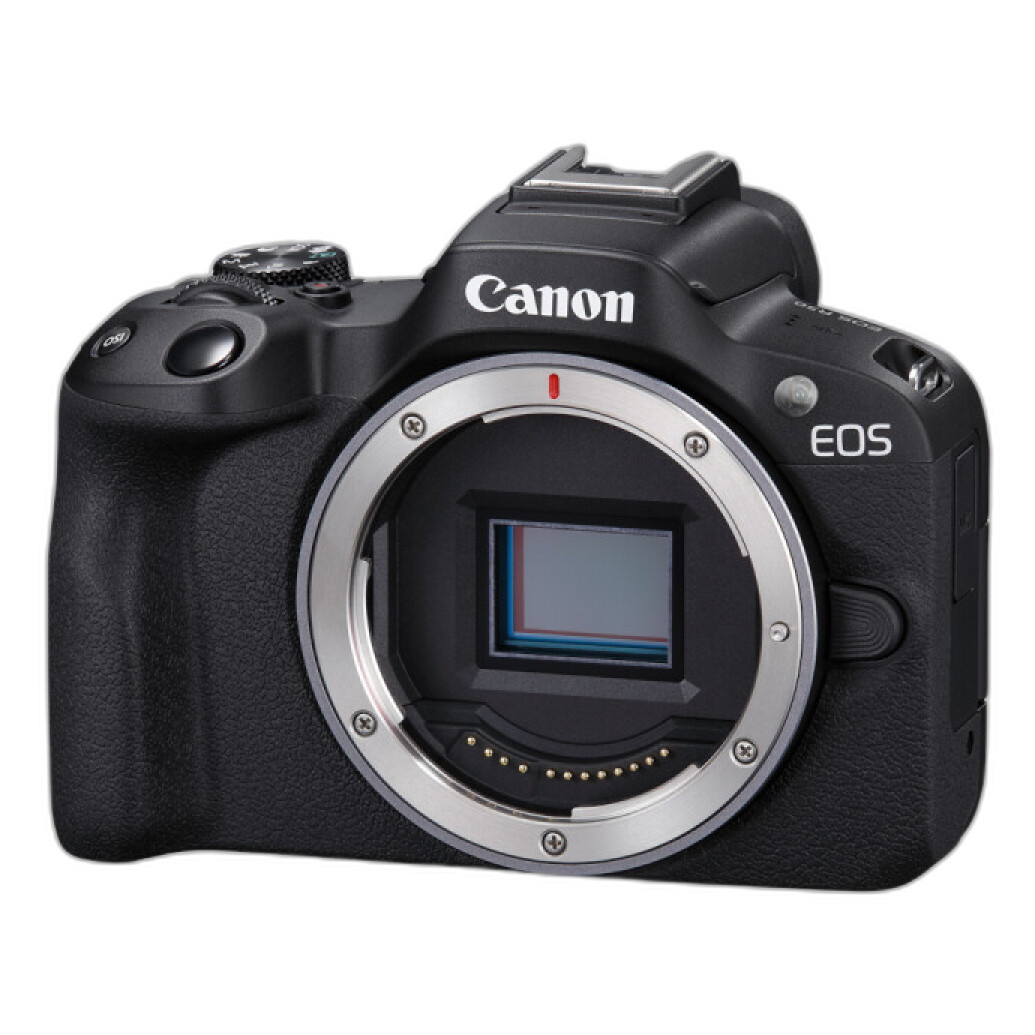
While the exact lenses discussed here are not pictured, Canon EOS R bodies such as the EOS R50 represent the compact, modern RF ecosystem many photographers grow into when building a portrait or event kit. Unique Photo is a great place to explore Canon and Sony camera systems, accessories, and compatible gear before making a final investment.
Who These Lenses Are For
If you shoot weddings, engagements, family portraits, corporate candids, live performances, gala coverage, or on-location editorials, this class of lens is built for you. A 24-70mm f/2.8 can stay mounted for most of an assignment. At 24mm, you can capture venue overviews and large groups. At 50mm, you can create flattering half-body portraits with a natural field of view. At 70mm, you get more compression for cleaner backgrounds and more intimate subject isolation.
For event work especially, speed matters. You need a lens that locks focus quickly in dim rooms, tracks faces reliably, and produces sharp results at f/2.8 without hesitation. For portrait photography, rendering matters just as much. Skin tones, contrast, falloff, and bokeh all influence whether a lens feels clinical or expressive. Both Canon and Sony offer highly capable 24-70mm f/2.8 options, but they do not feel exactly the same in use.
Key Features That Matter Most
Optical Performance for Portrait Work
Both lenses are designed to deliver professional-grade sharpness across the zoom range, and both are capable of excellent image quality wide open. For portraits, center sharpness is easy to achieve from either option. The more meaningful difference is in character. Canon lenses in the RF lineup often lean into a polished rendering style with strong contrast and pleasing color transitions that can flatter skin. Sony's FE 24-70mm f/2.8 options are typically very crisp and modern, often emphasizing high resolution and strong microcontrast.
For photographers who prefer a softer, more organic portrait look straight out of camera, Canon may feel slightly more natural depending on your editing style and camera body. For those who want razor-sharp files with lots of flexibility in post-production, Sony has a strong appeal. In both systems, stopping down slightly can produce exceptional edge-to-edge detail for group portraits and environmental scenes.
Autofocus Speed and Reliability at Events
In event photography, autofocus consistency can matter more than absolute sharpness charts. Canon RF lenses generally integrate extremely well with Canon's EOS R autofocus system, delivering confident face and eye detection in fast-moving situations. Sony has long been a leader in mirrorless autofocus, and its FE 24-70mm f/2.8 setup remains highly competitive for receptions, dance floors, and unpredictable documentary moments.
Where Sony often stands out is in continuous AF confidence across a broad range of bodies, especially for photographers already invested in advanced tracking features. Canon, however, can feel exceptionally intuitive for photographers who prioritize straightforward operation and dependable subject recognition. Neither lens is a weak choice for event coverage, but your camera body plays a major role in the final experience.
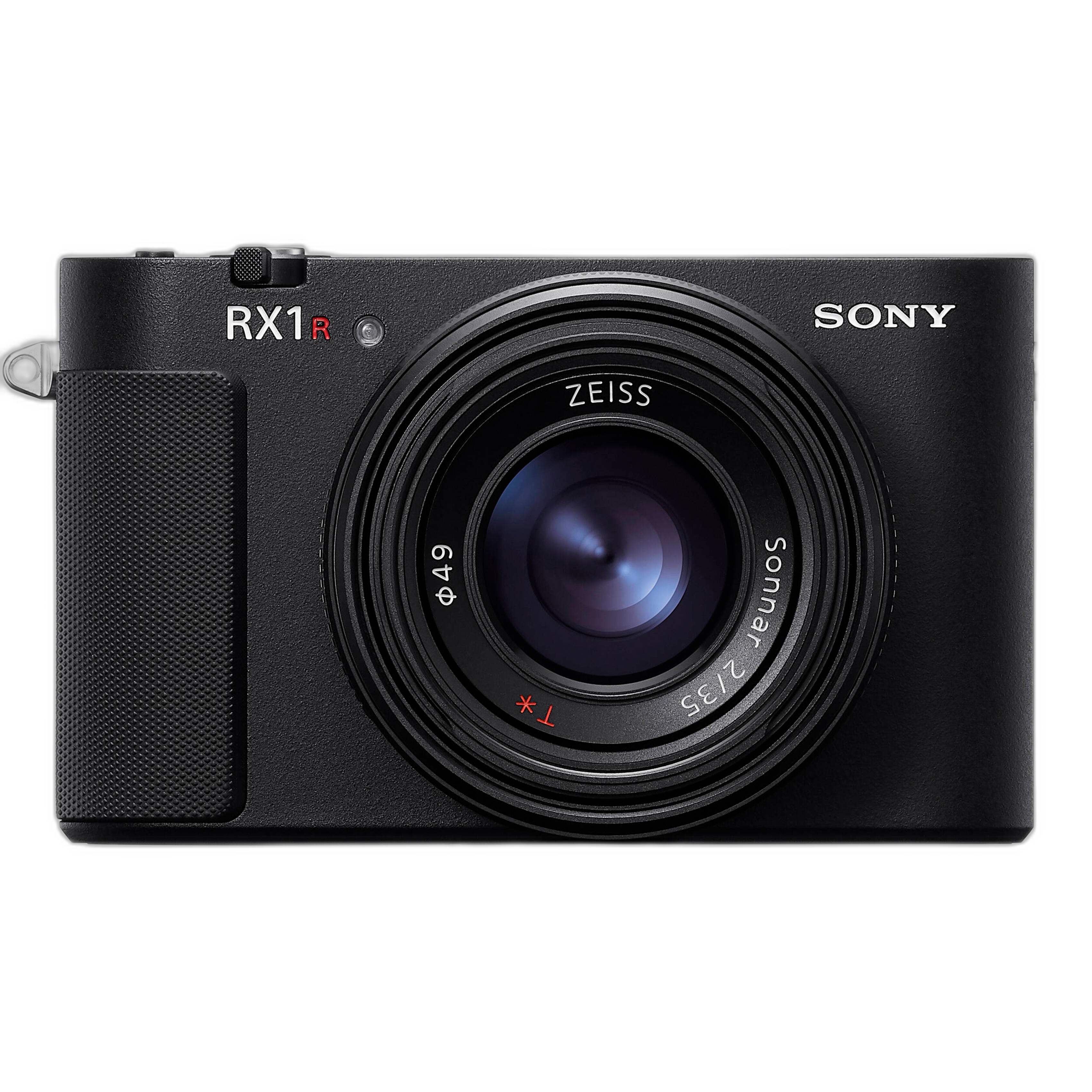
Sony's full-frame ecosystem remains a major draw for working professionals who need speed, reliability, and deep system support. Unique Photo carries Sony cameras and accessories for photographers building an event-ready kit.
Focal Length Flexibility for Portraits and Candid Coverage
This is where both lenses earn their reputation. A 24-70mm f/2.8 can handle nearly every major portrait and event scenario without forcing frequent lens changes. At the wide end, you can document spaces, décor, and large groups. In the middle of the range, you can shoot natural candids and lifestyle portraits. At 70mm, you can isolate expressions and produce flattering perspective for tighter portraits.
For event shooters, this flexibility is critical because scenes change quickly. One minute you are photographing a room setup; the next you are capturing emotional interactions from a moderate distance. For portrait shooters, the zoom range allows experimentation without interrupting the subject. The Canon and Sony versions both excel here, but your choice will come down to handling balance and how comfortable each feels over a long workday.
Low-Light Performance and Aperture Advantage
An f/2.8 aperture remains a sweet spot for professional work. It provides enough light-gathering capability for dim indoor venues while maintaining practical depth of field for moving subjects. For portraits, f/2.8 can create separation without making focus overly fragile. For events, it gives you flexibility to keep shutter speeds safer in mixed lighting.
Neither of these lenses is a replacement for a fast prime if you want maximum blur or the brightest possible aperture, but both are among the best all-around low-light tools available for their respective systems. Combined with modern high-ISO mirrorless bodies, they are ideal for receptions, stage events, and indoor portraits.
Build Quality and Professional Handling
Both Canon RF and Sony FE 24-70mm f/2.8 lenses are built for serious use, with robust construction intended to withstand travel, long assignments, and frequent lens changes. In this category, small handling differences matter more than spec-sheet differences. Weight distribution, zoom ring feel, AF/MF switch placement, and weather resistance all contribute to whether a lens disappears in use or becomes fatiguing over time.
Canon often earns praise for ergonomic refinement and a very balanced feel on EOS R bodies. Sony frequently appeals to professionals who want a compact-but-capable system and broad body compatibility. If possible, trying each system in hand before purchasing is worthwhile, and Unique Photo is an excellent place to compare bodies, lenses, and accessories in one shopping experience.
Canon RF 24-70mm f/2.8: Strengths for Portrait and Event Photographers
The Canon RF 24-70mm f/2.8 is especially compelling for photographers who value color, subject rendering, and a polished shooting experience. Portrait shooters may appreciate Canon's tendency toward pleasing skin tones and smooth tonal transitions, while event photographers will like the lens's versatility and reliable integration with Canon's subject-detection autofocus. For hybrid shooters who also create video, Canon's lens behavior and stabilization support can be an added advantage depending on the body used.
Another reason many photographers favor Canon in this category is the overall user experience. EOS R menus, controls, and body ergonomics can feel inviting and efficient during long sessions. If your photography is heavily people-focused and you prioritize straightforward, confidence-inspiring operation, Canon has a strong case.
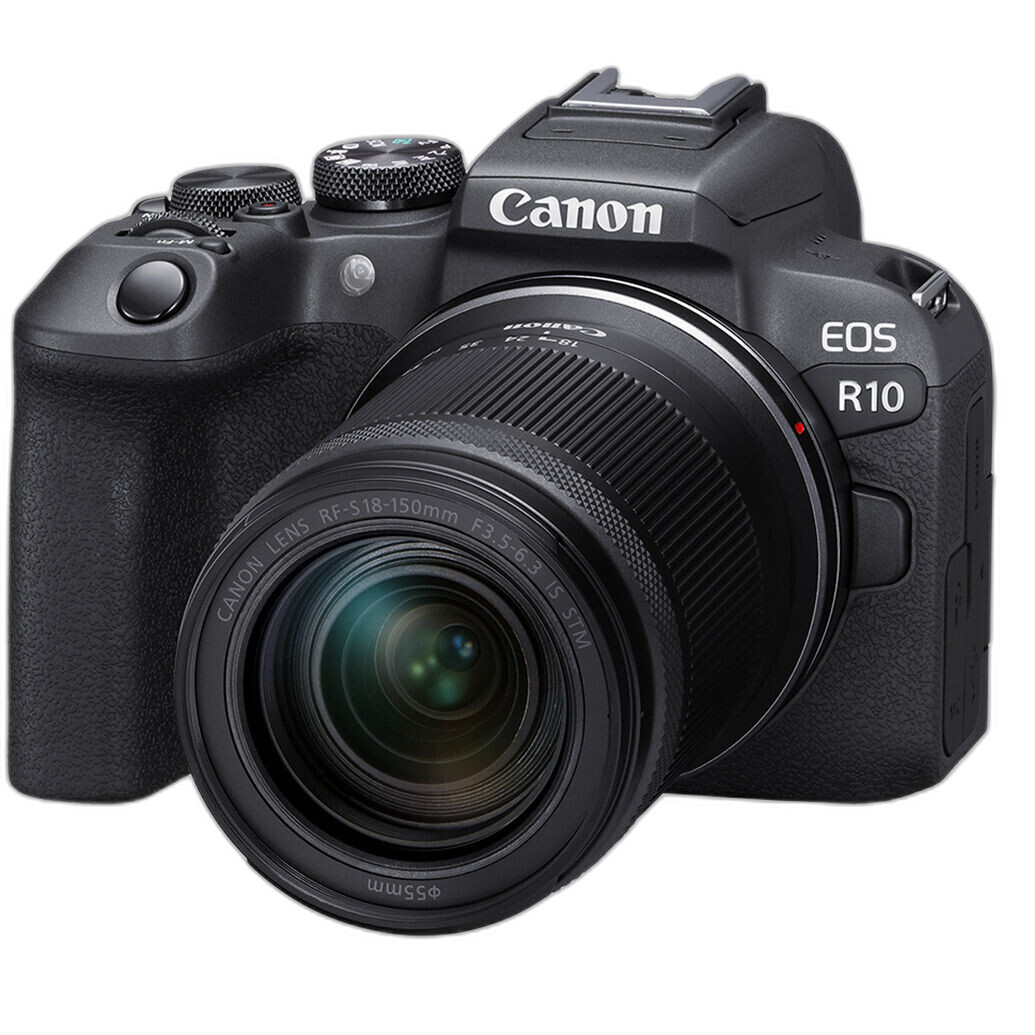
Canon's mirrorless ecosystem continues to attract photographers who want modern autofocus and accessible handling. Bodies like the EOS R10 show the brand's broader mirrorless direction, and Unique Photo is a smart destination for Canon gear shopping.
Sony FE 24-70mm f/2.8: Strengths for Portrait and Event Photographers
The Sony FE 24-70mm f/2.8 is a top-tier choice for professionals who want sharp, responsive, high-performance glass within one of the most established mirrorless ecosystems on the market. Sony users often benefit from excellent eye AF, broad third-party lens support across the system, and a deep lineup of full-frame bodies for different budgets and specialties.
For event photographers, Sony's tracking performance and fast operational feel can be a major advantage, especially in rapidly changing scenes. For portrait photographers, the lens produces highly detailed files that stand up well to retouching and cropping. If you already work in Sony or want the flexibility of a mature E-mount ecosystem, the FE 24-70mm f/2.8 remains one of the safest pro-level investments.
Pros and Cons
Canon RF 24-70mm f/2.8
- Pros: Excellent color and contrast, flattering portrait rendering, strong integration with Canon EOS R autofocus, versatile workhorse focal range, premium build quality.
- Cons: Typically a premium-priced option, best value depends on commitment to the RF system, less ideal if you prefer Sony's broader full-frame ecosystem.
Sony FE 24-70mm f/2.8
- Pros: Outstanding sharpness, fast and reliable AF performance, excellent for event tracking, strong compatibility within Sony's mature mirrorless ecosystem, flexible files for editing.
- Cons: Can render a bit more clinically depending on taste, premium price point, handling preference may vary by body and user ergonomics.
Which Is Better for Portrait Photography?
If portrait photography is your main focus, the Canon RF 24-70mm f/2.8 may have a slight edge for photographers who prioritize subject rendering, color, and a flattering overall look straight out of camera. Canon's rendering style often feels particularly well suited to people photography, especially for photographers who want beautiful skin tones with minimal correction.
That said, Sony is hardly behind. If your portrait workflow involves heavy post-production, detailed retouching, or frequent cropping, the Sony FE 24-70mm f/2.8 is equally compelling. It delivers crisp files and excellent autofocus support for eye-detection-driven portrait sessions. In short: Canon may win on subjective rendering preference, while Sony wins on ecosystem breadth and technical consistency.
Which Is Better for Event Photography?
For event photography, the contest is extremely close. Sony often gets the nod from photographers who shoot fast-moving, unpredictable assignments and want class-leading tracking paired with a broad range of body options. Canon, however, is a superb event platform in its own right, with strong AF, dependable lens performance, and an intuitive feel that many working photographers love.
If you already own a Canon EOS R body and enjoy Canon color, the RF 24-70mm f/2.8 is probably the smarter event choice. If you are already in Sony or want access to a very mature mirrorless pro ecosystem, the FE 24-70mm f/2.8 is difficult to beat. The better event lens is often the one that best matches the body, flash system, and workflow you already trust.
Verdict
There is no bad choice here. The Canon RF 24-70mm f/2.8 is arguably the better pick for photographers who lean heavily into portrait work and want beautiful rendering, refined ergonomics, and a strong native Canon experience. The Sony FE 24-70mm f/2.8 is arguably the better pick for photographers who prioritize autofocus speed, system flexibility, and a highly established mirrorless ecosystem for event coverage.
If your work is split evenly between portraits and events, the decision should come down to the camera system you prefer to shoot. Canon may feel more emotionally satisfying in portrait-oriented work, while Sony may feel more technically optimized for high-volume, fast-paced assignments. Either lens can absolutely handle both jobs at a professional level.
Recommendation
Choose the Canon RF 24-70mm f/2.8 if portraits are your top priority, you love Canon color science, and you want a lens that feels deeply integrated with the EOS R shooting experience. Choose the Sony FE 24-70mm f/2.8 if event photography is your main income source, you value advanced autofocus confidence, or you want the advantages of Sony's broad full-frame ecosystem.
For photographers ready to compare Canon and Sony gear, accessories, and camera bodies before buying, Unique Photo is an excellent place to shop. Their selection makes it easier to build a complete portrait or event kit around the system that best fits your style.