If you currently shoot with the Sony A6400, you are not alone in wondering: is the Sony A6700 worth upgrading from the A6400? It is one of the most common questions among Sony APS-C users shopping at Unique Photo, especially photographers and hybrid creators who want better autofocus, stronger video tools, improved handling, and longer-term value from their next camera body.
The short answer is this: for many creators, yes—the Sony A6700 is a meaningful upgrade. But whether it is the right upgrade depends on what you shoot, how often you shoot video, and whether the A6400 is currently limiting your workflow.
In this guide, we will compare the Sony A6700 vs A6400 in practical terms so you can decide if it makes sense to upgrade now or keep your current setup a little longer.
Sony A6700 vs A6400: What Changed?
On paper, both cameras sit in Sony's APS-C mirrorless lineup, but the A6700 is much more than a minor refresh. It brings a newer sensor design, far more advanced subject recognition autofocus, in-body image stabilization, a better grip, upgraded video specs, and improved menu usability.
The Sony A6400 remains a capable camera. It still delivers strong image quality, quick autofocus, and compact portability. For still photographers who primarily shoot casual portraits, travel, family moments, or general content, it continues to hold up surprisingly well. That said, the A6700 feels like a newer-generation tool built for hybrid shooters.
If your work has shifted toward video, social content, YouTube, client work, or fast-moving subjects, the gap between the two cameras becomes much easier to see.
Is the Sony A6700 Better for Autofocus?
Yes. One of the biggest reasons to upgrade from the Sony A6400 to the Sony A6700 is autofocus performance.
The A6400 was already known for excellent AF in its class, but the A6700 uses Sony's newer AI-powered subject recognition system. That means better detection and tracking for people, animals, birds, insects, cars, trains, and airplanes. In real-world use, the A6700 is more confident at identifying subjects and staying locked on them, even when movement is erratic or framing changes quickly.
This is especially important if you shoot:
- Sports and action
- Wildlife
- Events
- Portraits with shallow depth of field
- Self-recorded video or vlogging
If your A6400 already feels good enough for your photography, autofocus alone may not justify the price difference. But if you regularly miss shots because your subject moves unpredictably, the A6700 is a real step forward.
How Much Better Is the Sony A6700 for Video?
For video creators, the Sony A6700 is a much more convincing upgrade. This is where the A6400 starts to show its age.
The A6400 can still record excellent 4K video, but the A6700 offers a broader and more modern feature set that better matches how creators work today. Some of the biggest video advantages include:
- 4K recording up to higher frame rates
- 10-bit 4:2:2 internal recording for more flexible color grading
- Better thermal design for longer recording sessions
- In-body image stabilization
- More advanced subject tracking during video
- Improved creator-friendly interface and controls
If you are a filmmaker or content creator, the A6700 sits much closer in spirit to Sony's dedicated video-focused cameras than the A6400 ever did. In fact, shoppers at Unique Photo often compare it not only to older APS-C stills cameras, but also to compact creator models and cinema-focused bodies depending on their workflow.
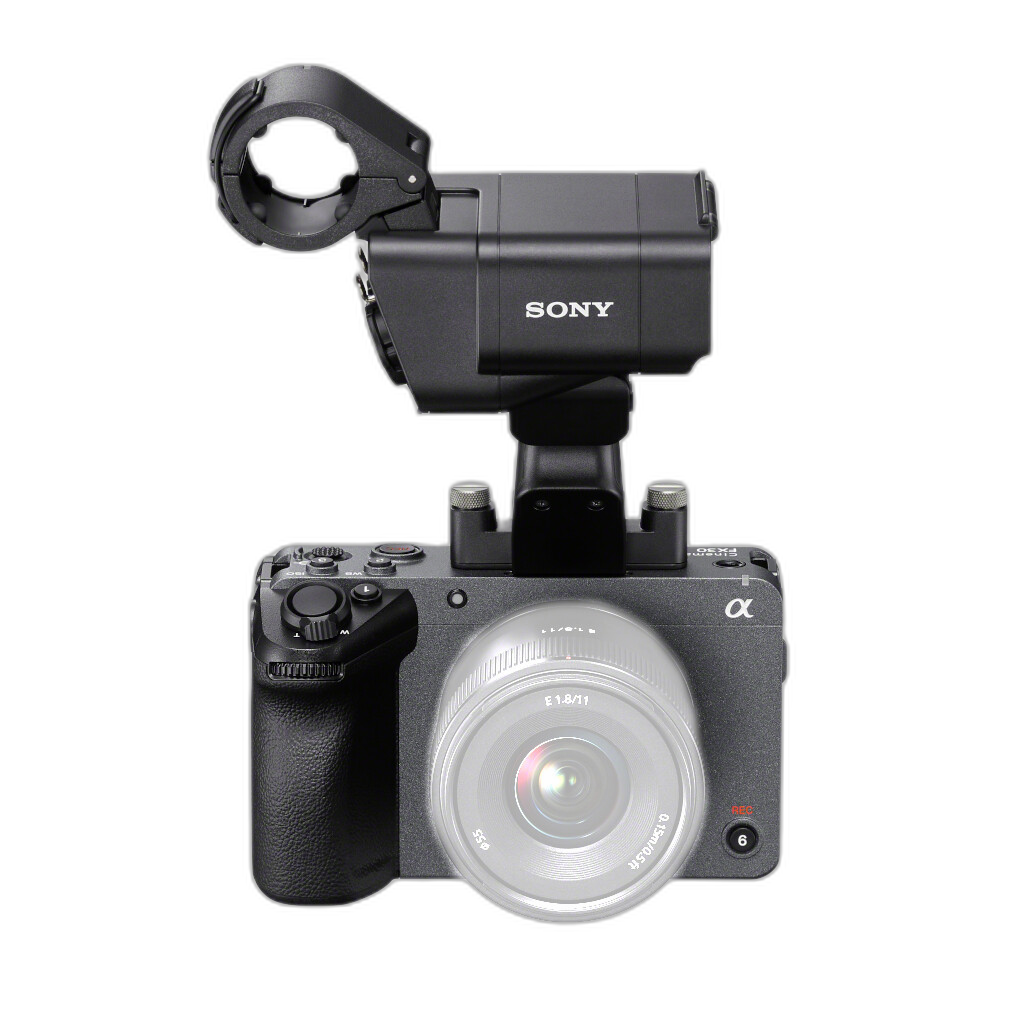
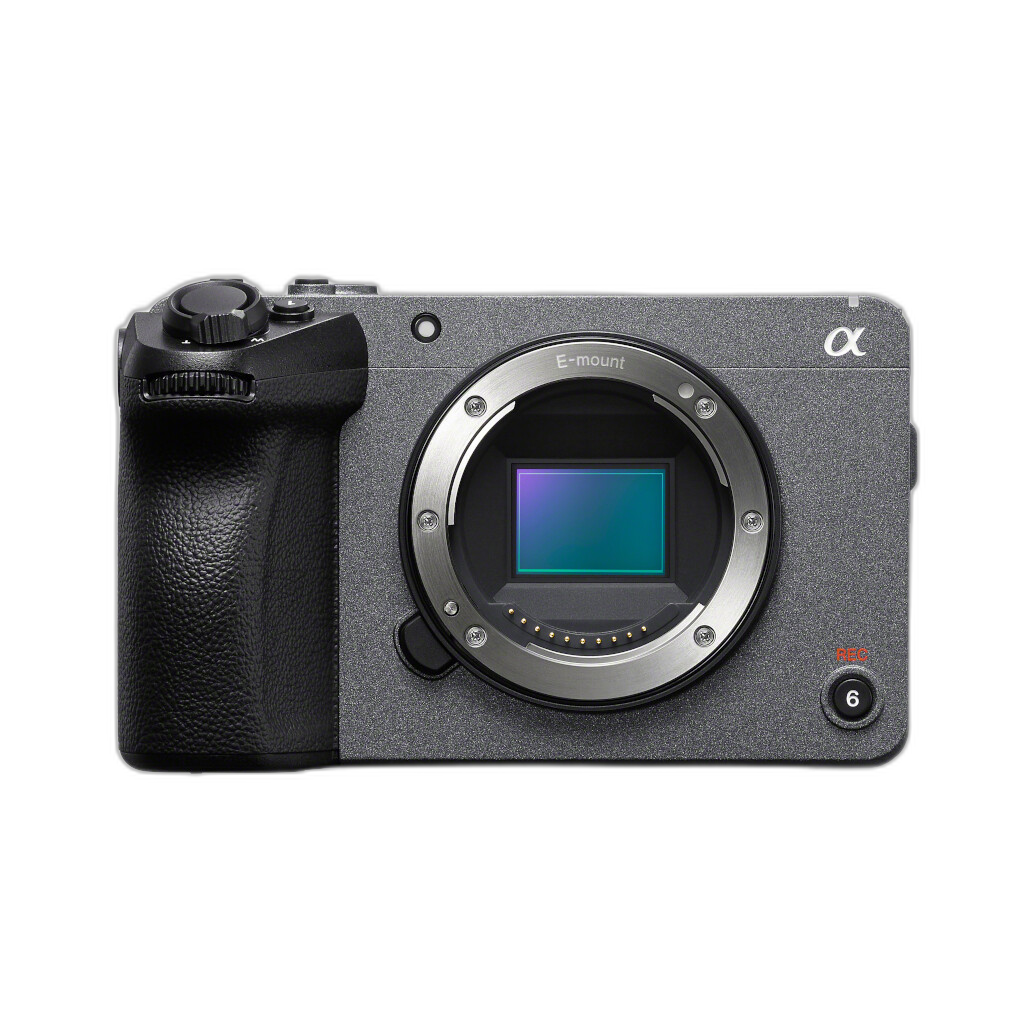
For example, creators who need a more dedicated filmmaking platform may eventually look beyond the A6700 to something like the Sony FX30 Super 35 Digital Cinema Camera with XLR Handle Unit, which is purpose-built for cinema-style production, audio expansion, and advanced video workflows.
Does the Sony A6700 Have Better Image Quality Than the A6400?
The answer is yes, but with an important caveat.
The Sony A6700 does offer image quality improvements thanks to its newer 26MP APS-C sensor and updated processing. You may notice somewhat better dynamic range handling, cleaner high ISO performance, and a little more flexibility when editing RAW files. Color response and overall rendering also feel more refined.
However, this is not the kind of upgrade where still images suddenly look dramatically different in every situation. In good light, the A6400 is still capable of excellent photos. If you mostly share online, print moderately, and do not push your files hard in post-production, the difference may be less dramatic than the autofocus or video improvements.
In other words, still image quality alone may not be enough reason to upgrade unless you also want the newer body design and performance features.
Is In-Body Image Stabilization a Big Deal?
Yes, for many users it is.
One of the major practical benefits of the A6700 over the A6400 is in-body image stabilization. The A6400 relies on lens-based stabilization when available, and many Sony APS-C shooters know that not every lens in the system offers it. With the A6700, handheld shooting becomes easier, especially for video and low-light photography.
This matters if you often shoot:
- Handheld video while walking
- Travel footage without a gimbal
- Low-light scenes with unstabilized primes
- Casual handheld photography on the move
It will not replace perfect technique or a dedicated stabilizer for demanding motion shots, but it does make the A6700 more flexible and easier to use in everyday shooting.
Is the Sony A6700 Easier to Use Than the A6400?
For many people, yes. The Sony A6700 benefits from a more modern design philosophy. You get a deeper grip, improved control layout, newer menus, and a vari-angle screen that is often more convenient for solo creators, vertical content, and unusual shooting angles.
The A6400 is compact and lightweight, which many users still appreciate. But in longer sessions, especially with larger lenses, the A6700 generally feels more comfortable and more confidence-inspiring in the hand.
If you are building a more serious content kit through Unique Photo and plan to grow into better lenses, microphones, cages, or video accessories, the A6700 tends to be the more future-friendly body.
Who Should Upgrade From the Sony A6400 to the A6700?
The Sony A6700 is worth upgrading to if you are any of the following:
- Hybrid shooters who split time between photo and video
- Content creators who want stronger 4K features and better autofocus
- Enthusiasts ready for a more capable long-term APS-C body
- Action or wildlife photographers who want better subject recognition
- Travel shooters who want stabilization and improved ergonomics
For these users, the A6700 is not just a spec upgrade. It is a usability upgrade that can make shooting easier, more reliable, and more enjoyable.
Who Should Keep the Sony A6400?
You may want to keep the A6400 if:
- You mainly shoot still photos in good light
- You do not need advanced video codecs or 10-bit recording
- Your current autofocus performance already meets your needs
- You would rather invest in lenses first
- You want the smallest possible Sony interchangeable-lens body
In many cases, glass makes a bigger difference than a body upgrade. If your A6400 is paired with a basic kit lens, moving to a better lens may improve your results more than changing bodies. Unique Photo customers often find that upgrading lenses, lighting, or audio gear first can extend the life of an older camera significantly.
What About Other Sony Cameras Instead of the A6700?
This depends on your priorities. If you want a more specialized tool, another Sony camera might fit better.
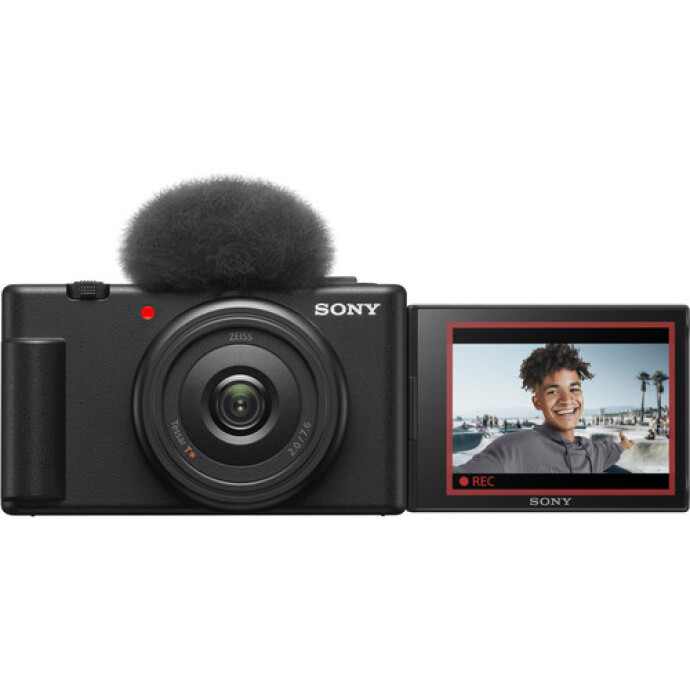
If your priority is serious video production, the Sony FX30 is a natural step up for creators who want a cinema-oriented body and pro audio options. If you want a compact, simple, creator-first option for casual vlogging, something like the Sony ZV-1F Vlog Camera may be more appropriate than stepping into a larger interchangeable-lens system.
For example, the Sony ZV-1F Vlog Camera (Black) is designed for ease of use, portability, and social-first video creation, making it a strong complement or alternative for creators who do not need lens swapping.
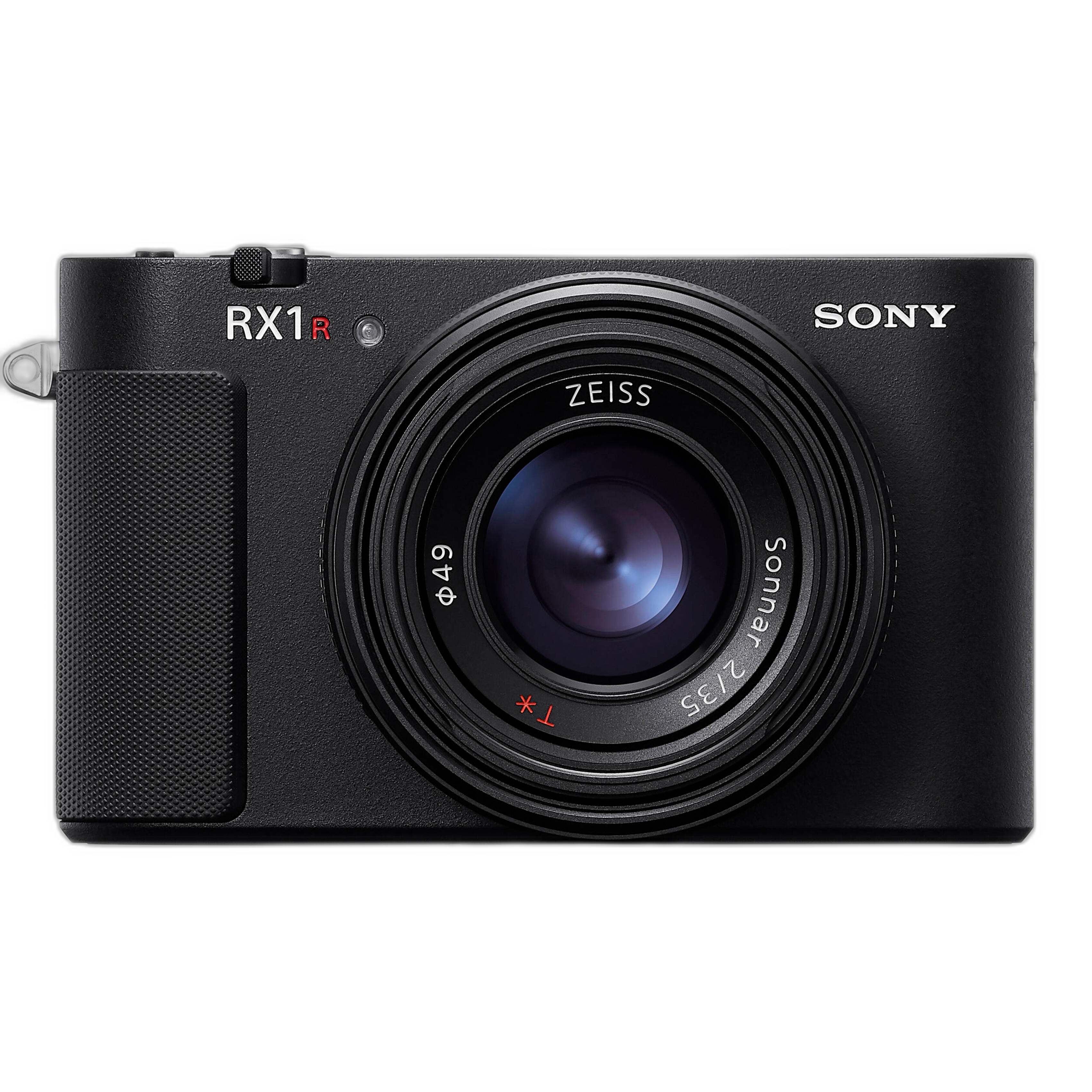
At the premium end, cameras like the Sony RX1R III Premium Compact Camera show how far Sony's compact imaging lineup can go for users focused on portability and high-end image quality in a fixed-lens form factor, though it serves a very different buyer than the A6400 or A6700 APS-C audience.
Sony A6700 vs A6400: Is It Worth the Money?
If you are asking whether the Sony A6700 is technically better than the A6400, the answer is clearly yes. The more useful question is whether the upgrade is worth the cost for your style of shooting.
It is worth the money if:
- You want much better video capability
- You need stronger autofocus tracking
- You value in-body stabilization
- You plan to keep the camera for years
- You want a more modern and refined user experience
It may not be worth the money if:
- You only shoot casual stills
- Your A6400 already performs well enough
- Your budget is better spent on lenses or accessories
- You do not need the A6700's advanced video features
For many users, the A6700 is the camera the A6400 eventually needed to become: a stronger hybrid tool for modern creators. If that describes your workflow, the upgrade makes a lot of sense.
Final Verdict: Should You Upgrade From the Sony A6400 to the Sony A6700?
Yes, the Sony A6700 is worth upgrading from the A6400 for creators who want a noticeably better hybrid shooting experience. Its autofocus, video features, stabilization, ergonomics, and overall usability make it a meaningful step up rather than a minor refresh.
But if you are mainly a stills shooter and your A6400 is not holding you back, you can absolutely keep using it and put your budget toward lenses, lighting, or other gear.
If you are still deciding, Unique Photo is a great place to compare Sony cameras, explore creator-focused options, and build a system around the way you actually shoot. In the conclusion of your shopping research, consider browsing internal category pages and guides such as Sony mirrorless cameras, APS-C lenses, video accessories, and vlogging cameras on Unique Photo to compare your best next move.