Why DSLR Shooters Are Looking at Mirrorless Now
For experienced photographers, the move from DSLR to mirrorless is no longer just about shaving weight from a camera bag. It is about getting better autofocus coverage, smarter subject detection, improved in-body stabilization, stronger video tools, quieter shooting, and a more accurate live view experience. The biggest question is usually not whether to switch, but how: stay loyal to your current brand for easier lens adaptation, or jump to a system that offers a bigger leap in performance.
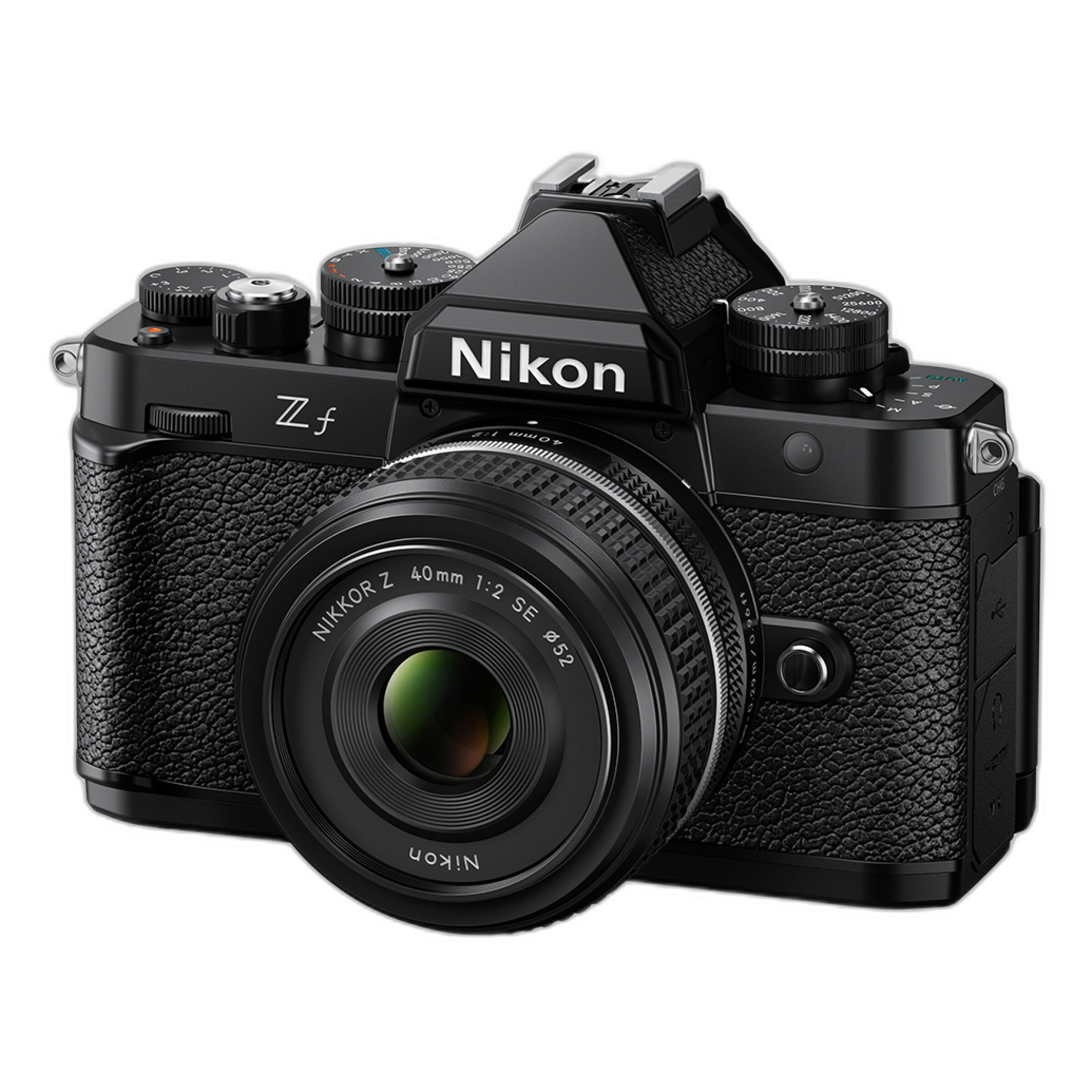
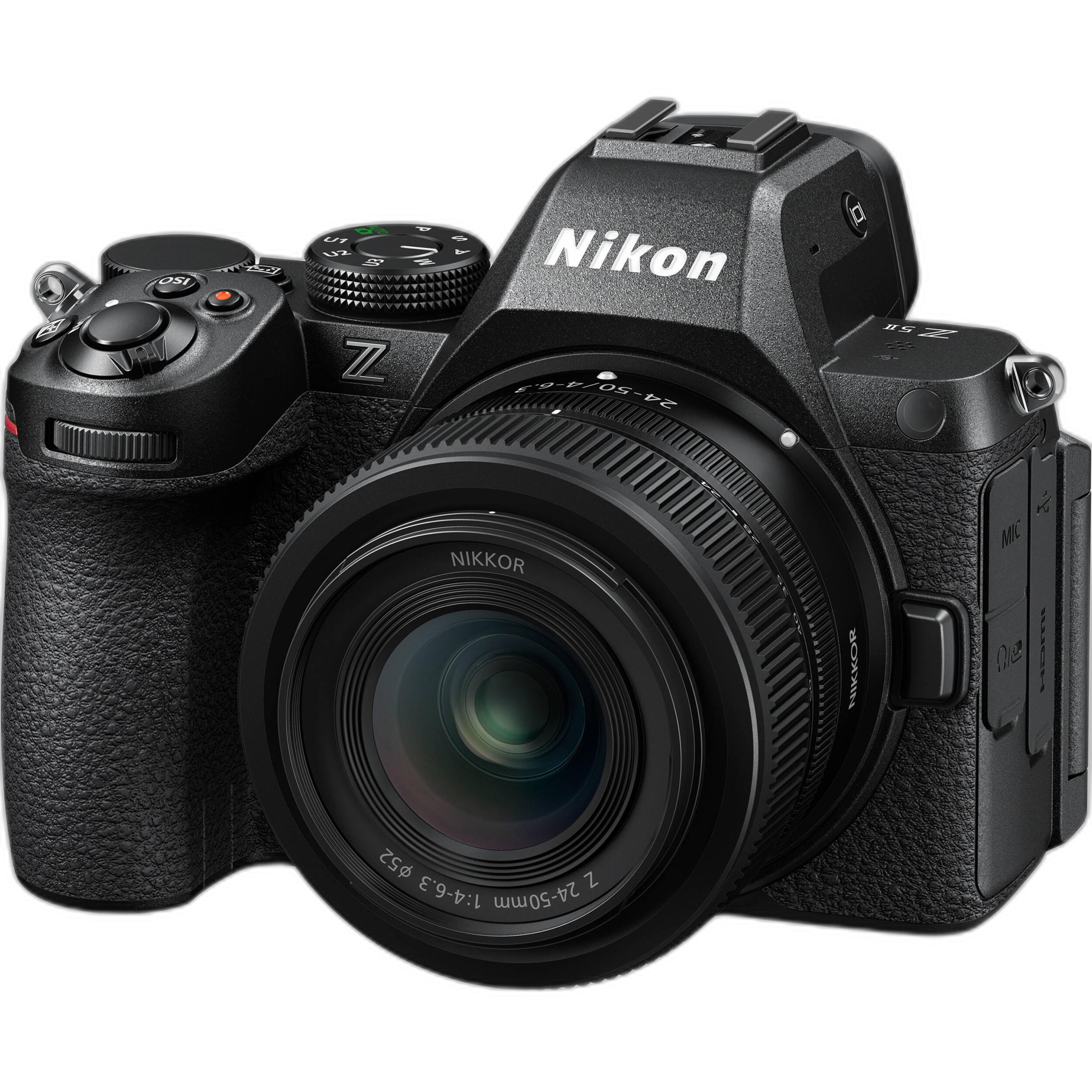
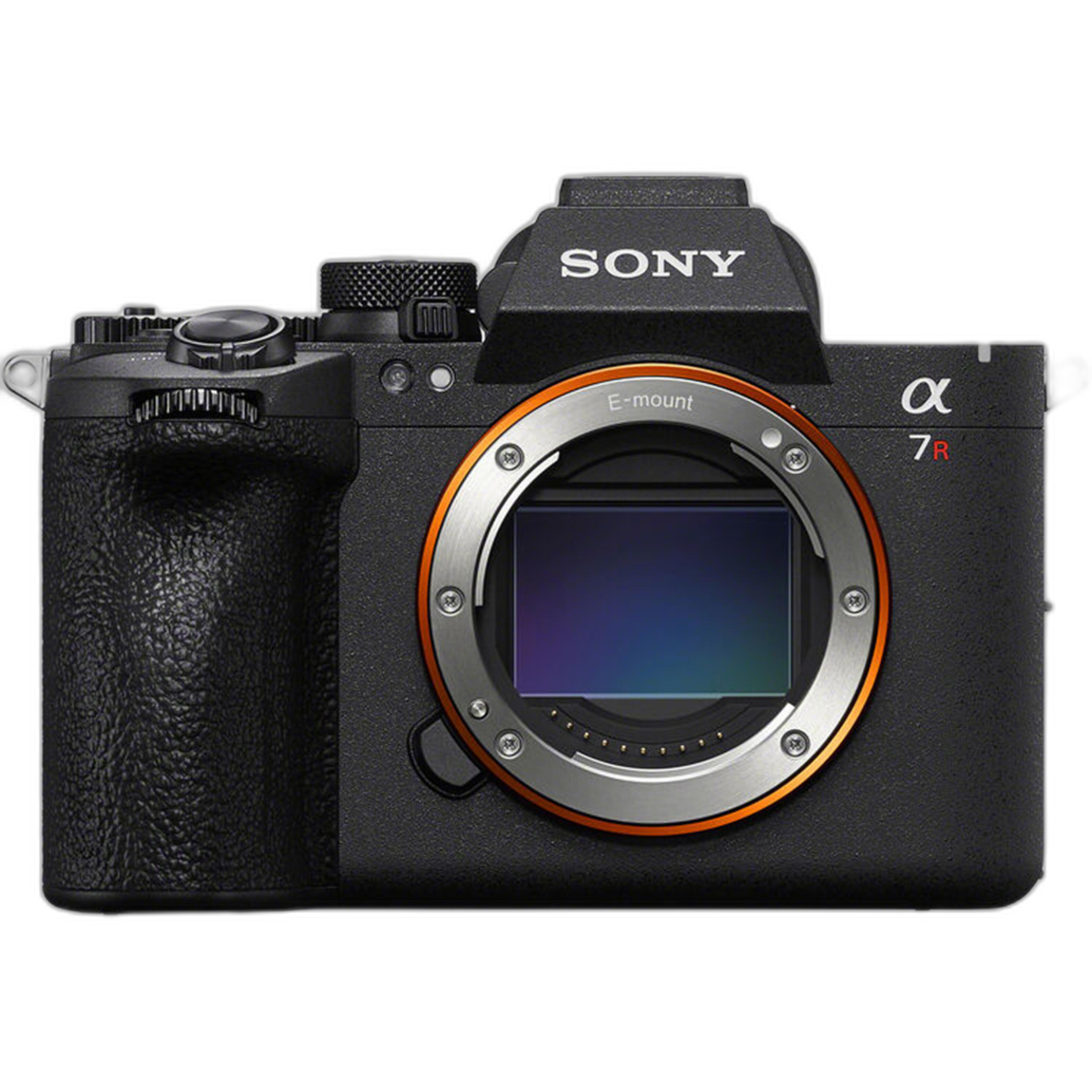
In this comparison, we are looking at five mirrorless options that represent very different upgrade paths: the retro-styled Nikon Zf, the practical full-frame Nikon Z5II, the high-resolution powerhouse Sony a7R VI, the compact travel-friendly OM SYSTEM OM-5, and the content-centric Panasonic LUMIX S9. For DSLR users, these models highlight the real-world tradeoffs around sensor size, autofocus sophistication, portability, lens ecosystems, and value.
Side-by-Side Specs Comparison
| Model | Sensor Format | Body Style | Best For | Key Upgrade for DSLR Users | Lens Compatibility Story |
|---|---|---|---|---|---|
| Nikon Zf | Full-frame | Retro hybrid stills-focused body | Photographers who want classic handling with modern AF | Big jump in subject-detection AF, IBIS, and low-light capability | Strong path for Nikon DSLR owners using FTZ adapter with F-mount lenses |
| Nikon Z5II | Full-frame | Modern all-around body with kit zoom | Balanced upgrade for Nikon DSLR users wanting an easy transition | Mirrorless AF, EVF preview, stabilization, and full-frame image quality | Excellent upgrade path for F-mount users adapting lenses while building a Z-mount kit |
| Sony a7R VI | Full-frame | High-resolution pro body | Landscape, commercial, studio, and hybrid shooters prioritizing detail and AF | Top-tier autofocus intelligence, resolution, and mirrorless system maturity | Best if you are willing to switch systems for lens variety and cutting-edge body tech |
| OM SYSTEM OM-5 | Micro Four Thirds | Compact weather-resistant body | Travel, hiking, outdoor, and lightweight enthusiast use | Major portability gain, stabilization, and computational shooting tools | Best as a fresh start rather than a direct DSLR lens carryover strategy |
| Panasonic LUMIX S9 | Full-frame | Compact content-driven body | Creators and stills/video users who want small full-frame gear | Full-frame quality in a more compact mirrorless setup | L-mount gives access to Panasonic, Sigma, and Leica lens options, but usually means a system switch |
Brand Loyalty vs Switching Systems
This is the central debate for DSLR users. If you already own Nikon F-mount glass, the easiest move is naturally into Nikon Z. The Zf and Z5II make a lot of sense because the transition can be gradual: keep using favorite DSLR lenses through an adapter, then add native Z lenses over time. That lowers the cost and friction of moving to mirrorless.
If you are shooting Canon DSLR and considering a jump, the older Canon M100 represented an entry-level mirrorless path, but it is not the strongest reference point for an experienced DSLR shooter today, especially when compared to current full-frame systems and more advanced autofocus options. For many upgraders, the bigger conversation is whether to stay in a familiar ecosystem like Nikon, or move to Sony or Panasonic for a different lens roadmap and body feature set.
The reason some photographers switch is simple: mirrorless is not just about replacing the body. It is about buying into autofocus behavior, ergonomics, menus, native lens availability, third-party support, and future system growth. Sony often wins this conversation for breadth of lenses and advanced autofocus. Nikon wins for familiar handling and a smoother path for existing Nikon DSLR owners. Panasonic appeals to users who value video-oriented design and L-mount flexibility. OM SYSTEM offers a very different answer: maximum mobility.
Nikon Zf: Best for Familiarity with Personality
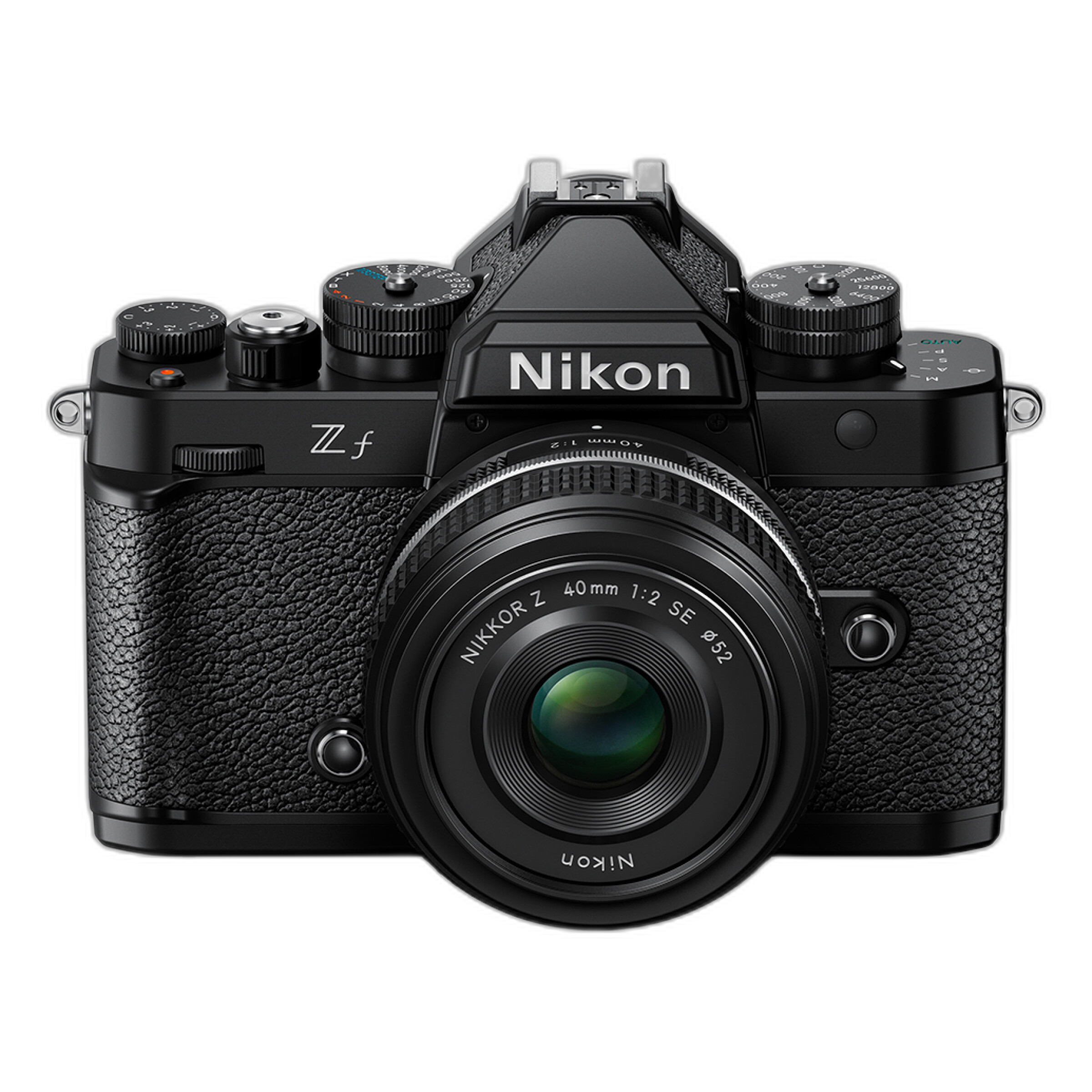
The Nikon Zf is an especially appealing choice for DSLR shooters who still want the camera to feel like a photographer’s tool rather than a mini computer. It combines classic tactile controls with modern mirrorless autofocus and full-frame performance. For someone coming from a Nikon DSLR, it can feel like a meaningful upgrade without giving up the shooting experience they enjoy.
The included 40mm f/2 SE lens adds to that appeal by creating a compact, walkaround-ready package. In real-world use, the Zf gives you better eye detection, more accurate focus across the frame, quieter shooting, and the confidence of seeing exposure changes live through the viewfinder. That is a genuine workflow improvement over optical-viewfinder shooting, especially in changing light.
Nikon Z5II: Best for the Practical DSLR Migrator
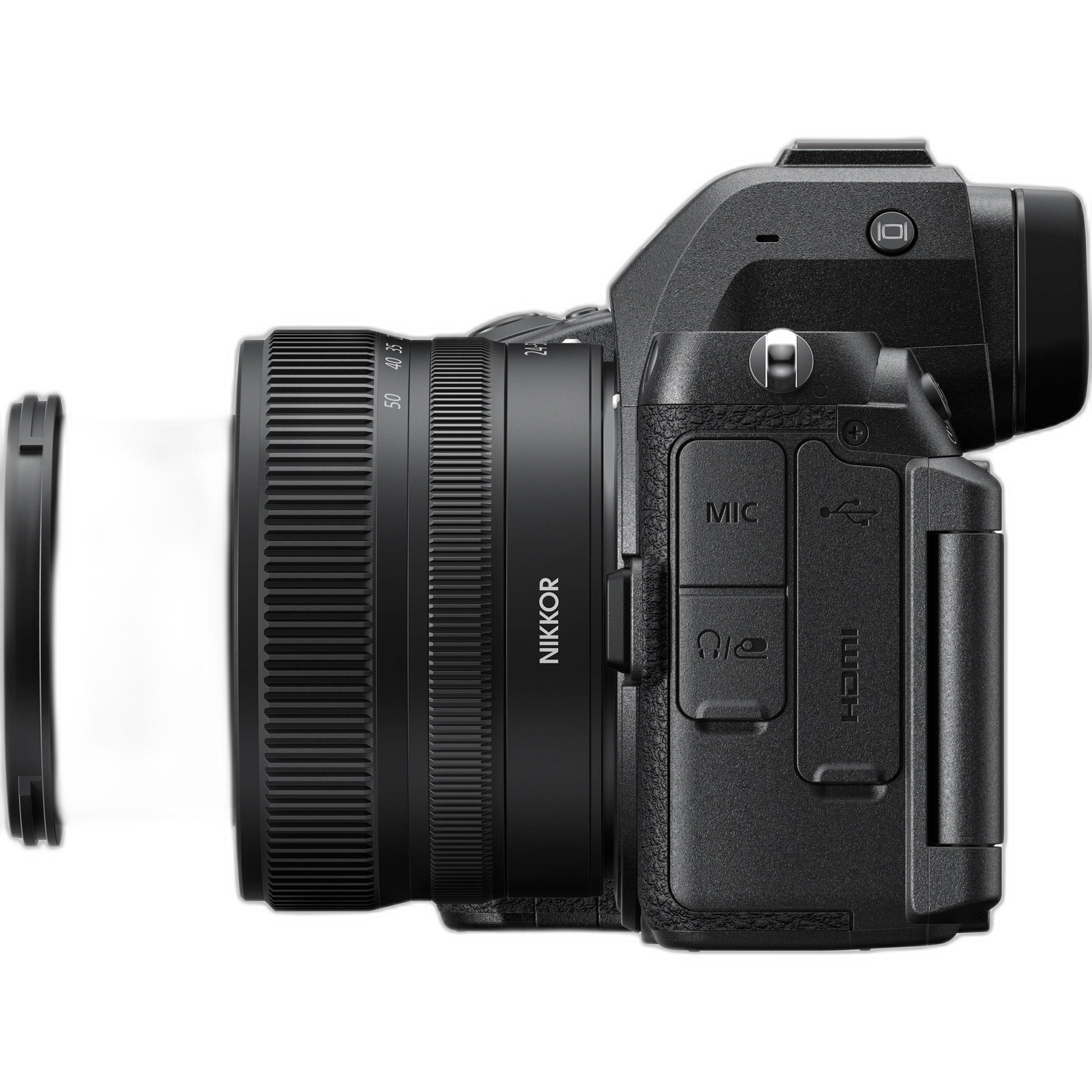
If the Zf is the emotional pick, the Nikon Z5II is the practical one. This is the kind of camera that makes a lot of sense for experienced DSLR owners who want full-frame image quality, modern autofocus, and a straightforward body style that feels current rather than nostalgic. Paired with the 24-50mm lens, it creates an accessible entry into a full-frame mirrorless kit.
The Z5II is the camera to look at if your goal is to modernize your setup without completely rethinking the way you shoot. It is likely to appeal to wedding shooters, portrait photographers, family documentarians, and hobbyists who want broad capability rather than a specialist tool. Compared to a DSLR, the biggest gains are autofocus flexibility, stabilization, silent shooting, and a more compact full-frame kit.
Sony a7R VI: Best for Maximum Performance
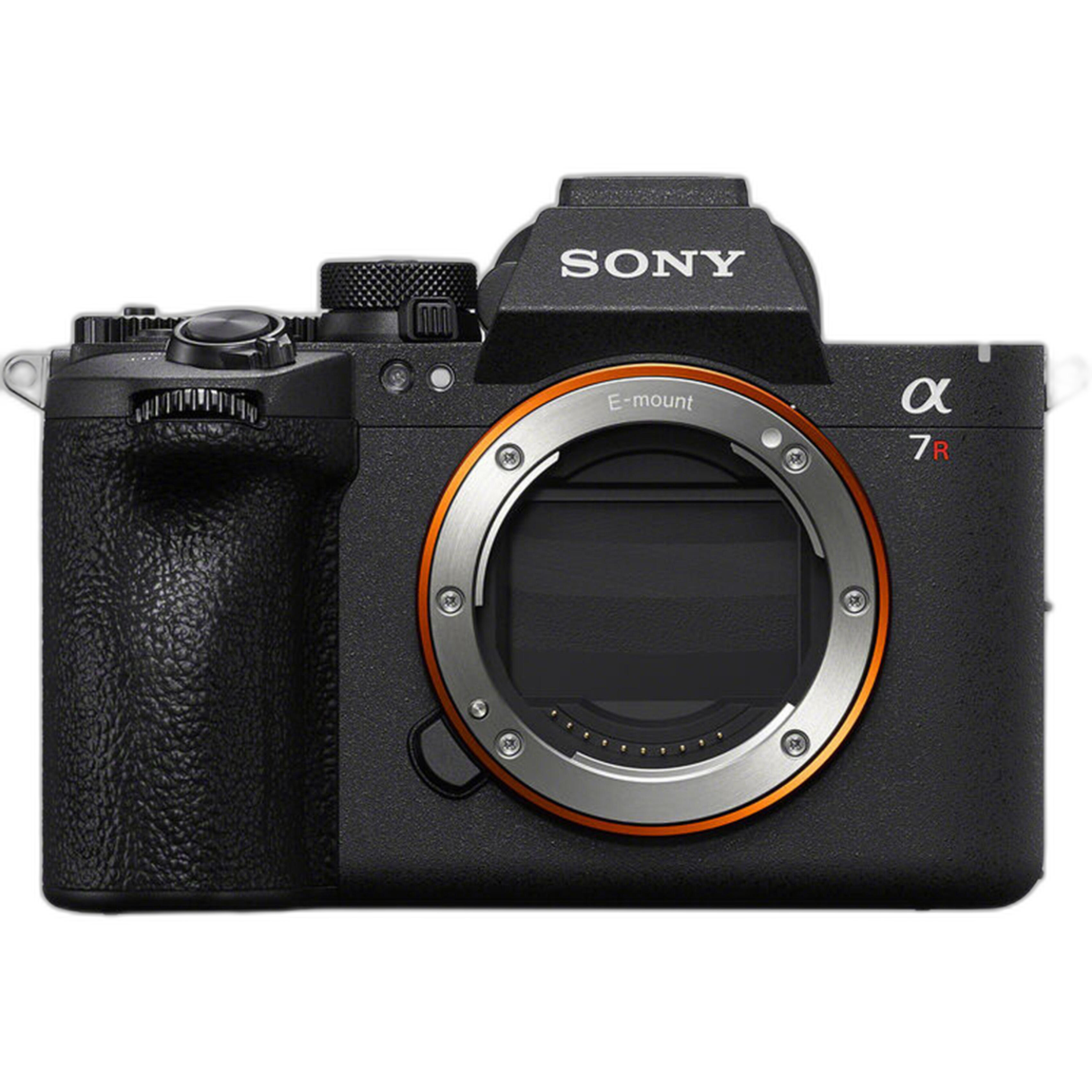
The Sony a7R VI is the option for photographers who are less concerned with staying brand-loyal and more interested in getting one of the most advanced mirrorless shooting experiences available. For DSLR users coming from older full-frame bodies, the jump here can feel dramatic: exceptionally advanced autofocus, high-resolution capture, broad lens choice, and a mature professional mirrorless ecosystem.
This is not necessarily the cheapest path, and it may require a full lens transition if you are heavily invested in another mount. But for landscape, commercial, studio, architecture, or hybrid photo/video work, Sony offers a compelling case. The autofocus advantage alone can be transformative for shooters who have spent years dealing with DSLR focus calibration issues, limited frame coverage, or inconsistent tracking.
OM SYSTEM OM-5: Best for Travel and Outdoor Shooters
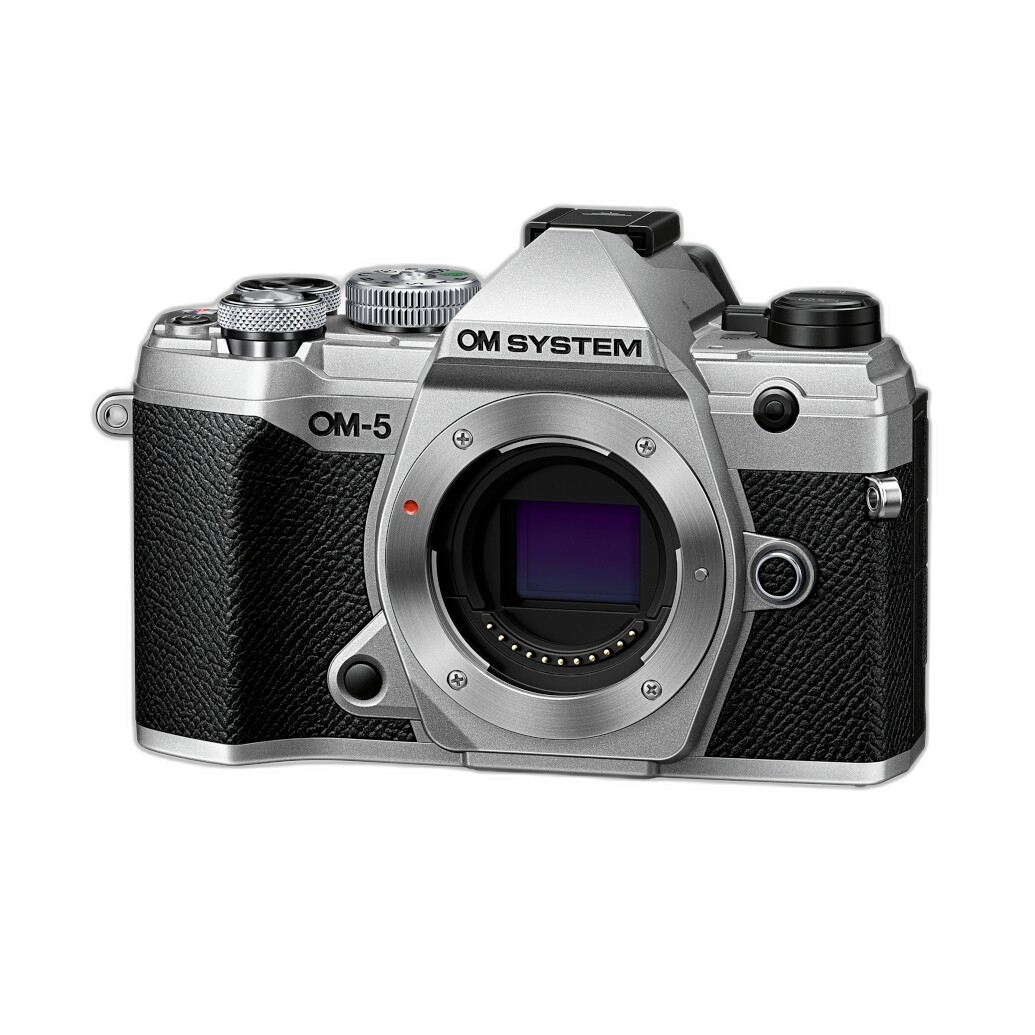
Not every DSLR shooter needs to move to full-frame. The OM SYSTEM OM-5 is a reminder that mirrorless can also be about freedom of movement. If your DSLR kit feels too heavy for travel, hiking, nature walks, or everyday carry, the OM-5 offers one of the clearest quality-of-life upgrades in this group. The smaller sensor format allows for smaller lenses, and that can completely reshape how often you actually bring your camera with you.
For birders, outdoor photographers, and travelers, this system can punch above its size because of strong stabilization and a lens lineup designed around portability. The main tradeoff versus full-frame is the different look and lower emphasis on ultra-shallow depth of field or maximum low-light performance. Still, for many photographers, the best camera is the one they are willing to carry all day.
Panasonic LUMIX S9: Best for Compact Full-Frame Creators
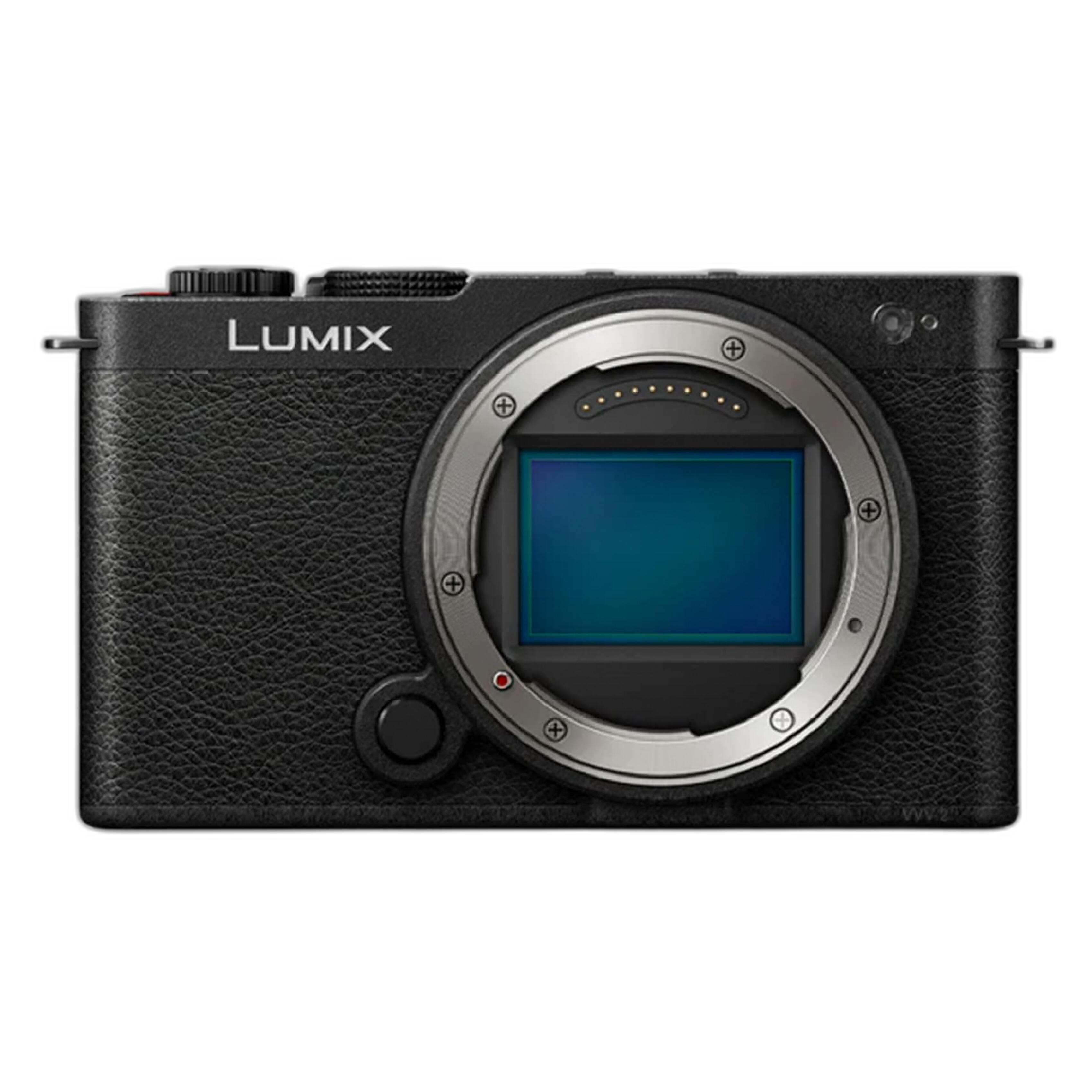
The Panasonic LUMIX S9 is an interesting choice for DSLR users who want full-frame image quality but are also thinking about modern content creation needs. It sits in a space between traditional still photography and creator-focused hybrid use. If your DSLR upgrade list includes smaller size, strong video potential, and a fresh lens ecosystem, Panasonic’s L-mount platform is worth considering.
For stills-first DSLR photographers, the question is whether the S9’s design priorities match your style. If you are leaning into both photo and video, social content, or lighter everyday full-frame use, it can be a smart move. It is less about preserving old habits and more about adopting a newer way of shooting.
Autofocus Advancements: One of the Biggest Reasons to Upgrade
For many DSLR users, autofocus is the single biggest real-world reason to move to mirrorless. DSLRs often rely on a clustered AF area through the optical viewfinder and can require micro-adjustments for lens calibration. Mirrorless bodies largely eliminate those frustrations by focusing directly on the imaging sensor. In practice, that means more accurate focus placement, better eye detection, and tracking that reaches much closer to the frame edges.
The Nikon Zf and Z5II both give DSLR upgraders a meaningful autofocus boost, especially for portraits, events, and family photography. Sony goes even further, with class-leading subject recognition and tracking sophistication. OM SYSTEM offers excellent practical AF in a lightweight field setup, while Panasonic is especially compelling for users whose shooting style mixes stills and video.
Lens Compatibility and the Cost of Switching
Lens compatibility often determines whether a mirrorless switch feels exciting or expensive. If you already own quality Nikon DSLR glass, Nikon Z is the easiest recommendation because adaptation is a known and sensible path. You can preserve the value of your existing lenses while choosing when to invest in native glass.
Switching to Sony or Panasonic often makes sense when you want their bodies, autofocus behavior, or native/third-party lens catalogs badly enough to justify starting over. Sony is especially strong here because of the wide range of native and third-party options across price points. Panasonic’s L-mount alliance is also attractive, particularly if you appreciate access to Sigma lenses.
OM SYSTEM is more of a commitment to a lightweight philosophy than to lens adaptation. It is ideal for photographers who care more about reducing bulk than preserving an existing DSLR lens collection.
Real-World Performance Upgrades Over DSLRs
Viewfinder Experience
Electronic viewfinders let you preview exposure, white balance, picture profiles, and depth-of-field changes before you press the shutter. DSLR shooters who adapt to EVFs often find they miss fewer shots in tricky lighting.
Stabilization
In-body image stabilization is a major practical advantage for handheld shooting. It is useful for portraits, travel, low-light street shooting, and video. The benefit is especially noticeable if your DSLR body lacked IBIS.
Silent Shooting
Mirrorless bodies make it easier to shoot quietly during weddings, ceremonies, performances, or candid street work. That can change how and where you work.
Size and Carry Comfort
Even full-frame mirrorless bodies can slim down a kit, while OM SYSTEM takes compactness to another level. If your DSLR setup often stays home because of weight, mirrorless can solve that problem immediately.
Our Pick
Our Pick: Nikon Z5II for most DSLR upgraders.
The Nikon Z5II is the most balanced recommendation for experienced shooters moving from DSLR to mirrorless. It offers the features that matter most in daily use: full-frame image quality, modern autofocus, a practical body design, and a straightforward upgrade path for Nikon DSLR lens owners. It avoids the specialist extremes of some other models while still delivering the mirrorless benefits people actually notice in the field.
If you want the strongest case for staying brand-loyal and upgrading intelligently, the Z5II is the safest and smartest choice. If you want more character and classic controls, choose the Nikon Zf. If you want the biggest technology leap and are open to changing systems entirely, the Sony a7R VI is the standout switcher’s option.
Final Thoughts
Moving from DSLR to mirrorless is about more than buying a newer camera body. It is about choosing the system that best matches your lenses, your subjects, your travel habits, and your tolerance for change. Nikon makes a powerful case for photographers who want continuity. Sony makes a strong argument for those chasing peak autofocus and system depth. OM SYSTEM is ideal for shooters who want to get lighter without giving up capability. Panasonic offers a compelling modern hybrid path.
If you are ready to compare bodies, lenses, and used or open-box mirrorless options in more detail, Unique Photo is a great place to explore the next step in your upgrade path.