Upgrading from DSLR: What’s the Best Mirrorless Body in 2024?
If you’ve been shooting with a DSLR and are ready to move into mirrorless, the biggest question is usually not whether to switch—it’s which body makes the most sense. For many photographers, the move to mirrorless is about getting faster autofocus, better subject detection, more compact bodies, improved video tools, and a more modern shooting experience overall.
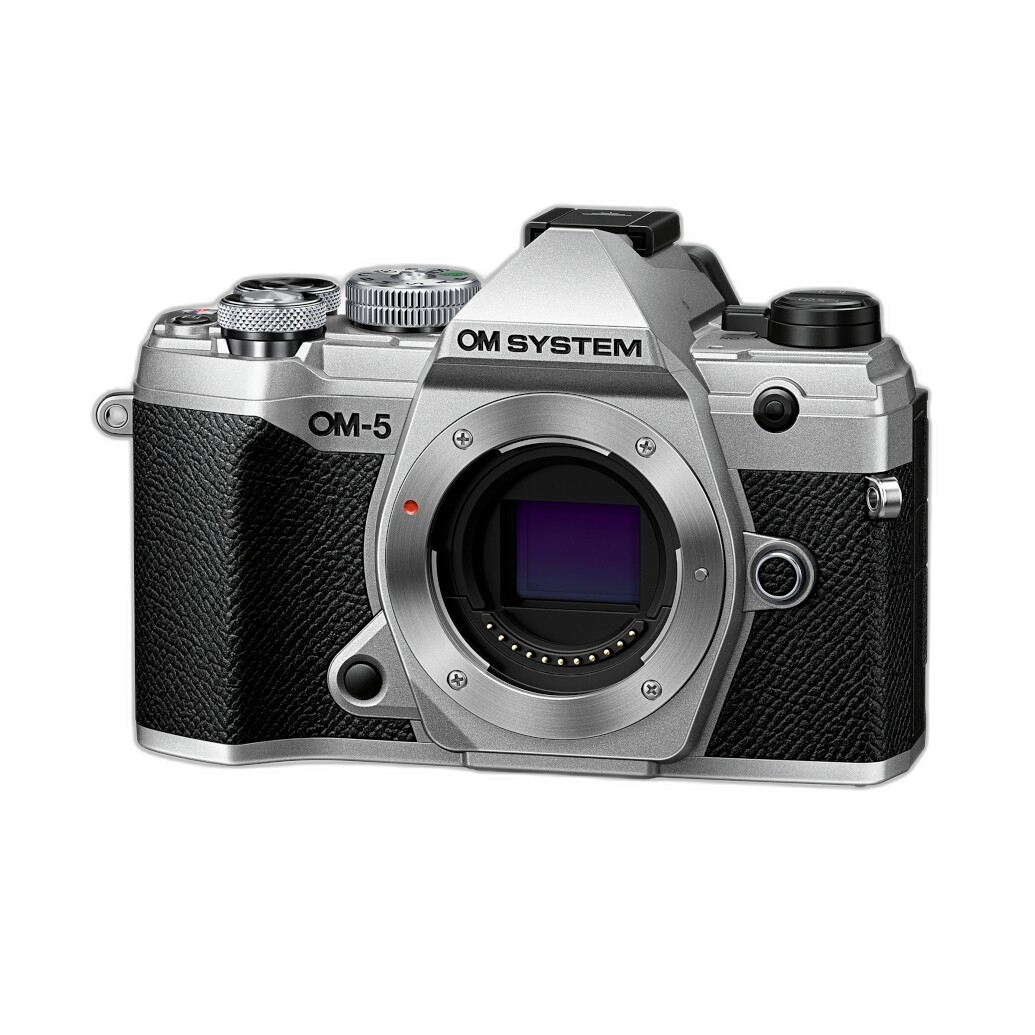
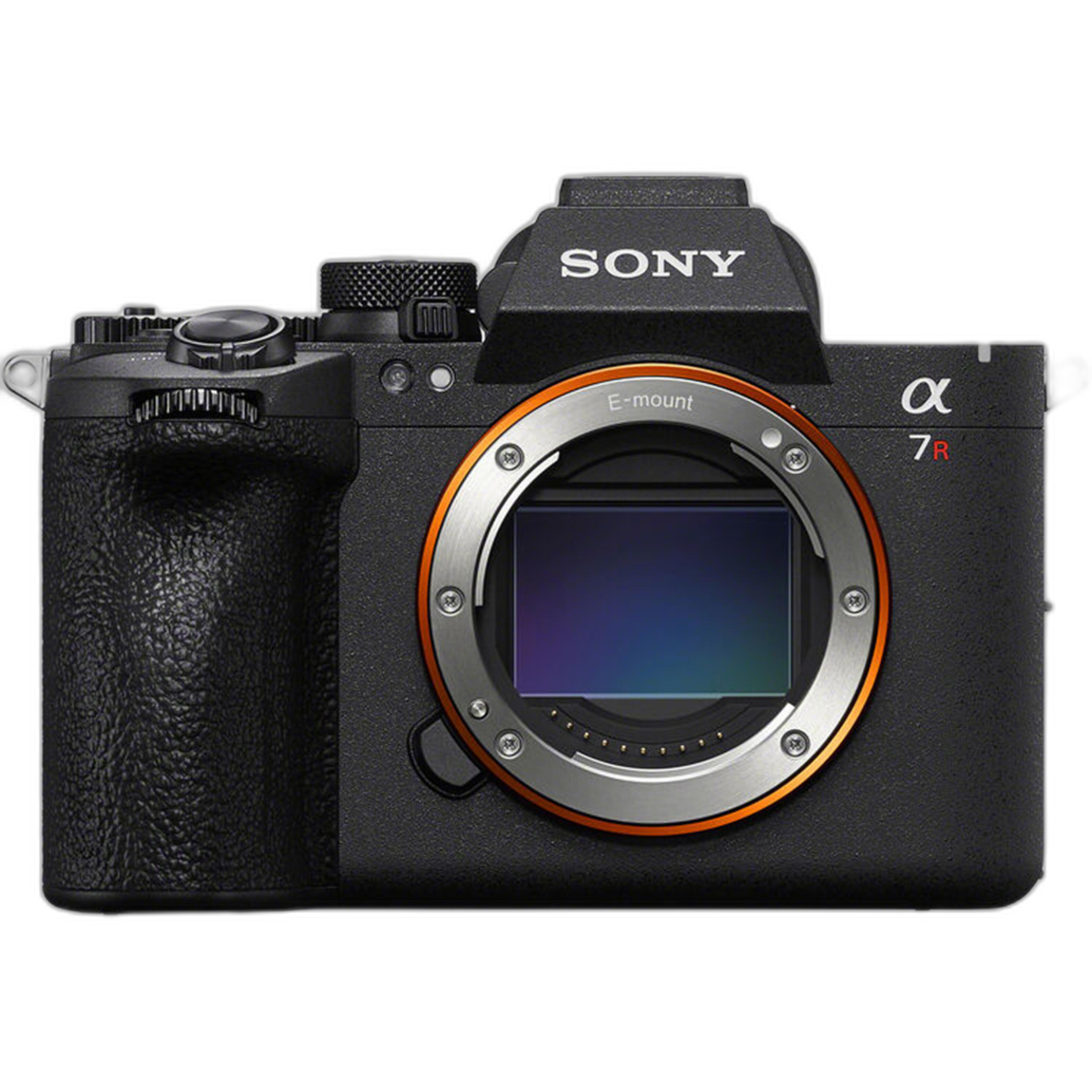
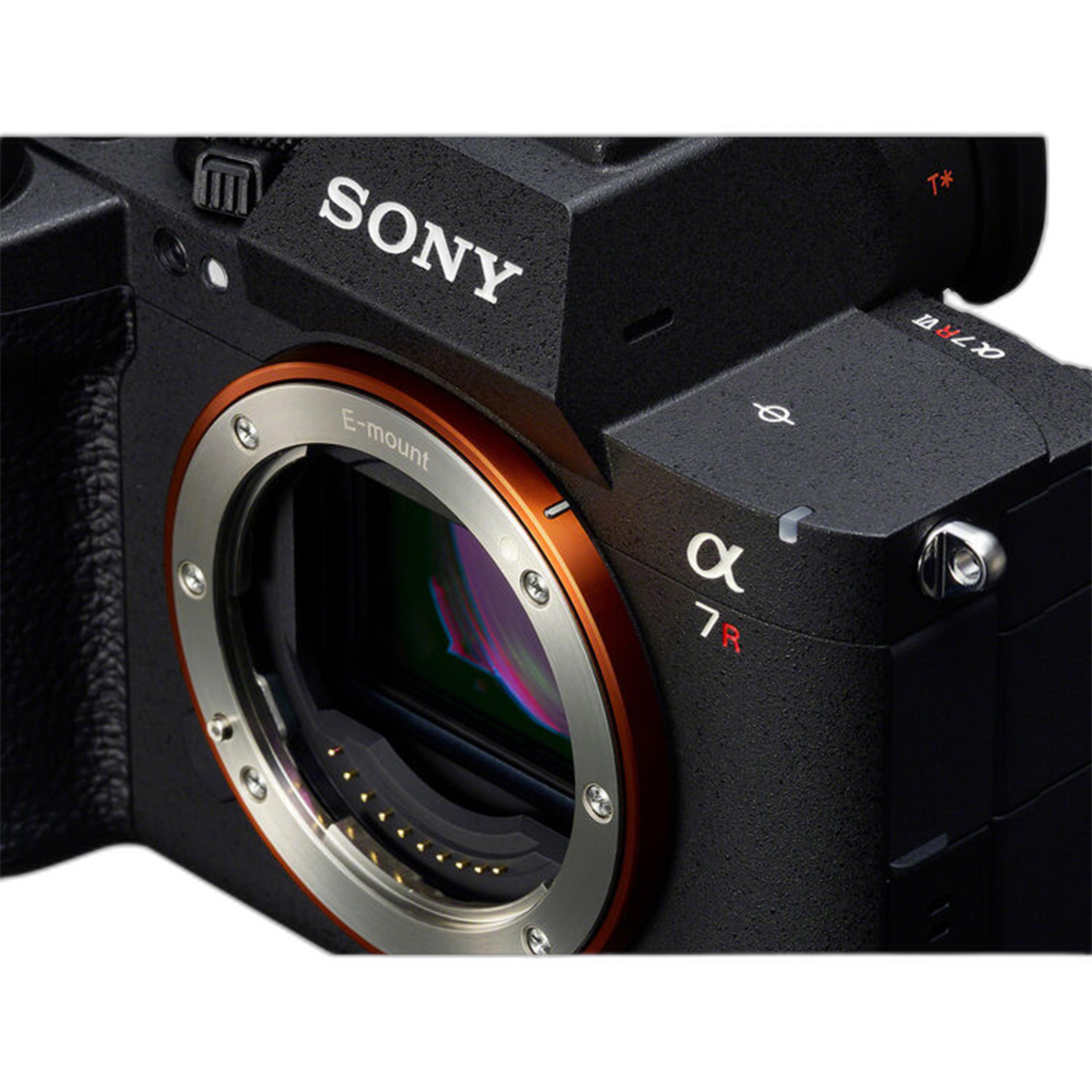
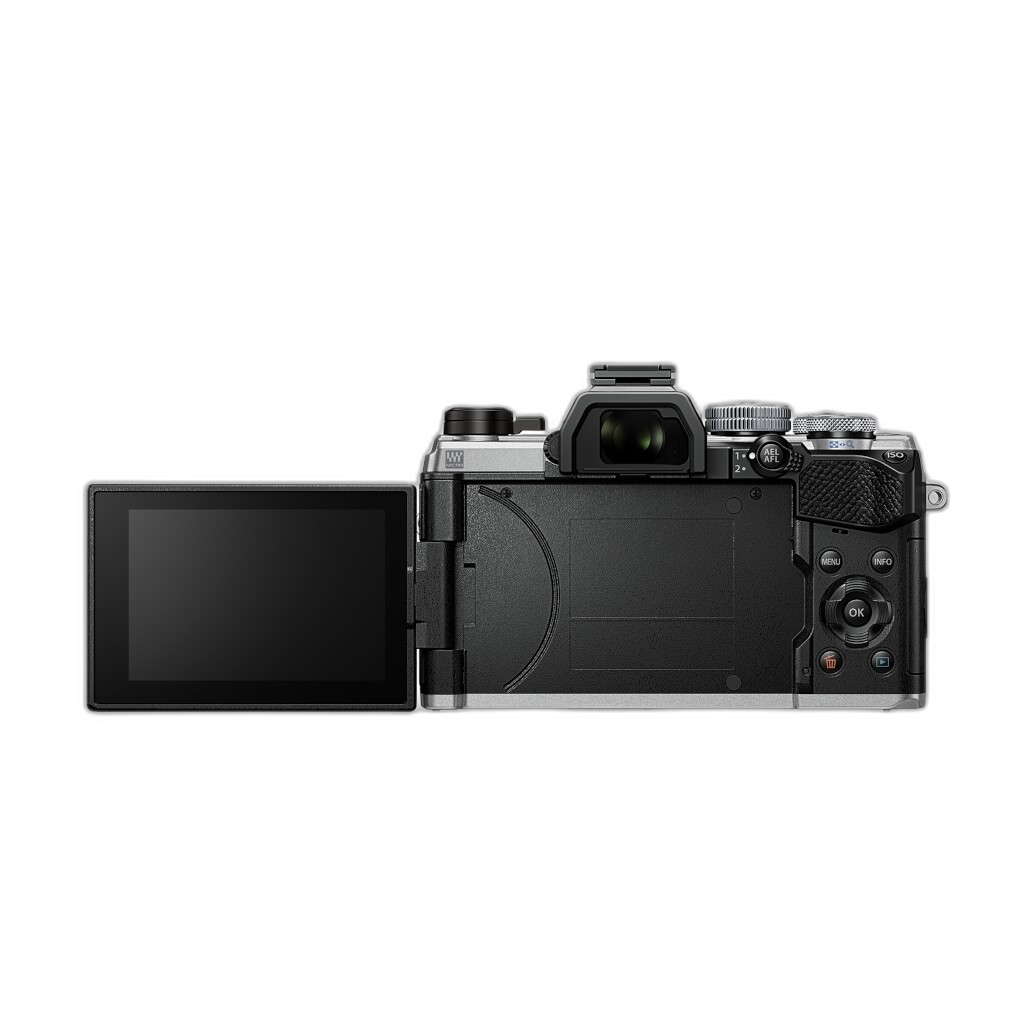
In this comparison, we’re looking at two very different mirrorless options available from Unique Photo: the OM SYSTEM OM-5 Mirrorless Camera and the Sony a7R VI Mirrorless Camera. These cameras target different users and budgets, but both represent compelling reasons to leave DSLR shooting behind. The OM-5 is a compact, travel-friendly Micro Four Thirds body with strong stabilization and outdoor appeal, while the Sony a7R VI is a high-resolution full-frame powerhouse aimed at demanding enthusiasts and professionals.
The right choice depends on what kind of DSLR shooter you are today: someone who wants lighter gear and versatility, or someone looking for the biggest leap in image quality, autofocus, and long-term system potential.
Side-by-Side Specs
| Feature | OM SYSTEM OM-5 | Sony a7R VI |
|---|---|---|
| Sensor Format | Micro Four Thirds | Full-Frame |
| Resolution | Moderate-resolution stills optimized for portability and speed | Ultra-high-resolution stills for maximum detail |
| Body Style | Compact, lightweight, travel-friendly | Professional-style mirrorless body |
| In-Body Image Stabilization | Yes | Yes |
| Autofocus Experience | Strong everyday mirrorless AF with modern tracking benefits over DSLR | Advanced subject detection and high-end AF performance |
| Best For | Travel, hiking, street, general photography, outdoor creators | Landscape, portrait, commercial, studio, hybrid creators, advanced enthusiasts |
| System Advantage | Smaller lenses and lighter kits | Maximum image quality and premium full-frame ecosystem |
| Upgrade Appeal for DSLR Users | Easier transition for those wanting smaller gear | Major leap in resolution, AF, and professional capability |
What DSLR Users Usually Want from Mirrorless
Most DSLR upgraders are looking for a few specific improvements. First, they want autofocus that performs better in live view and tracks subjects more reliably. Second, they want to reduce bag weight without giving up image quality. Third, they want better stabilization, stronger video features, and an electronic viewfinder that shows exposure in real time.
That’s why this comparison is so useful: the OM-5 and Sony a7R VI solve the DSLR upgrade question in two very different ways. One prioritizes mobility and ease of use; the other prioritizes top-tier output and cutting-edge performance.
Size and Portability
For many DSLR users, the first thing they notice when switching to mirrorless is how much smaller the kit can become. This is where the OM SYSTEM OM-5 has a major advantage. Its Micro Four Thirds design keeps both the body and lenses compact, making it especially attractive for travel photographers, hikers, and casual everyday shooters who are tired of carrying a bulky DSLR bag.
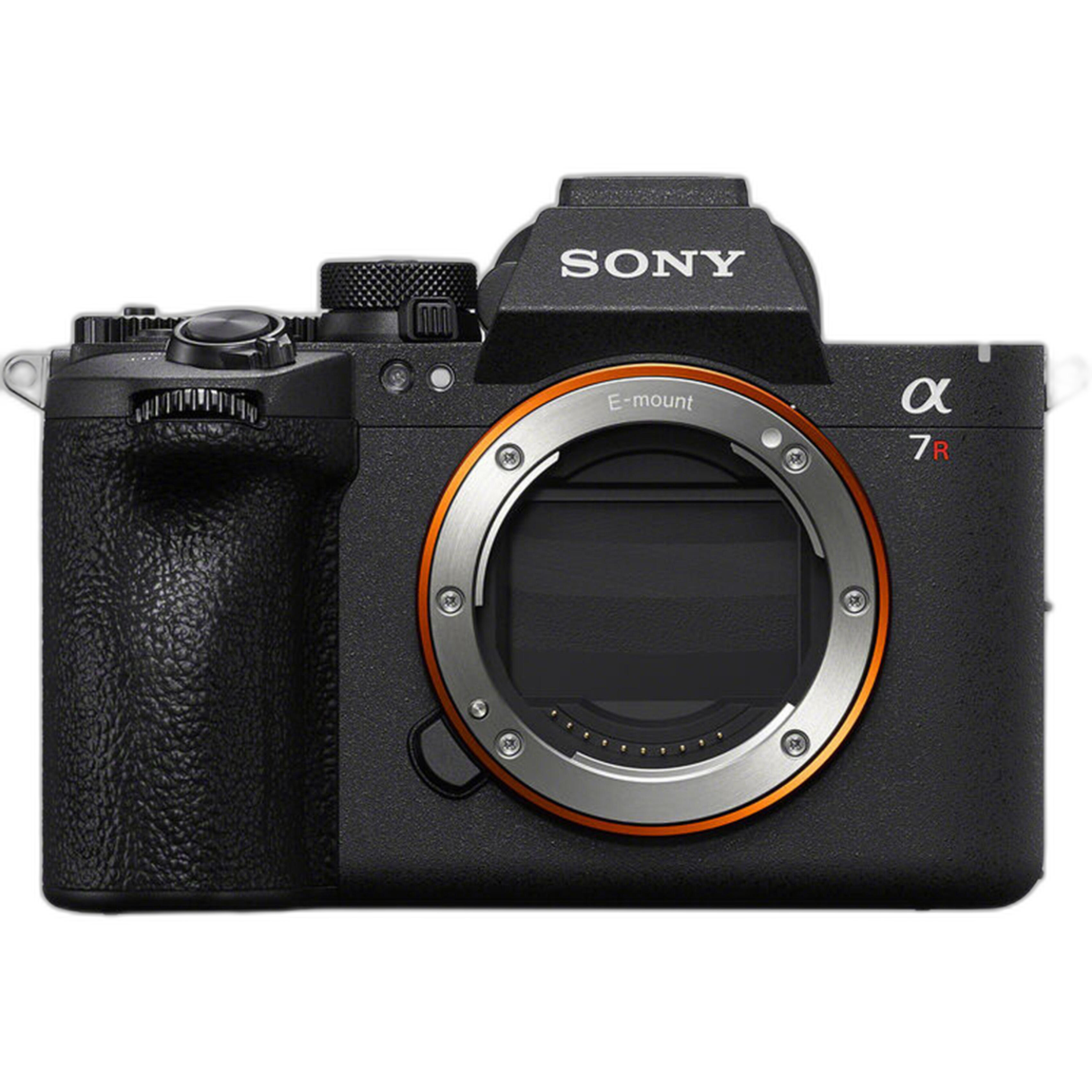
The Sony a7R VI, while still more compact than many traditional pro DSLRs, is aimed at a more performance-driven class of user. As a full-frame, high-resolution body, it naturally pairs with larger lenses and a more substantial setup overall. If your priority is reducing size and weight as much as possible, the OM-5 is the more DSLR-liberating option.
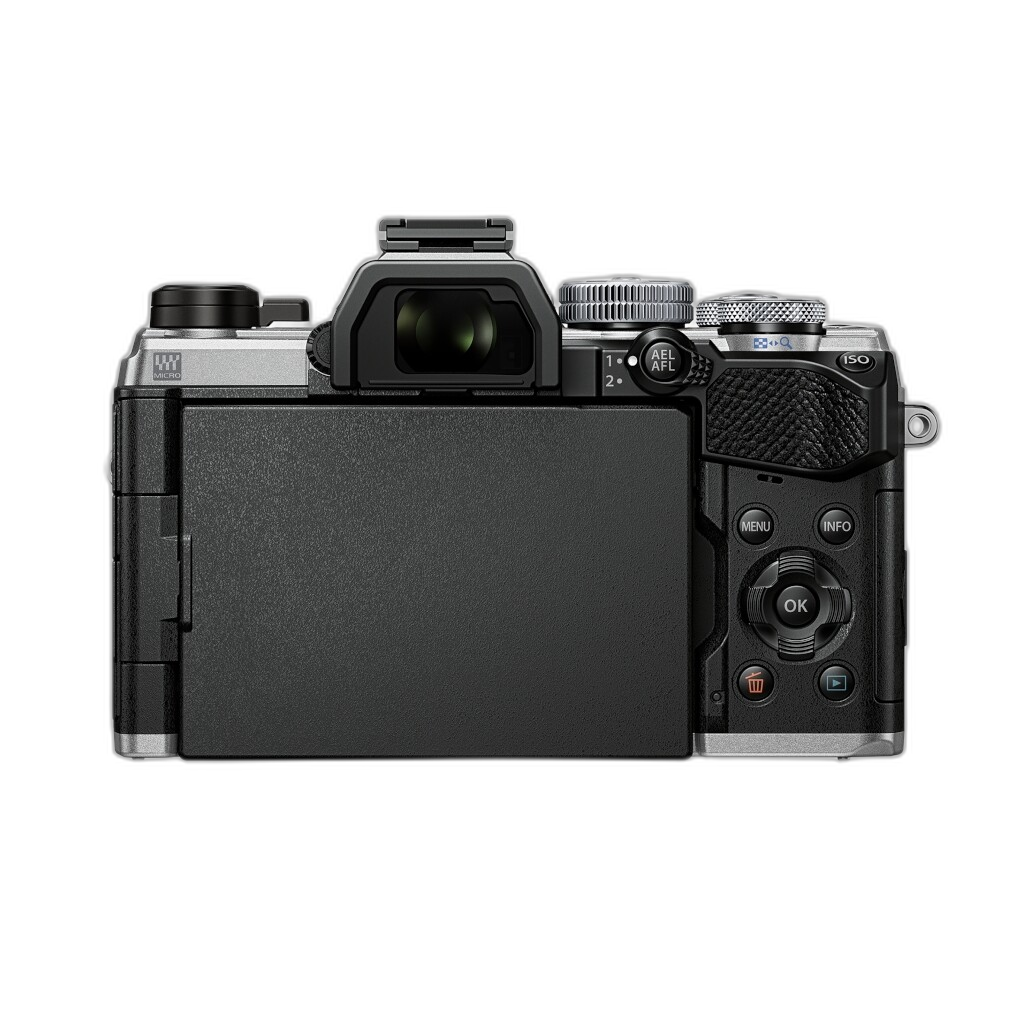
Image Quality and Sensor Advantage
If your DSLR upgrade is motivated by wanting the best possible image quality, the Sony a7R VI is the standout. Its full-frame design and ultra-high-resolution approach make it a strong choice for photographers who crop heavily, print large, or need exceptional fine detail for landscapes, portraits, architecture, or commercial work.
The OM-5 can absolutely produce excellent results, and for many real-world uses it offers more than enough quality. But it is designed around a different philosophy: balancing image quality with portability, reach, and stabilization. DSLR users coming from APS-C or older entry-level systems may find the OM-5 to be a great step forward, but those seeking a dramatic jump into premium image quality will be more drawn to Sony’s full-frame body.
Autofocus and Modern Shooting Experience
One of the biggest reasons to leave DSLR behind is autofocus performance. Mirrorless systems offer smarter subject detection, wider frame coverage, and a more seamless live-view experience than older DSLR AF systems.
The Sony a7R VI has the edge here for photographers who demand top-level subject recognition and tracking. If you shoot portraits, events, moving subjects, or hybrid photo/video content, Sony’s high-end autofocus ecosystem is a major selling point.
The OM-5 still delivers the modern mirrorless benefits DSLR users are typically after, and for general shooting, travel, and outdoor photography it remains highly capable. But if autofocus sophistication is near the top of your wishlist, Sony is the stronger body in this matchup.
Stabilization and Handheld Shooting
For photographers coming from DSLR bodies without in-body image stabilization, either of these cameras can feel like a major upgrade. Handheld low-light work, slower shutter speed shooting, and video capture all benefit from stabilization.
The OM-5 is especially appealing for handheld shooters because it pairs strong stabilization with a smaller, lighter overall system. That combination can be a huge advantage for travel, nature walks, and all-day carry.
The Sony a7R VI also offers stabilization, but because it is built around a high-resolution full-frame concept, users often pair it with premium lenses and more demanding workflows. It still helps significantly, but the OM-5 feels more optimized for the photographer who wants a nimble handheld system.
Lens Ecosystem and System Growth
DSLR upgraders should think beyond the camera body. The right mirrorless choice is really about the entire system you’ll build over time.
The OM SYSTEM OM-5 benefits from the Micro Four Thirds ecosystem, which is known for compact, lightweight lenses with excellent versatility. That makes it a very smart choice for photographers who want to build an affordable, portable multi-lens kit without ending up back in DSLR-sized territory.
The Sony a7R VI taps into Sony’s mature full-frame mirrorless system, one of the deepest ecosystems in the market. If you want access to premium glass, specialized focal lengths, and a system that can scale from enthusiast use to demanding professional work, Sony is hard to beat. The tradeoff is that full-frame lenses are typically larger and more expensive.
Who Should Choose the OM-5?
The OM SYSTEM OM-5 makes the most sense for DSLR users who are prioritizing portability, outdoor use, and an easy day-to-day shooting experience. It’s a great fit for travel photographers, hikers, street shooters, and enthusiasts who are tired of carrying heavy DSLR gear but still want interchangeable lenses and serious creative control.
It is also a strong pick for photographers who value stabilization and telephoto reach in a smaller system. If your current DSLR setup feels too bulky to take everywhere, the OM-5 solves that problem extremely well.
Who Should Choose the Sony a7R VI?
The Sony a7R VI is the better fit for DSLR users who want a premium, no-compromise mirrorless upgrade. If you shoot portraits, landscapes, commercial work, editorial content, or anything where detail and autofocus performance matter most, Sony is the more ambitious step up.
It’s also the stronger long-term choice for users who want to grow into a professional-grade full-frame ecosystem. For photographers moving from a higher-end DSLR and unwilling to take a step down in image quality or system depth, this is the more natural destination.
Our Pick
Our Pick: Sony a7R VI
If you’re asking, “What’s the best mirrorless body in 2024 for upgrading from DSLR?” the Sony a7R VI is our pick for most photographers who want the biggest overall leap in performance. Its full-frame sensor, ultra-high-resolution output, advanced autofocus, and high-end system potential make it the most complete upgrade path in this comparison.
That said, the OM SYSTEM OM-5 deserves serious consideration if your top priority is portability. For travel and everyday photography, it may actually be the smarter buy for shooters who want to carry less and shoot more.
Final Thoughts
There’s no single mirrorless camera that’s right for every DSLR user. The best upgrade depends on whether you value compactness or ultimate performance. The OM SYSTEM OM-5 is the better choice for photographers who want a lighter, more mobile kit, while the Sony a7R VI is the stronger pick for users chasing top-tier autofocus, resolution, and full-frame image quality.
If you’re ready to move on from DSLR and into a modern mirrorless system, Unique Photo is a great place to compare bodies, lenses, and accessories—and find the setup that best fits the way you shoot.