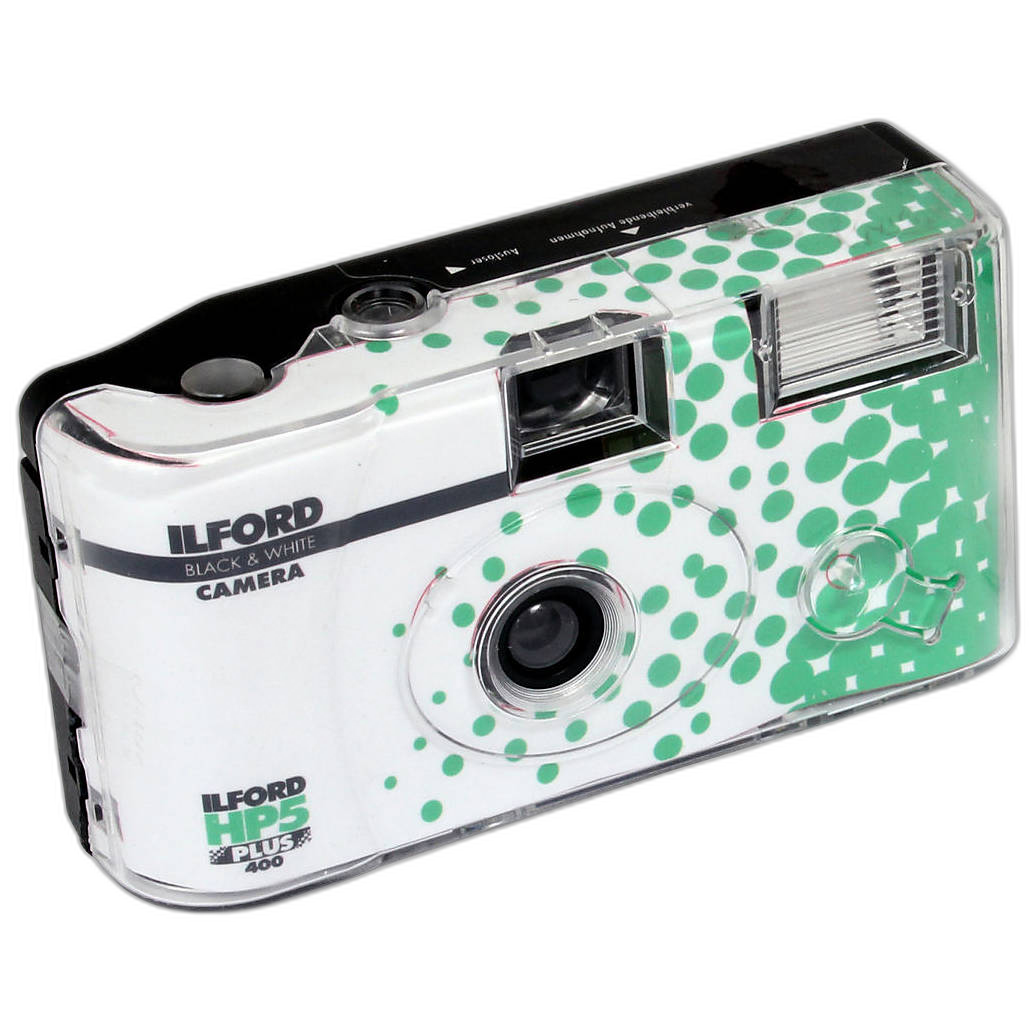
Few black-and-white films arrive with the burden of expectation that follows a name like HP5. By the time Ilford HP5 Plus appeared in 1989, the HP line already carried real weight among photographers who needed speed, flexibility, and a look that felt unmistakably traditional. This new version was not about chasing novelty for its own sake. It was about refining a familiar tool for the realities of available-light work, documentary shooting, photojournalism, and day-to-day darkroom practice.
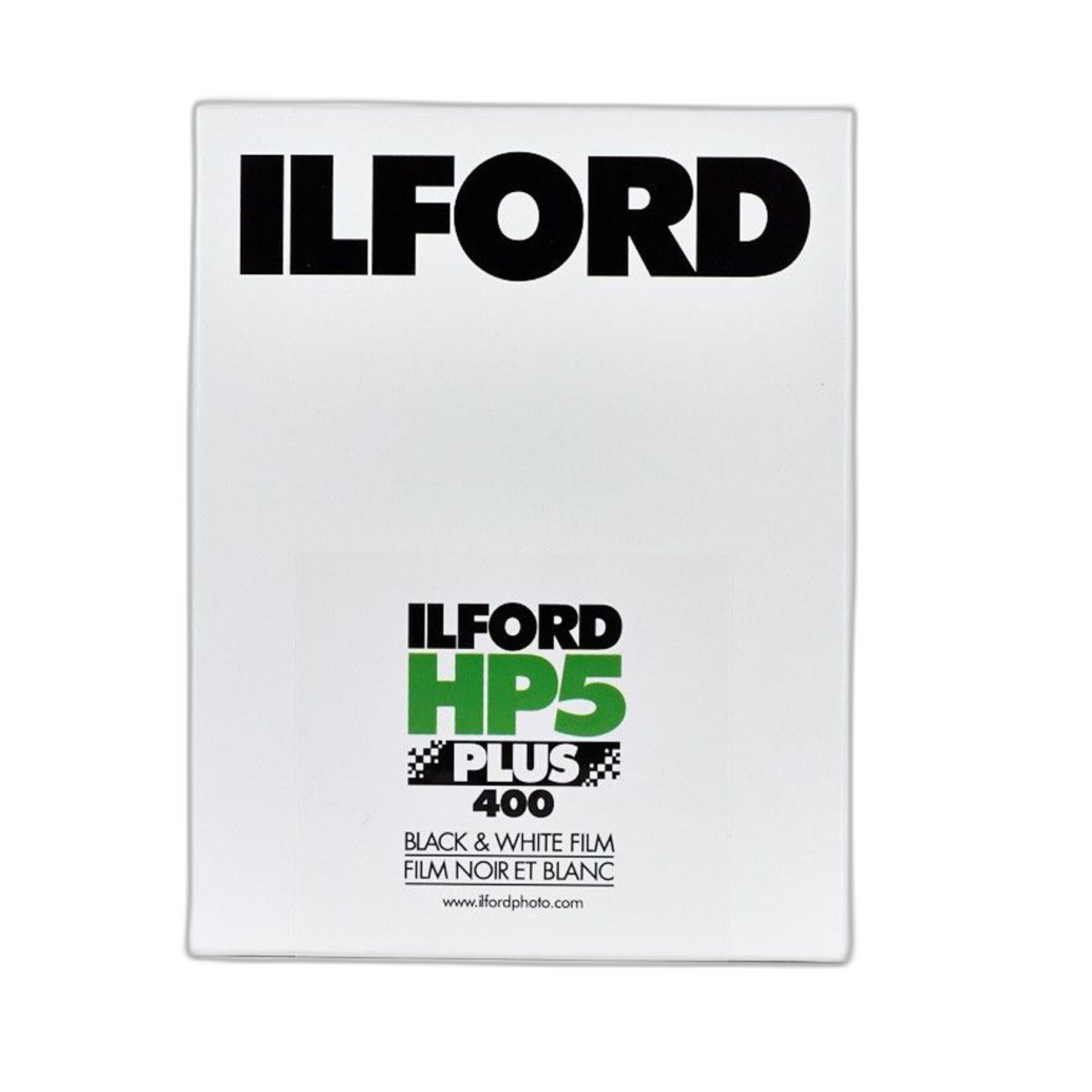
At its core, HP5 Plus is a black & white negative film rated at ISO 400. That simple description only tells part of the story. Its appeal lies in the combination of classic grain, wide exposure latitude, and a practical willingness to be pushed to EI 1600 or even 3200 when the light falls away. For many photographers, that makes HP5 Plus less a specialty stock than an all-purpose answer.
A Familiar Name, Refined for a New Era
By the late 1980s, fast black-and-white film remained essential. Even as color materials continued to improve, monochrome still held a central place in editorial work, fine art, student darkrooms, and serious amateur photography. A 400-speed film was often the starting point: fast enough for changing light, flexible enough for handheld shooting, and forgiving enough for mixed conditions.
HP5 Plus entered that environment as an evolution of Ilford's established high-speed tradition. The “Plus” designation signaled a modernized emulsion rather than a break with the past. Photographers familiar with earlier HP films could recognize the intent immediately. Ilford was preserving the practical strengths that made the line dependable while improving consistency and versatility for contemporary use.
That mattered. A good 400-speed film had to do almost everything: handle overcast streets, dim interiors, changing weather, and the occasional need to process for higher effective speeds. The best films in this class were never defined by one laboratory specification alone. They were defined by how calmly they worked under pressure. HP5 Plus was built for exactly that kind of use.
What HP5 Plus Is
Ilford HP5 Plus is a panchromatic black-and-white negative film with a nominal speed of ISO 400. In practical terms, that places it in the center of the serious photographer's toolkit. It is fast enough to be useful in modest light, yet not so specialized that it becomes difficult to print or control.
The film's visual character is one of the reasons it became so enduring. HP5 Plus is associated with a classic grain structure that feels at home in reportage, portraiture, travel, and darkroom-based personal work. That grain is not incidental to the film's identity; it is part of the picture language many photographers actively want from black-and-white photography. Rather than appearing clinical or sterile, HP5 Plus tends toward an image that looks lived-in, tactile, and distinctly photographic.
Equally important is its wide latitude. In the field, this means the film can tolerate the imperfect realities of real shooting better than many narrower materials. Exposure can shift, contrast can vary, and HP5 Plus still offers a usable negative with a cooperative path to printing. For photographers working quickly, or for those learning to judge light, that kind of latitude is more than convenience. It is creative insurance.
The Case for ISO 400
An ISO 400 black-and-white film often represents the ideal compromise between speed, grain, and flexibility. Slower films can offer finer grain, but they demand more light or slower shutter speeds. Faster films can solve difficult lighting, but sometimes at the cost of rougher tonality or more aggressive grain. HP5 Plus sits in the middle in a way that has long made sense for real-world photography.
For street photography, ISO 400 allows handheld shooting in open shade, cloudy daylight, and transitional evening conditions. For documentary work, it gives room to stop down for depth of field without immediately giving up practical shutter speeds. For portraiture, it offers enough speed for window light while retaining the tonal richness black-and-white users expect. In a student setting, it is forgiving. In a professional setting, it is efficient.
That is one reason films in this class become standards rather than curiosities. They fit into a photographer's routine. HP5 Plus belongs to that tradition.
Pushing to 1600 and 3200
If HP5 Plus has a defining reputation beyond its nominal speed, it is its ability to be pushed to EI 1600 and 3200. This is where the film speaks most directly to photojournalists, concert photographers, night shooters, and anyone who regularly faces poor light without a tripod or flash.
To be clear, pushing is never magic. Increasing effective speed through development involves tradeoffs in contrast, shadow separation, and grain. But some films respond to that treatment with grace, and HP5 Plus quickly earned recognition as one of them. Its structure and latitude make it a natural candidate for this kind of use. When a photographer rates it at 1600 or 3200, the result is not merely survival under difficult conditions; it can become an expressive rendering of those conditions.
At higher exposure indices, the grain becomes a stronger part of the image, and contrast can take on a more urgent quality. That look is often exactly what available-light black-and-white work calls for. Rather than fighting the medium's texture, HP5 Plus lets photographers use it. In dim clubs, on city streets at night, inside institutional interiors, or in fast-moving documentary situations, that can be the difference between making the picture and missing it.
By the standards of its era, this pushability is a major selling point. It expands HP5 Plus from a dependable general-purpose emulsion into a film that can stretch into specialty territory when needed.
The HP5 Plus Look
Every film acquires a reputation not only for technical performance but for mood. HP5 Plus carries a look photographers often describe in terms of familiarity and honesty. The grain is visible but purposeful. The tonal rendering tends to support images with character rather than excessive smoothness. Highlights can be managed with care, and the film's latitude helps preserve information across a wide range of scenes.
This makes HP5 Plus especially attractive for photographers who want black-and-white negatives that feel traditional without seeming old-fashioned. It is capable of nuance, but it also welcomes grit. It can be printed for subtle tonal transitions or for stronger, more graphic results. In that sense, HP5 Plus is not a one-note material. It is a film that adapts to intent.
That adaptability is one reason it suits so many subjects. Documentary work benefits from its speed and resilience. Portraiture benefits from its natural photographic texture. Architecture and travel work benefit from its latitude. Students benefit from negatives that remain workable even when technique is still developing. Experienced printers benefit from a film that leaves room for interpretation in the darkroom.
Why It Matters in 1989
Seen from the perspective of its release period, HP5 Plus feels less like a gamble and more like a statement of confidence. Ilford understood that black-and-white photographers still needed serious materials designed around use, not fashion. A new version of HP5 had to honor an existing legacy while proving itself under contemporary demands.
The answer was not to make the film exotic. It was to make it useful. ISO 400 speed, classic grain, wide latitude, and credible push performance to 1600-3200 form a practical package that addresses the everyday realities of image-making. That is exactly why a film like HP5 Plus matters. It is not important because it is rare or eccentric. It is important because photographers can rely on it.
And reliability, in photography, often becomes history. The films that endure are usually the ones that repeatedly solve problems in the field, in the lab, and in the darkroom. HP5 Plus has all the signs of that kind of staying power.
Legacy of a Working Film
Even in an archival view, HP5 Plus stands out as a film defined by utility and character in equal measure. Its nominal ISO 400 rating makes it broadly useful. Its classic grain gives images the texture many photographers want from black and white. Its wide latitude offers breathing room in exposure and printing. And its ability to be pushed to EI 1600-3200 turns it into a trusted companion when the light is difficult and the subject will not wait.
That combination explains why HP5 Plus belongs in any serious discussion of late-20th-century black-and-white film. It is a working film in the best sense: capable, expressive, and ready for nearly anything.
If you would like to buy Ilford film or learn more about classic photographic materials, Unique Photo is an excellent place to explore the enduring tools of black-and-white photography.