Few color films are as instantly recognizable in spirit as Kodak Gold 200. Introduced in 1988, Gold 200 arrived at a moment when consumer color photography was deeply woven into daily life: vacations, birthdays, school events, family portraits, and the countless unplanned snapshots that made up the visual record of the late 20th century. Positioned as an accessible, budget-friendly color negative film, Kodak Gold 200 quickly earned a reputation for warm color, pleasing skin tones, and the kind of easygoing versatility that made it a natural choice for everyday shooting.
Seen from a historical perspective, Kodak Gold 200 represents more than a single film stock. It reflects an era when 35mm color negative film was the default medium for amateur photographers, and when a reliable ISO 200 emulsion could serve as the all-purpose solution for daylight, travel, and family use. Its enduring appeal today comes not only from nostalgia, but from the fact that its core character remains useful and attractive: warm, forgiving, and approachable.
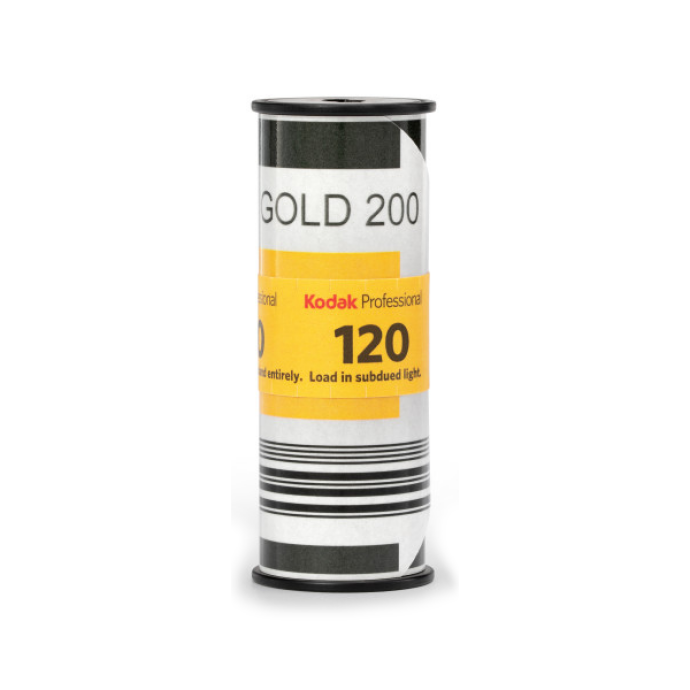
Kodak Gold 200 at a Glance
Kodak Gold 200 is a color negative film designed for the C-41 process, with a nominal speed of ISO 200. From the outset, its appeal was straightforward. It offered consumer photographers a practical balance between fine enough grain for general-purpose prints and enough speed for outdoor shooting, flash photography, and mixed everyday use.
Its widely recognized visual signature is often described in three words: warm, nostalgic, and budget-friendly. That shorthand is accurate, but it is worth expanding on. Gold 200 tends to render scenes with inviting warmth rather than strict neutrality, making it especially flattering for sunlit images, casual portraits, and pictures with strong yellow, red, and earth tones. For many photographers, that warmth is not a flaw to be corrected but the very reason to load the film in the first place.
A Consumer Film for the Snapshot Age
By the late 1980s, film manufacturers were refining consumer emulsions to satisfy a huge and varied audience. Most buyers were not making exposure notes or comparing MTF curves. They wanted a film that was affordable, easy to process, and dependable across the ordinary circumstances of life. Kodak Gold 200 fit that market squarely.
Its release in 1988 placed it in the middle of a mature one-hour photo era, when the convenience of C-41 processing helped standardize color negative film for the mass market. This mattered. C-41 was not simply a technical designation; it was part of the promise. You could drop the film off practically anywhere offering color processing, get prints back quickly, and expect a familiar Kodak look. Gold 200 was built for that ecosystem.
That context helps explain the film’s staying power. Unlike specialty emulsions that served narrower purposes, Gold 200 was designed to be practical. It was the sort of film a family might buy before a road trip, a student might load into an entry-level SLR, or a casual photographer might keep in a compact camera for weekends and holidays.
The Kodak Gold Look
Warmth as an Aesthetic Strength
The defining visual trait of Kodak Gold 200 is warmth. Blues can be a bit gentler and less clinical than on more neutral films, while yellows and reds often feel rich and welcoming. In daylight, especially during late afternoon or in summer sun, Gold 200 can produce images that seem to lean naturally toward memory and sentiment. This quality is part of why modern photographers often call it nostalgic.
That nostalgic quality should not be mistaken for mere novelty. It stems from the way the film was integrated into the visual culture of its time. Countless family albums, drugstore prints, and vacation photo envelopes were made on films with this general character. Gold 200 therefore carries both an actual rendering style and a historical association with how personal photography looked in the era of widespread 35mm use.
Everyday Color for Everyday Subjects
Gold 200 is especially well suited to the subjects for which it was historically intended: people, travel, outdoor scenes, gatherings, and ordinary life. Skin tones tend to appear pleasant and inviting, particularly in natural light. Green spaces, playgrounds, suburban streets, beach scenes, and fair-weather snapshots all align well with the film’s character.
Its look also complements the kinds of lenses and cameras commonly paired with consumer film in the late 1980s and early 1990s. Whether used in a point-and-shoot or a modest 35mm SLR, Gold 200 helped produce images that felt lively without seeming overly dramatic or stylized.
ISO 200 and the Practical Middle Ground
An ISO of 200 gave Kodak Gold 200 an important practical advantage. It sat comfortably between slower daylight films and faster general-purpose stocks, making it a useful middle-ground option. In bright sun, it offered ample speed without forcing very small apertures. In open shade or with flash, it remained flexible enough for ordinary consumer photography.
That middle-ground speed was a real asset in the release period. Many photographers wanted one film that could handle a full day’s worth of changing situations: outdoor sightseeing, indoor birthday cake photos with flash, and candid portraits in mixed conditions. Gold 200’s speed made that sort of all-around use realistic.
For photographers who value simplicity, this remains part of the film’s appeal. Gold 200 does not demand a specialized workflow or a narrow shooting style. It rewards straightforward exposure and works naturally in the kinds of scenes most people actually photograph.
Budget-Friendly by Design
One of the most historically important facts about Kodak Gold 200 is right there in its reputation: it was budget-friendly. That positioning was essential. Kodak was not presenting Gold 200 as an elite niche material for experts alone. It was a broadly available film meant to be bought often and used freely.
This affordability helped shape the kinds of pictures made with it. Photographers were more likely to burn through a roll at a picnic, on a road trip, or during an ordinary weekend if the film felt accessible rather than precious. Gold 200 encouraged shooting habits based on spontaneity. In that sense, its historical role was not only technical but social. It supported casual image-making at scale.
Today, that legacy still matters. In discussions of film history, premium professional stocks often receive the most attention, but consumer films like Gold 200 did much of the real cultural work of photography. They captured daily life.
Why Gold 200 Endures
The continued affection for Kodak Gold 200 comes from a rare combination of characteristics. It is visually distinct without being difficult. It is historically important without being obscure. And it remains emotionally resonant because its color palette aligns so closely with how many people remember photographs from the analog era.
Its warmth flatters common subjects. Its ISO 200 speed makes practical sense. Its C-41 compatibility places it firmly within the mainstream of color negative film history. And its budget-friendly identity makes it approachable for newcomers while still appealing to experienced shooters seeking a classic consumer-film look.
For archival purposes, Gold 200 stands as an excellent example of late-20th-century consumer film design: broadly useful, commercially successful, and aesthetically memorable. It may not have been marketed as an exotic or highly specialized emulsion, but that is precisely why it matters. It was made to be used, often and without fuss.
A Lasting Everyday Classic
Kodak Gold 200 remains one of the most recognizable names in color negative film because it succeeded at what many films attempt but few fully achieve: it made ordinary pictures feel a little richer, warmer, and more cherished. Introduced in 1988, it answered the needs of everyday photographers with a combination of affordability, convenience, and dependable Kodak color.
As a historical film profile, Gold 200 deserves recognition not only for its warm, nostalgic rendering, but for its place in the lived history of snapshot photography. It is a film built around accessibility, and that accessibility helped define generations of personal images.
If you are interested in classic Kodak film, film photography history, or current film availability, Unique Photo is an excellent place to buy film or learn more about enduring emulsions like Kodak Gold 200.