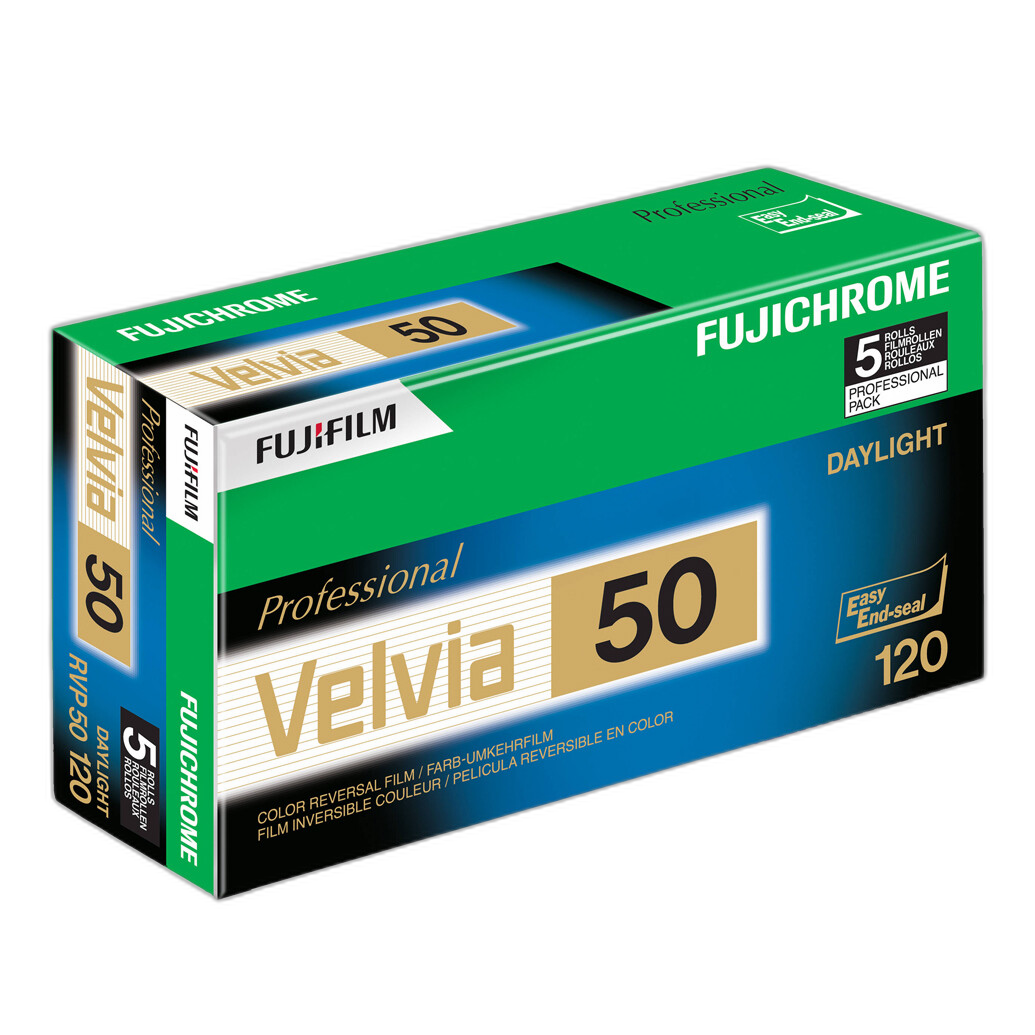
In the world of color transparency film, a few emulsions do more than record a scene—they help define an era. Fujifilm Velvia 50 is one of those films. Introduced in 1990, this ISO 50 color reversal film quickly earned a reputation for a look that was impossible to ignore: ultra-saturated color, strong contrast, and images that seemed to leap off the light table. For landscape photographers especially, Velvia 50 became more than a product. It became a visual language.
Looking back from a historical perspective, Velvia 50 arrived at a moment when slide film still held enormous importance for editorial, advertising, and fine-art work. Transparencies were prized for projection, reproduction, and direct evaluation on a light box, and photographers were often intensely loyal to the films that matched their aesthetic goals. Into that environment came Velvia 50, a film whose bold rendering stood apart from more restrained color palettes and immediately captured attention.
A New Standard in Color Reversal Film
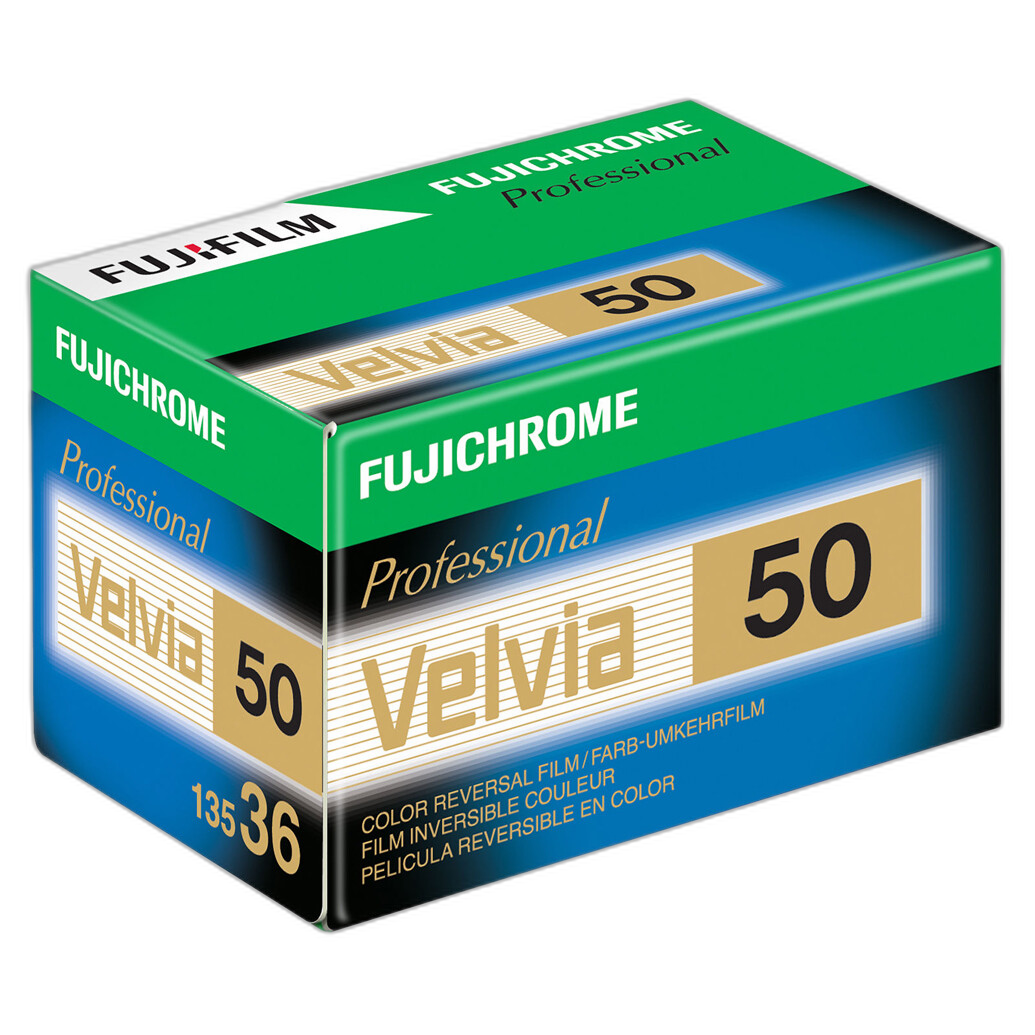
Fujifilm Velvia 50 is a color reversal, or slide, film rated at ISO 50. Those basic facts only hint at why it mattered so much. Color reversal film has always appealed to photographers who value a direct positive image, rich detail, and a viewing experience that feels especially vivid when seen on a light table or through projection. Velvia 50 took that inherent appeal and pushed it toward a more dramatic visual signature.
Its defining characteristics were clear from the start: ultra-saturated color and high contrast. While some films aimed for neutrality or softer tonal relationships, Velvia 50 embraced intensity. Greens appeared lush, blues deepened, reds gained commanding presence, and scenes with strong natural color often took on an almost heightened realism. It was not realism in the strictly documentary sense; rather, it was realism turned expressive, a rendering that reflected how many photographers wanted landscapes to feel.
Why Velvia 50 Spoke So Strongly to Landscape Photographers
Landscape photography has always lived at the intersection of observation and interpretation. A mountain vista at sunrise, autumn foliage after rain, or a desert scene under a clear blue sky may be literally beautiful, but photographers often seek materials that translate that beauty into a compelling photograph. Velvia 50 became famous because it did exactly that for many shooters.
The film's saturation gave natural subjects extraordinary punch. Forests looked denser. Fall leaves seemed aflame. Skies developed a striking richness that made cloud formations stand out with greater drama. Combined with high contrast, those colors could produce transparencies that felt polished and exhibition-ready even before any reproduction or printing decisions were made.
That visual character made Velvia 50 especially attractive to photographers working in wilderness, travel, and scenic imagery. In practical terms, it rewarded careful composition and strong light. Early morning and late afternoon conditions, already beloved by landscape specialists, often paired beautifully with Velvia's rendering. The result was a film that encouraged intentional seeing: photographers learned to seek scenes where color relationships and directional light could work in harmony with the emulsion's strengths.
The Velvia Look
Ultra-Saturated Color
Velvia 50's most famous trait is its color saturation. This is the quality most often cited in discussions of the film, and with good reason. It made chromatic differences more emphatic and gave subjects a heightened visual energy. For nature work, this was transformative. Moss, water, foliage, wildflowers, sunset clouds, and mineral-rich terrain all benefited from the film's bold palette.
Yet saturation alone does not explain the film's reputation. Plenty of films have strong color. Velvia 50 stood out because its color signature was paired with clarity and confidence. It did not merely add more color; it reshaped the emotional tone of the image.
High Contrast
The film's high contrast also played a major role in its popularity. Contrast affects how tonal separation appears across the frame, and on Velvia 50, scenes often gained a sense of snap and structure. That made the film particularly effective for compositions built around strong forms—tree lines against sky, sunlit ridges, graphic coastlines, and layered mountain scenes.
At the same time, this characteristic meant Velvia 50 was not a casual or forgiving medium. Like many slide films, it benefited from precise exposure, and its contrast-rich rendering could make already difficult lighting situations more demanding. Historically, this was part of the film's identity: it rewarded discipline. Photographers who exposed carefully and waited for the right light often found that Velvia returned transparencies of remarkable impact.
Velvia 50 in the Context of 1990
Seen from the vantage point of its release, Velvia 50 represented an exciting shift in what photographers could expect from a mainstream professional transparency film. By 1990, color materials were already highly refined, but there was still room for a film with a stronger point of view. Fujifilm recognized that many photographers wanted something bolder than a general-purpose emulsion. Velvia 50 answered that desire with confidence.
Its arrival also fit the needs of photographers whose work would be viewed in editorial presentations, slide shows, agency portfolios, and commercial settings where immediate visual impact mattered. On a light table, a well-exposed Velvia transparency could be arresting. The film's ability to command attention helped it develop a following that extended beyond landscapes into select areas of travel, nature, and outdoor editorial work.
Strengths and Tradeoffs
No historically important film earns its place by being all things to all photographers. Velvia 50's greatness comes partly from how specific its strengths are. It excelled when a photographer wanted drama, color intensity, and a vivid transparency image. It was especially powerful when the subject already contained rich hues and clean, directional light.
Its tradeoffs were equally important to understand. High contrast and ultra-saturated color meant that subtle subjects could become forceful in ways not every photographer wanted. Portraitists and documentary shooters seeking gentler color relationships often preferred other materials. For that reason, Velvia 50 was never simply a default film; it was a choice, and a very deliberate one.
That deliberate quality is part of its enduring prestige. Velvia 50 did not ask photographers to be neutral about aesthetics. It invited commitment.
An Enduring Legacy
Few films become shorthand for an entire visual style, but Velvia 50 did. Even today, when photographers refer to a “Velvia look,” they mean something immediately recognizable: bold saturation, assertive contrast, and landscapes rendered with exceptional visual drama. That kind of cultural footprint is rare. It shows that Velvia 50 was not merely successful as a product; it helped shape photographic taste.
In the history of film, its legacy rests on how clearly it expressed the possibilities of color reversal materials. Velvia 50 reminded photographers that film choice is never just technical. It is interpretive. The emulsion itself can be part of the authorial voice.
For many photographers of the 1990s and beyond, Velvia 50 became the standard against which other vivid slide films were judged. It remains one of the landmark names in analog photography, particularly for anyone interested in the history of landscape imaging and the era of transparency film at its peak.
Why Velvia 50 Still Matters
As an archival subject, Fujifilm Velvia 50 deserves attention because it captures a key chapter in photographic materials history. It reflects a period when film manufacturers still competed not only on technical refinement, but on aesthetic identity. Its ISO 50 speed, slide format, and unmistakably bold rendering made it a specialized tool with broad influence.
For collectors, analog photographers, and students of photo history, Velvia 50 remains essential to understanding how a single film stock can change expectations across an entire genre. It did not simply document landscapes. It made them pop, and in doing so, it changed what many photographers believed color film could do.
If you want to explore classic film stocks, learn more about analog photography, or shop photographic gear from a trusted source, Unique Photo is a great place to buy, browse, and deepen your knowledge.