When photographers start weighing two popular Sony telephoto options, it is tempting to lean heavily on side-by-side tools and spec charts. But when users share real experiences, a clearer pattern emerges: comparison tools can be helpful for narrowing the field, yet they rarely tell the whole story about handling, shooting style, subject distance, or whether a lens truly fits your work. If you are debating reach versus versatility, these tips can help you use a comparison tool more intelligently while keeping practical, field-tested decision-making at the center.
Start with your real shooting needs, not just the comparison chart
1. Define what you actually photograph most often
A Lens Compare Beta can quickly highlight focal range, aperture, and size differences, but it cannot tell you whether your typical day involves birds at extreme distance, sideline sports, zoo outings, travel, or compressed landscape work. That is where the practical usefulness of a tool starts to taper off.
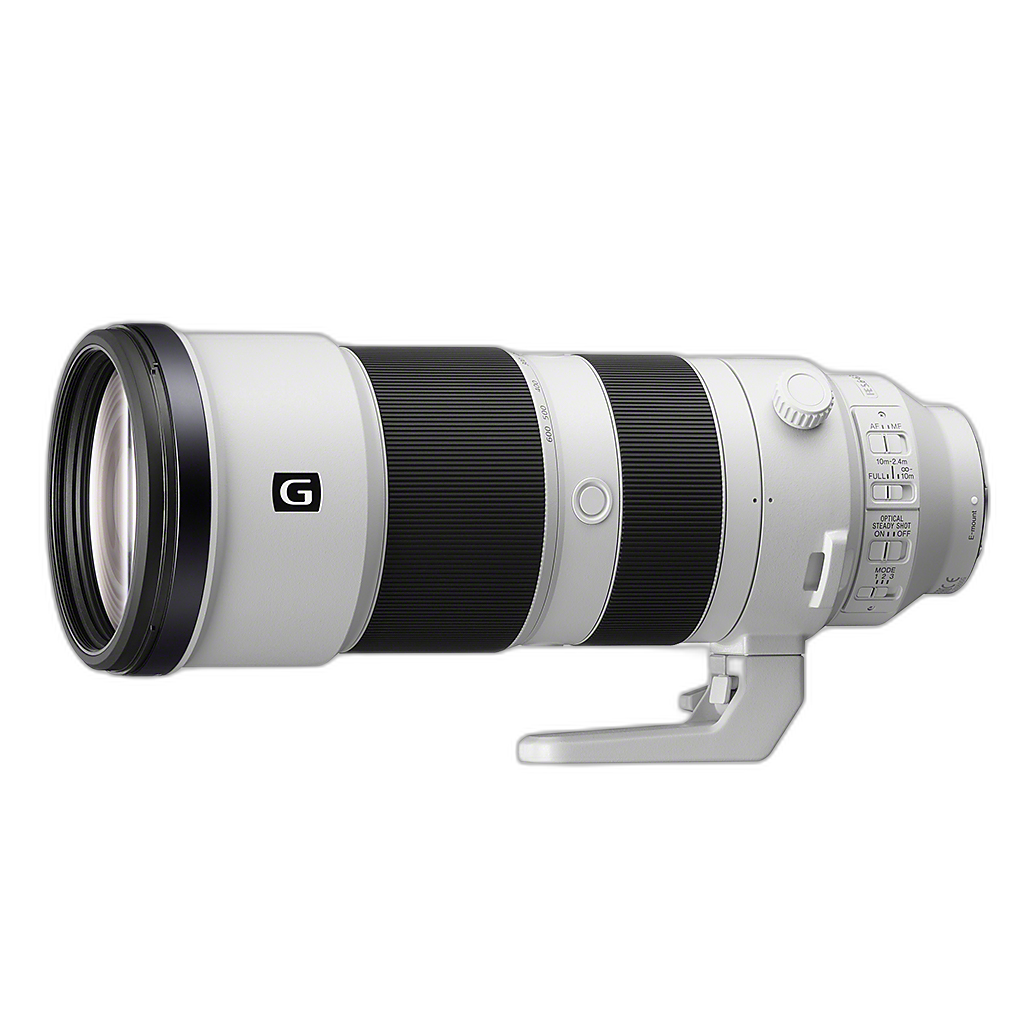
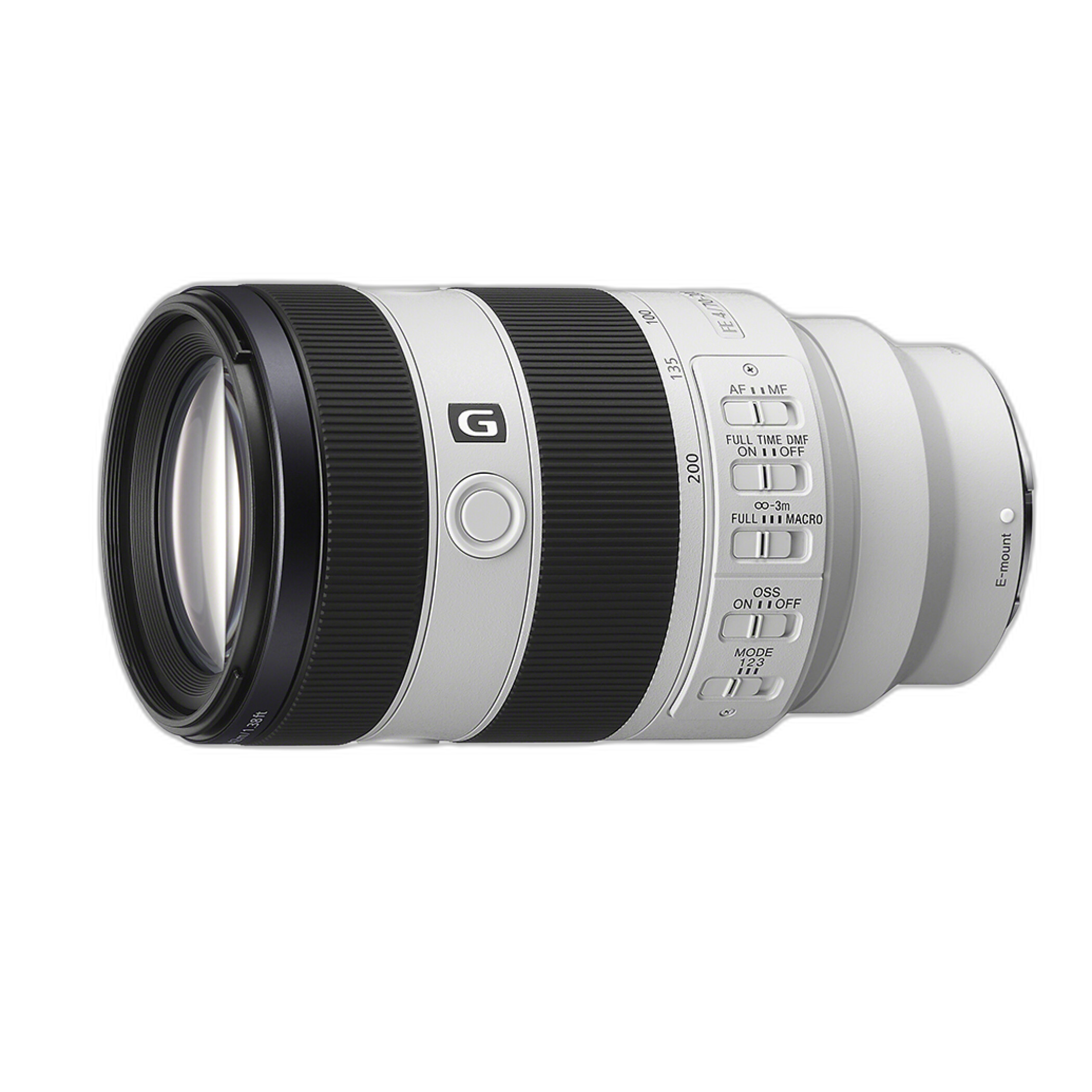
For example, the Used Sony FE 200-600mm F5.6-6.3 G OSS Lens - Excellent gives you the kind of reach that wildlife and aviation shooters often value immediately in the field. On the other hand, the Used Sony FE 70-200mm f/4 Macro G OSS II - Excellent offers a much more compact and flexible range for events, portraits, details, and closer telephoto work. If your subjects rarely require 400mm to 600mm, a chart showing maximum reach may be technically true but practically irrelevant.
Use Lens Compare Beta as a filter, not the final verdict
2. Treat online comparison tools as a starting point
Many photographers question the reliability of beta tools for a simple reason: they often condense complex lens behavior into a few categories that do not reflect lived use. Sharpness summaries, basic dimensions, and feature checkboxes are useful, but they do not explain autofocus feel, balance on your camera body, zoom ring resistance, or how long you can comfortably carry the lens.
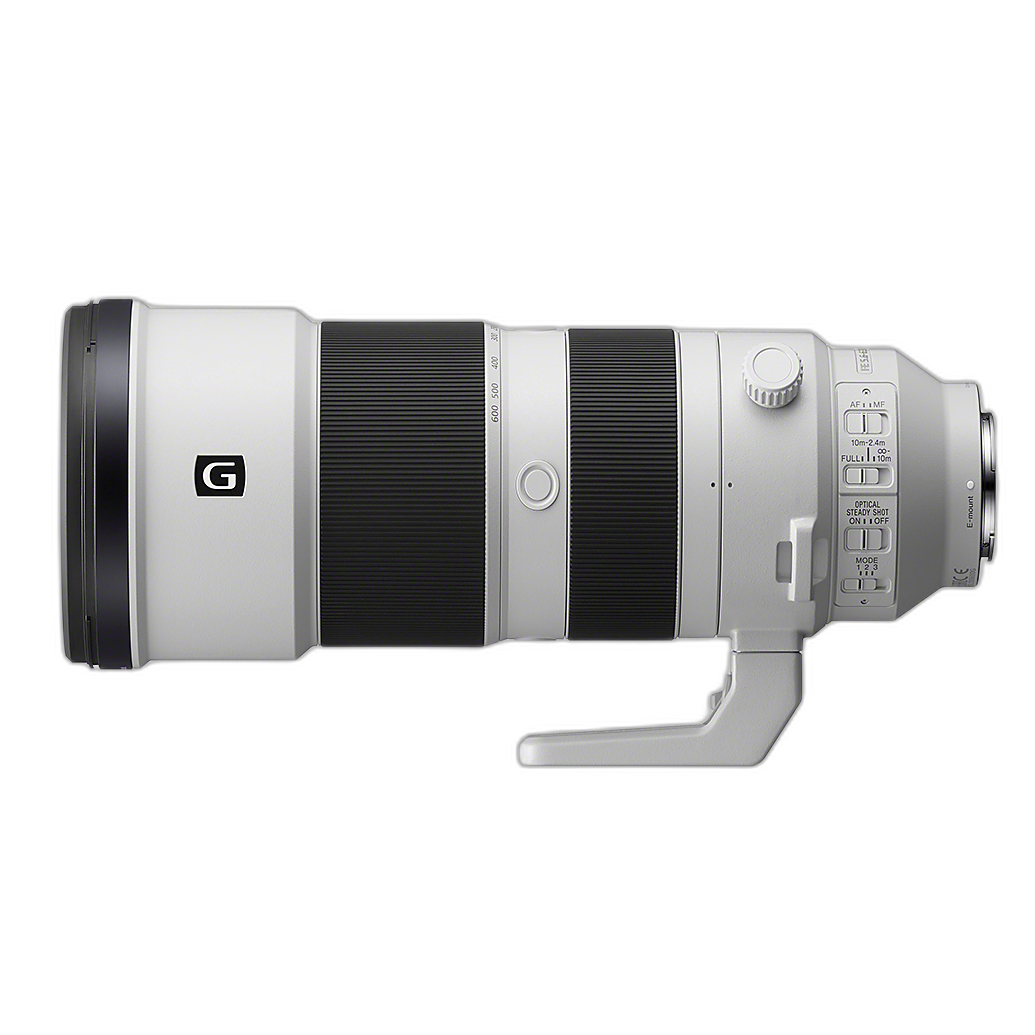
If you are looking at a lens like the Used Sony FE 200-600mm F5.6-6.3 G OSS Lens - Good, the comparison may say it is larger and slower than another option, but that alone does not reveal how effective it can be for distant wildlife where framing flexibility matters more than maximum aperture. Beta tools are best used to eliminate obvious mismatches, not to choose the winner without deeper research.
Pay close attention to handling and field comfort
3. The best lens on paper may be the wrong lens in practice
User observations often reveal something that spec-driven shopping misses: the lens you enjoy using is the one you are more likely to bring. Long telephoto lenses can be incredibly rewarding, but they also ask more of your bag, your support setup, and your stamina during long sessions.
The Used Sony FE 200-600mm F5.6-6.3 G OSS Lens - Fair may still be a compelling way to step into serious super-telephoto shooting if your priority is maximum reach on a budget. Meanwhile, the Used Sony FE 70-200mm f/4 Macro G OSS II - Excellent may prove more practical if you need a lens that transitions across multiple assignments in one day. A comparison engine can measure weight, but it cannot measure whether that weight works for your workflow.
Look for real-world comments about autofocus and subject type
4. Match lens behavior to moving or stationary subjects
One reason users debate the practical value of Lens Compare Beta is that autofocus performance is rarely captured in a meaningful, real-world way. A lens may perform beautifully for perched birds, motorsports, field sports, or close-up detail work, but not equally across every scenario.
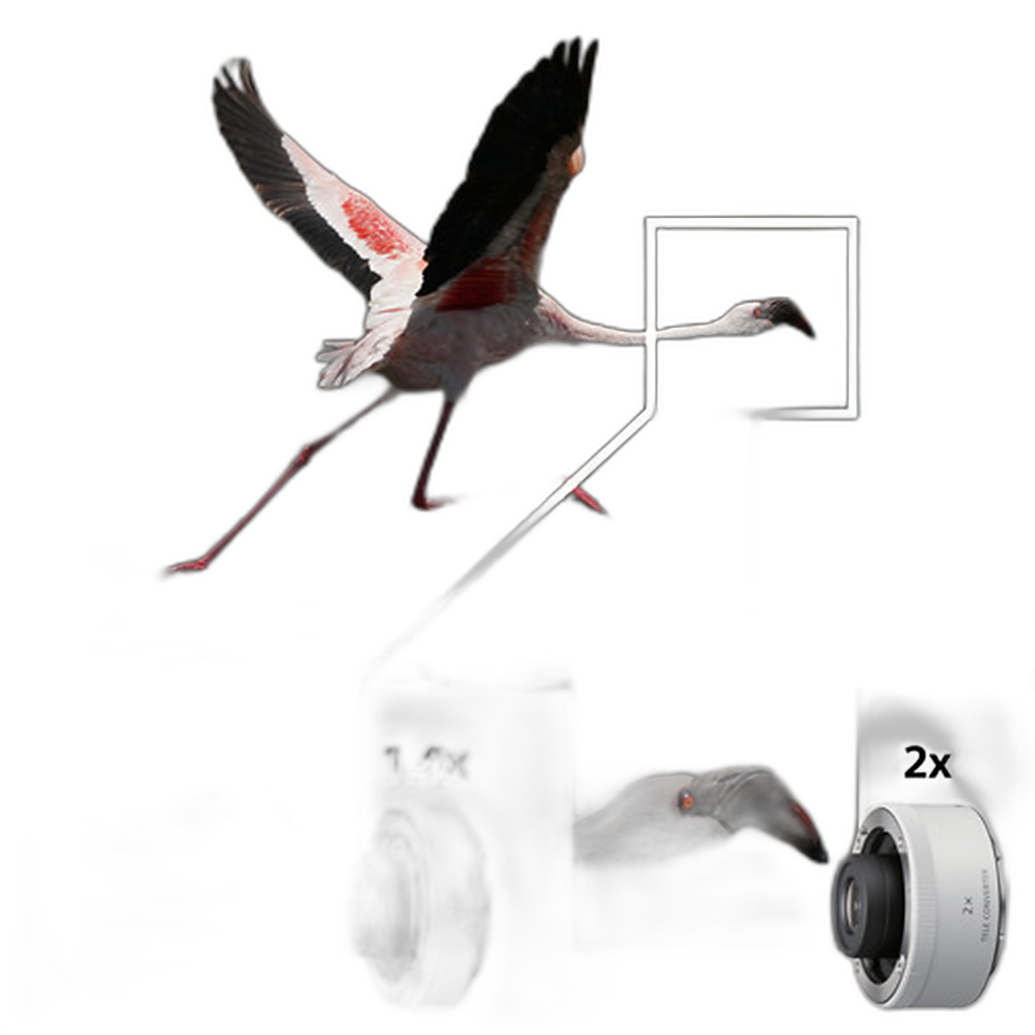
The 200-600mm class is often favored for subjects that stay far away and demand cropping flexibility straight out of camera. The 70-200mm f/4 Macro G OSS II, by contrast, appeals to photographers who want fast handling, versatile framing, and the added benefit of close-focusing capability. That difference matters far more than a generic score if your work swings between action and detail images.
Do not ignore the value of condition when buying used
5. Compare condition grades with the same care you compare focal lengths
When shoppers focus only on optical debates, they sometimes overlook an equally important purchasing factor: condition. If you are buying used gear, there can be meaningful differences between an Excellent, Good, or Fair listing, especially on a lens intended for heavy outdoor use.
At Unique Photo, options like the Used Sony FE 200-600mm F5.6-6.3 G OSS Lens - Excellent, Good, and Fair versions allow you to align budget with expectations. For some buyers, saving more on a fair-condition copy is worth it if the lens is primarily a specialty wildlife tool. For others, paying more for an excellent-condition copy can offer more confidence and long-term satisfaction.
Use sample images and personal reactions to break the tie
6. Let visual style guide the final choice
When two Sony lenses are both highly respected, technical differences may matter less than the kind of images each one encourages you to make. The longer lens may push you toward tight wildlife portraits and distant action isolation. The shorter zoom may lead to more varied storytelling, closer compositions, and easier all-day carry.
It can also help to spend time with photography books that remind you to think beyond gear specs alone. A title like Gordon Parks : The Making of An Argument is a good reminder that powerful photography comes from clarity of vision, not just from selecting the lens with the strongest online score.

Final tip: make the purchase decision based on fit, not hype
If users seem skeptical about the reliability of Lens Compare Beta, they are usually reacting to a real limitation: tools can summarize lenses, but they cannot replace experience, intended use, or honest self-assessment. Use the comparison to gather baseline information, then weigh field reports, ergonomics, used condition, and your own subject matter before deciding.
Whether you are leaning toward the reach of the Sony 200-600mm or the versatility of the Sony 70-200mm f/4 Macro G OSS II, the right lens is the one that supports how you actually shoot. Explore used Sony options and more at Unique Photo, and keep building your kit with confidence.