Portable Travel Cameras: Big Image Quality in Smaller Kits
Travel photographers often want the same thing: the best image quality possible without carrying a heavy, bulky system all day. In this comparison, we’re looking at three very different approaches to the portable travel camera idea: the Fujifilm GFX100RF, the Sigma fp L, and the Panasonic Lumix L10. Each one targets a slightly different traveler, from the image-quality-first shooter to the minimalist hybrid creator to the casual compact-camera user.
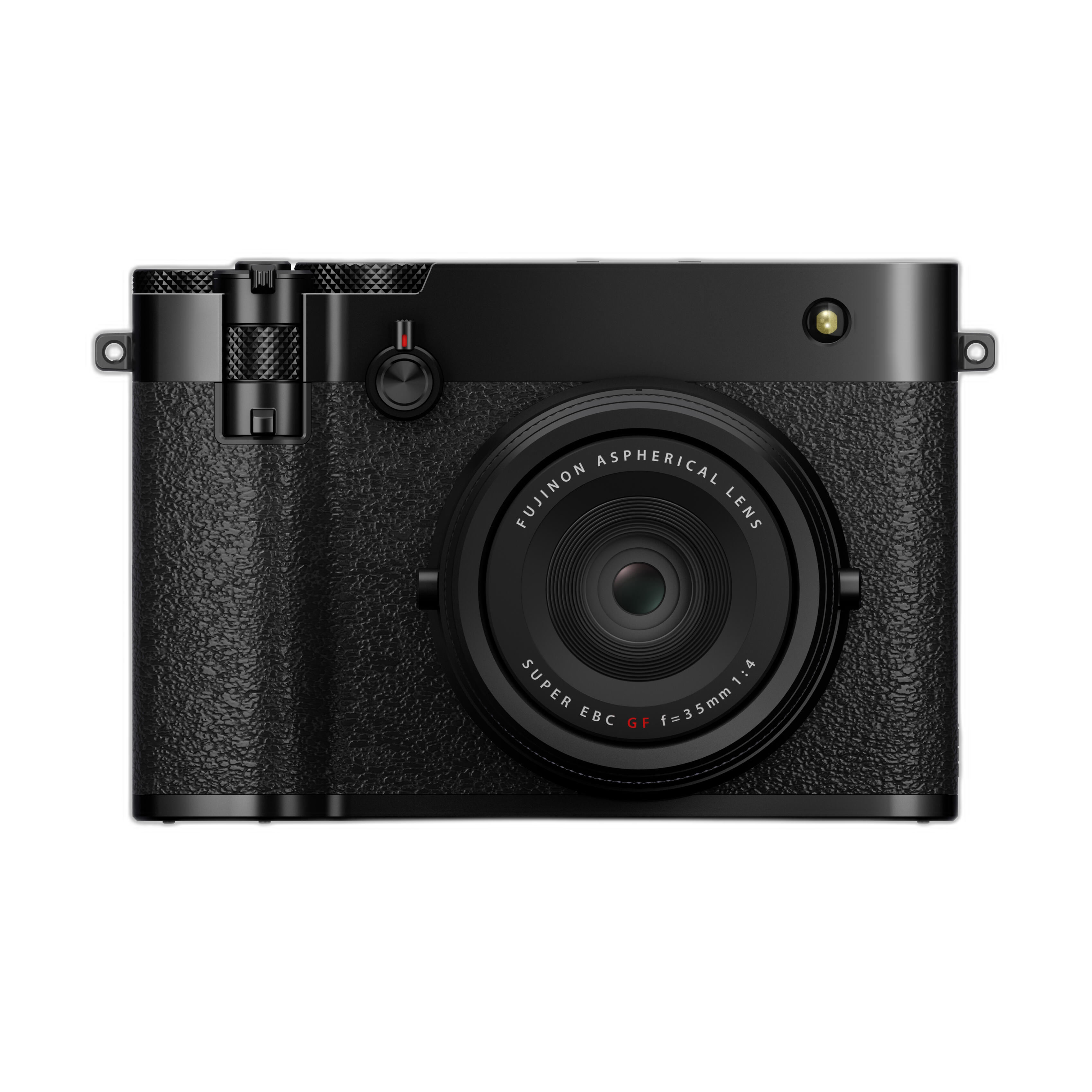
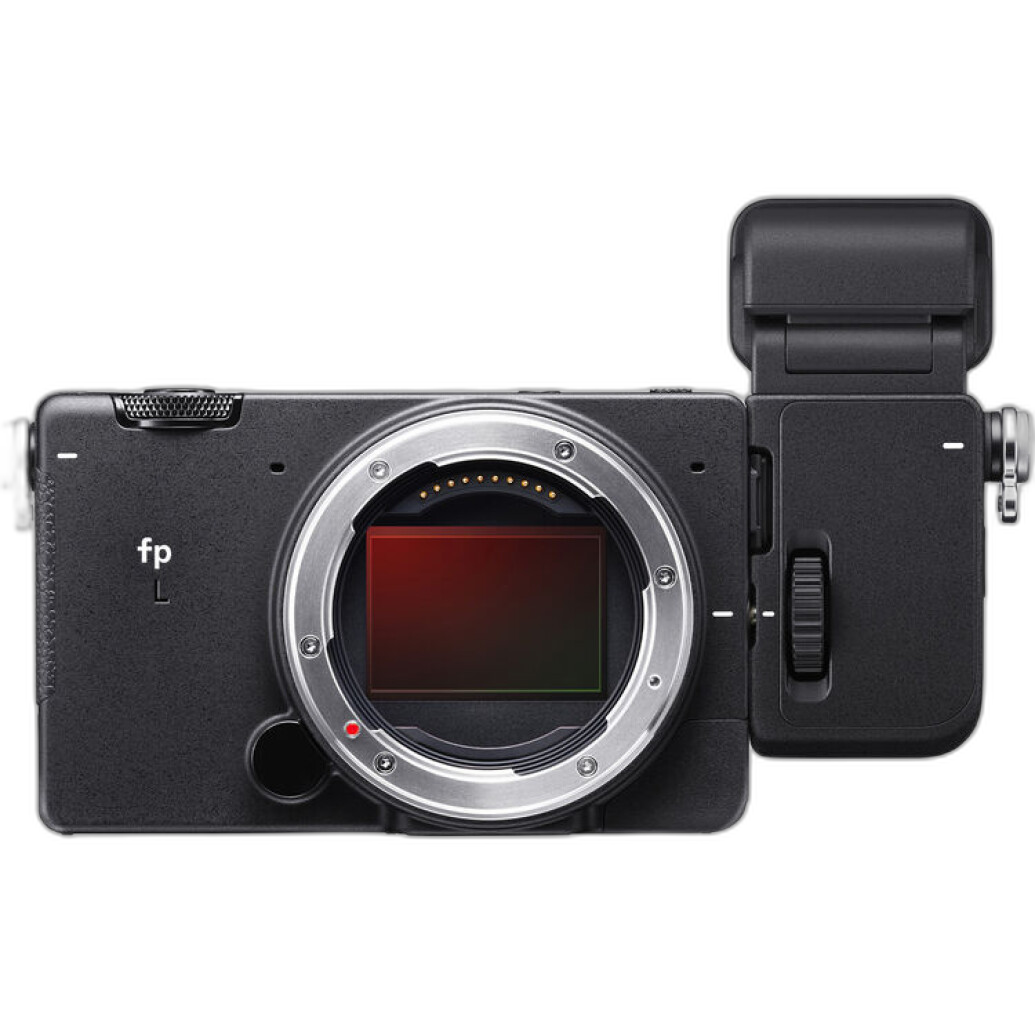
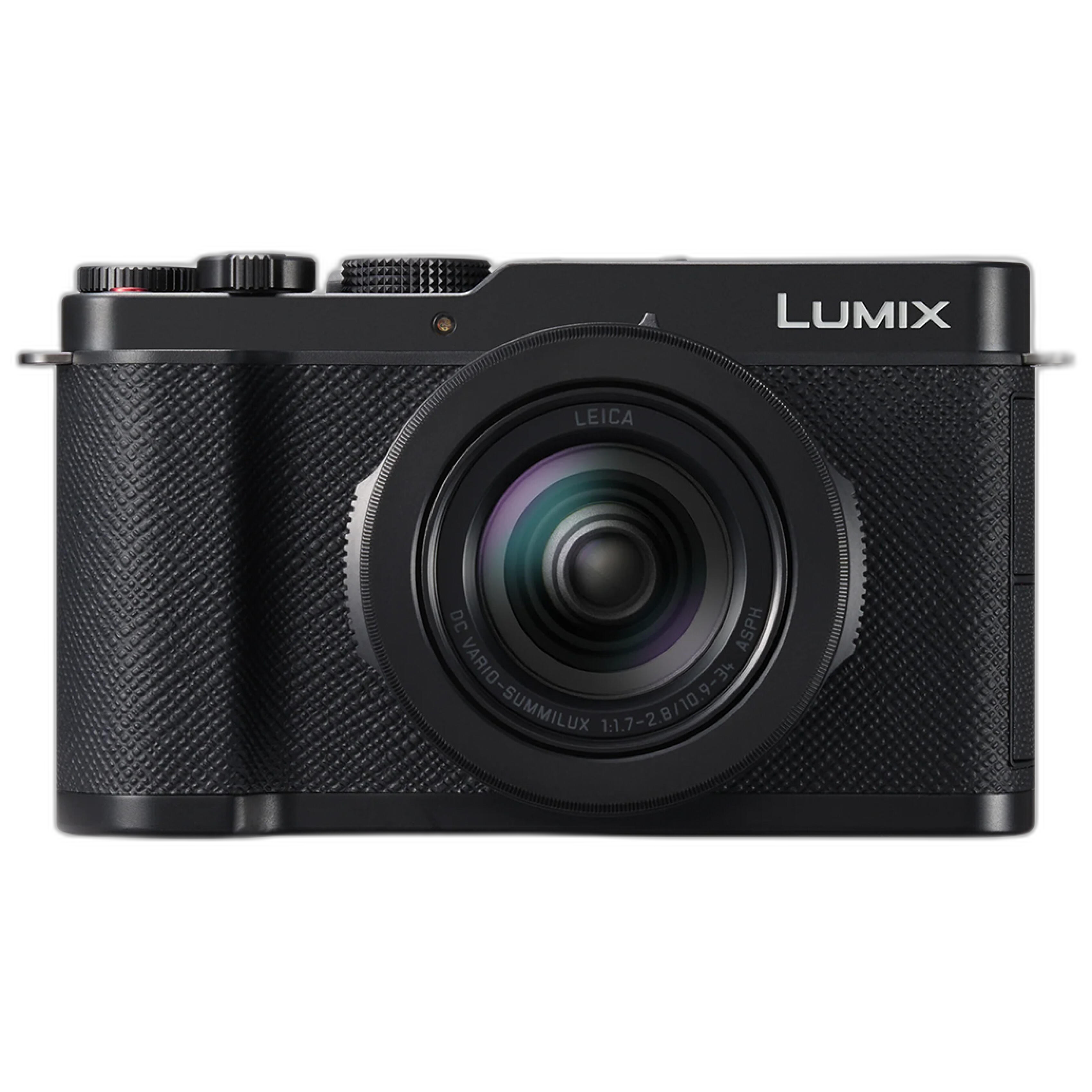
What makes this matchup interesting is that all three can be considered travel-friendly, but they prioritize portability in very different ways. The Fujifilm aims for premium, high-resolution photography in a refined fixed-lens style body. The Sigma focuses on modular flexibility and an exceptionally compact full-frame form factor. The Panasonic represents the more traditional compact-camera route for travelers who want something simple and easy to carry.
Side-by-Side Specs Comparison
| Model | Category | Sensor Format | Lens Approach | Best For | Portability Style |
|---|---|---|---|---|---|
| Fujifilm GFX100RF | Mirrorless digital camera | Large format / medium format class | Fixed-lens style premium travel camera | Maximum image quality while traveling | One-body premium carry setup |
| Sigma fp L | Mirrorless digital camera | Full-frame | Interchangeable lens | Travelers who want flexibility and compactness | Modular small-body system |
| Panasonic Lumix L10 | Compact camera | Micro Four Thirds class compact | Compact integrated design | Everyday travel, casual shooting, convenience | Grab-and-go compact |
Fujifilm GFX100RF: The Premium Travel Photographer’s Choice
The Fujifilm GFX100RF is the camera in this group for photographers who put still-image quality above everything else. If your idea of travel photography includes landscapes, architecture, street scenes, food, interiors, and environmental portraits with exceptional detail and tonal depth, this is the standout option.
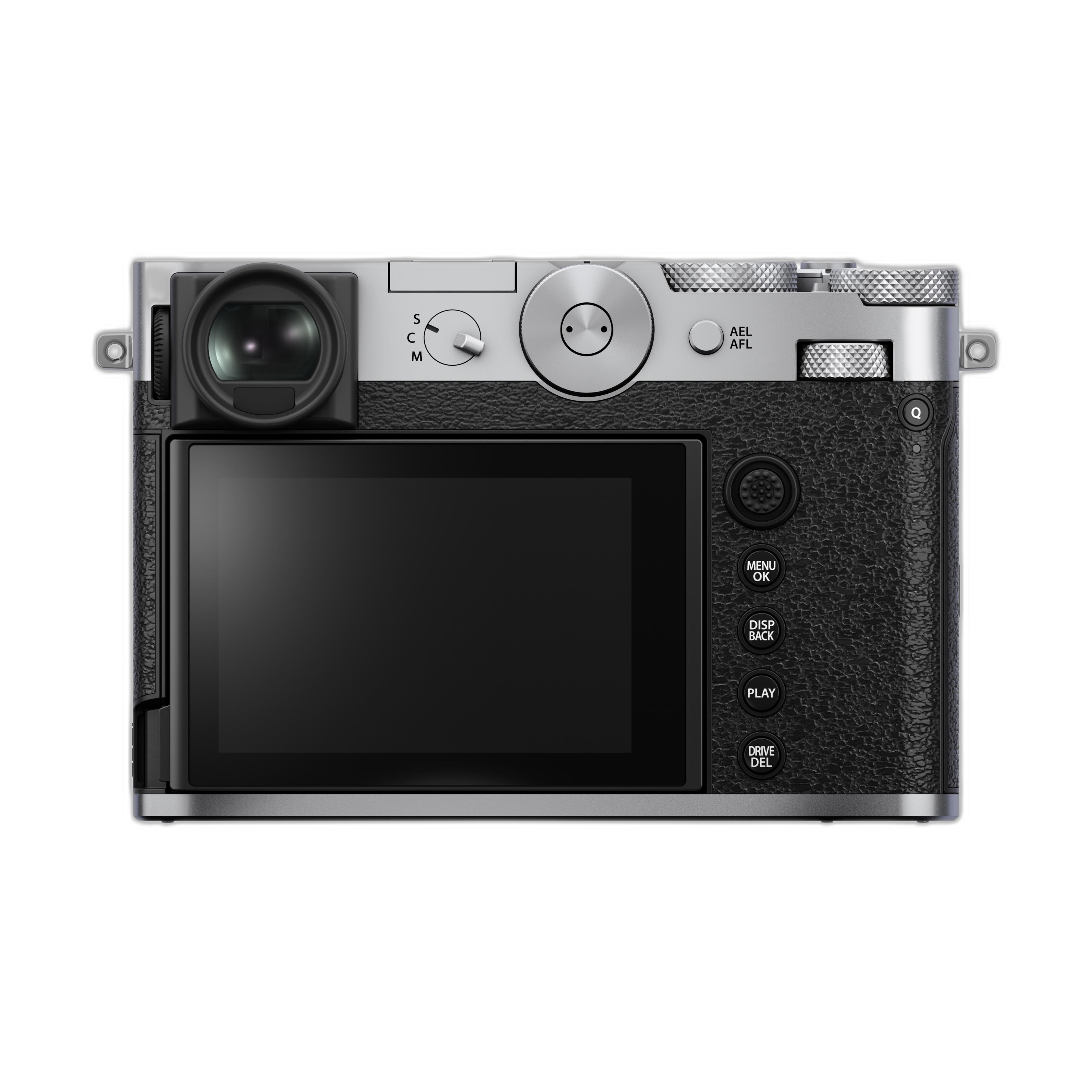
What makes it especially appealing for travel is the combination of a large sensor and a more self-contained shooting experience. Instead of building out a large multi-lens kit, you get a camera designed for photographers who want premium output in a body that is easier to commit to carrying. For destination trips where photography is a major priority, the GFX100RF offers a level of image quality that is hard to match with smaller-sensor options.
Travel Advantages
The biggest advantage here is simple: image quality. If you print large, crop heavily, or want files with tremendous editing latitude, Fujifilm’s GFX line is in another class from typical travel cameras. It also appeals to photographers who prefer a deliberate, immersive shooting style rather than rapid-fire casual snapshots.
Potential Drawbacks
The tradeoff is that this is still a premium camera built around premium performance. Even when designed for portability, a large-sensor system is usually less pocketable than a true compact. It also makes the most sense for travelers who genuinely care about photography as a main part of the trip.
Sigma fp L: The Small Full-Frame Alternative
The Sigma fp L takes a very different route. Rather than offering a more integrated premium package like the Fujifilm, it gives travelers one of the most compact full-frame bodies available, especially appealing to shooters who want to build a lightweight interchangeable-lens kit.
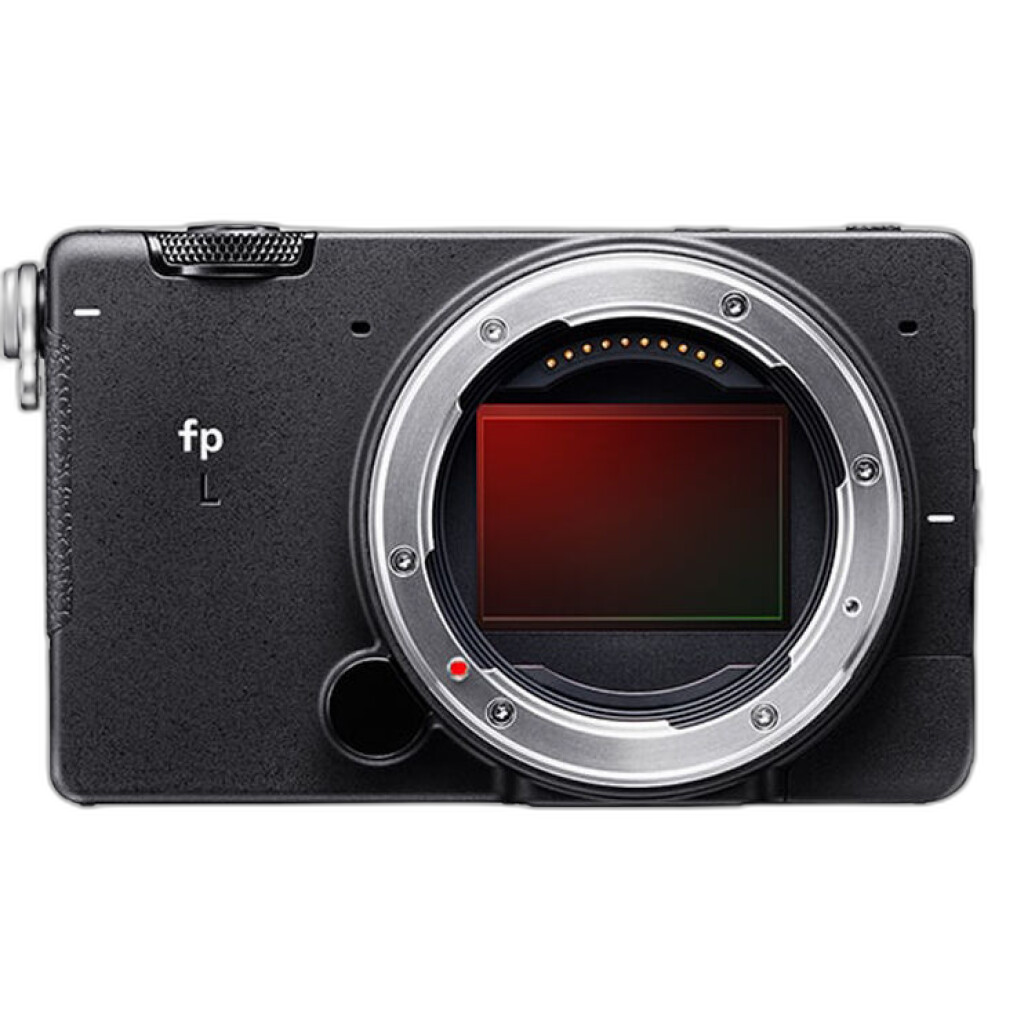
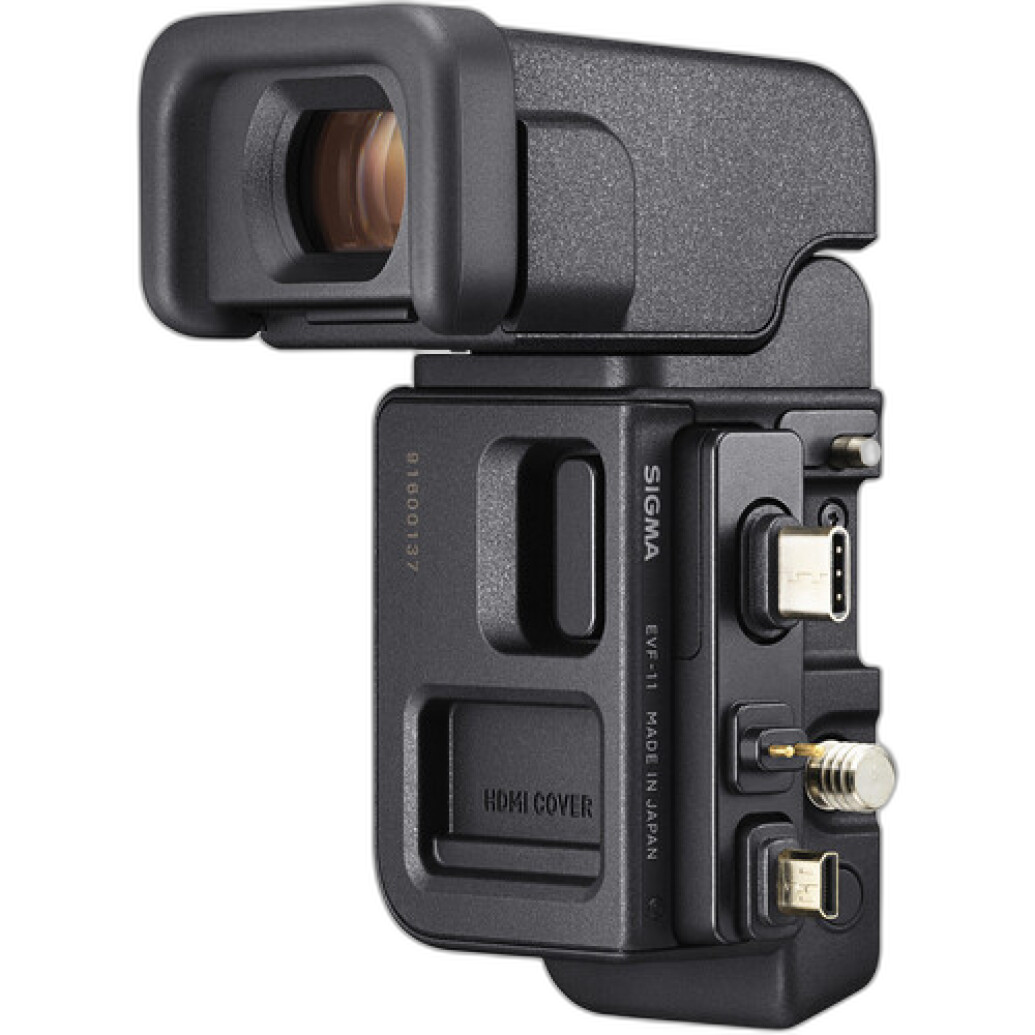
This flexibility matters for travel. You can pair the fp L with a small prime for city walking, a wider lens for landscapes, or a compact normal lens for general-purpose shooting. For hybrid creators, the modular design may also be attractive because it can adapt to different rigs and shooting styles more easily than a fixed-lens camera.
Travel Advantages
The Sigma’s key strength is its balance of full-frame image quality and small-body portability. It is a strong option for photographers who want better low-light performance and lens choice without stepping up to a larger camera body. If your travel setup changes from trip to trip, the fp L’s system flexibility is a real benefit.
Potential Drawbacks
The main compromise is that interchangeable-lens travel kits can stop feeling portable once extra lenses enter the bag. The body may be very compact, but the overall system depends heavily on lens selection. Travelers looking for the simplest all-in-one solution may prefer the Fujifilm’s more contained concept or Panasonic’s easier compact format.
Panasonic Lumix L10: The Convenience-First Compact
The Panasonic Lumix L10 is the straightforward travel-friendly option in this group. It is best suited to users who want a dedicated camera that is easier to carry than a larger system and more photography-oriented than relying entirely on a smartphone.
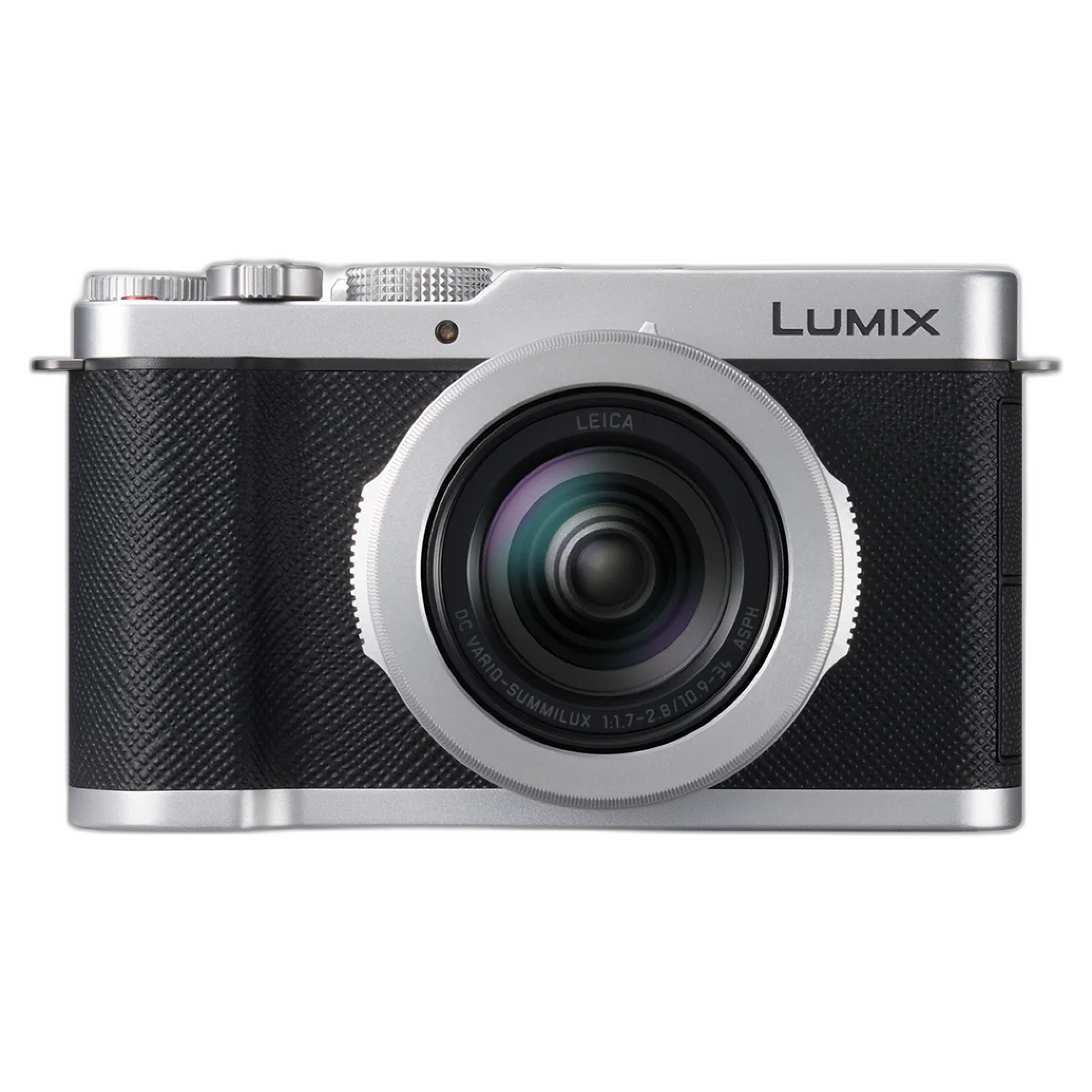
For vacations, day trips, family travel, and casual sightseeing, the appeal is obvious: compact cameras are easy to pack, easy to hand off, and easy to use quickly. They work well for travelers who want better ergonomics and a more camera-like shooting experience without building a system around lenses and accessories.
Travel Advantages
The Panasonic wins on ease and accessibility. It’s the kind of camera that can live in a day bag and be ready whenever needed. Travelers who prioritize convenience, simplicity, and a smaller commitment level will appreciate this approach.
Potential Drawbacks
Compared with the Fujifilm and Sigma, the Panasonic is less about ultimate image quality and more about practicality. Advanced enthusiasts and professionals may quickly find themselves wanting more dynamic range, more creative control, or a stronger high-end shooting experience.
Category-by-Category Comparison
Best Image Quality
Winner: Fujifilm GFX100RF
If your travel camera decision starts and ends with the highest-quality stills, the Fujifilm is the clear leader. It’s the aspirational option for photographers who want travel images that feel gallery-worthy.
Best Balance of Size and System Flexibility
Winner: Sigma fp L
The fp L is ideal for travelers who want a genuinely compact camera body but still value lens choice. It occupies a very appealing middle ground between portability and creative expansion.
Best for Casual Travel and Everyday Carry
Winner: Panasonic Lumix L10
For travelers who want something easy, uncomplicated, and more dedicated than a phone without the commitment of a larger kit, Panasonic makes the most sense.
Best for Minimalist Packing
Winner: Panasonic Lumix L10
If your goal is to stay light and simple, the compact form factor is still hard to beat.
Best for Dedicated Photography Trips
Winner: Fujifilm GFX100RF
When photography is the purpose of the trip, not just a side activity, the Fujifilm stands out as the most compelling choice.
Our Pick
Our Pick: Fujifilm GFX100RF
For travelers seeking the best balance of image quality, portability, and premium shooting experience, the Fujifilm GFX100RF is our top recommendation. It best captures the idea of a high-end travel camera that feels special to use while delivering results beyond what most portable cameras can offer.
If your priorities lean more toward modularity and interchangeable lenses, the Sigma fp L is an excellent alternative. If affordability, ease, and compact convenience matter most, the Panasonic Lumix L10 is the better fit.
Conclusion
Choosing the right travel camera depends on how you travel and how seriously you take photography on the road. The Fujifilm GFX100RF is the premium image-quality leader, the Sigma fp L is the compact full-frame flexibility pick, and the Panasonic Lumix L10 is the simplest grab-and-go choice. If you’re comparing portable travel cameras and want expert guidance on the best fit for your shooting style, Unique Photo is a great place to explore these options further.