Introduction: Choosing the Right Audio Upgrade for Video Production
If you are deciding between an external audio recorder and a camera-mounted microphone, the short answer is this: camera-mounted mics are usually the fastest way to improve everyday video sound, while external recorders offer more control, better flexibility, and stronger results for interviews, filmmaking, events, and professional productions. For many creators, the real question is not whether audio matters, but which type of tool best fits the way they shoot.
Built-in camera microphones are convenient, but they often capture too much room noise, handling sound, and unwanted ambience. Upgrading to a dedicated on-camera microphone or a separate field recorder can dramatically improve clarity, presence, and overall production value. The products here cover both paths well, from compact wireless and directional microphones to advanced multichannel recorders and hybrid microphone-recorder designs.
At Unique Photo, there are several standout options depending on whether you prioritize simplicity, mobility, or maximum recording quality. The Sony ECM-W2BT is an excellent pick for streamlined wireless shooting. The OM SYSTEM ME-51S is a straightforward directional stereo mic for compatible cameras and recorders. For creators who want the benefits of external capture, the Tascam DR-70D and Tascam Portacapture X6 offer serious recording capability, while Zoom's MicTrak lineup provides an appealing middle ground by combining microphone and recorder functionality in one device.
When a Camera-Mounted Microphone Makes the Most Sense
A camera-mounted microphone is usually the best recommendation for vloggers, solo shooters, travel creators, and hybrid photographers who need better sound without adding much setup time. These systems stay attached to the camera, reduce clutter, and often allow direct audio capture into the video file, which means less syncing work in post-production.
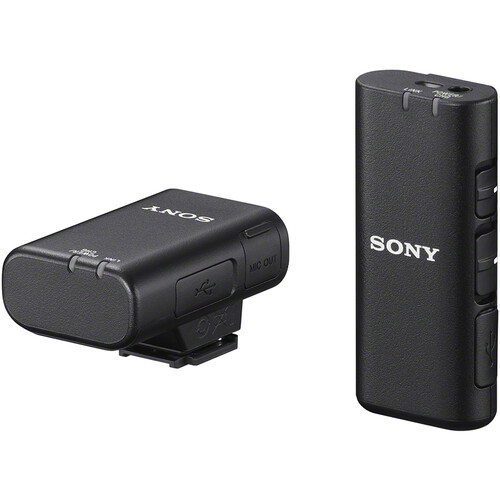
Sony ECM-W2BT: Best for Wireless Convenience and Run-and-Gun Video
The Sony ECM-W2BT Camera-Mount Digital Bluetooth Wireless Microphone System is one of the most practical camera-audio solutions in this group. Its biggest strength is speed. If you create interviews, walk-and-talk videos, social content, or wedding coverage, a wireless system like this can deliver clearer speech than a traditional on-camera mic because the transmitter can be placed close to the speaker.
That close-mic placement is the biggest advantage of wireless audio. Instead of relying on a microphone mounted several feet away on the camera, the Sony system gets the mic much nearer to the subject, which improves vocal intelligibility and reduces the sense of distance in your audio. For creators already working in the Sony ecosystem, it is especially attractive as a compact, modern solution for fast-paced shooting.
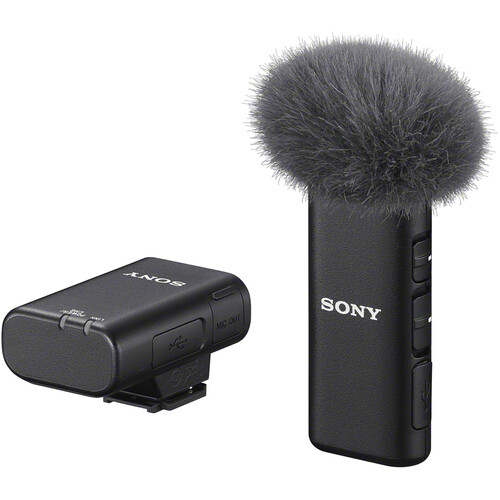
Why choose it: If ease of use matters more than building a complex audio rig, this is one of the best recommendations in the camera-mounted category.
Best for: vlogging, mobile interviews, wedding coverage, presentations, and creators who need cleaner voice capture with minimal setup.
OM SYSTEM ME-51S: Best for a Simple Directional Stereo Upgrade
The OM SYSTEM ME-51S Directional Stereo Microphone is a more traditional camera or recorder-mounted mic option. It is ideal for users who want a simple directional pickup pattern and stereo sound without stepping into wireless systems or dedicated field recorders. Compared with built-in microphones, a directional accessory microphone can help emphasize the subject in front of the camera and reduce some of the distracting surrounding noise.
This is the sort of product that makes sense for hobbyists, students, and casual video shooters who want an affordable and uncomplicated upgrade path. It will not replace a full-featured external recorder for serious multi-source productions, but it can absolutely be a worthwhile step up from internal camera audio.
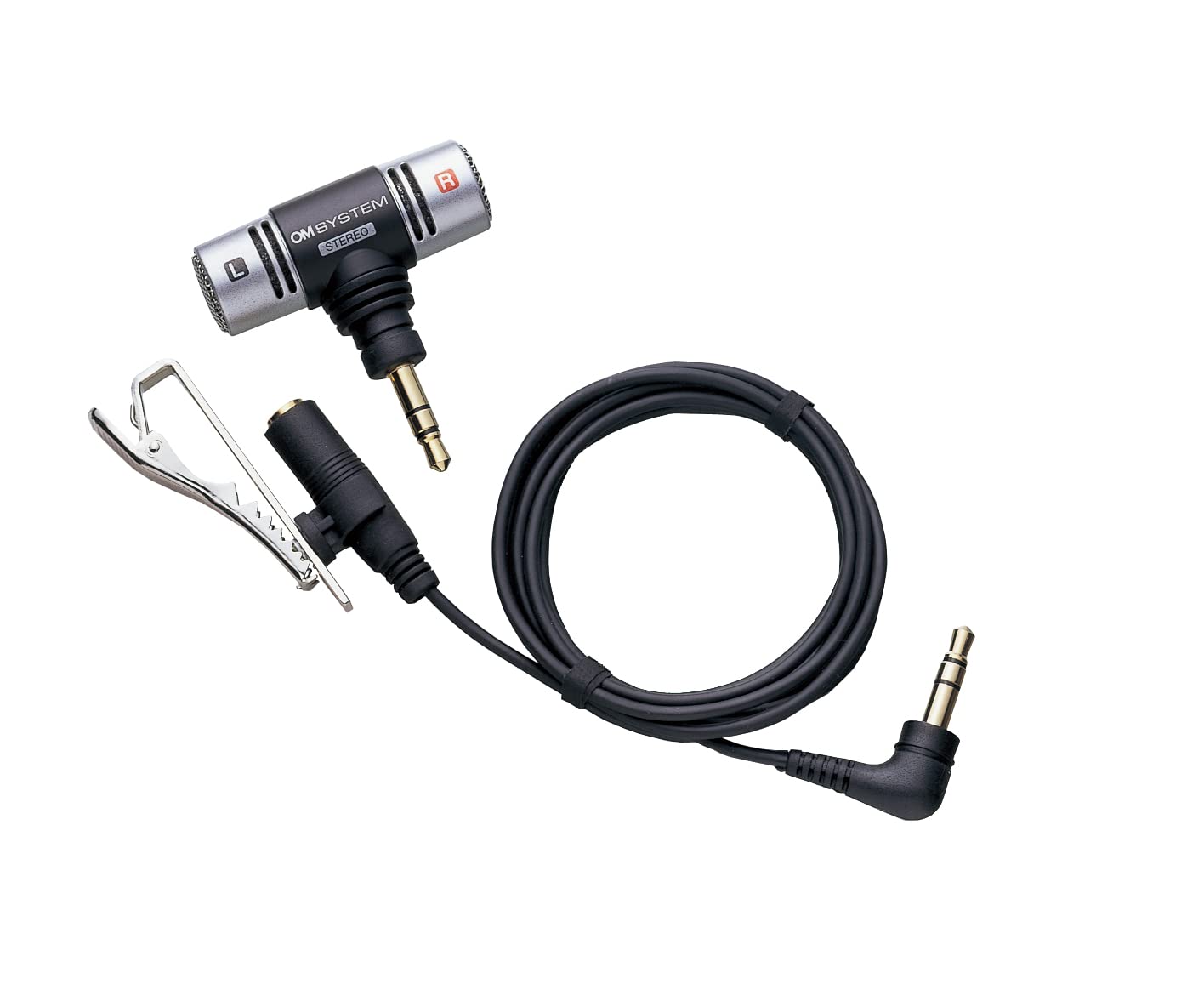
Why choose it: It is simple, compact, and easy to add to an existing lightweight setup.
Best for: basic interviews, general video capture, lectures, and users who want a more focused stereo pickup than a built-in mic can provide.
Why External Audio Recorders Still Win on Quality and Flexibility
External audio recorders are usually the better recommendation for creators who need cleaner preamps, backup recording, multiple inputs, better gain control, or safer recording formats like 32-bit float. They are especially valuable in filmmaking, documentary production, podcasting, event work, and any shoot where audio failure is not an option.
The biggest tradeoff is workflow. Separate recorders often require mounting solutions, external microphones, monitoring, and audio sync in post. But if your productions are growing in complexity, that extra effort typically pays off in much more reliable sound.
Tascam DR-70D: Best for DSLR Filmmakers Building a Serious Audio Rig
The Tascam DR-70D 4-Channel Audio Recording Device for DSLR and Video Cameras is purpose-built for video production. Unlike simple handheld recorders, this model is designed to integrate with camera rigs, making it a strong fit for indie filmmakers, interview shooters, and documentary creators who need multiple microphones and more professional signal management.
Its four-channel design makes it a substantial step up from camera-mounted audio. You can run lavaliers, shotgun microphones, or multiple sources at once, which is a major advantage for two-person interviews, panel discussions, or more structured productions. If your video projects involve more than one person speaking, or if you want the freedom to use professional microphones, the DR-70D is one of the clearest examples of why external recorders remain relevant.
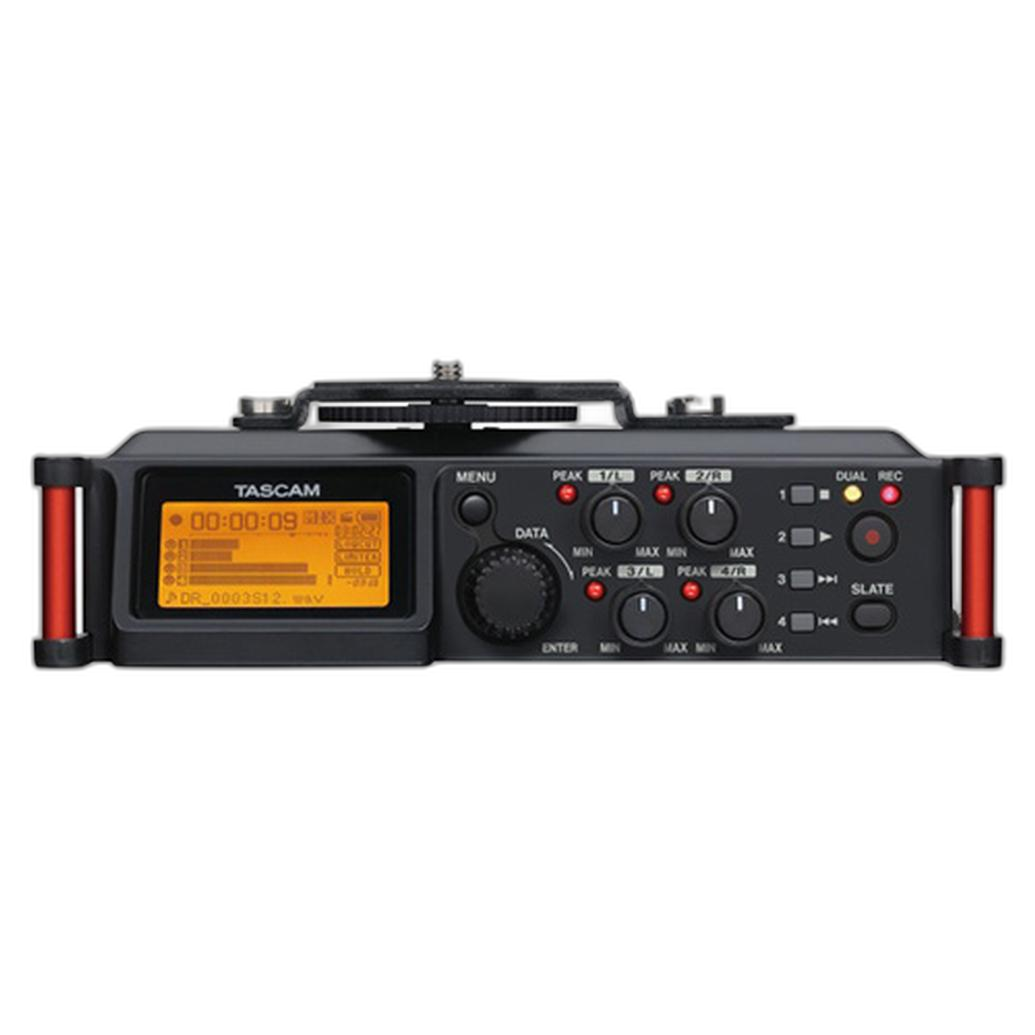
Why choose it: It is a dedicated video-oriented recorder that makes much more sense than a simple on-camera mic when you need multiple inputs and more control.
Best for: DSLR filmmaking, interviews, documentary work, narrative production, and event recording.
Tascam Portacapture X6: Best for 32-Bit Float and Modern Field Recording
The Tascam Portacapture X6 32-Bit Float 6-Channel Field Recorder is one of the strongest recommendations for creators who want audio headroom, versatility, and room to grow. The appeal of 32-bit float recording is simple: it helps protect against clipped or unexpectedly loud audio, which is a huge advantage for live events, unpredictable environments, and users who do not want to ride levels aggressively during capture.
Compared with basic camera-mounted microphones, the Portacapture X6 is on an entirely different level. It is made for people who think of audio as a production priority rather than an afterthought. With six-channel capability, it is well suited to advanced interviews, field recording, podcasts, location sound gathering, and music-oriented applications.
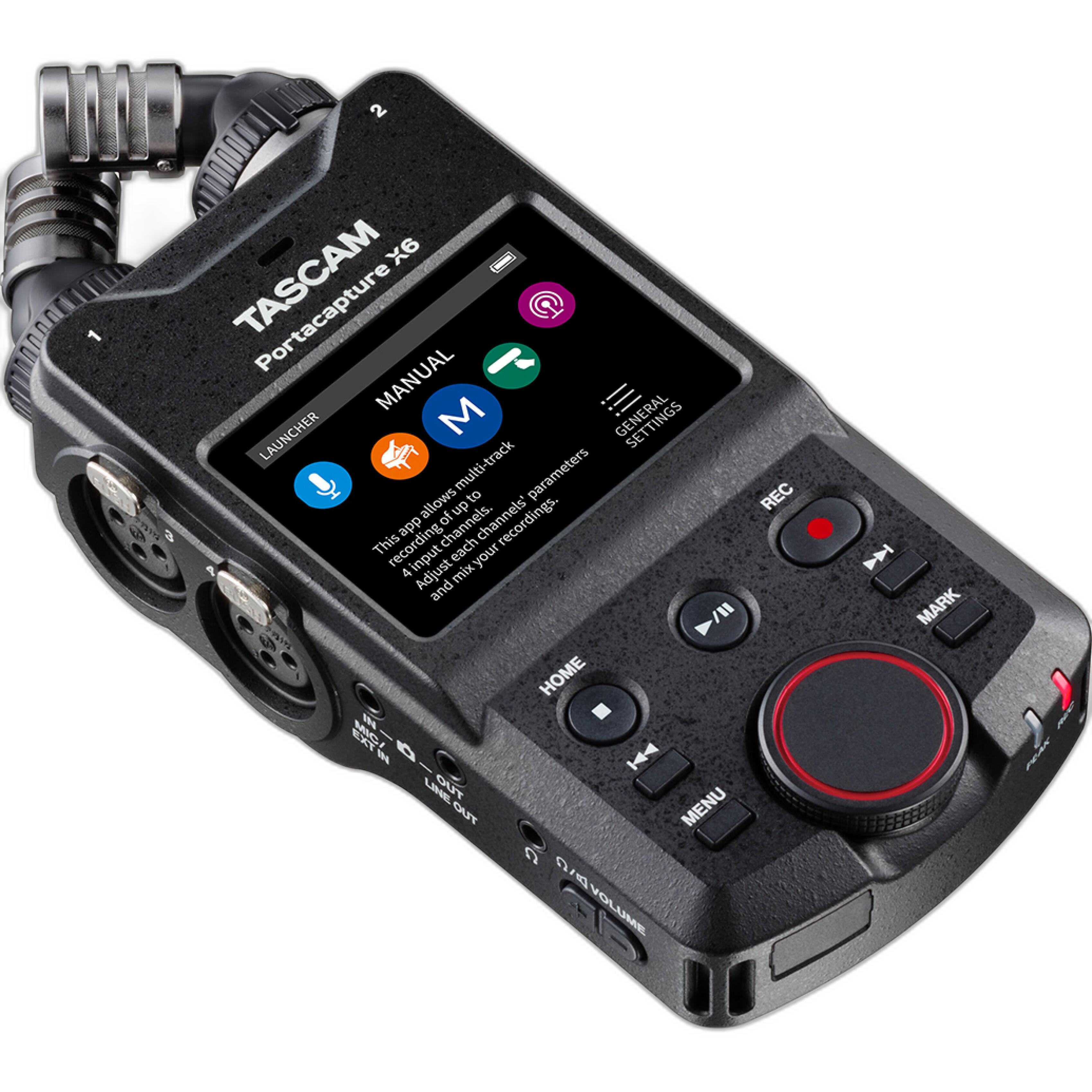
Why choose it: It offers a future-ready feature set and the kind of recording confidence many video shooters and audio creators are now looking for.
Best for: field recording, professional interviews, content creators scaling up, and users who want 32-bit float security.
OM SYSTEM LS-P5: Best Compact Recorder for Creators Who Value Portability
The OM SYSTEM LS-P5 Linear PCM Recorder is a highly portable option for those who want dedicated audio capture without carrying a large rig. For journalists, educators, musicians collecting ideas, and video creators who sometimes need off-camera ambient recording or voice capture, a compact recorder like this is a smart tool to keep in the bag.
It is not as production-oriented as the larger Tascam models, but that is also the point. The LS-P5 is about portability and convenience. It fits workflows where you want better audio than a camera can capture, yet you do not need a full multichannel field recorder every time.
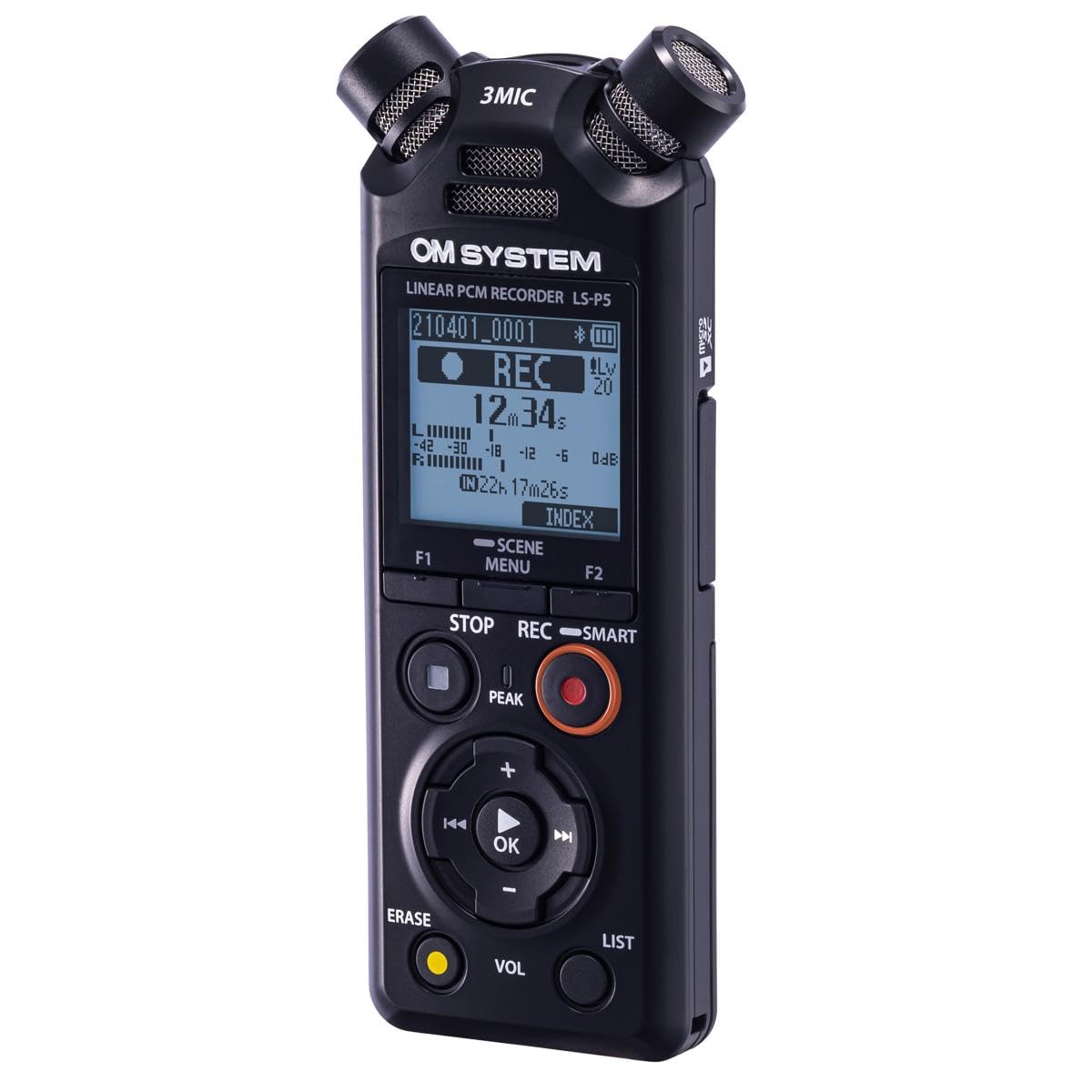
Why choose it: It is easy to carry, discreet to use, and useful for voice, ambience, notes, and lightweight production work.
Best for: journalists, travel creators, students, note-taking, and capturing backup or ambient audio.
The Hybrid Option: Microphone-Recorder Combos
One of the most interesting categories in this comparison is the microphone-recorder hybrid. These products split the difference between an on-camera microphone and a separate recorder by placing recording capability directly into the microphone itself. That can simplify workflows while still giving you many of the advantages of external capture.
Zoom M3 MicTrak: Best Middle Ground for Video Creators
The Zoom M3 MicTrak Stereo Shotgun Microphone and Recorder is arguably one of the most compelling answers to the external recorder vs. camera-mounted microphone debate because it does both jobs at once. It functions like a shotgun microphone for your camera while also offering onboard recording, giving you the convenience of on-camera placement and the security of independent capture.
For many video shooters, this is the sweet spot. You get a more focused pickup than a generic built-in mic, but you also gain the backup and flexibility benefits of recording separately. That is especially useful for small crews and solo shooters who want a cleaner workflow than a full external recorder rig.
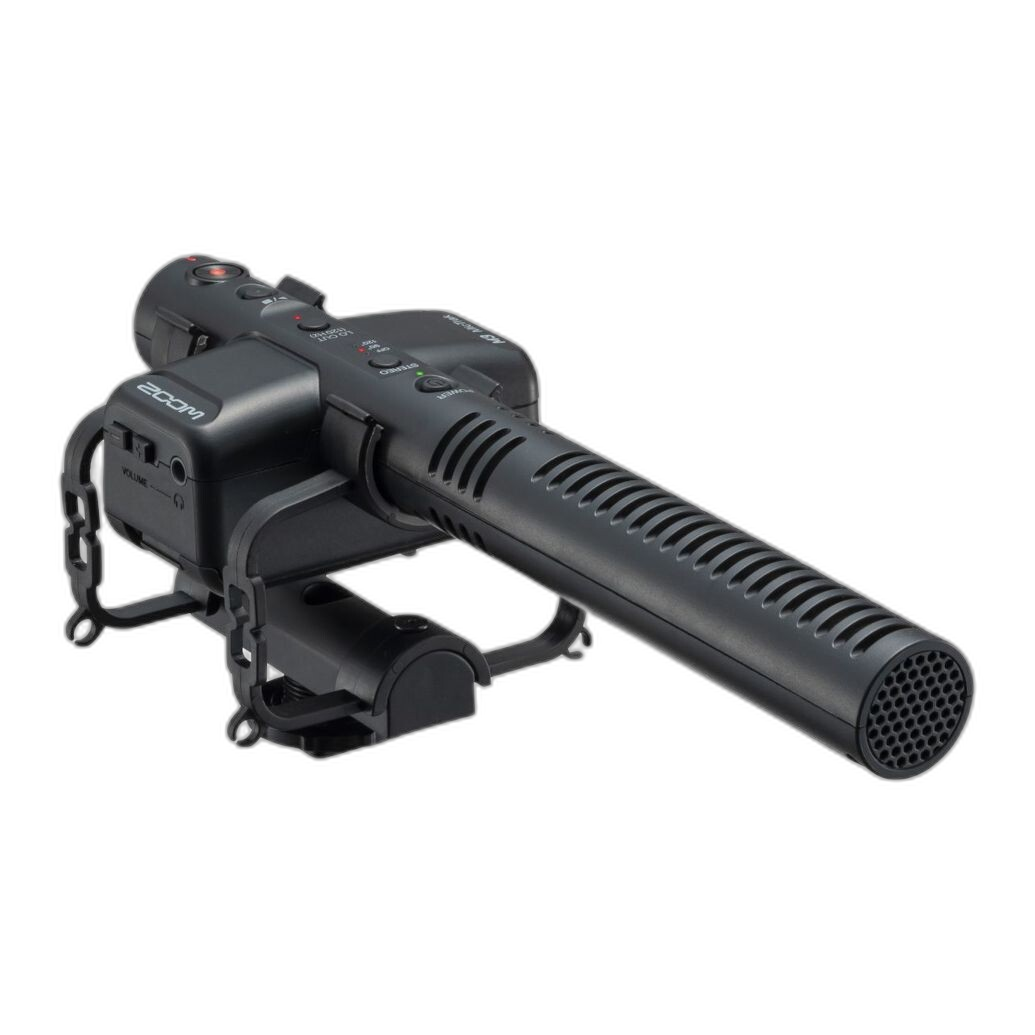
Why choose it: It bridges two categories better than most products and is one of the easiest upgrades for camera users who want more security.
Best for: run-and-gun video, documentary shooting, compact interviews, and creators who want on-camera convenience plus internal recording.
Zoom M2 MicTrak: Best for Music, Performance, and Stereo Capture
The Zoom M2 MicTrak Stereo Microphone and Recorder leans more toward stereo capture applications. It is a good recommendation for musicians, event shooters, rehearsal recording, and creators who want more immersive stereo ambience than a directional shotgun design provides.
If your work includes performances, environmental sound, room tone, or atmospheric recording, the M2 makes more sense than a standard camera-mounted speech microphone. It is less about isolating a single person and more about capturing a natural stereo image.
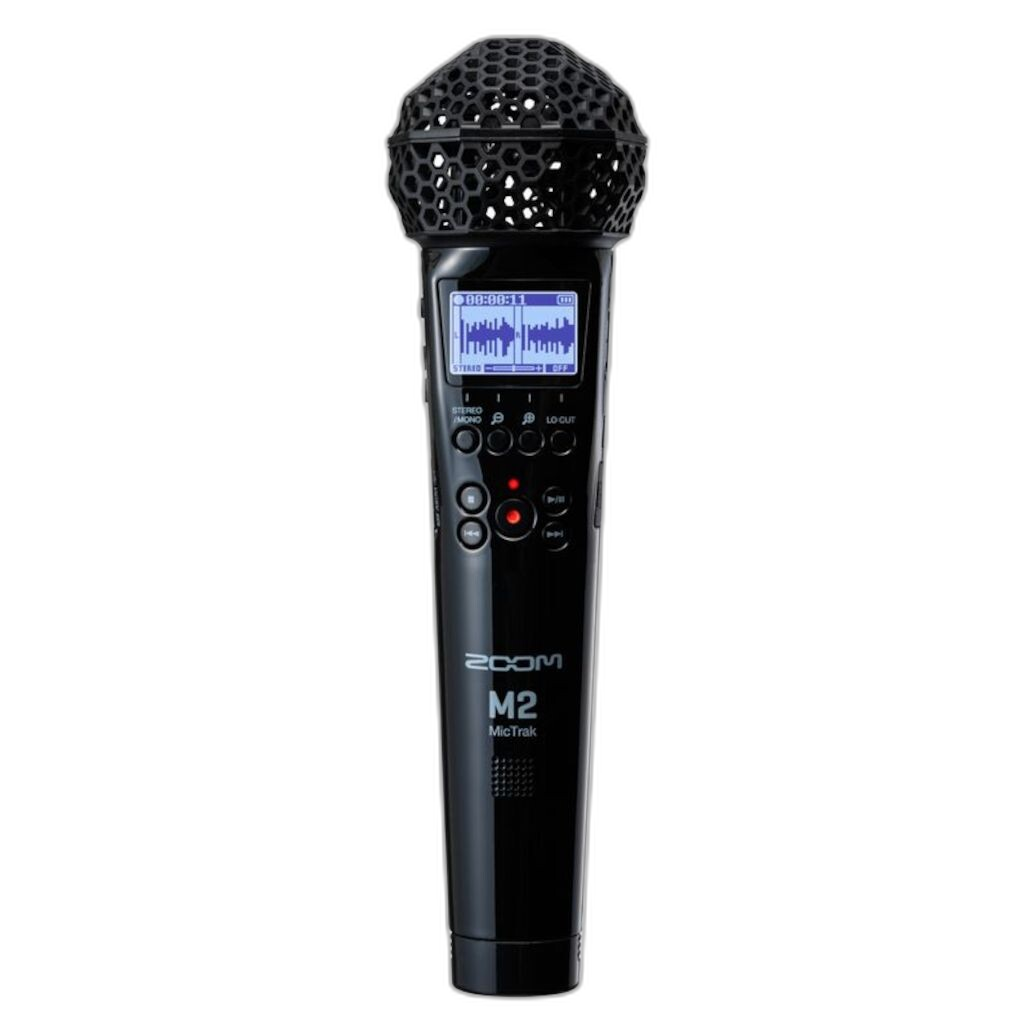
Why choose it: It is a strong tool when stereo realism matters more than narrowly focused vocal pickup.
Best for: music, live performances, ambience, rehearsals, and stereo field capture.
Zoom M4 MicTrak: Best for Creators Who Need More Channels in a Compact Form
The Zoom M4 MicTrak Stereo Microphone and Recorder expands on the hybrid concept with a feature set aimed at users who need more flexibility than a basic stereo mic-recorder can offer. For creators covering productions where multiple sources may come into play, it provides a more capable bridge between simple portable recording and more advanced field devices.
It will not fully replace a dedicated production recorder like the Tascam DR-70D or Portacapture X6 for all workflows, but it is a highly attractive option for users who want an integrated device that remains portable.
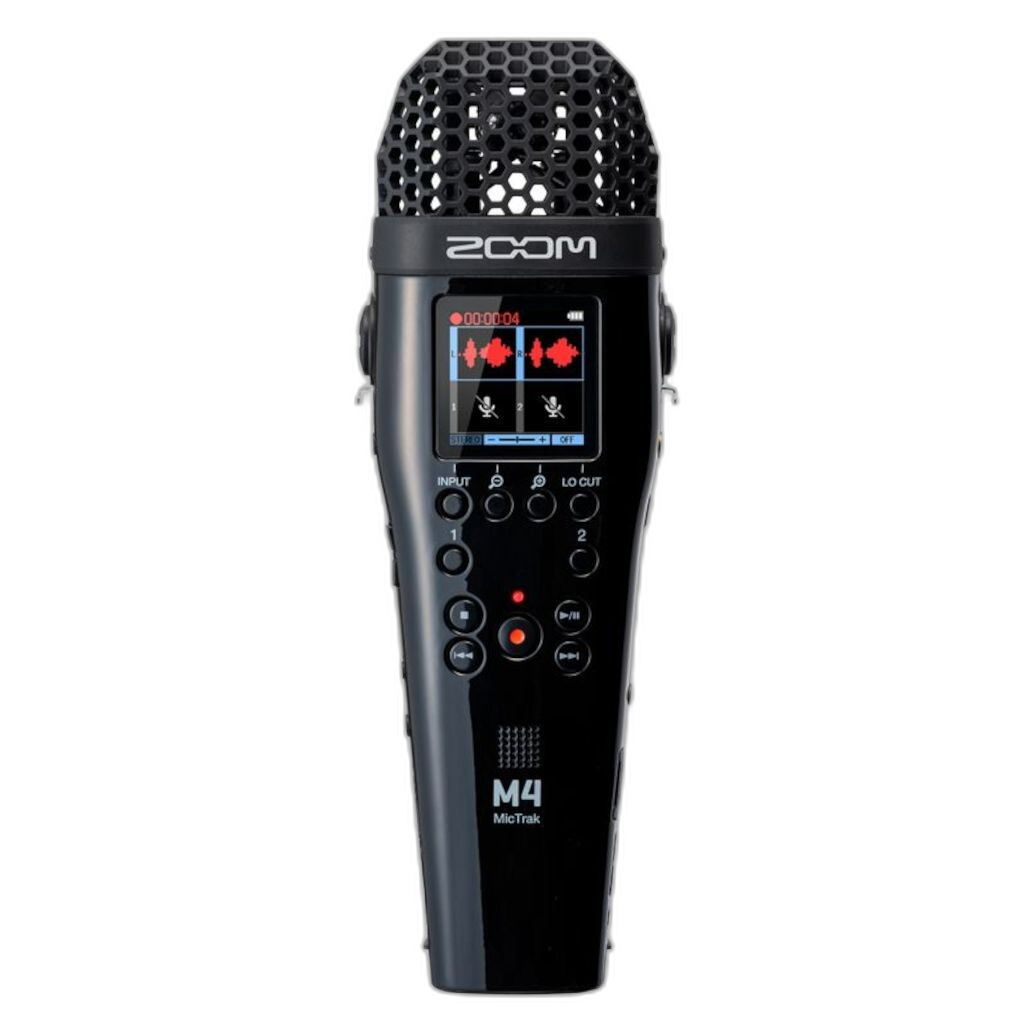
Why choose it: It offers a stronger all-in-one approach for creators who are outgrowing basic camera audio.
Best for: flexible content production, interviews, music capture, and creators seeking a compact advanced recorder-mic hybrid.
Pros and Cons: External Recorders vs. Camera-Mounted Microphones
Camera-Mounted Microphones
- Pros: Fast setup, lightweight, beginner-friendly, direct in-camera recording, easier editing workflow, ideal for travel and run-and-gun video.
- Cons: Usually farther from the sound source, limited control, fewer input options, less redundancy, and often lower overall production flexibility.
External Audio Recorders
- Pros: Better control, more inputs, stronger preamps, backup recording, advanced formats like 32-bit float, greater flexibility for interviews and filmmaking.
- Cons: More gear to manage, added cost, more complex setup, possible sync work in post-production, less convenient for ultra-light shooting.
Hybrid Microphone-Recorder Designs
- Pros: Balanced convenience and quality, reduced risk through onboard recording, compact, practical for solo creators.
- Cons: Not always as expandable as full field recorders, may still require workflow adjustments, category-specific strengths vary by model.
Verdict: Which Type Should You Buy?
If you want the simplest upgrade for everyday content creation, a camera-mounted solution is usually the right buy. The Sony ECM-W2BT is the most compelling recommendation here for creators focused on voice, mobility, and speed, while the OM SYSTEM ME-51S is a straightforward directional option for those wanting an affordable improvement over built-in audio.
If your work is becoming more serious and audio quality is a priority, an external recorder is the better long-term investment. The Tascam DR-70D is an excellent video-production recorder for DSLR and interview workflows, while the Tascam Portacapture X6 stands out for advanced creators who want 32-bit float recording and room to grow.
For many solo shooters, though, the best overall compromise may be a hybrid. The Zoom M3 MicTrak is especially appealing because it captures the convenience of a camera-mounted microphone while adding the security and independence of onboard recording.
In other words: buy a camera-mounted mic if speed matters most, buy an external recorder if control and quality matter most, and buy a hybrid MicTrak-style device if you want the smartest middle ground. Whichever direction you choose, Unique Photo is an excellent place to buy the right audio upgrade for your camera kit.