C-41 vs E-6 at Home: Which Color Process Helps You Avoid Common Mistakes?
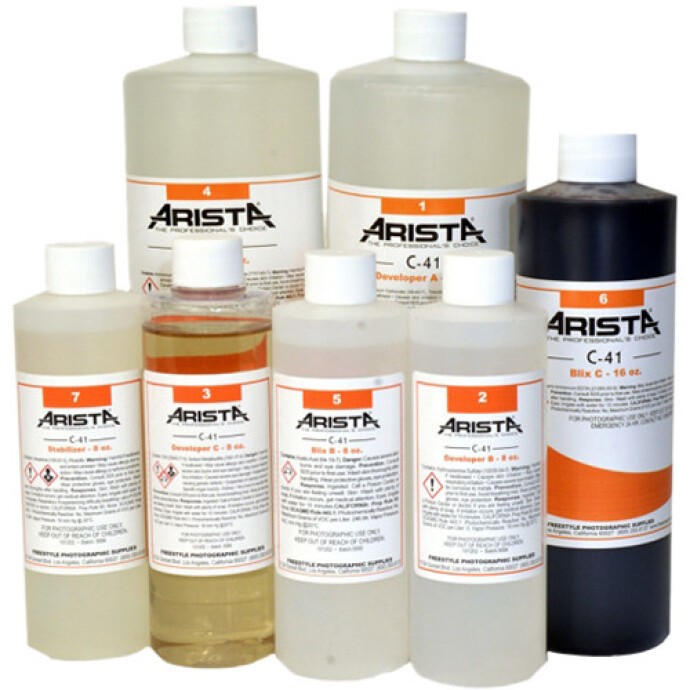
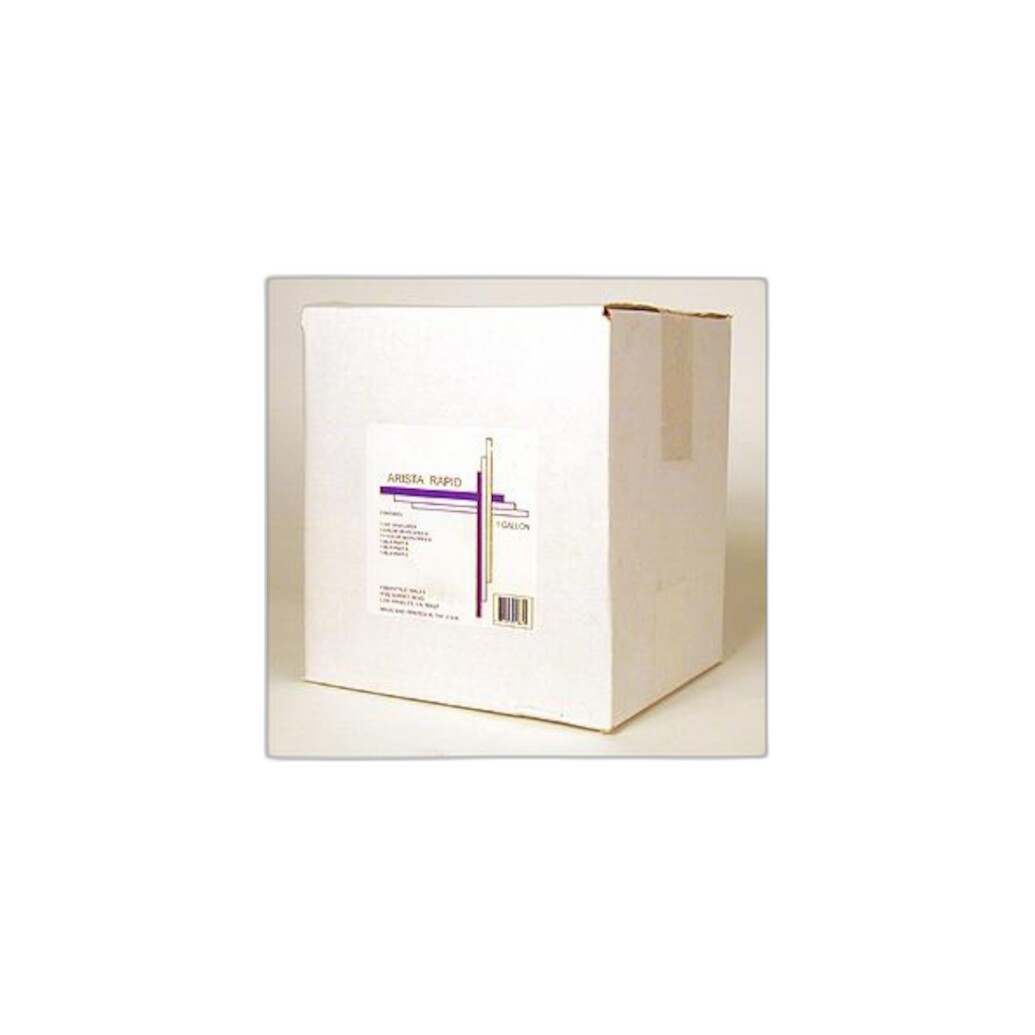
Ready to develop color film at home? The two most popular routes are Arista's C-41 kit for color negatives and Arista's Rapid E-6 kit for color slides. Both make gorgeous results possible, but they differ in complexity, temperature tolerance, and how forgiving they are of common errors. Below, we compare them head-to-head and share practical tips to keep your first runs clean and consistent.
Side-by-Side Specs and Ease-of-Use
| Feature | Arista C-41 Liquid Color Negative Developing Kit (1 Gallon) | Arista Rapid E-6 Slide Developing Kit (1 Gallon) |
|---|---|---|
| Process | C-41 color negative | E-6 color reversal (slides) |
| Output | Color negatives ideal for scanning and printing | Color transparencies for projection or high-contrast scans |
| Nominal temp | Approx. 100°F / 38°C | Approx. 100°F / 38°C |
| Temperature tolerance | Generally more forgiving | Requires tighter control for accurate color |
| Complexity | Fewer steps; simpler to learn | More steps; precision-sensitive |
| Skill level | Beginner-friendly | Intermediate to advanced |
| Capacity | Makes 1 gallon of working solutions (see datasheet for roll capacity) | Makes 1 gallon of working solutions (see datasheet for slide capacity) |
| Best for | Everyday color work, varied lighting, wider exposure latitude | Color-critical slides, projection, punchy contrast |
Always follow the manufacturer’s instructions for mixing, times, and temperatures; the notes above are general guidance.
Category-by-Category Analysis
1) Setup and Temperature Control
Most home mistakes start with temperature. Both C-41 and E-6 target ~100°F/38°C, but E-6 is far less forgiving of drift. Keep chemistry in an insulated water bath and pre-warm your tank, reels, and film before pouring in chemistry.
- C-41: Slight temp variations are usually acceptable; color shifts are subtler.
- E-6: Maintain very tight control to avoid color crossover and contrast shifts.
Tip: Use a reliable thermometer and a steady water bath. Pre-rinse the tank with tempered water so developer doesn’t cool on contact.
2) Mixing, Labeling, and Storage
Cross-contamination is a common beginner error. Mix each solution carefully, label bottles clearly, and dedicate funnels/grad cylinders per bath to avoid carryover.
- Decant into smaller, air-tight bottles to reduce oxidation.
- Record mix dates and number of rolls processed on each bottle.
- Never return used chemistry to a fresh stock bottle unless the instructions say you can.
3) Agitation and Timing Discipline
Uneven agitation leads to streaks and density variations.
- C-41: Consistent inversions with gentle rotation are usually sufficient.
- E-6: Stick to the agitation schedule exactly; small timing errors are more visible.
Pro tip: Use a timer with audible intervals and agitate the same way every time. Tap the tank after inversions to dislodge bubbles.
4) Color, Latitude, and Use Case
- C-41 negatives have wide exposure latitude and scan beautifully—great for mixed lighting and variable exposures.
- E-6 slides are stunningly crisp but less tolerant of exposure and processing variance—ideal when you crave projection-ready color and contrast.
5) Troubleshooting Common Errors
- Color cast overall: Recheck temperature control and chemistry freshness; E-6 is especially sensitive.
- Streaks or uneven density: Improve agitation consistency; ensure reels load smoothly and avoid excessive solution carryover.
- Milky or retained silver: Ensure adequate bleach/fix stages as specified; extend times if near chemistry capacity.
- Water spots/drying marks: Finish with a wetting agent and use clean, dust-free drying space.
6) Workflow Efficiency and Throughput
Batching rolls minimizes temperature resets and keeps chemistry fresher. For either 1-gallon kit, plan your runs around the manufacturer’s capacity guidance. When in doubt, mix smaller working volumes and replenish as directed.
Helpful Tools and Training
Hands-on instruction is one of the fastest ways to eliminate mistakes and build confidence in your process.
Our Pick
For most first-time home color developers, choose the Arista C-41 Liquid Color Negative Developing Kit (1 Gallon). It’s simpler, more forgiving of small temperature or timing errors, and integrates seamlessly with a scan-and-print workflow. If you’re already confident with temperature control and want gallery-ready slides, the Arista Rapid E-6 Slide Kit is a fantastic upgrade—just be prepared for tighter tolerances and additional steps.
Conclusion
Whether you start with C-41 for its forgiving nature or jump into E-6 for slide perfection, careful temperature control, consistent agitation, and clean chemistry handling will prevent most home-developing pitfalls. Unique Photo carries the Arista chemistry kits, darkroom tools like trays, and education options to help you master the process. Visit us to gear up and get developing with confidence.