Introduction: A Compact Full‑Frame Case for Upgrading from APS‑C
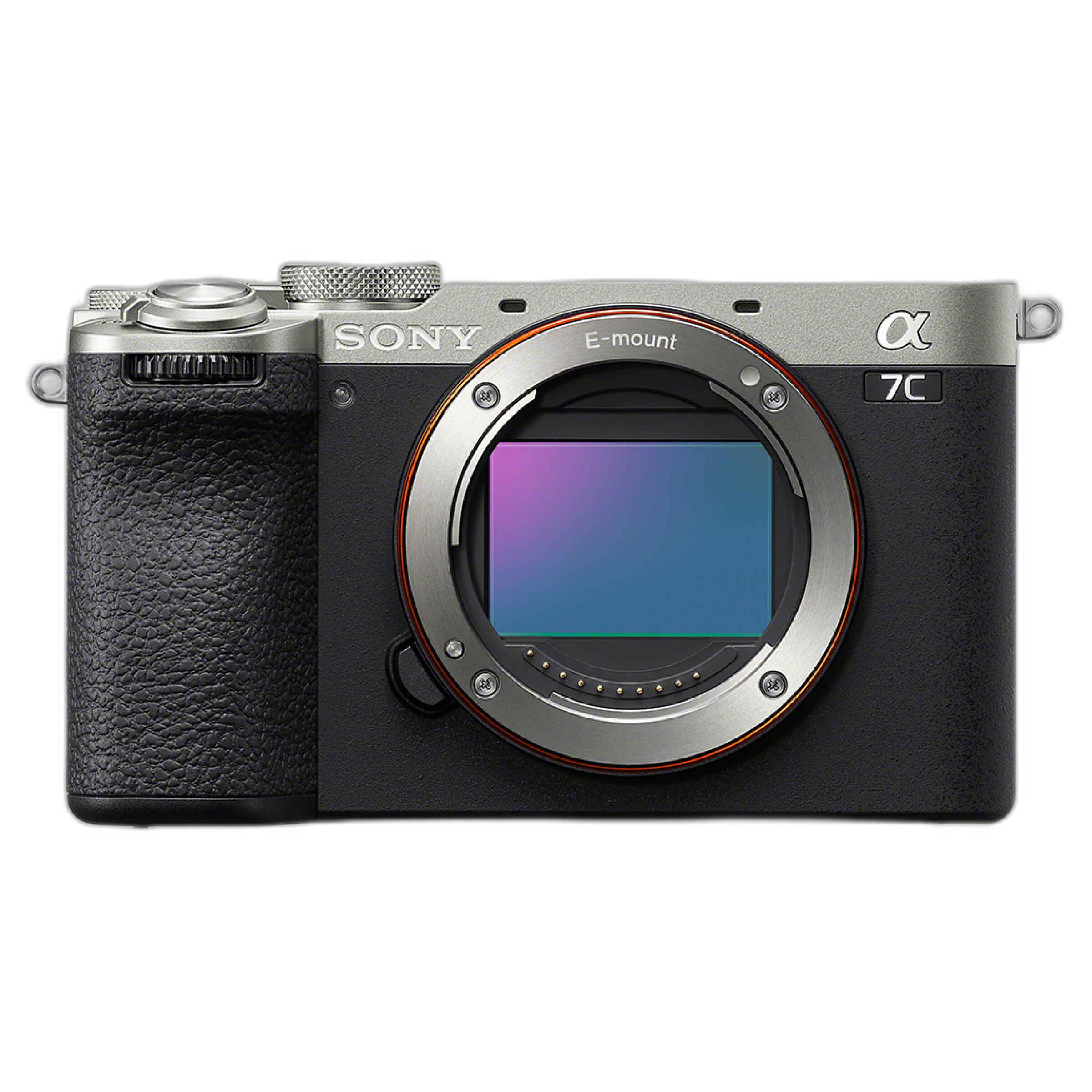
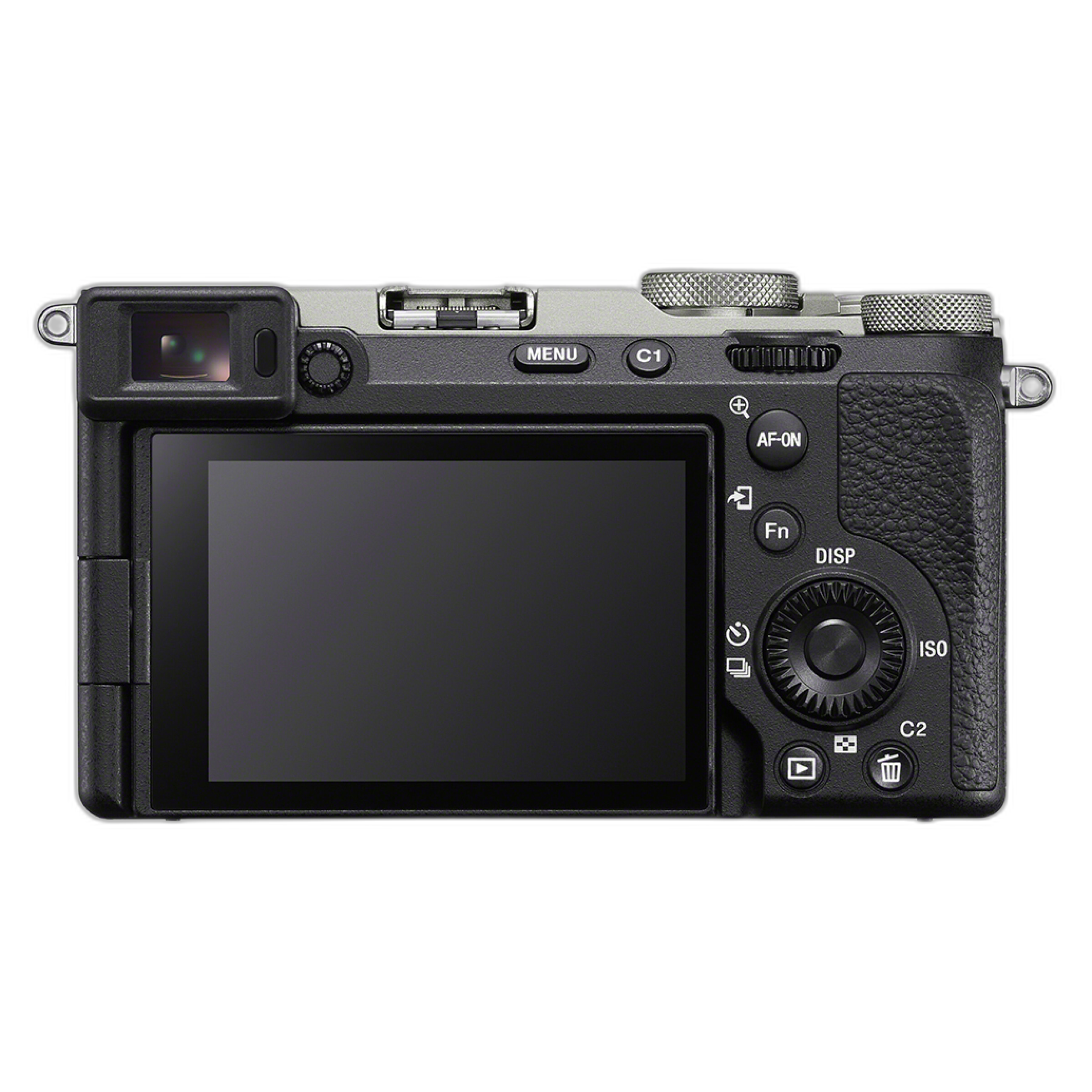
Debating the jump from a crop-sensor (APS‑C) camera to full‑frame is one of the most common crossroads in a photographer’s journey. If you’ve outgrown your APS‑C body, crave better low-light performance, cleaner files, and more depth‑of‑field control—but don’t want a bulky rig—the Sony Alpha A7C II is a compelling upgrade path. It packages a 33 MP full‑frame sensor, modern autofocus, in‑body stabilization, and 10‑bit video into a travel‑friendly body that feels familiar to mirrorless shooters moving up from smaller systems.
In this review, we examine the A7C II specifically through the lens of APS‑C upgraders: what you gain, what you might miss, the budget math, and how it stacks up across genres from portraits and landscapes to travel and content creation.
Key Features for APS‑C Upgraders
Full‑Frame Sensor Advantages
The A7C II’s full‑frame sensor delivers cleaner high‑ISO performance, wider dynamic range, and more nuanced tonal transitions than typical APS‑C sensors. Practically, this means:
- Low light: Higher usable ISOs for indoor events and night scenes with less visible noise.
- Dynamic range: More highlight and shadow recovery headroom for landscape and cityscape work.
- Depth of field: Shallower DOF at equivalent framing/aperture for stronger subject separation in portraits.
Portability Without the Penalty
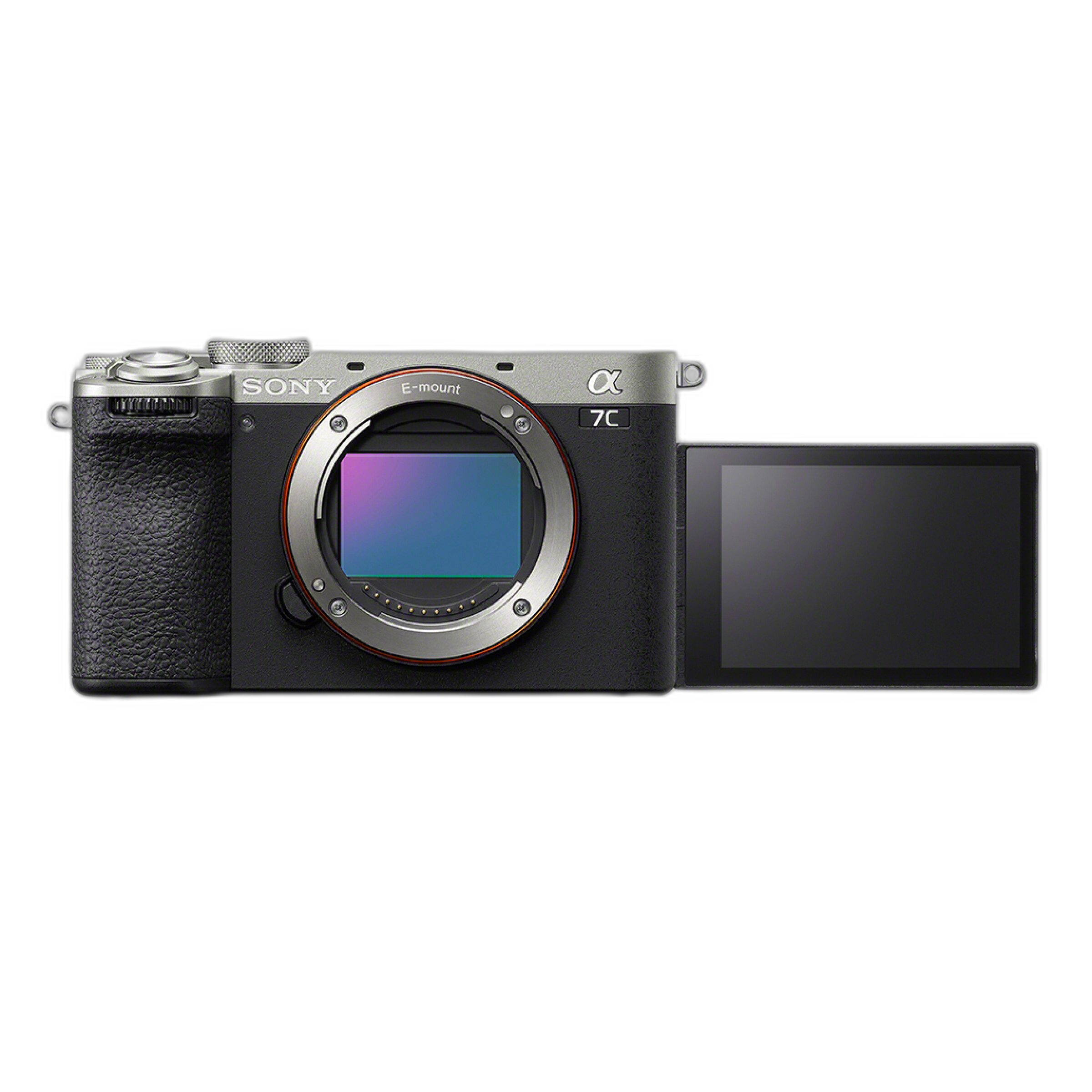
A hallmark of APS‑C systems is portability. The A7C II keeps that spirit: a compact, rangefinder‑style body with in‑body 5‑axis stabilization makes it an easy everyday carry. For travelers or street photographers, it’s a meaningful size/weight win over many traditional full‑frame bodies.
Autofocus and Hybrid Video
Sony’s current AF algorithms deliver sticky subject detection for people, animals, and more—great for portraits, candid street, and casual sports. Video‑first creators benefit from 10‑bit recording and reliable AF for run‑and‑gun work. If moving from an older APS‑C body, you’ll notice the AF confidence and color latitude in grading.
Lens Ecosystem and Cost Reality
Full‑frame glass usually costs more and is larger than APS‑C equivalents. Sony’s FE ecosystem, however, is deep—ranging from compact primes to pro zooms—so you can tailor your kit to your budget and travel needs. A pragmatic path for upgraders is to start with a compact FE prime (35mm/50mm) and add lenses as your work demands.
Budget and the Used Path
Upgrading is more than a body purchase—you may need new lenses, faster cards, and spares. One way to keep costs in check is shopping used. Unique Photo’s used department often lists full‑frame bodies like the A7C II, sometimes at aggressive prices. For example, a used A7C II body listed “As Is” with a sensor scratch can present a steep discount. Important caveat: a scratched sensor may be visible in images, especially at higher f‑stops—test thoroughly and factor potential service into your budget.
Maintenance Considerations
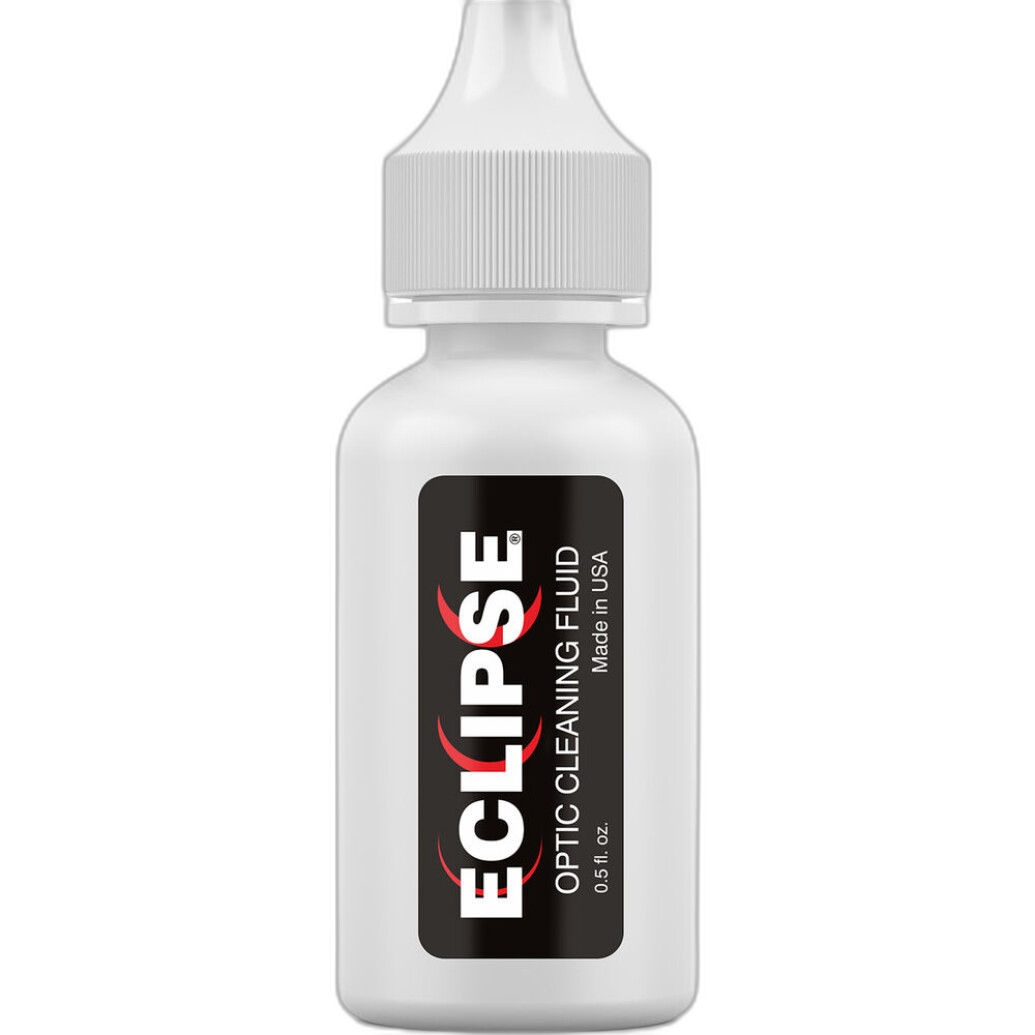
Full‑frame sensors are physically larger and can show dust more readily at small apertures. A basic cleaning kit is smart to keep in your bag. For day‑to‑day upkeep of dust and smudges (not scratches), a trusted solution like Photographic Solutions Eclipse can help keep your sensor and lenses spotless.
Genre‑Based Guidance: Is Full‑Frame Worth It for You?
Portraits and Weddings
Full‑frame’s shallow DOF and cleaner high‑ISO files are difference‑makers. The A7C II’s subject detection and stabilization further reduce misses in dynamic environments.
Landscapes and Architecture
Greater dynamic range helps tame harsh contrast, while 33 MP gives generous detail and print flexibility. Pair with a sharp wide‑angle FE lens and enjoy cleaner skies and deeper shadows.
Sports and Wildlife
APS‑C’s “free reach” (higher pixel density per field of view) remains a real advantage. If most of your work is distant subjects, weigh the cost/benefit carefully. The A7C II is capable, but specialized sports/wildlife shooters may prefer higher‑speed bodies or higher pixel density.
Travel and Street
This is where the A7C II shines. You get the aesthetic of full‑frame in a compact body that disappears in a shoulder bag, with stabilization and reliable AF for spontaneous moments.
Hybrid Creators (Photo + Video)
10‑bit recording, dependable AF, and a stabilized sensor make the A7C II an easy step up from older APS‑C cameras, especially if you want a cohesive look across photo and video.
Pros and Cons for APS‑C Upgraders
- Pros
- Cleaner low‑light files and wider dynamic range than typical APS‑C.
- Compact, travel‑friendly full‑frame body with in‑body stabilization.
- Modern autofocus with effective subject detection for photo and video.
- Deep FE lens ecosystem with both compact and pro options.
- Used market availability can soften upgrade costs.
- Cons
- Full‑frame lenses can be larger and more expensive.
- APS‑C still offers “reach” value for wildlife/sports via higher pixel density.
- Upgrade costs may include new lenses and accessories.
- Used bodies listed “As Is” (e.g., sensor scratch) require careful evaluation.
Model Recommendations if You’re Ready to Upgrade
Beyond the A7C II, consider these dependable full‑frame options based on your priorities:
- Sony a7 IV: A balanced workhorse for hybrid creators seeking robust stills and video.
- Canon EOS R6 Mark II: Excellent AF and low‑light performance for weddings and events.
- Nikon Z6 III: Strong all‑rounder with modern AF and video features.
- Panasonic Lumix S5 II: Great value for video‑leaning shooters with phase‑detect AF.
Your best fit depends on lens investment, ergonomics, and specific features (frame rates, stabilization, subject detection). Try them in person at Unique Photo to see what clicks.
Verdict
If you’re an APS‑C shooter prioritizing portraits, travel, weddings, or hybrid content, the Sony A7C II is one of the most convincing ways to go full‑frame without sacrificing portability. You’ll see meaningful gains in image quality and low‑light confidence, with modern AF and stabilization smoothing the transition. Wildlife and field‑sport specialists should weigh pixel density needs carefully, but for most creators, the A7C II delivers a tangible step up that’s easy to carry daily.
Where to Buy
Shop the Sony A7C II and a full selection of lenses, accessories, and used options at Unique Photo. If you’re watching your budget, explore Unique Photo’s used department for deals—and remember to evaluate any “As Is” listings carefully. For routine upkeep, pick up Photographic Solutions Eclipse to keep your sensor and lenses clean.