Arista C-41 vs Arista Rapid E-6: Which Color Chemistry Is Best for First-Time Home Developers?
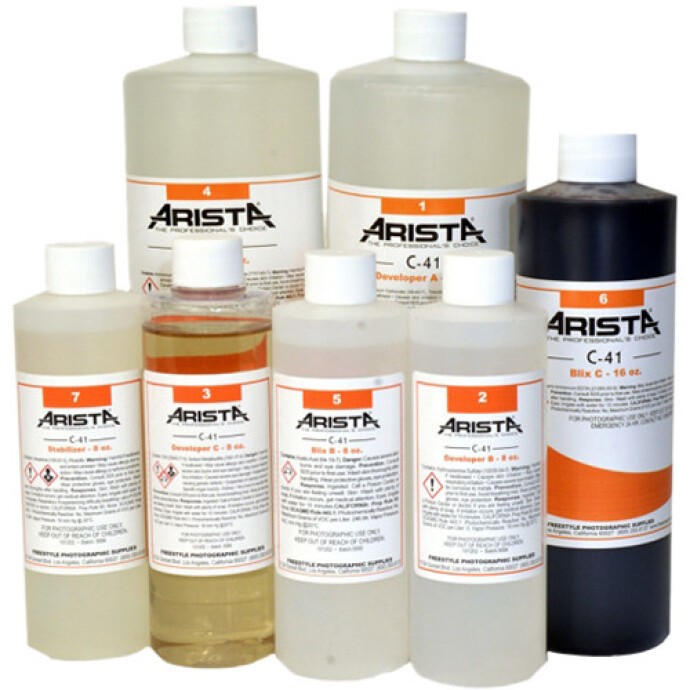
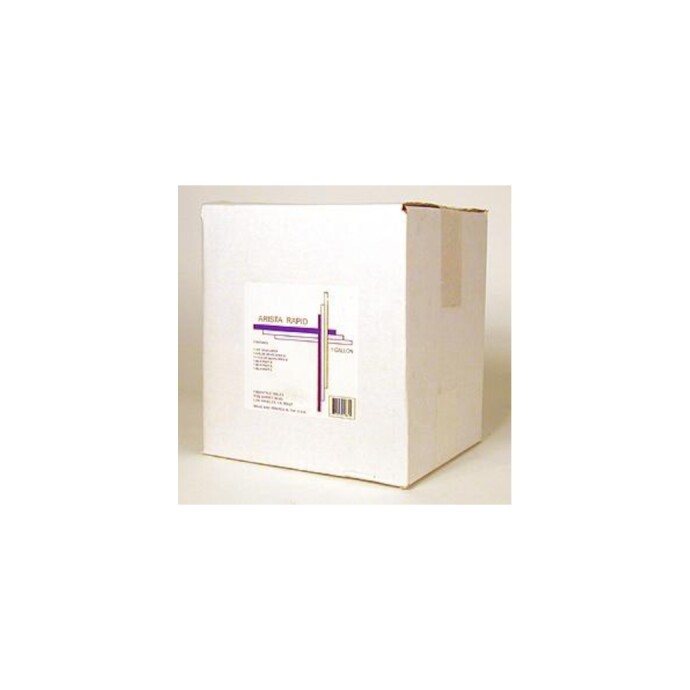
Ready to take control of your color film but not sure where to start? For beginners, two proven chemistry kits stand out: Arista C-41 Liquid Color Negative Developing Kit (1 Gallon) and the Arista Rapid E-6 Slide Developing Kit (1 Gallon). Both deliver professional results at home, but they differ in complexity, temperature tolerance, and the images they produce (negatives vs. slides). Below we compare them head-to-head and outline a simple, confidence-building workflow for your first successful run.
Key Specs at a Glance
| Feature | Arista C-41 Liquid Color Negative Kit (ADF1004) | Arista Rapid E-6 Slide Kit (ARF11864) |
|---|---|---|
| Process Type | C-41 color negative | E-6 color reversal (slide) |
| Output | Color negatives for prints/scans | Positive transparencies (slides) |
| Kit Volume | 1 gallon working solutions | 1 gallon working solutions |
| Chemistry Format | Liquid concentrates | Liquid concentrates |
| Bath Count | Developer + Blix + Final Rinse/Stabilizer | First Developer + Color Developer + Blix + Final Rinse |
| Typical Working Temp | Approx. 102°F / 39°C | Approx. 100°F / 38°C |
| Temp Tolerance | Relatively forgiving | More sensitive; tighter control preferred |
| Typical Total Time Per Roll | ≈ 15–25 minutes | ≈ 35–45 minutes |
| Difficulty | Beginner-friendly | Intermediate |
| Best For | Everyday color shooting, scanning, prints | Slide projection, precise color, archival transparencies |
| Required Gear (core) | Light-tight tank, reels, thermometer, measuring cylinders, bottles, drying clips | Same as C-41, with closer temperature control |
Category-by-Category Analysis
Ease of Use and Learning Curve
C-41 is the easiest on-ramp to color film. With a straightforward developer–blix–rinse/stabilizer sequence and forgiving temps, you can focus on clean technique and good agitation. E-6 adds steps and demands stricter temperature accuracy, so mistakes are less forgiving. First-timers generally gain confidence fastest with C-41.
Temperature Control and Tolerance
Both processes are run hot, but C-41 gives you more wiggle room. If your water bath drifts slightly, C-41 tends to maintain consistent color. E-6’s slide development is more sensitive, especially the first developer, so tight temp control is vital for neutral highlights and consistent D-max.
Color Consistency and Look
C-41 negatives scan easily and are ideal for general-purpose color photography with wide exposure latitude. E-6 slides offer punchy, saturated color, exquisite highlight clarity, and are wonderful for projection and archival purposes. If you love holding a luminous positive, E-6 is unmatched—just expect a steeper learning curve.
Turnaround Time and Throughput
C-41’s shorter process time and simpler handling make it easier to run multiple rolls in a session. E-6 takes longer per batch and rewards careful pacing. For high-volume home developing, C-41 is kinder to beginners and schedules.
Cost and Value Over Time
Both 1-gallon kits are economical across multiple rolls. As a rule of thumb, C-41 chemistry tends to age and replenish predictably for home users. E-6 is also reusable, but timing and temperature precision become more critical as chemistry is reused. Store mixed chems in full, airtight bottles to extend life and always follow the manufacturer’s instructions.
Gear You’ll Need (and Helpful Add-ons)
- Essentials: Light-tight developing tank and reels, accurate thermometer (reads to at least 0.5°F/0.3°C), graduated cylinders, timer, water bath container, nitrile gloves, protective eyewear, drying clips.
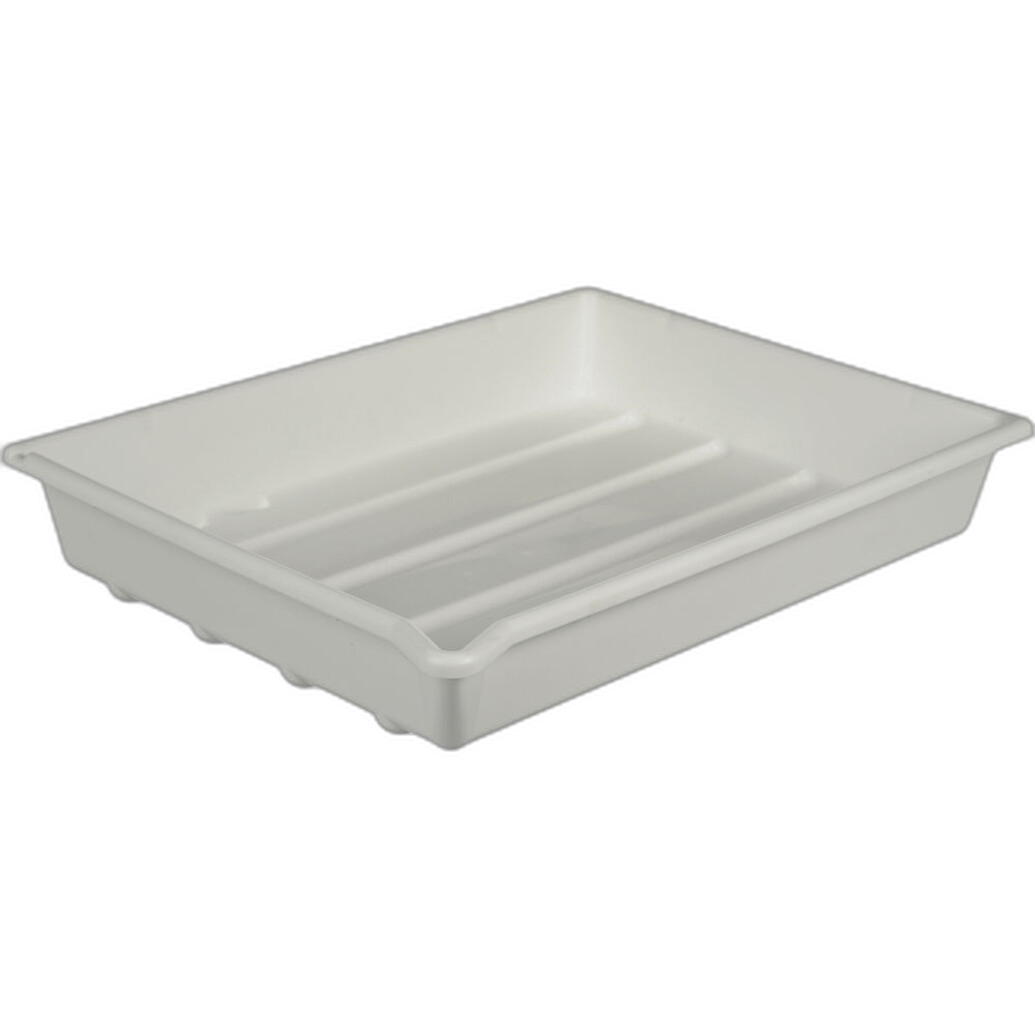
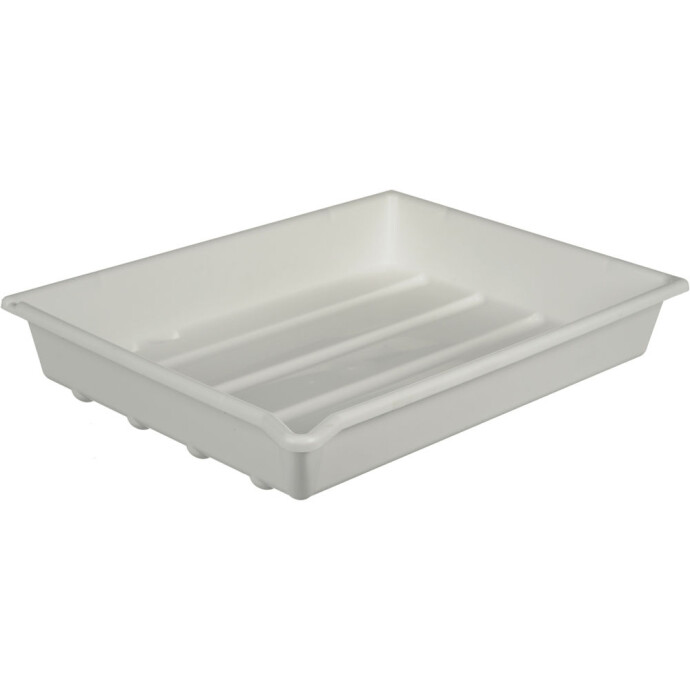
- Nice-to-haves: Extra storage bottles (preferably amber or opaque), a sous-vide/immersion circulator for rock-solid temperatures, and trays for organizing wet gear and keeping surfaces tidy.
Safety and Storage Tips
- Mix and label clearly. Never use food containers. Keep out of reach of children and pets.
- Wear gloves and eye protection; work in a ventilated space.
- Store mixed chemistry in full, airtight bottles at stable room temperature. Dispose according to local regulations.
Step-by-Step Newbie Workflow (C-41 First Run)
- Preparation: Mix concentrates per the kit’s instructions to make 1 gallon working solutions. Bring Developer and Blix to the specified temperature in a water bath. Pre-warm your developing tank and reels.
- Load Film: In complete darkness, load film onto reels and into the tank. Close the tank before turning on the lights.
- Developer: Pour in developer at the target temperature. Agitate as directed (e.g., initial continuous agitation, then intermittent). Keep the tank submerged in the water bath to maintain temperature.
- Blix: Drain, then pour in blix at temperature. Follow the recommended agitation and time precisely.
- Rinse/Final Rinse or Stabilizer: Rinse as instructed and finish with the final rinse/stabilizer. Avoid squeegees; a gentle wetting agent reduces water spots.
- Dry: Hang in a dust-free area with clips. Allow to dry fully before cutting and sleeving.
- Scan/Print: Once dry, scan your negatives or print traditionally. Evaluate results and note temps, times, and agitation for consistency next time.
Our Pick for Newbies
Arista C-41 Liquid Color Negative Developing Kit (ADF1004) is the best first step into home color processing. It’s simpler, more forgiving, and perfect for building reliable technique while delivering beautiful, scannable negatives.
When to Choose E-6
If your goal is the look and experience of true color slides for projection or archival portfolios—and you’re ready to commit to tighter temperature control—the Arista Rapid E-6 Slide Developing Kit (ARF11864) is a rewarding next step.
Conclusion
Whether you start with the beginner-friendly Arista C-41 kit or set your sights on the vivid magic of E-6 slides, you can build a dependable home workflow with the right chemistry, clean technique, and careful temperature control. Shop these kits and essential darkroom tools at Unique Photo and get everything you need for confident color developing at home.