C‑41 vs E‑6 at Home: Which Arista Kit Is Best for Beginners?
Forum discussions often circle around a core question for newcomers: should you start home color developing with C‑41 negatives or jump straight into E‑6 slide film? In this head‑to‑head, we compare two popular, gallon‑size Arista kits to help you choose the right path, highlight the essential tools, and share practical troubleshooting tips gathered from the home‑lab community.
Side‑by‑Side Specs
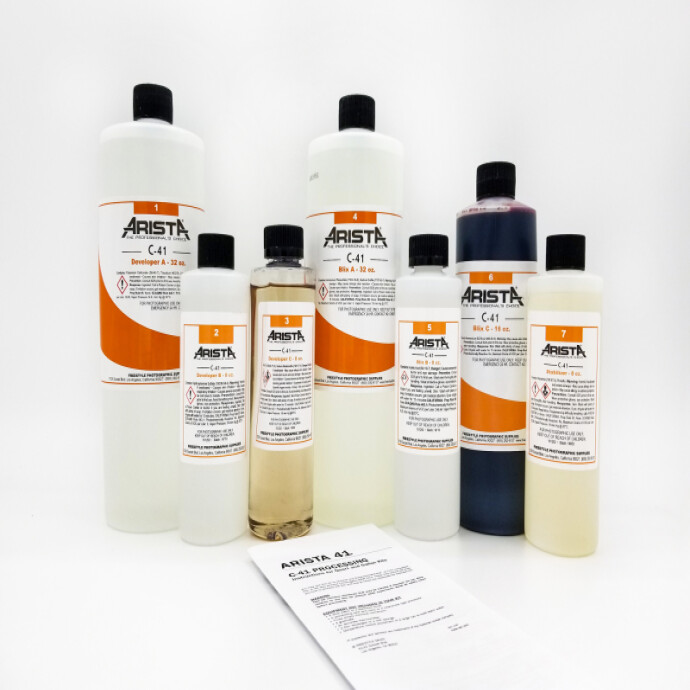
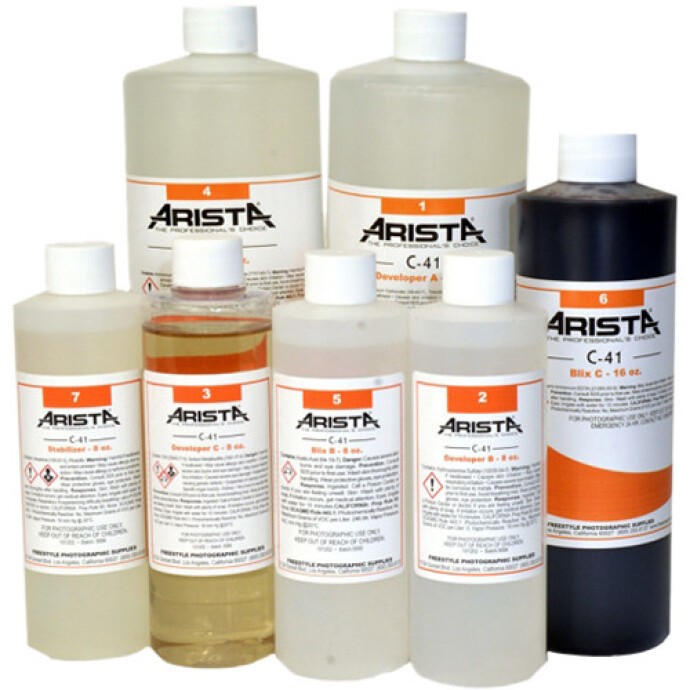
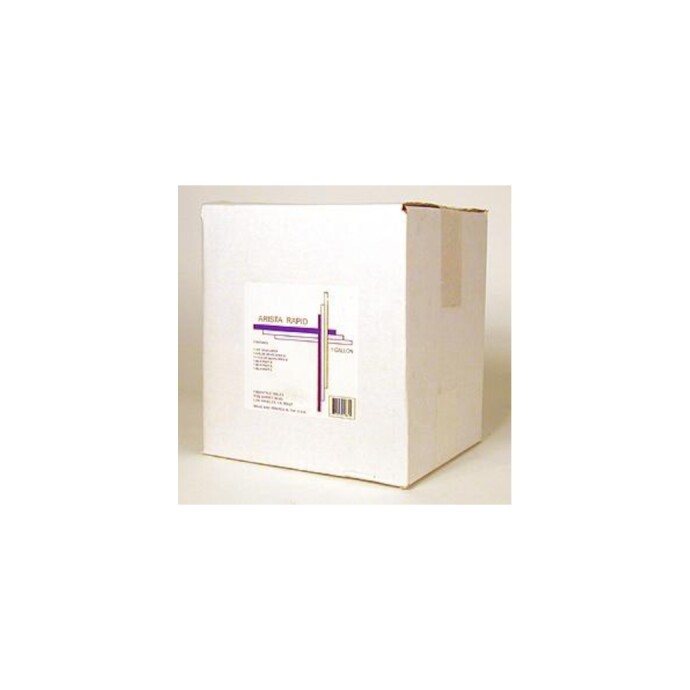
| Spec | Arista C‑41 Liquid Color Negative Developing Kit (1 Gallon) | Arista Rapid E‑6 Slide Developing Kit (1 Gallon) |
|---|---|---|
| Chemistry type | C‑41 color negative | E‑6 color transparency (slide) |
| Mix volume | Up to 1 gallon of working solutions | 1 gallon of working solutions |
| Process temperature | Approx. 100°F / 38°C | Approx. 100°F / 38°C |
| Typical steps | Developer, bleach, fix, final rinse (multi‑bath) | First developer, color developer, blix, final rinse (rapid E‑6) |
| Difficulty | Beginner‑friendly; forgiving latitude | Intermediate; tighter tolerances |
| Image look | Orange‑masked negatives; broad exposure latitude | Positive slides; high saturation and contrast |
| Best for | Everyday color films and easy scanning/printing | Projection, archiving, precise color evaluation |
| Throughput | Efficient in batches; economical per roll | Consistent results when batched closely together |
| Time per roll (in‑tank) | Typically around 10–15 minutes (excluding washing/drying) | Typically around 20–30 minutes (excluding washing/drying) |
Category‑by‑Category Analysis
1) Ease of Setup and Learning Curve
If you’re new to color chemistry, the Arista C‑41 kit is the smoother on‑ramp. C‑41’s exposure latitude and development tolerance are forgiving, so minor temperature drift or small timing errors usually won’t ruin a roll. The Arista Rapid E‑6 kit is absolutely doable at home, but E‑6 first developer is more exacting—small deviations can shift color balance and density.
2) Temperature Control and Consistency
Both kits target about 100°F / 38°C. A stable water bath is the community‑favorite approach: pre‑heat your chemistry, tank, and reels; keep bottles submerged to maintain temp; and agitate consistently. C‑41 tolerates slight variance better, while E‑6 rewards precision with richer, cleaner slides.
3) Look, Latitude, and Output
C‑41 negatives deliver wide dynamic range and are easy to scan and correct. They’re great for family photos, travel, and general shooting. E‑6 slides give you a direct, positive image with that classic pop and neutrality—ideal for projection, light‑table editing, and archival work—but latitude is slimmer, so exposure and processing must be spot‑on.
4) Cost Per Roll and Throughput
Both 1‑gallon kits become very economical when you batch several rolls in close succession and store chemistry carefully. In practice, C‑41 users often feel freer to process smaller batches without stress, whereas E‑6 shines when you plan and run multiple rolls back‑to‑back to keep color consistency tight.
5) Shelf Life and Storage
Store mixed chemistry in full, well‑sealed bottles with minimal air. Label dates and track rolls processed. Community best‑practices include decanting into smaller, air‑tight containers and keeping solutions in a cool, dark place. As a rule of thumb, use solutions sooner rather than later—especially with E‑6—to maintain color accuracy.
6) Troubleshooting: Real‑World Tips
- Color casts: For C‑41, check temperature and developer freshness; for E‑6, verify first developer time/temperature and avoid cross‑contamination.
- Thin or dense results: Re‑calibrate thermometer, confirm agitation schedule, and ensure chemistry is at full working strength.
- Streaks or uneven development: Pre‑soak is optional in color but a thorough pre‑warm helps; load reels dry and agitate gently but consistently.
- Drying marks: Use a proper final rinse and hang in a dust‑free area. Avoid squeegees unless impeccably clean.
7) Starter Accessories and Learning Resources
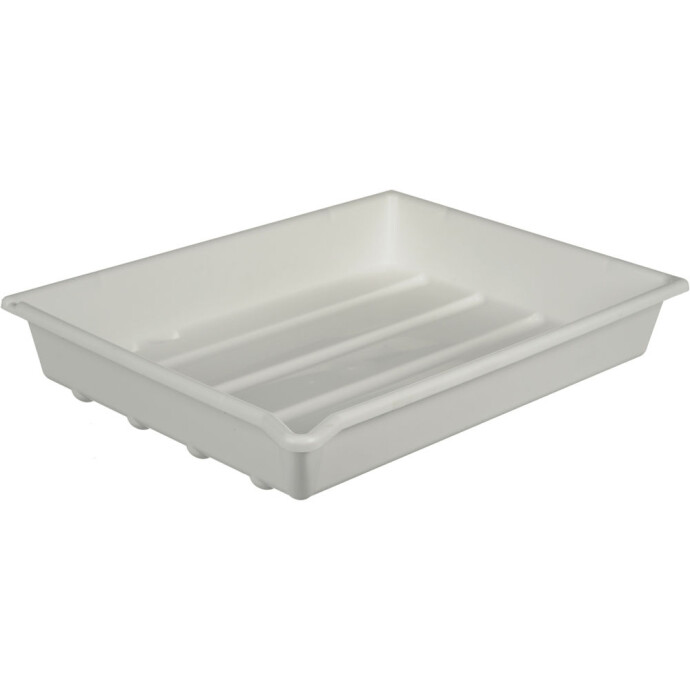
For a tidy, splash‑safe workstation and general darkroom use, a quality tray helps corral tools and bottles near the sink:
Hands‑on instruction accelerates the learning curve. Consider a guided experience to reinforce best practices and avoid early mistakes:
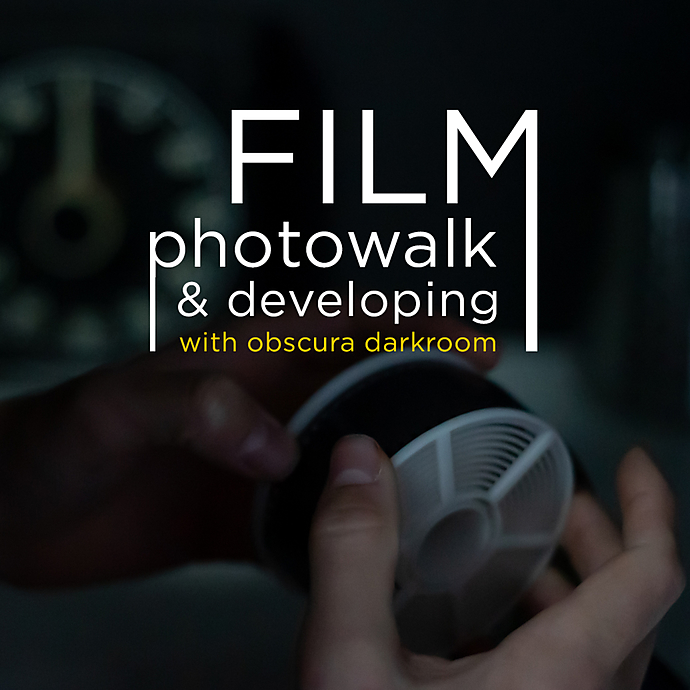
Prefer one‑on‑one help? Unique Photo also offers personalized instruction sessions to get your workflow dialed at home or work.
Our Pick
Best for Beginners: Arista C‑41 Liquid Color Negative Developing Kit (1 Gallon). It’s the most approachable way to learn color at home—more forgiving, easier to scan, and ideal for building confidence. Once your process is consistent, graduate to the Arista Rapid E‑6 Slide Kit for brilliant, projection‑ready transparencies.
Conclusion
Whether you choose the versatility of C‑41 or the slide‑film magic of E‑6, home color processing is well within reach. Start with the kit that fits your goals, keep temperatures steady, and practice in small, well‑planned batches. When you’re ready, Unique Photo is here with chemistry, darkroom essentials, and classes to support your entire journey from first roll to polished results.