Sony’s Lens Compare Beta is one of those tools that can be surprisingly useful when you’re narrowing down focal lengths, checking size differences, or trying to predict how one lens might fit into your real-world workflow. But like any comparison tool, the big question is simple: how accurate are the results once you actually get the gear in hand? After looking at practical use cases across wide-angle, standard zoom, portrait, and fast-prime options, the answer is that the beta can be very helpful—if you know what it does well and where hands-on testing still matters most.
Start by Treating Lens Compare Beta as a Planning Tool
The strongest use of Sony Lens Compare Beta is pre-purchase planning. It gives you a solid visual sense of how lenses relate to each other in size, likely framing differences, and category placement. For example, if you’re deciding between a compact wide-angle option like the Used Sony FE 16-25mm f/2.8 G Lens - Excellent and a more general-purpose zoom like the Used Sony FE 24-70mm f/2.8 GM - Excellent, the tool can quickly clarify that these lenses serve very different shooting priorities.
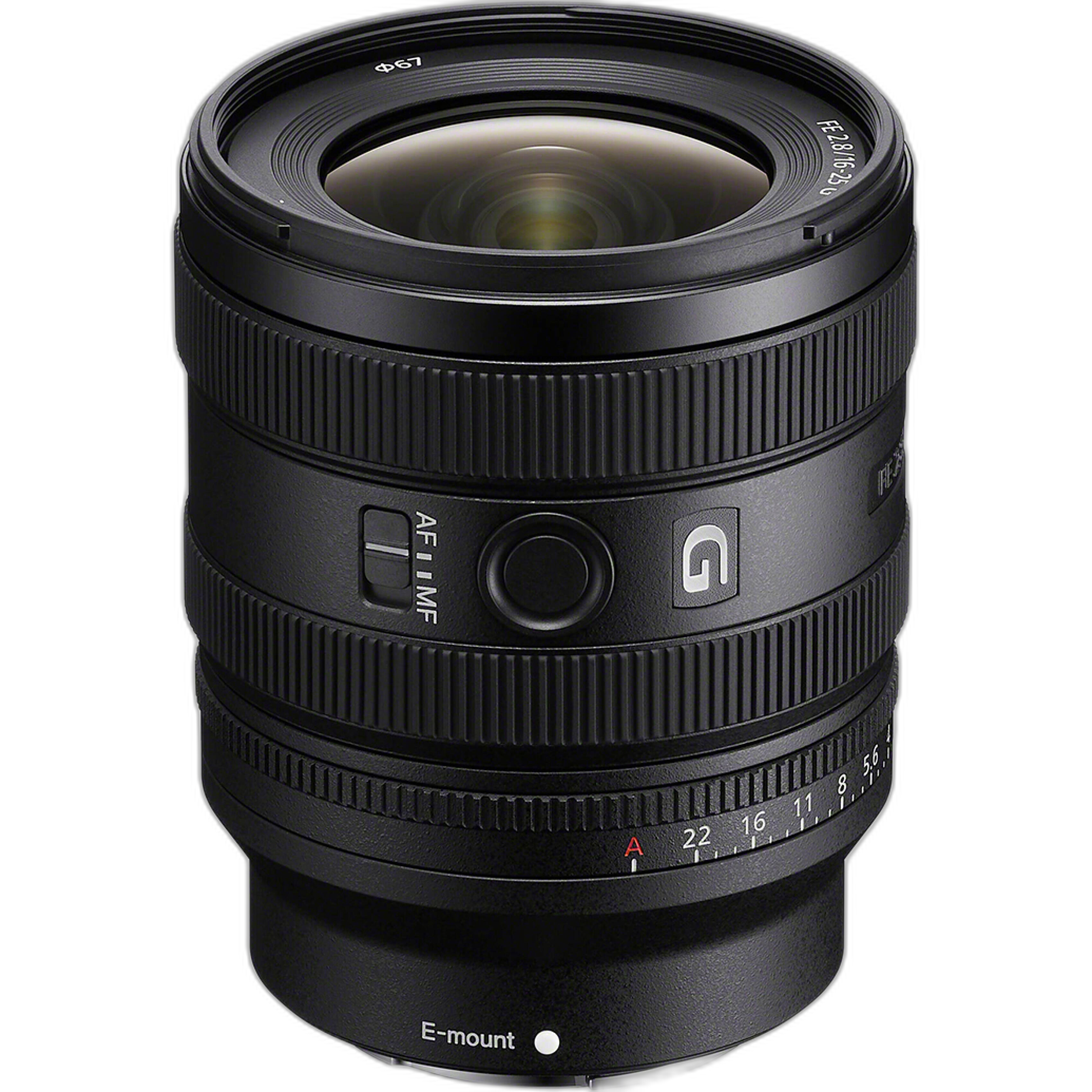
What it won’t fully tell you is how those lenses feel during a long shoot, how quickly you adapt to the focal range, or whether the balance on your camera body matches your shooting style. In that sense, the beta is usually directionally accurate, but not a substitute for actually mounting the lens and shooting with it.
Tip 1: Compare Focal Lengths First, Not Just Lens Families
Use the tool to understand what you gain—and lose—by changing focal lengths
One of the most accurate parts of the Lens Compare Beta experience is understanding the practical gap between focal lengths. If you compare something ultra-wide like the Used Zeiss Batis 18mm f/2.8 for Sony E - Like New against the wider end of the Used Sony FE 16-25mm f/2.8 G Lens - Excellent, you can get a realistic sense of how much environmental context you’ll capture.
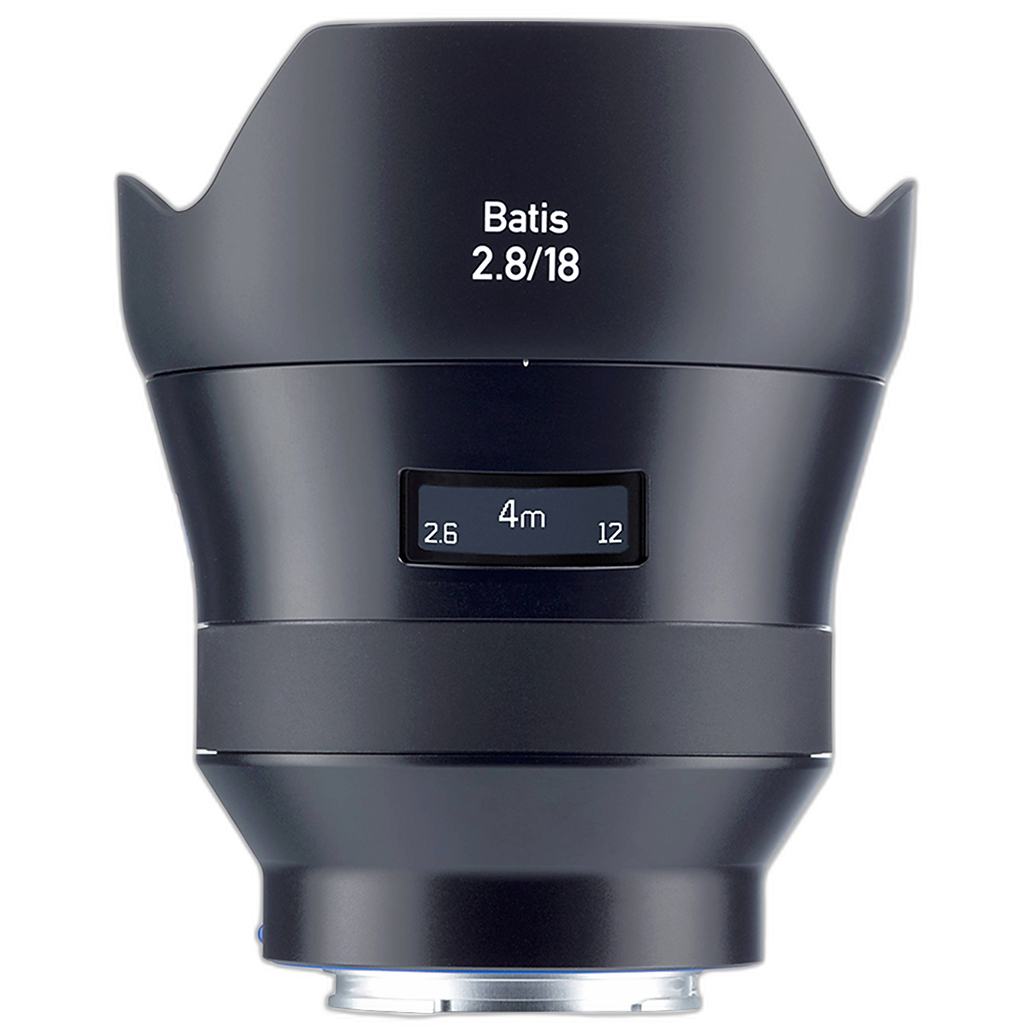
In real shooting, these differences usually feel just as meaningful as the tool suggests. That’s especially true for architecture, interiors, travel, and gimbal work. Where users sometimes overestimate the beta’s precision is assuming that framing alone tells the whole story. Distortion rendering, corner character, and perspective handling can still feel very different in practice, even when focal lengths appear close on paper.
Tip 2: Expect Size Comparisons to Be Helpful, but Handling to Vary in Real Life
Physical dimensions are useful, but balance is harder to simulate
If you compare a compact wide zoom with a larger standard zoom or a heavier portrait prime, the beta is generally good at showing relative physical scale. That matters if you’re building a travel kit or trying to keep a setup comfortable for event coverage.
For instance, the Used Sony FE 24-70mm f/2.8 GM - Excellent is a classic do-it-all pro zoom, while a lens like the Used Sony FE 85mm f/1.4 GM - Excellent is more specialized and typically chosen for portrait separation and rendering. The tool can show that these are not interchangeable from a size and purpose standpoint, and that part tends to hold up very well once you use them.
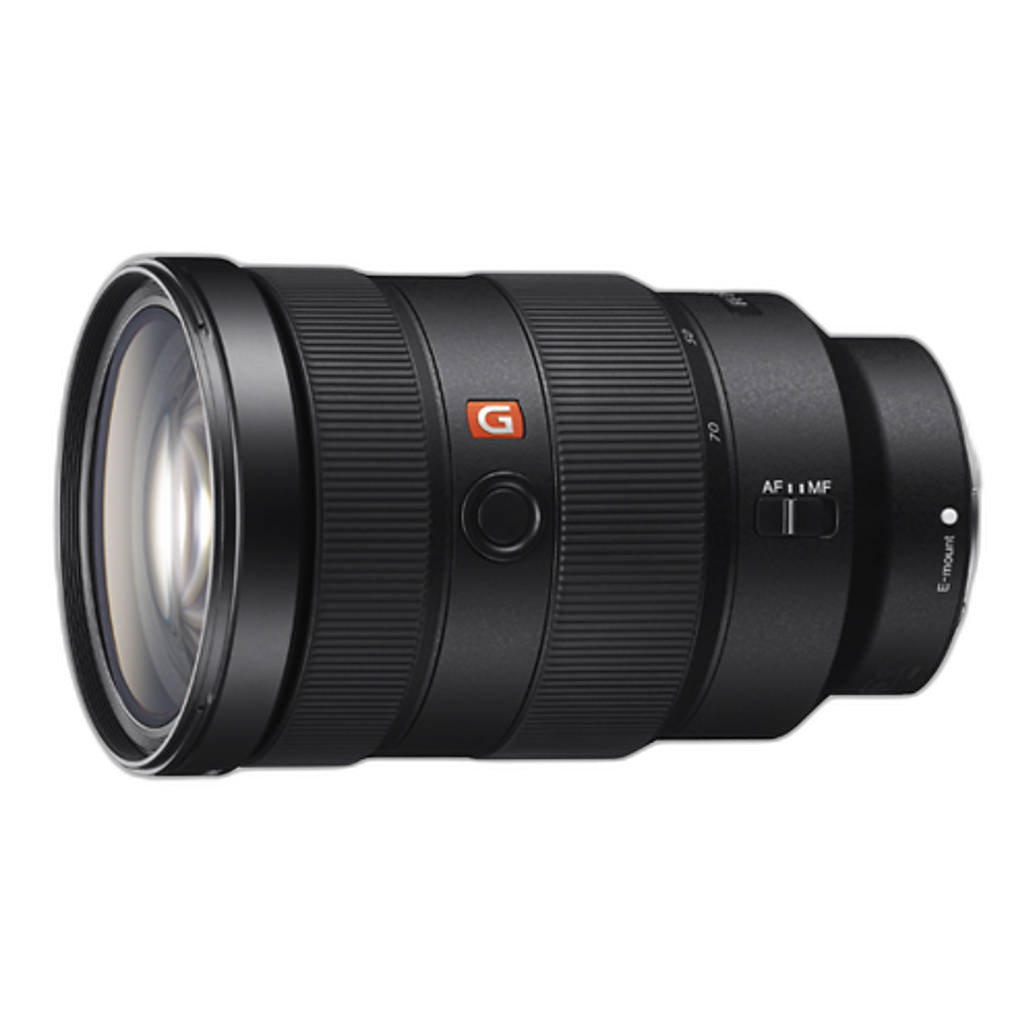
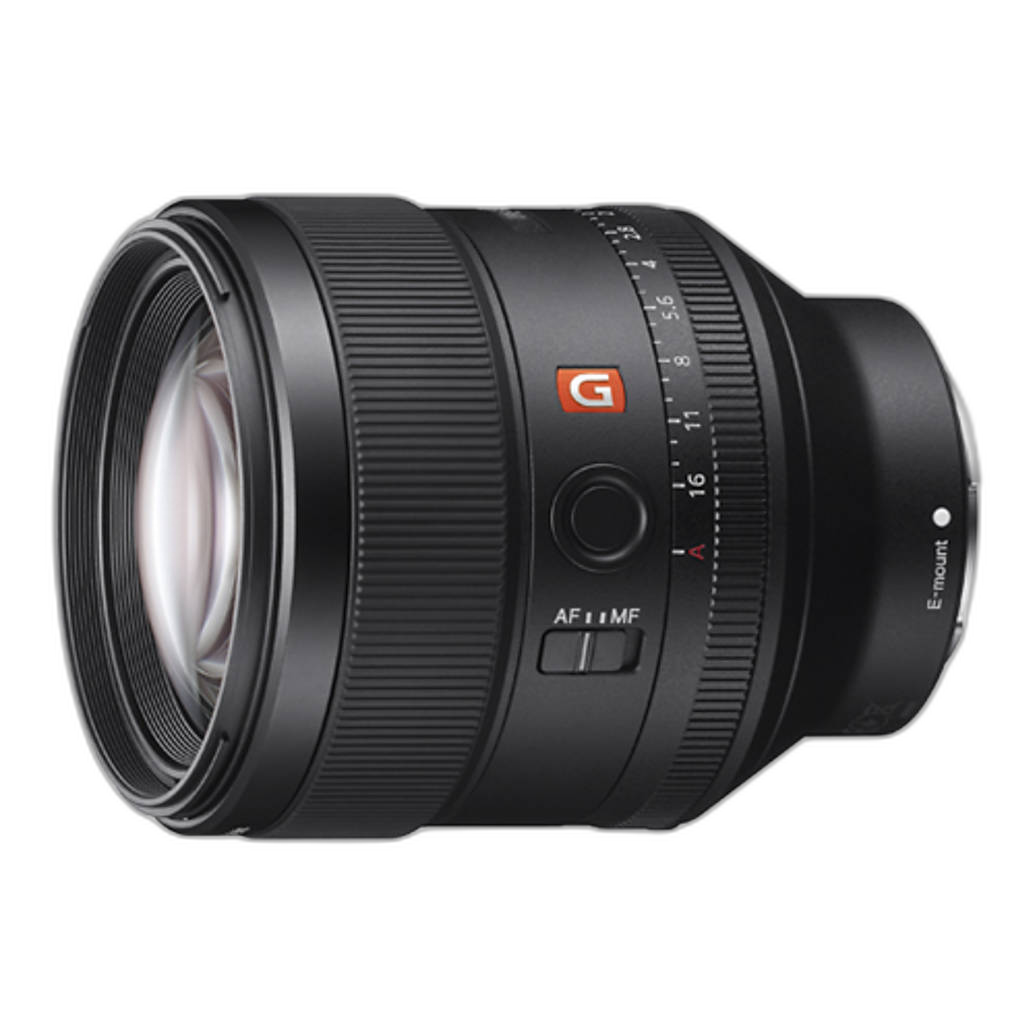
Still, actual handling depends on body choice, grip style, shooting posture, and whether you work handheld for hours at a time. A lens that looks manageable in comparison graphics may feel front-heavy in active use. So the results are accurate visually, but ergonomics still need hands-on confirmation.
Tip 3: Fast Primes Reveal Where the Beta Is Most Limited
Rendering style, focus feel, and subject separation need real-world testing
Fast primes are where Sony Lens Compare Beta becomes more of a rough guide than a final judge. Comparing the Sigma 50mm f/1.4 EX DG HSM Standard Lens for Sony - Black with a portrait-oriented option like the Used Sony FE 85mm f/1.4 GM - Excellent or the dramatic Used Sigma 105mm f/1.4 DG HSM Art Lens for Sony E - Excellent can help you see intended use differences, but the real signature of these lenses shows up in the files.
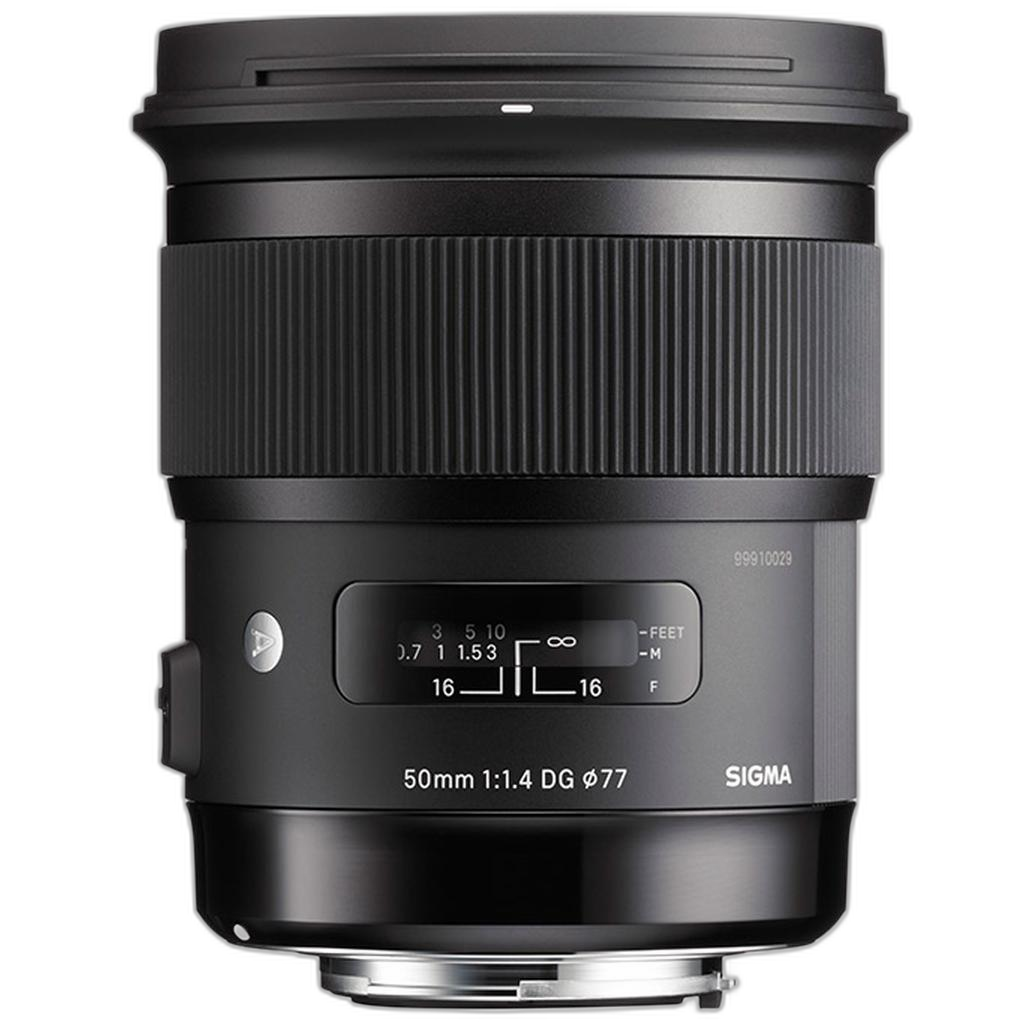
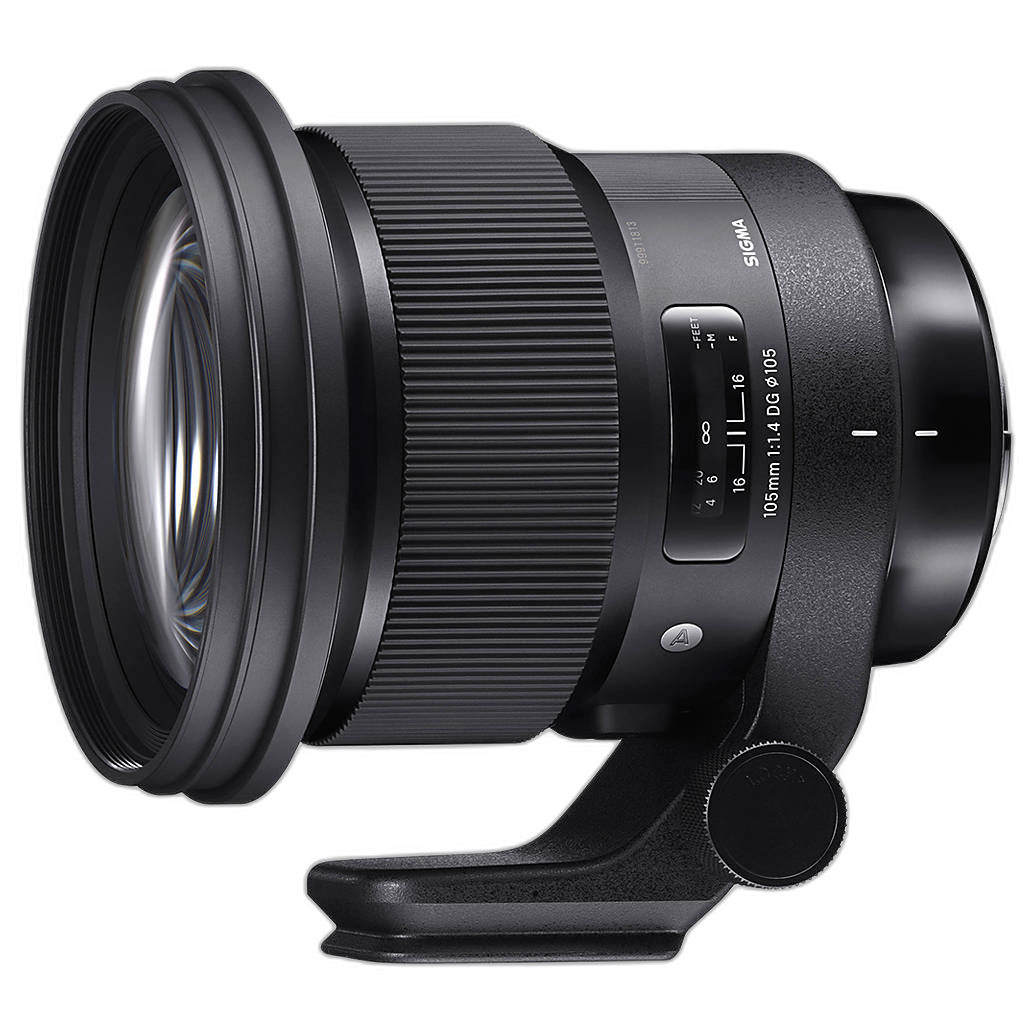
In practice, bokeh transition, contrast, highlight roll-off, and how a lens draws a face are what buyers care about most. A 50mm f/1.4 can feel flexible and natural, an 85mm f/1.4 can feel classic and flattering, and a 105mm f/1.4 can create that especially compressed, high-separation look portrait shooters love. The beta may suggest these distinctions, but it cannot fully measure aesthetic preference. This is one area where its accuracy is inherently limited.
Tip 4: Use It to Build Lens Pairings, Not Just One-to-One Comparisons
The best results often come from planning a kit around complementary roles
One smart way to use Lens Compare Beta is to think in pairs. Instead of asking, “Which single lens is better?” ask, “Which lens completes my kit?” A shooter using the Used Sony FE 24-70mm f/2.8 GM - Excellent might compare adding the Used Sony FE 85mm f/1.4 GM - Excellent for portraits, or the Used Sony FE 16-25mm f/2.8 G Lens - Excellent for travel and interiors.
That kind of comparison tends to be very accurate because the tool is strongest when helping identify overlap and gaps. If you already cover 24-70mm, the beta will make it obvious that an 85mm brings subject isolation more than range expansion, while a 16-25mm expands your field of view in a way you’ll immediately notice on location.
Tip 5: Video Shooters Should Cross-Check with Real Camera Use
Lens comparison matters differently when shooting motion
For hybrid and cinema users, the Lens Compare Beta can still be useful—but video introduces variables that static comparison tools don’t fully convey. Mounted on a body like the Sony FX5 Cinema Camera with XLR Handle Unit, lens choice affects not just framing but focus breathing perception, rig balance, gimbal setup, and how smoothly you can operate during long takes.
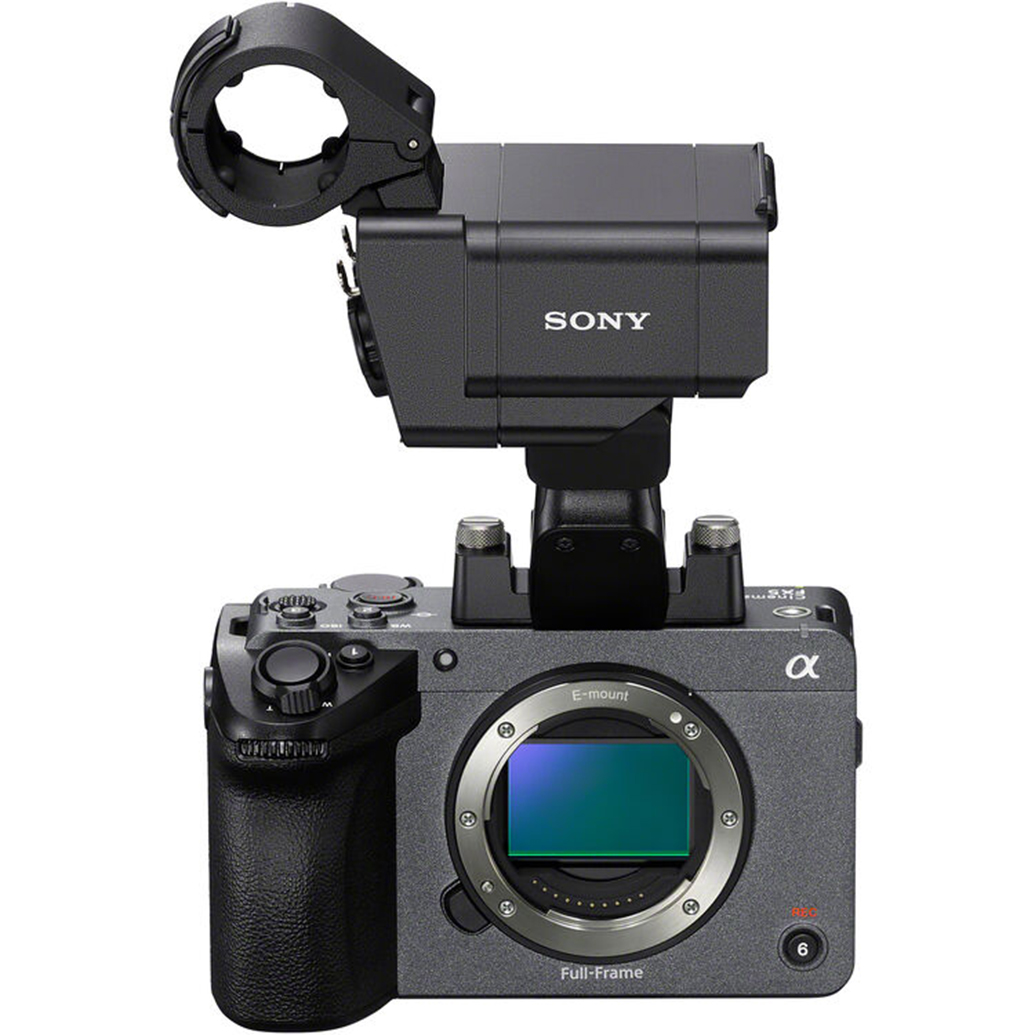
A wide option such as the Used Sony FE 16-25mm f/2.8 G Lens - Excellent may look ideal in a side-by-side comparison for handheld establishing shots, while the Used Sony FE 24-70mm f/2.8 GM - Excellent may appear more versatile for interviews and documentary coverage. Those assumptions are often correct, but operational behavior matters just as much as focal length. If video is your main priority, treat the beta as the first step, then confirm with real footage tests whenever possible.
Tip 6: Used Gear Comparisons Make the Tool Even More Practical
When buying used, compare use case first and condition second
Lens Compare Beta becomes especially helpful when you’re shopping used equipment because it keeps you focused on the shooting result before you get distracted by condition grading alone. For example, both the Used Sigma 105mm f/1.4 DG HSM Art Lens for Sony E - Excellent and the Used Fair Sigma 105mm f/1.4 DG HSM Art Lens for Sony E point to the same optical idea: a bold, high-impact portrait lens with standout subject separation.
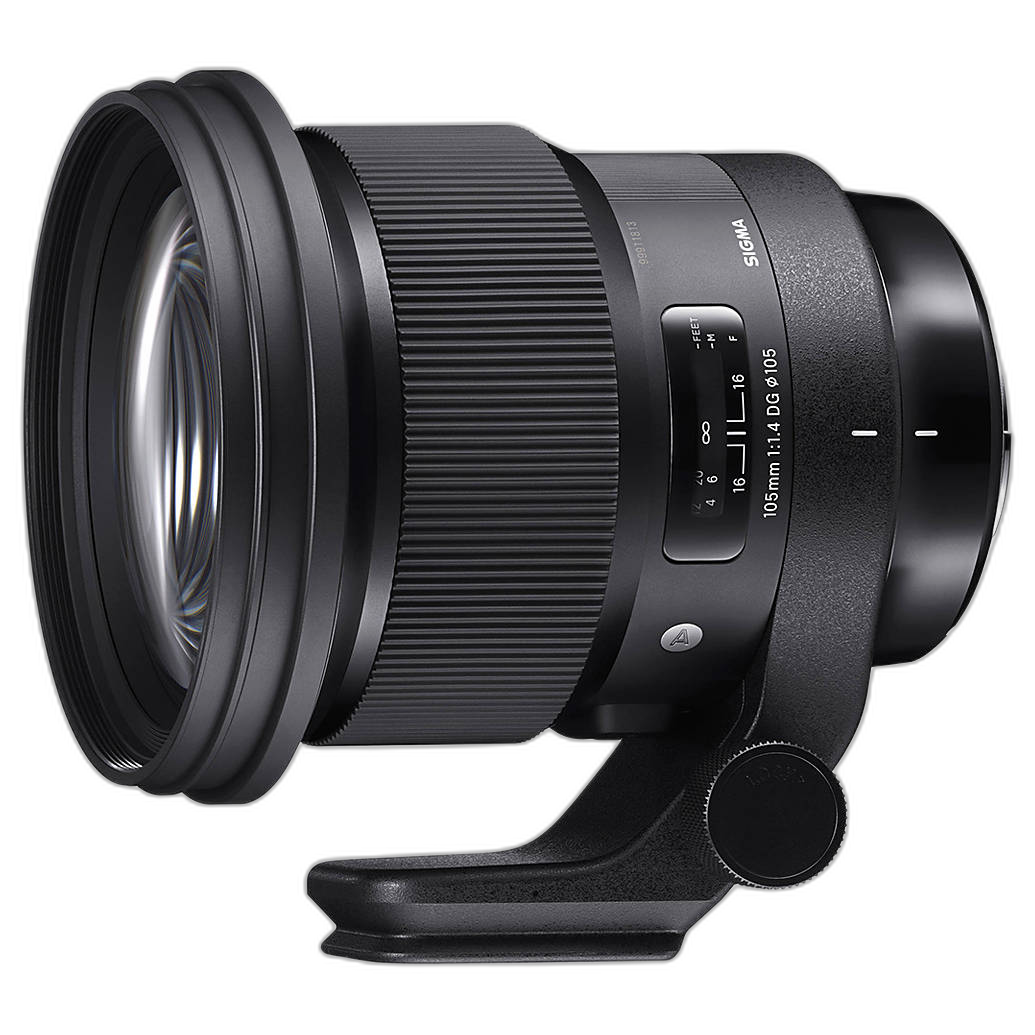
That means the comparison process should start with whether 105mm f/1.4 is truly the right fit for your style. Once the beta helps answer that, you can more confidently decide whether an excellent or fair used copy makes the most sense for your budget. In that workflow, the tool is very accurate at helping define the category of lens you need.
Tip 7: Trust the Beta Most for Broad Decisions, Least for Nuanced Image Character
It’s strong on categories and weaker on personality
After hands-on use, the clearest takeaway is that Sony Lens Compare Beta is best at confirming broad purchasing decisions. It does a good job showing whether you need wider coverage, more reach, a faster aperture, or a more compact setup. It is less definitive when the decision comes down to taste—things like micro-contrast, color rendering, bokeh style, and the emotional “feel” of a lens.
That’s why tools like this work especially well when comparing categories such as 18mm versus 24-70mm coverage, or standard zoom versus portrait prime. They’re less final when comparing artistic choices between a 50mm, 85mm, and 105mm fast prime where all three may technically perform well but produce very different creative results.
Conclusion
Sony Lens Compare Beta is accurate enough to be genuinely useful, especially for narrowing focal lengths, identifying kit overlap, and visualizing size differences before you buy. Where it becomes less precise is in the areas photographers and filmmakers often care about most: handling feel, rendering style, and the subtle character that only shows up in real-world shooting. Use it as a smart starting point, then back it up with hands-on experience whenever you can. If you’re ready to compare options for your next Sony setup, Unique Photo is a great place to explore new and used lenses, build a more intentional kit, and get closer to the gear that matches how you actually shoot.