Sony’s Lens Compare Beta is a promising idea: put multiple lenses side by side, check focal lengths and specs, and get a quicker sense of which tool fits your style. But as many photographers have already noticed, a comparison tool is only as useful as the real-world information it includes. If you’ve ever tried deciding between a compact standard zoom, a telephoto workhorse, or a specialty super-tele and felt like the beta version stopped just short of answering your biggest questions, you’re not alone.
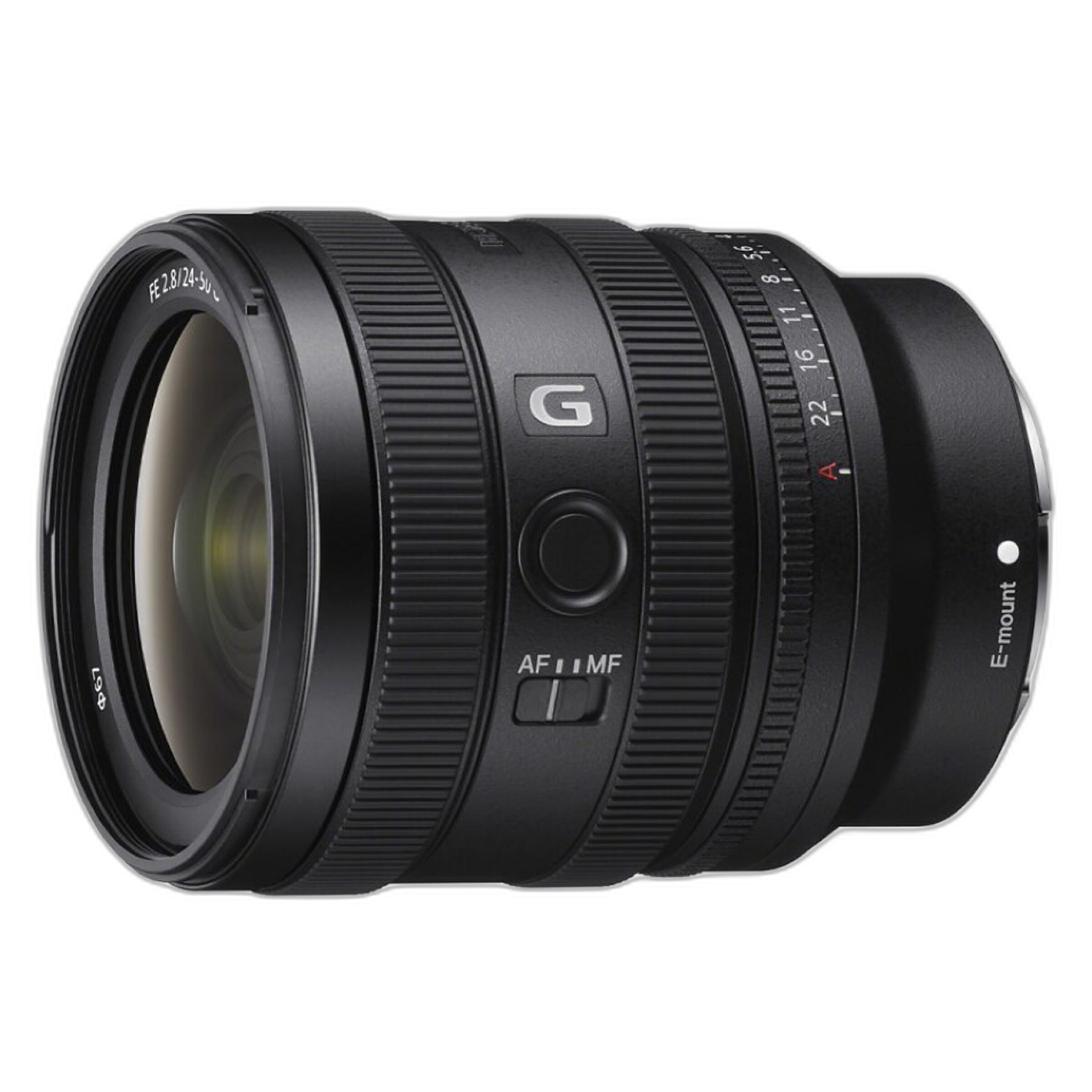
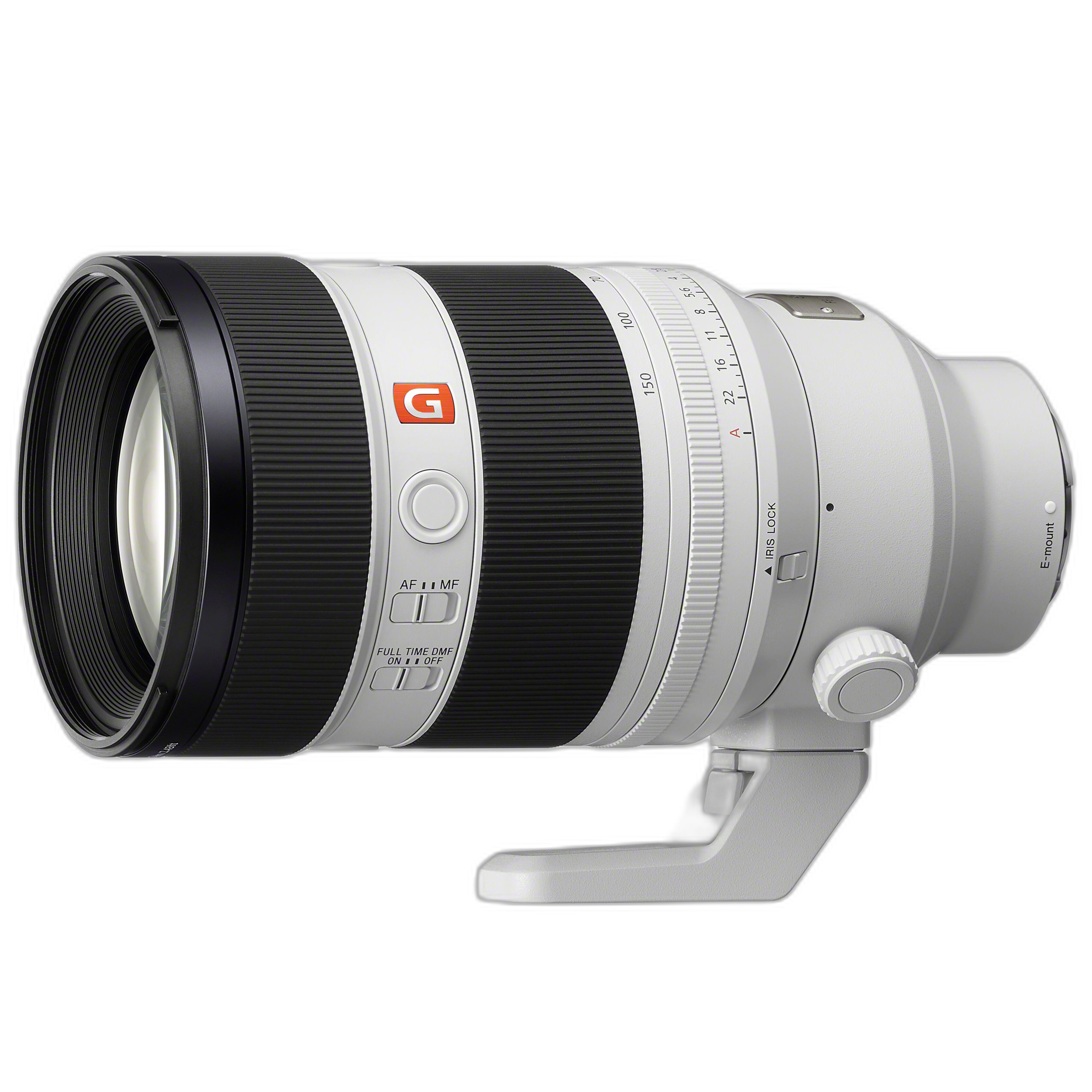
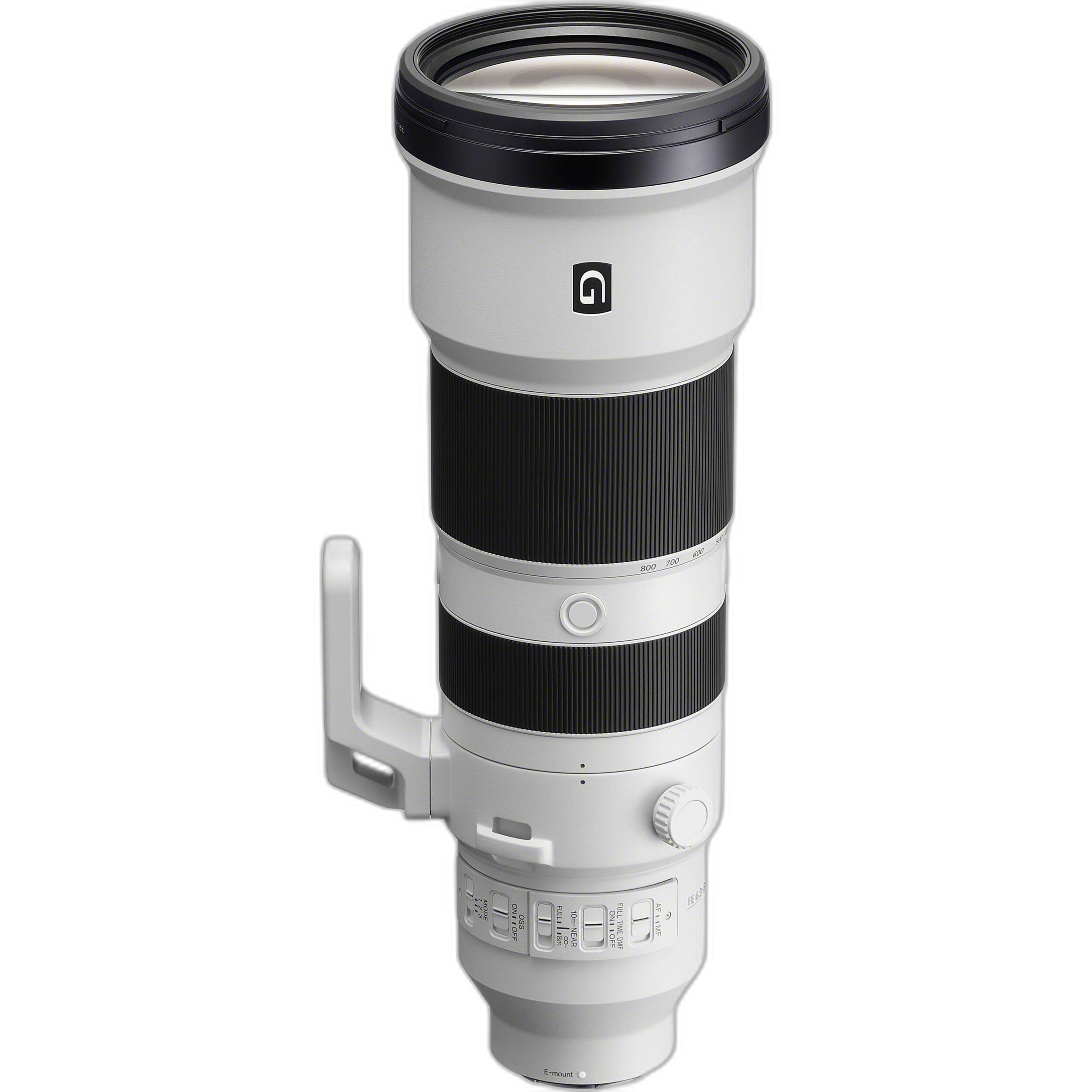
Below are a few practical tips for evaluating what’s missing, what could be improved, and how shoppers can think more critically while comparing lenses like the Sony FE 24-50mm f/2.8 G Lens, Sony FE 70-200mm f/4 Macro G OSS II Lens, Sony FE 50-150mm F2 GM Lens, Sony FE 400-800mm f/6.3-8 G OSS Lens, and Sony FE 600mm F4.0 GM OSS Lens.
What a Better Lens Comparison Tool Should Show
1. Ask for real-world size and handling comparisons
One of the biggest limitations in many beta comparison tools is that they focus heavily on specs but don’t help enough with physical context. On paper, a lens may look ideal. In practice, handling can completely change your decision.
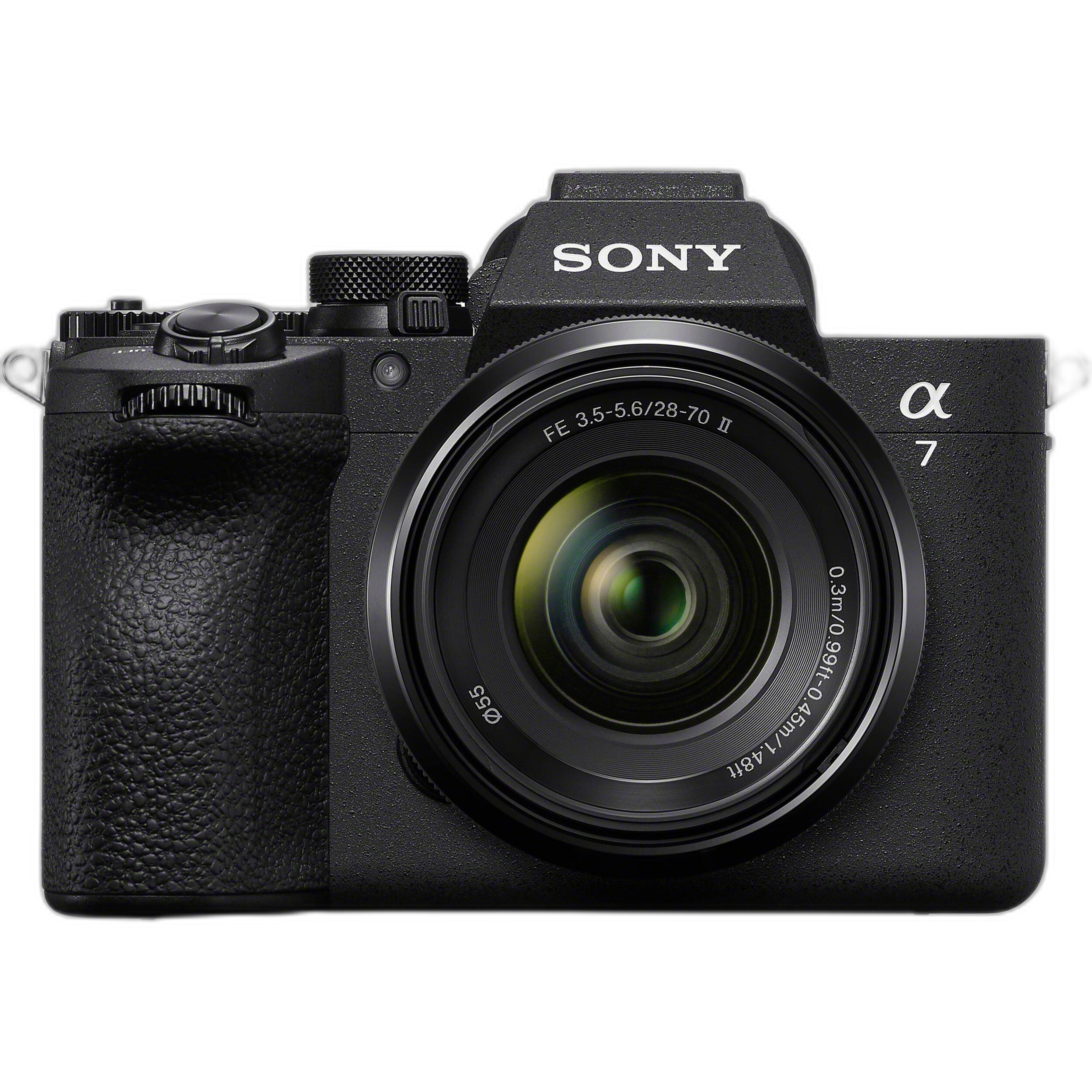
- How does it balance on a body like the Sony a7 V Mirrorless Camera with 28-70mm II Lens?
- Is it comfortable for long handheld sessions?
- Does it feel travel-friendly or more tripod-oriented?
That matters a lot when comparing something compact like the Sony FE 24-50mm f/2.8 G Lens against a much larger option like the Sony FE 50-150mm F2 GM Lens. A better Lens Compare Beta should include overlay views, mounted-on-camera visuals, and more dimensional comparisons beyond simple numerical measurements.
2. Look for missing context on intended use
Another feature many photographers want is clearer guidance on who each lens is really for. Specs alone don’t always tell the full story. A tool may compare focal length, aperture, and weight, but leave out practical shooting scenarios.
For example:
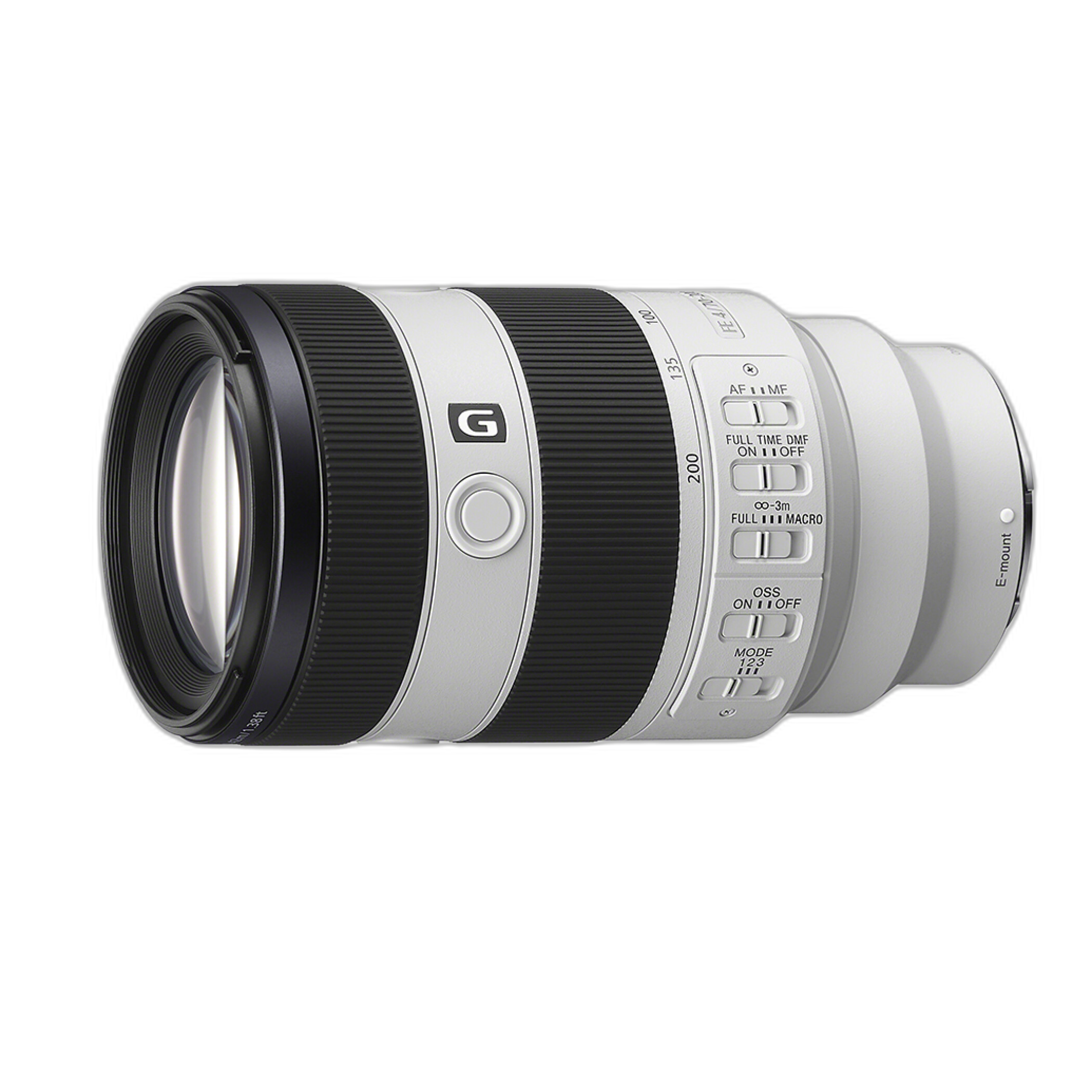
- The Sony FE 70-200mm f/4 Macro G OSS II Lens may appeal to hybrid shooters, event photographers, and close-up creators who value flexibility.
- The Sony FE 400-800mm f/6.3-8 G OSS Lens is a dramatically different lens aimed more toward wildlife, birding, and distant action.
- The Sony FE 600mm F4.0 GM OSS Lens serves a premium pro audience where speed and subject isolation matter immensely.
A smarter comparison page would explain those use cases directly instead of expecting shoppers to interpret every specification on their own.
3. Push for better image quality examples at multiple settings
This is probably one of the most requested improvements: more sample images, and not just one or two polished marketing examples. Photographers want to see how lenses behave across the frame and across the zoom range.
A more useful beta tool would include:
- Sharpness at center, mid-frame, and corners
- Bokeh comparisons
- Flare resistance
- Chromatic aberration examples
- Focus breathing demonstrations for video users
- Performance at different apertures and focal lengths
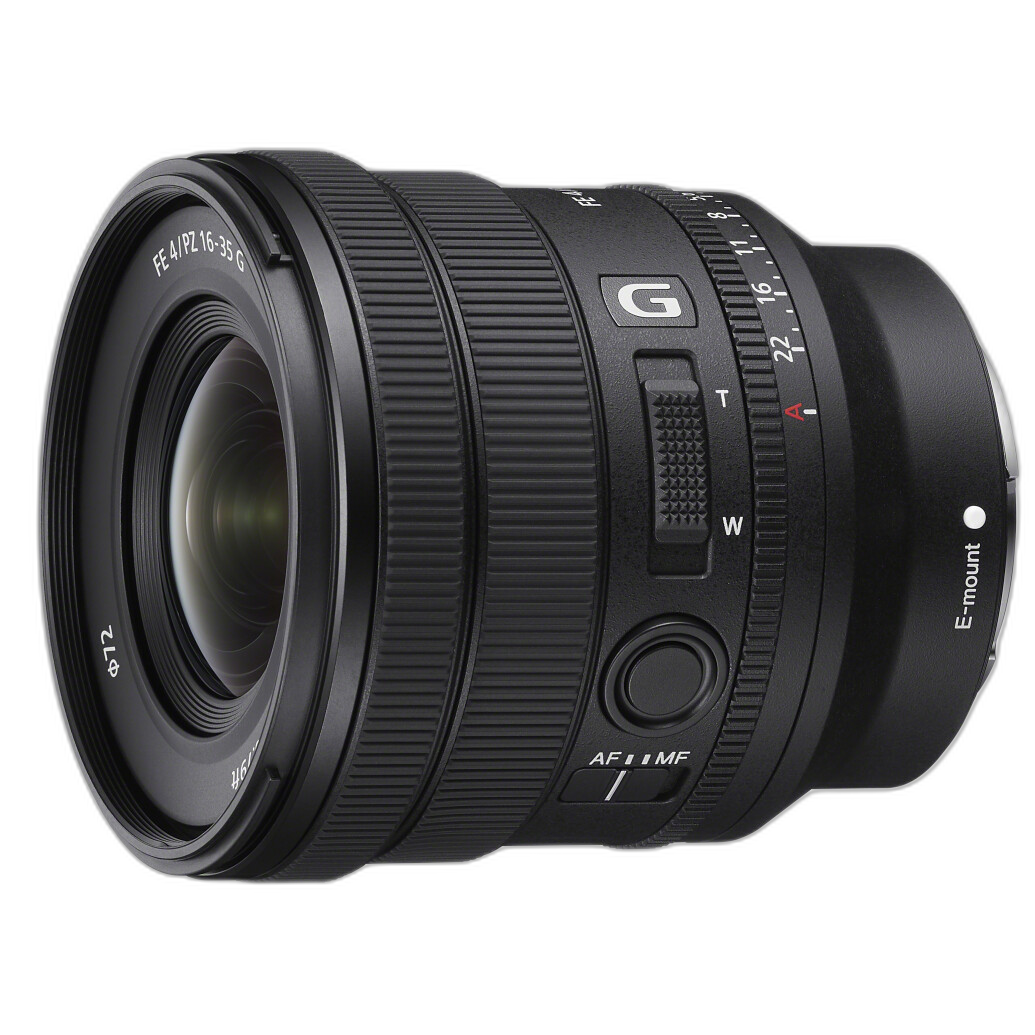
That would be especially valuable when deciding between versatile zooms like the Sony FE 24-50mm f/2.8 G Lens and the Used Sony FE PZ 16-35mm f/4 G Lens - Excellent, where the workflow differences for stills, vlogging, and video can be significant.
4. Don’t let the tool ignore autofocus and stabilization behavior
Modern lens buying decisions often come down to more than optical formulas. Autofocus speed, tracking consistency, breathing control, OSS performance, and subject acquisition all matter in the field.
When photographers compare lenses such as the Sony FE 50-150mm F2 GM Lens and Sony FE 70-200mm f/4 Macro G OSS II Lens, they often want to know:
- Which lens feels faster for sports or portraits?
- How well does it track eyes or moving subjects?
- How stable is the viewfinder at longer focal lengths?
- How much breathing is visible for video pulls?
If Sony Lens Compare Beta doesn’t surface that kind of operational data, it leaves out some of the most decision-making information buyers care about.
5. Request side-by-side comparisons that reflect actual buying choices
Sometimes comparison tools feel too generic because they treat every lens as equally related. In reality, photographers usually compare a short list based on budget, use case, and system growth.
A stronger comparison experience would suggest more realistic matchups, such as:
- Sony FE 24-50mm f/2.8 G Lens vs. a wider compact zoom for travel and everyday work
- Sony FE 70-200mm f/4 Macro G OSS II Lens vs. Sony FE 50-150mm F2 GM Lens for portraits, events, and hybrid shooting
- Sony FE 400-800mm f/6.3-8 G OSS Lens vs. Sony FE 600mm F4.0 GM OSS Lens for wildlife shooters deciding between range and speed
These are the kinds of choices people actually make. Tools should reflect those paths instead of only delivering broad spec tables.
6. Ask for better budget and value indicators
Many users don’t just want to know which lens is “better.” They want to know which lens is the better value for their type of photography. A beta comparison tool could become far more useful by showing practical value cues:
- Entry point into a focal range
- Best travel option
- Best for professional action work
- Best for hybrid photo/video creators
- Best used-market alternative
For some shoppers, a pre-owned option like the Used Sony FE PZ 16-35mm f/4 G Lens - Excellent may make more sense than stretching the budget immediately. A comparison tool that includes condition, used-versus-new value, and system-building advice would be a big win.
7. Remember that lenses are creative tools, not just data points
One overlooked issue with comparison tools is that they can flatten the emotional and creative side of lens choice. Numbers matter, but so does the way a lens encourages you to shoot. A compact zoom invites carry-everywhere spontaneity. A 600mm prime invites dedication and precision. A flexible telephoto zoom may open doors for portraits one day and macro-style details the next.
That’s why many photographers still supplement spec charts with inspiration from books, portfolios, and field examples. Even something like You Are What You Do - Daniel Arnold is a reminder that gear decisions ultimately serve personal vision. The best compare tool would connect technical comparison with actual image-making outcomes.

What We’d Love Sony Lens Compare Beta to Add Next
If Sony continues developing the beta, some of the most useful additions would be:
- Mounted size comparisons on camera bodies
- Side-by-side sample galleries by focal length and aperture
- Autofocus, breathing, OSS, and video performance notes
- Real-world use-case labels
- Travel, portrait, wildlife, sports, and hybrid recommendations
- New vs. used value options
- Better filtering for lens families and realistic alternatives
Those changes would make the tool more than a spec sheet. They’d make it a genuinely helpful buying companion.
Final Thoughts
Sony Lens Compare Beta is a good start, but photographers clearly want more than basic side-by-side numbers. If you’re comparing lenses for your next setup, think beyond focal length and maximum aperture. Consider handling, autofocus, stabilization, creative fit, and long-term value across lenses like the Sony FE 24-50mm f/2.8 G Lens, Sony FE 70-200mm f/4 Macro G OSS II Lens, Sony FE 50-150mm F2 GM Lens, Sony FE 400-800mm f/6.3-8 G OSS Lens, and Sony FE 600mm F4.0 GM OSS Lens.
If you’re still narrowing down your options, Unique Photo is a great place to explore Sony gear, compare new and used choices, and get closer to the lens that really matches how you shoot.