When you need smoother footage on the move, the big question is often whether to invest in a handheld gimbal or rely on a camera system with lens-based or in-camera stabilization. The right answer depends on how you shoot, how quickly you need to react, your budget, and whether you prioritize flexibility or simplicity. For many photographers and videographers, especially those covering events, sports, news, and run-and-gun productions, a compact handheld camcorder with an integrated stabilized lens can be a smarter and faster solution than building out a separate gimbal rig.
Below are practical tips to help you compare the two approaches and choose the best fit for your mobile workflow.
1. Start by matching the stabilization method to your shooting style
Think about movement, not just smoothness
A handheld gimbal is ideal when you want floating, cinematic movement while walking, tracking subjects, or creating dramatic reveals. It actively counters shake across multiple axes, which makes it especially useful for moving shots that would otherwise feel bouncy or uneven.
On the other hand, stabilized lenses and compact handheld camcorders are often better when your shooting involves frequent reframing, fast zoom changes, quick shoulder-to-hand transitions, or long stretches of handheld coverage. Cameras like the JVC GY-HC500U and JVC GY-HC550 are built for professional run-and-gun operation, where stability matters but speed matters just as much.
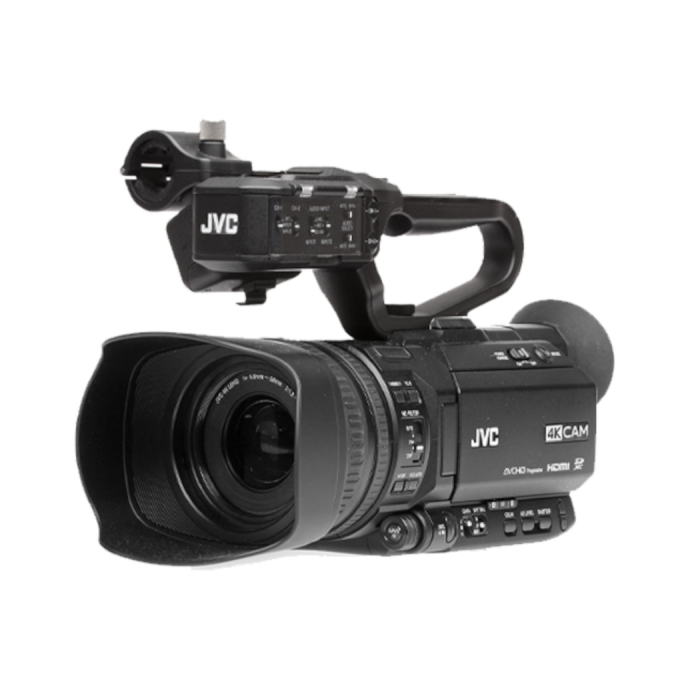
If your assignments involve documentary work, live events, interviews, or ENG-style coverage, a handheld camcorder with an integrated lens can feel more practical than balancing a separate camera and lens on a gimbal every time you change locations.
2. Compare setup time before you compare specs
Fast deployment can matter more than maximum stabilization
Gimbals can deliver excellent results, but they also require balancing, battery management, tuning, and sometimes rebalancing when you change lenses or add accessories. That is manageable on planned shoots, but it can slow you down in unpredictable environments.
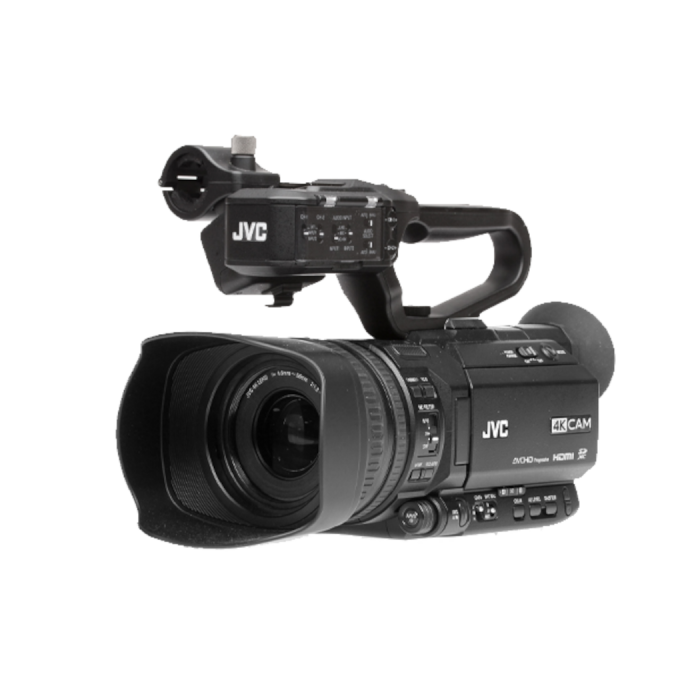
A compact all-in-one option like the JVC GY-HM170U or JVC GY-HM180U lets you power on and start shooting quickly, with an integrated zoom lens already matched to the body. For creators who need to capture moments as they happen, that convenience is a real advantage.
- Choose a gimbal if your production allows setup time and you want polished moving shots.
- Choose a stabilized handheld camera if you need to react instantly and keep your kit simple.
3. Factor in the true cost of your rig
Price is about the whole system, not just one accessory
At first glance, a gimbal may seem like the more affordable path. But in practice, the total cost can rise once you add compatible cameras, lenses, cages, focus motors, mounting accessories, spare batteries, and time spent configuring everything.
By contrast, a camera such as the JVC GY-HM250U or JVC GY-HM250SP combines lens, body, and operational ergonomics in one package. That kind of integrated design can deliver better overall value for shooters who need a dependable handheld setup without buying into a larger support ecosystem.
When comparing price, ask yourself:
- Do I already own a camera and lens combination suited for a gimbal?
- Will I need extra accessories to make the gimbal practical in the field?
- Would an all-in-one camcorder reduce both gear cost and downtime?
4. Consider zoom versatility in real-world shooting
Integrated zoom lenses can outperform gimbals in fast-paced coverage
One of the biggest tradeoffs in the gimbal-versus-stabilized-lens debate is zoom usability. Gimbals are strongest with compact, balanced setups and often work best when you stay at a fixed focal length or make only minimal lens changes. But many real-world jobs demand quick zooming from wide establishing shots to tight details.
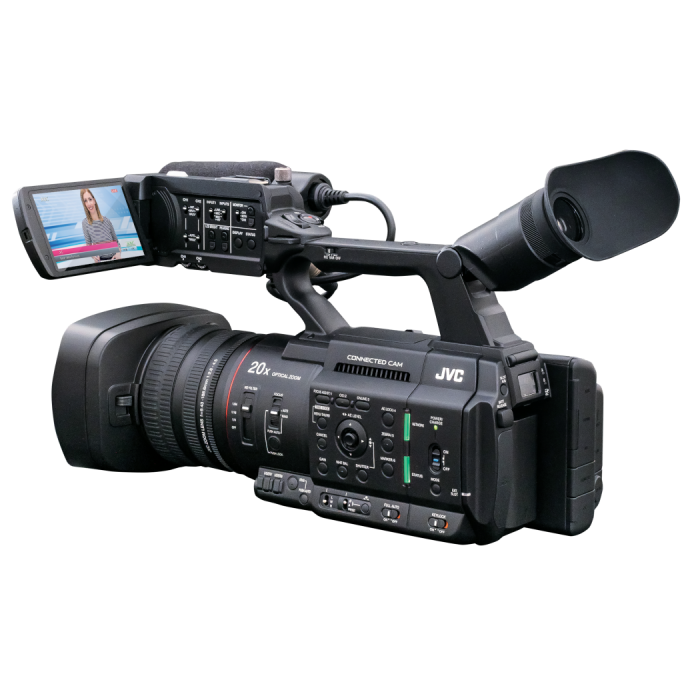
That is where handheld camcorders with integrated zoom lenses stand out. The JVC GY-HC500MC offers a 20x zoom in a handheld form factor, making it especially useful for situations where subjects move unpredictably or where you cannot physically reposition yourself easily.
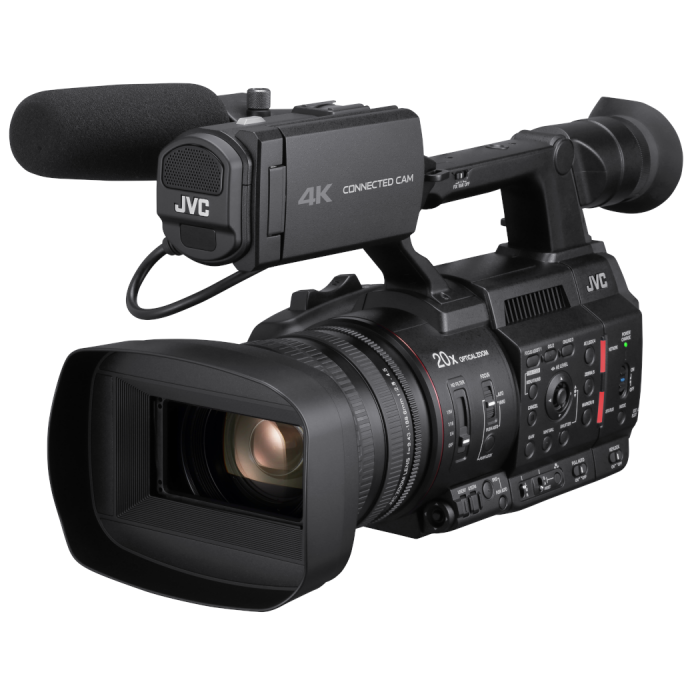
If you shoot sports, conferences, ceremonies, or field productions, a stabilized integrated zoom may be more useful than the ultra-smooth motion of a gimbal.
5. Understand what each stabilization technology actually does
Gimbals and stabilized lenses solve different problems
A handheld gimbal stabilizes the camera body externally, correcting pitch, roll, and yaw as you move. This is excellent for walking shots and dynamic camera movement.
A stabilized lens or handheld camcorder system works internally or optically to reduce shake from your hands. It will not create the same floating effect as a gimbal, but it often preserves more natural camera movement and can be easier to control for documentary or broadcast-style footage.
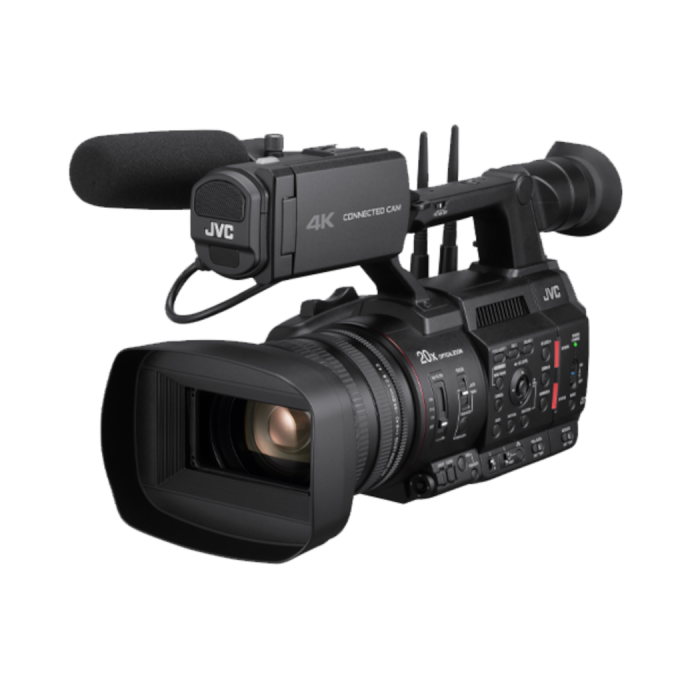
The JVC GY-HC550 and JVC GY-HC500SPCU fit well into workflows where stable handheld capture, reliable operation, and professional connectivity are more important than stylized movement.
A useful rule of thumb:
- Use a gimbal to smooth out motion while moving through space.
- Use stabilized lenses or integrated handheld systems to reduce shake while maintaining fast, natural shooting control.
6. Prioritize ergonomics for long shoots
Comfort affects footage quality more than many creators expect
Even the best stabilization tech cannot help much if your hands, wrists, and arms fatigue quickly. Gimbals can become tiring over long sessions, especially during weddings, events, and all-day productions. They also encourage a different operating posture that may not feel natural to every shooter.
Purpose-built handheld camcorders such as the JVC GY-HM170U, JVC GY-HM250U, and JVC GY-HC500U are designed for practical handheld use, with side grips, zoom rockers, and controls placed for continuous operation. That can make a major difference during extended shoots.
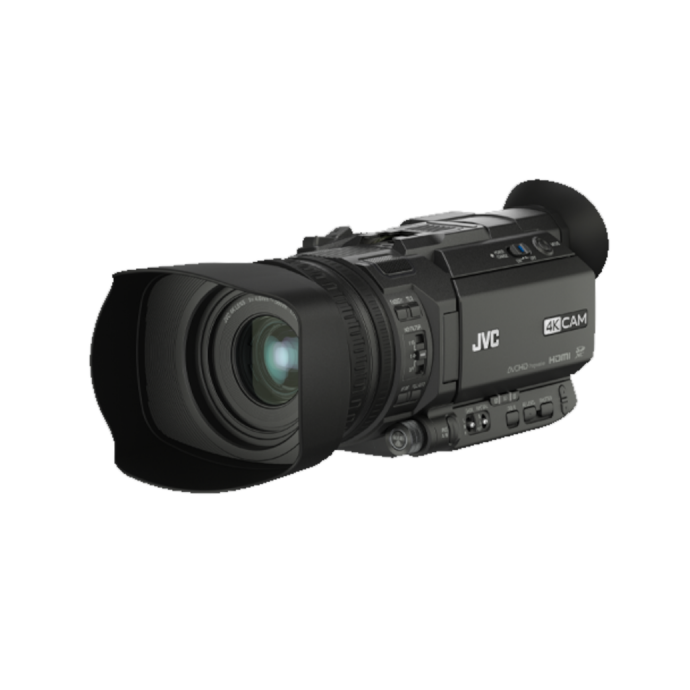
If you typically shoot for more than 30 to 60 minutes at a time, ergonomics should be part of your buying decision, not an afterthought.
7. Think about versatility beyond stabilization alone
Your best tool should support your whole workflow
Stabilization is just one part of mobile shooting. You may also need professional audio inputs, live output options, long zoom ranges, streaming features, sports overlays, or broadcast-friendly connectivity. In those cases, an integrated camcorder can offer far more than just steady footage.
For example, the JVC GY-HC500U, JVC GY-HC550, and JVC GY-HC500SPCU are designed with professional video workflows in mind. If your work extends beyond cinematic clips into live production, event coverage, or sports content, these kinds of cameras may provide more day-to-day value than a gimbal-centered setup.
8. Choose based on the footage you deliver most often
There is no universal winner, only the right fit for your output
If your clients expect polished moving shots, walkthroughs, tracking footage, or social-ready cinematic motion, a handheld gimbal is hard to beat. But if your work centers on responsiveness, zoom flexibility, professional controls, and dependable handheld shooting, stabilized integrated-lens camcorders can be the more efficient choice.
Many shooters eventually use both: a gimbal for specialty motion shots and a handheld stabilized camera for the majority of coverage. If you are building a mobile kit from scratch, start with the tool that best supports your most frequent assignments.
Conclusion
Comparing handheld gimbals versus stabilized lenses is really about balancing creative style with practical workflow. Gimbals excel at cinematic movement, while stabilized handheld cameras and integrated lenses often win on speed, usability, zoom versatility, and all-in-one value. If your work demands efficient mobile shooting, compact professional camcorders like the JVC handheld lineup can be a smart place to start. Explore your options at Unique Photo and build a setup that helps you shoot more confidently wherever the job takes you.