Run-and-gun shooting is all about moving fast, staying flexible, and still bringing home footage that looks controlled and professional. One of the biggest questions shooters face is whether to rely on a gimbal for ultra-smooth motion or choose a camera with a stabilized lens and a more compact handheld workflow. The right answer depends on how you shoot, how much gear you want to carry, and how quickly you need to react in the moment. If you film events, documentaries, sports, news, or fast-paced corporate content, these tips can help you decide which approach fits your style best.
1. Start with the kind of movement you actually capture
Match your stabilization choice to your real-world shooting style
If your footage involves long walking shots, dramatic reveals, or following subjects through spaces, a gimbal can create that floating camera look many filmmakers want. But if your day is filled with quick reframing, zooming, grabbing short clips, and reacting instantly to unfolding action, a stabilized integrated-lens camcorder can often be the more practical tool.
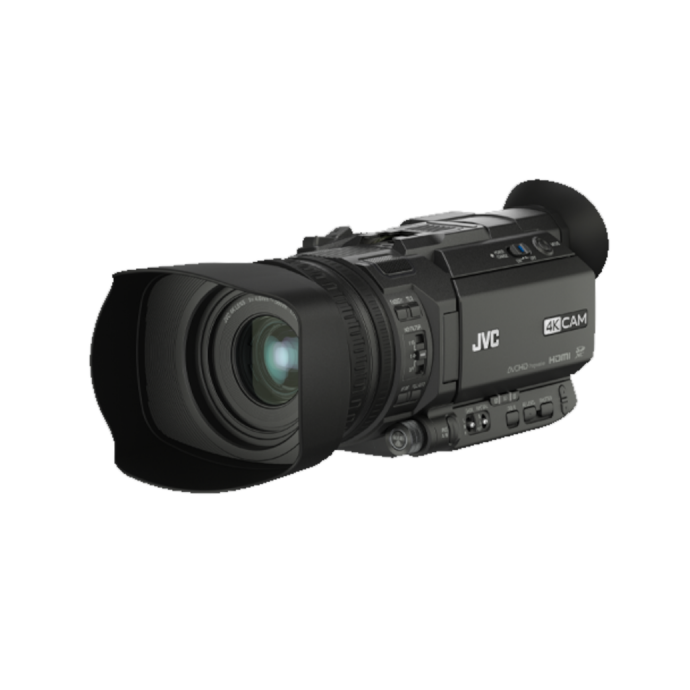
For example, a compact handheld option like the JVC GY-HM170U 4K Cam HDMI Handheld Camcorder with Integrated 12x Lens gives run-and-gun shooters a built-in lens, fast startup, and a familiar handheld form factor that works well when speed matters more than elaborate camera movement.
2. Think about setup time before every shot
Fast deployment often matters more than maximum smoothness
Gimbals can produce beautiful motion, but they also add balancing, battery management, and transport considerations. In a controlled shoot, that tradeoff may be worth it. In live environments, though, every extra step can slow you down.
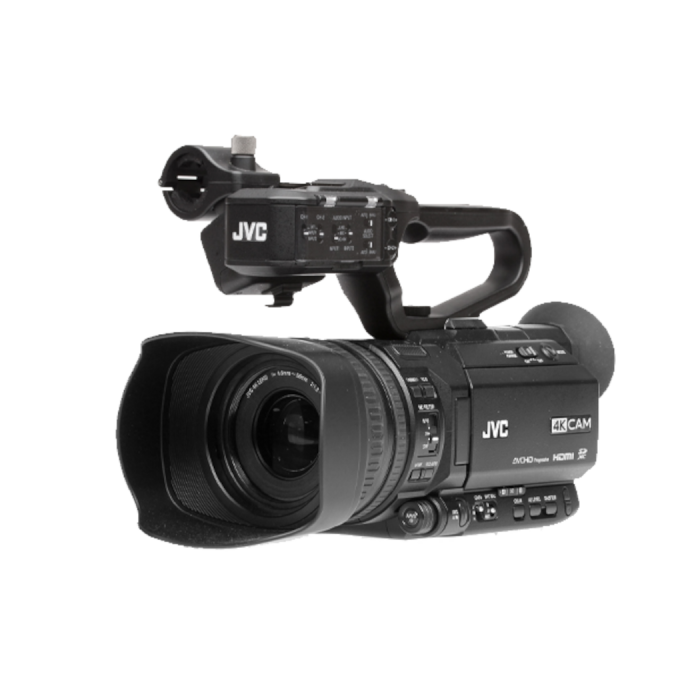
A camera like the JVC GY-HM250U Compact Handheld Camcorder with Integrated 12x Lens is ready to move quickly from shoulder-height coverage to low-angle shots and back again without rebalancing or changing your rig. That simplicity is a major advantage when you are covering unpredictable action.
3. Consider whether zooming is part of your workflow
Stabilized integrated lenses shine when you need framing flexibility
One overlooked point in the gimbal-versus-stabilized-lens debate is zoom control. Gimbals are at their best with wider focal lengths and consistent balance. But run-and-gun shooters often need to go from wide establishing shots to tighter details in seconds.
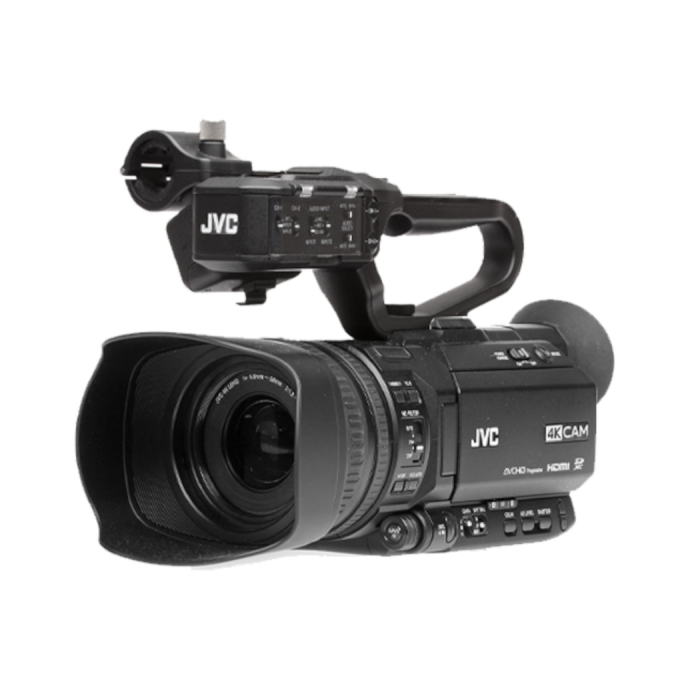
An integrated 12x lens, like the ones found on models such as the JVC GY-HM180U 4K Cam HD-SDI Handheld Camcorder with Integrated 12x Lens, makes that kind of fast reframing much easier. If you regularly shoot interviews, events, houses of worship, or sideline coverage, being able to zoom instantly without changing lenses or compromising your balance can be more valuable than the perfectly gliding look of a gimbal.
4. Be realistic about fatigue during long shoots
Comfort affects consistency more than most people expect
- Gimbals can become tiring over long stretches, especially when held at chest level or extended away from the body.
- Handheld camcorders with stabilized lenses are often easier to hold for extended coverage because their design supports practical ENG-style operation.
- Lighter, simpler rigs help you stay responsive and reduce missed moments.
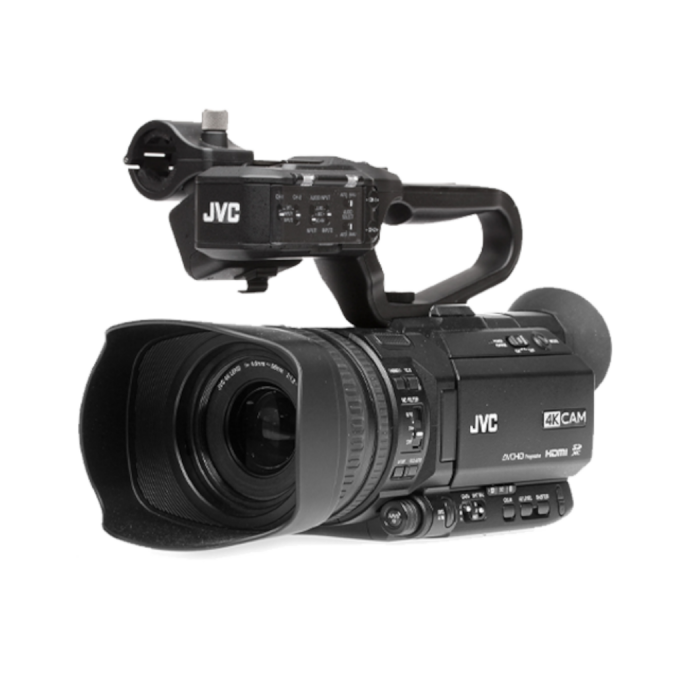
If you regularly shoot all-day productions, a compact camcorder like the JVC GY-HM250SP Compact Handheld Camcorder with Integrated 12x Lens and Sports may fit better into a fast-moving workflow where endurance is just as important as stabilization.
5. Decide how important the “floating” look really is
Smooth footage and cinematic motion are not always the same thing
A gimbal gives you a distinct visual style: smooth, drifting, and highly controlled. That look is great for music videos, real estate walkthroughs, promotional pieces, and stylized documentary sequences. But not every project needs that level of polish in every shot.
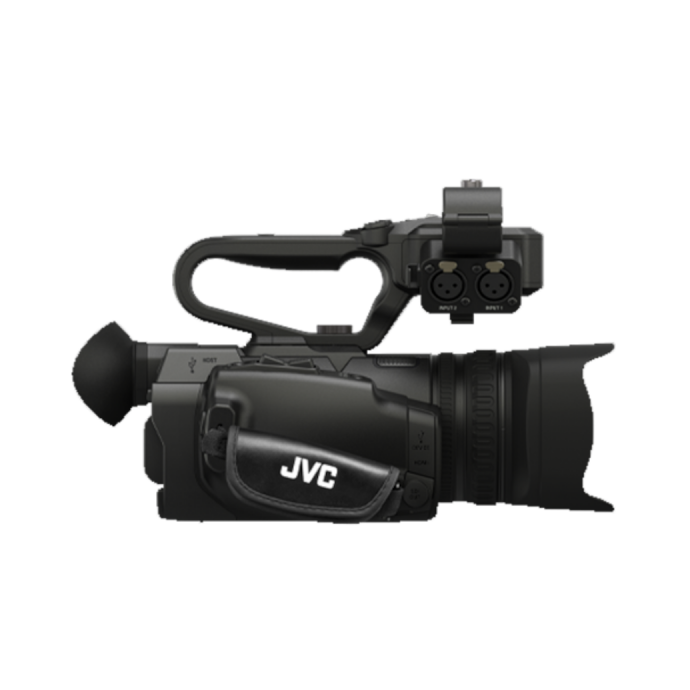
For news, sports, event coverage, or behind-the-scenes work, viewers often prefer footage that feels stable yet immediate. In those cases, a stabilized-lens camera can deliver footage that looks professional without feeling overly produced. The JVC GY-HM250U and JVC GY-HM180U both make strong sense for shooters who prioritize coverage and responsiveness over cinematic camera movement.
6. Remember that audio and handling matter in run-and-gun work
Stability is only one piece of the production puzzle
When you are shooting quickly, you also need usable audio controls, reliable ergonomics, and intuitive operation. A gimbal may improve movement, but it can make it harder to access controls on the fly. A dedicated handheld camcorder is often designed with fast-paced production in mind, allowing you to react quickly without interrupting the shot.
This is one reason many event and documentary shooters continue to favor compact camcorders with integrated stabilized lenses. Models like the JVC GY-HM170U and JVC GY-HM250SP are built around practical production needs, not just motion smoothing.
7. Use a hybrid mindset when possible
You do not always have to choose only one solution
Many shooters benefit from treating the decision as situational rather than absolute. Use a gimbal when your shot list specifically calls for movement-heavy sequences. Use a stabilized handheld camcorder when you need to stay light, nimble, and ready for changing conditions.
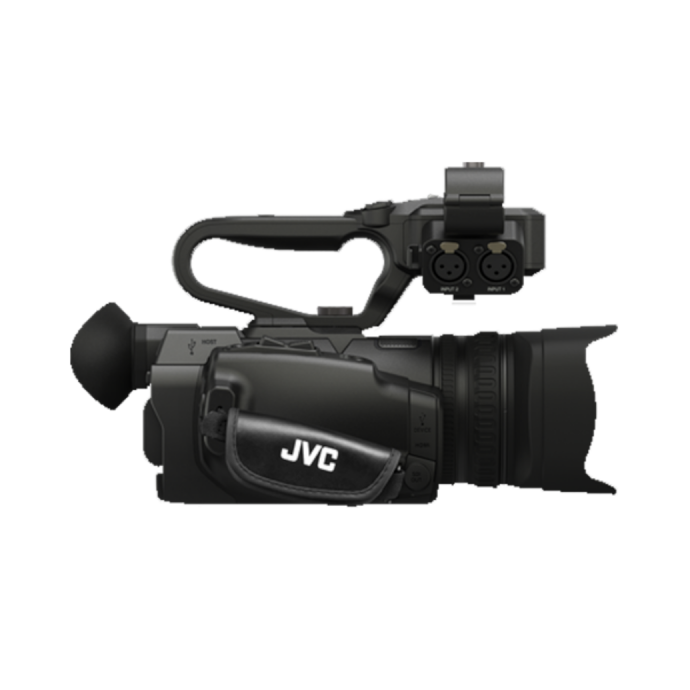
If your main work is fast-paced and unpredictable, building around a compact all-in-one option like the JVC GY-HM250U or JVC GY-HM180U can be the smarter everyday choice, while a gimbal becomes a specialty tool for selected shots.
8. A simple rule of thumb for choosing
Pick the tool that helps you miss fewer moments
- Choose a gimbal if your priority is dynamic motion and cinematic walking shots.
- Choose a stabilized lens on a handheld camcorder if your priority is speed, zoom flexibility, easier handling, and dependable coverage.
- Choose a compact integrated-lens camcorder if you want an efficient all-in-one tool for events, sports, interviews, and documentary-style shooting.
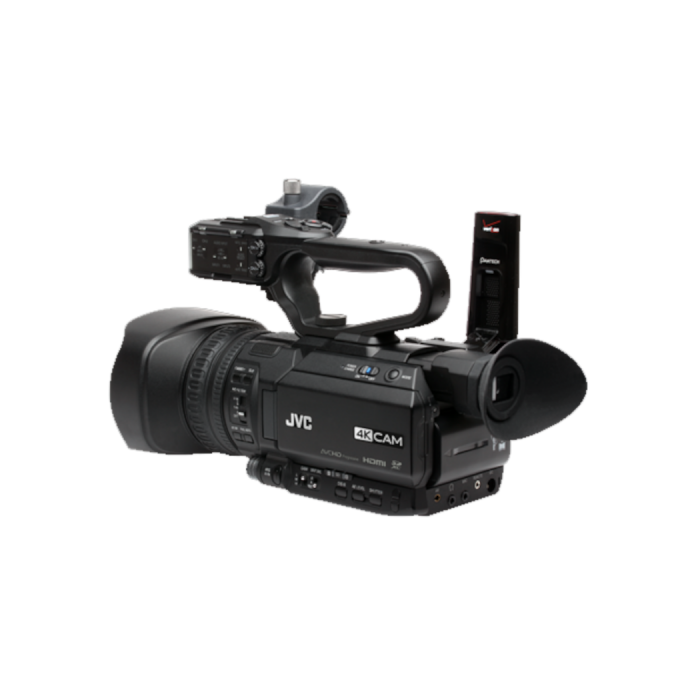
That is where cameras like the JVC GY-HM250U, JVC GY-HM170U, JVC GY-HM180U, and JVC GY-HM250SP stand out. They are well suited to shooters who value getting the shot with minimal fuss.
Conclusion
For run-and-gun shooting, the best stabilization choice is usually the one that keeps you fast, comfortable, and ready for the next moment. If your work depends on constant movement and polished tracking shots, a gimbal may be worth the extra effort. But if you need flexibility, quick zooming, and immediate usability, a stabilized integrated-lens camcorder is often the better everyday answer. If you are exploring practical video tools for fast-paced production, Unique Photo is a great place to compare options and find the right camera for the way you actually shoot.