Introduction
Picking the best images for a photo contest is really a comparison process: your strongest image versus your most emotional one, your most technically polished frame versus your most original concept, and your favorite photo versus the one that will stand out to judges. To make that process easier, this guide compares three practical ways photographers refine contest submissions: reviewing printed images, organizing a physical edit in an album, and getting outside feedback through educational critique and inspiration. We also compare tools that support those methods, from a professional printer and metallic paper to albums and photography learning experiences.
Side-by-Side Comparison
| Product | Best Use for Contest Selection | Type | Key Advantage | Best For |
|---|---|---|---|---|
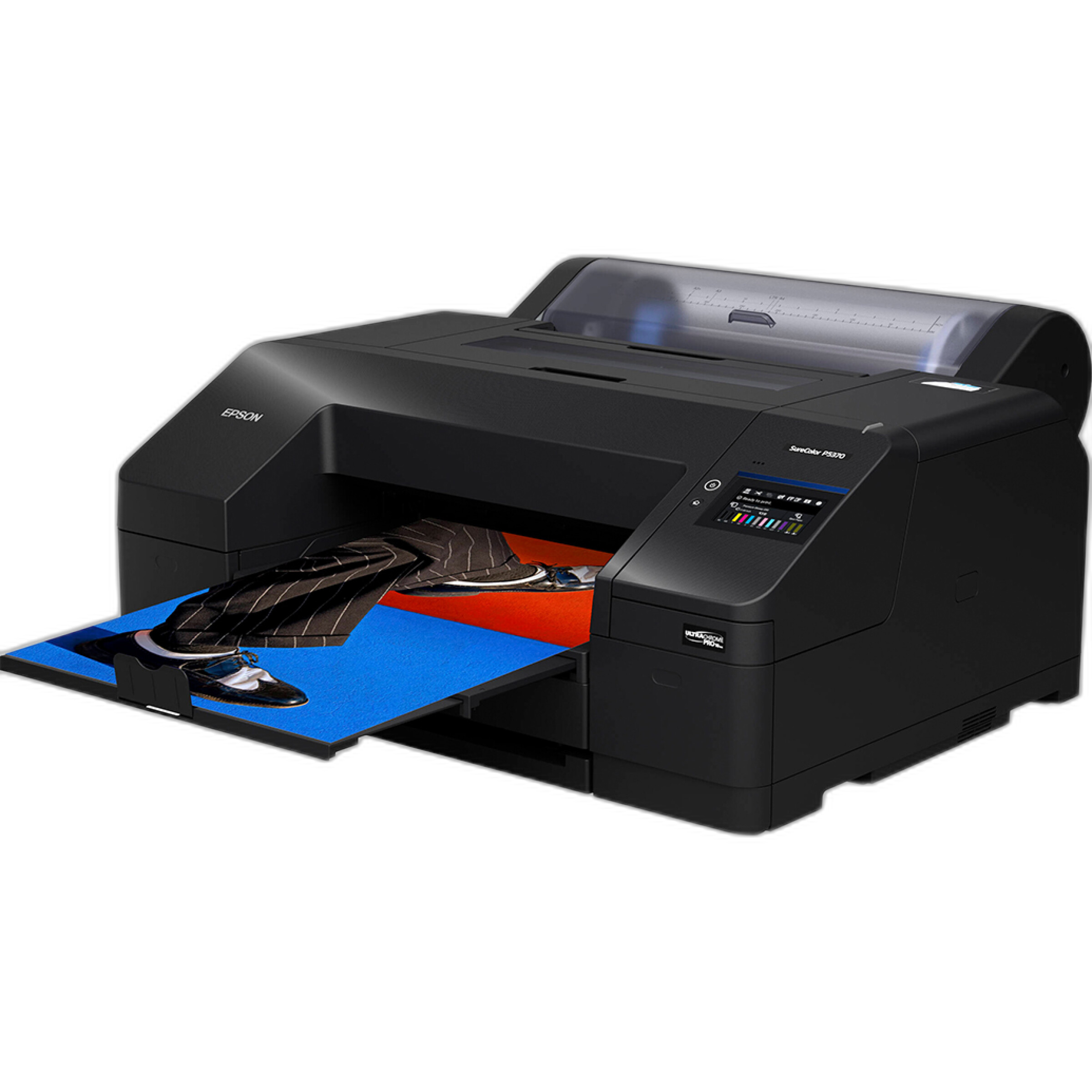
| Epson SureColor P5370 17-Inch Professional Photographic Printer | Making test prints to judge detail, tone, and impact | Printer | Professional-quality output for serious image evaluation | Photographers who want precise print-based editing |
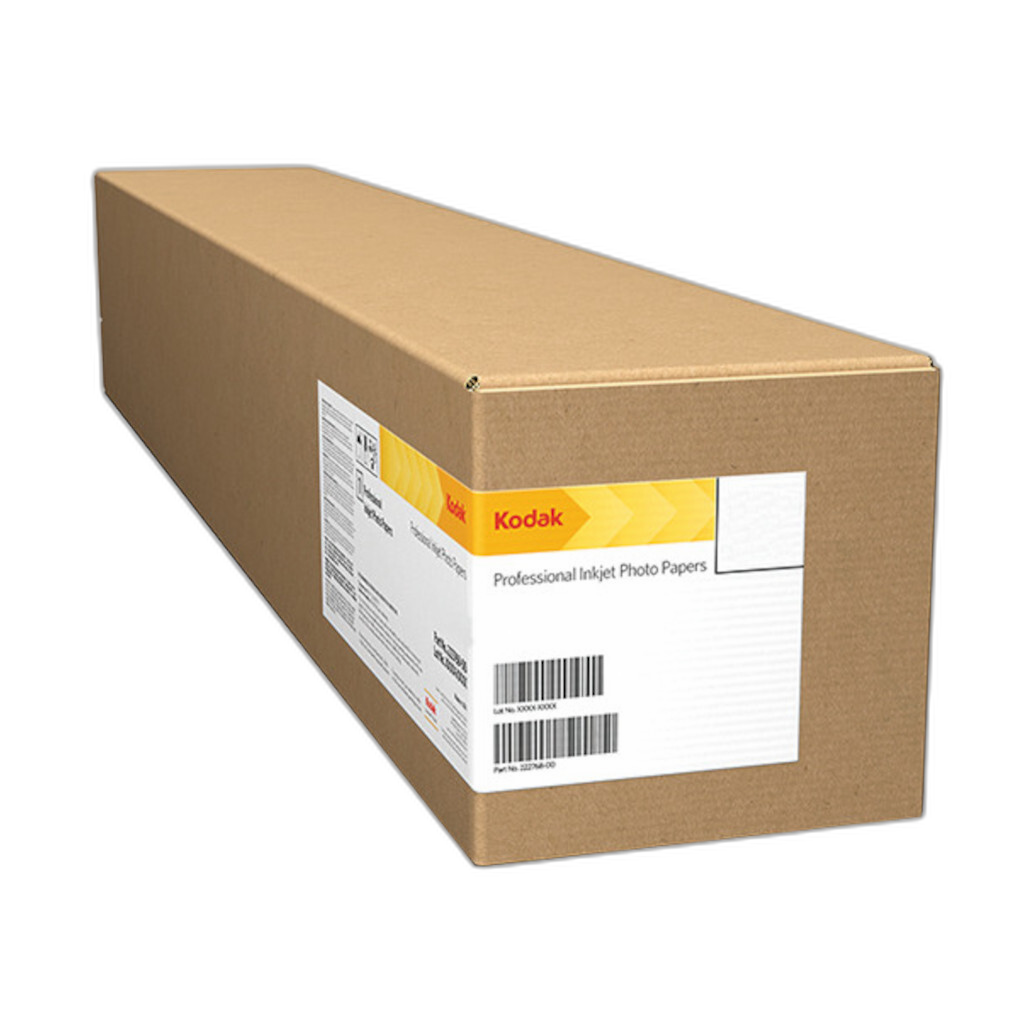
| Kodak Professional Metallic Photo Inkjet Paper 44 x 100 Roll | Evaluating how contest-worthy images look with extra pop | Inkjet Paper | Metallic surface can emphasize contrast and visual drama | Images with bold color, shine, or graphic impact |
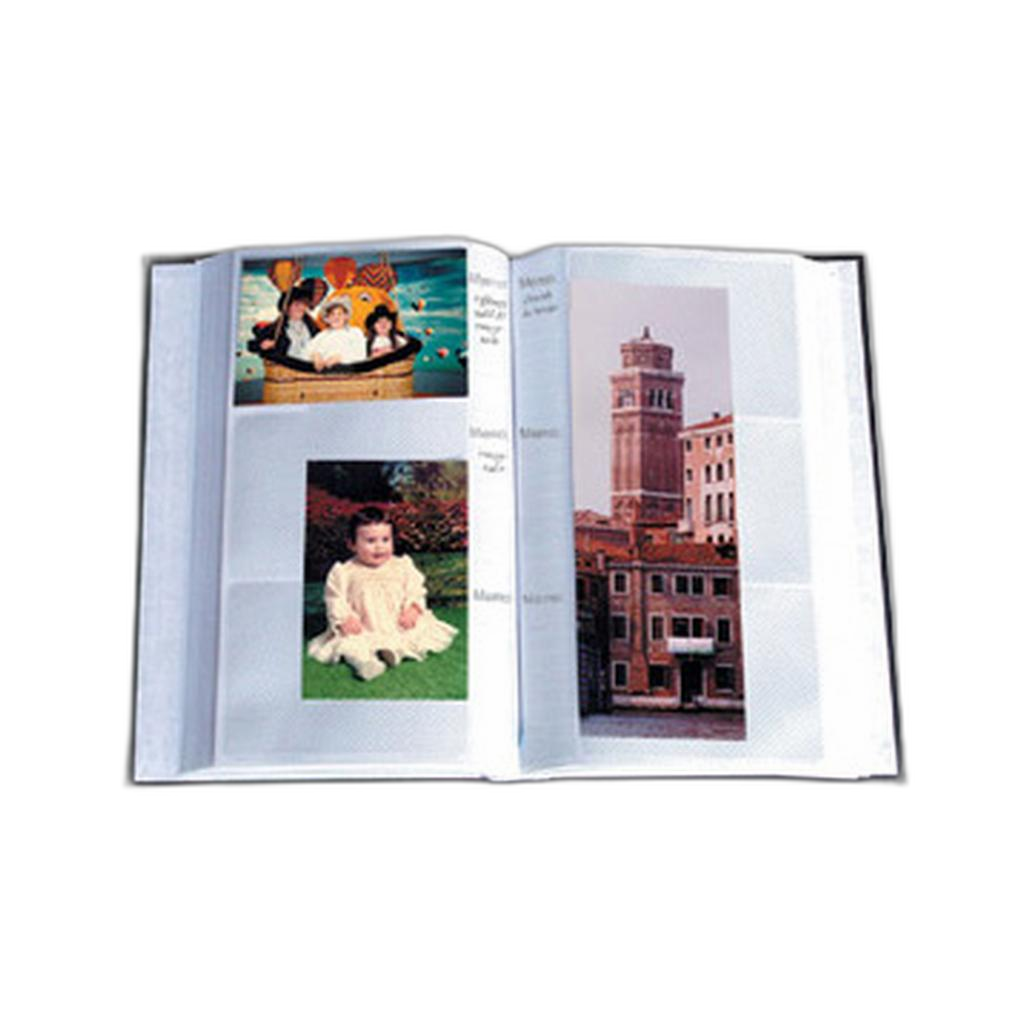
| Pioneer 4 x 6 In. Bi-Directional Memo Photo Album (200 Photos) - Black | Sequencing, narrowing, and comparing a large batch of contenders | Photo Album | Easy physical review of many small prints in one place | Photographers editing broad sets before final selection |
| Pioneer Album Refill Pages for BP-200 Album (30 Photos) | Expanding an existing physical contest edit | Album Refill Pages | Adds capacity for alternate selects and backup choices | Ongoing portfolio and contest organization |
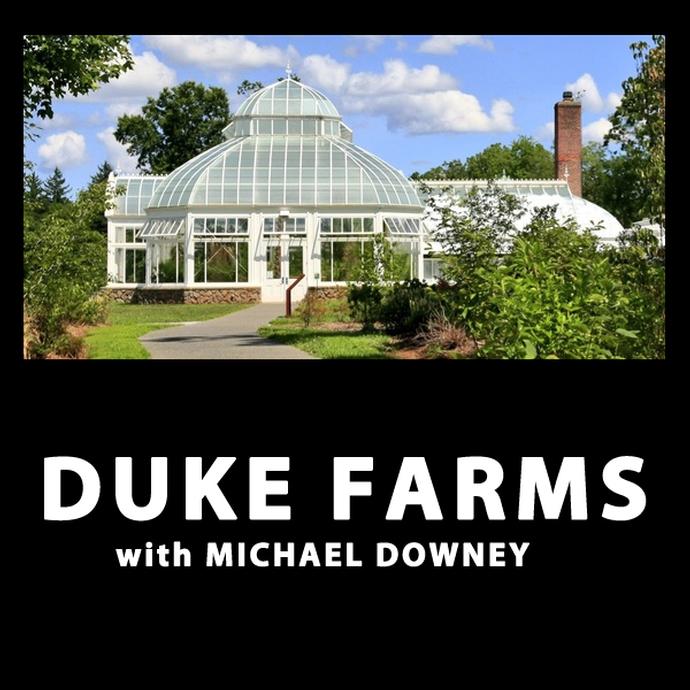
| Macro and Landscape Photography at Duke Farms with Michael Downey | Improving judgment around composition and image strength | Workshop | Builds visual editing awareness through guided learning | Photographers who want stronger selection instincts |
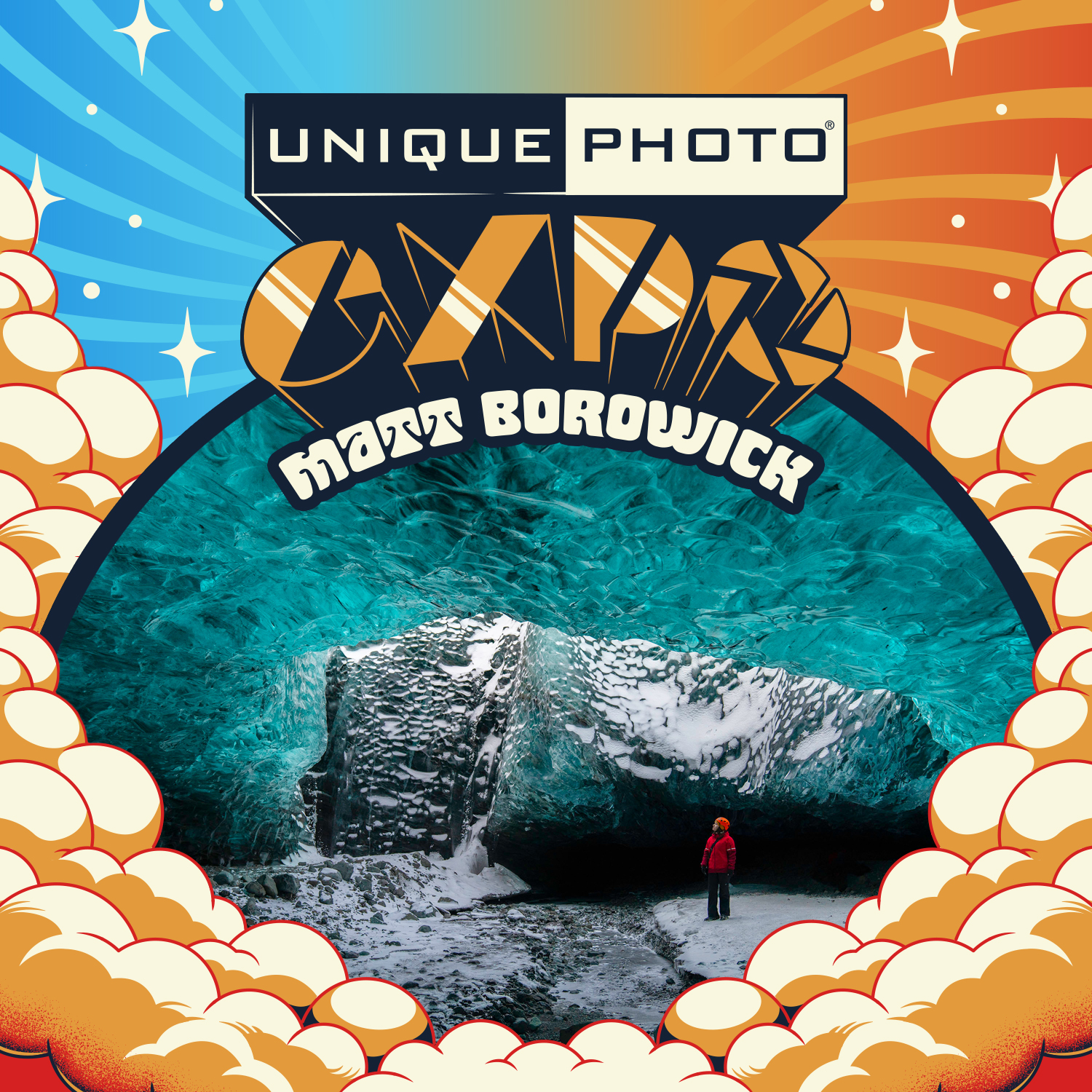
| EXPO: Stories from the Road - Photography Across Worlds w. Matthew Borowick | Understanding what makes images memorable and story-driven | Talk / Event | Helps photographers think beyond pure technical quality | Contest entries judged on narrative and originality |
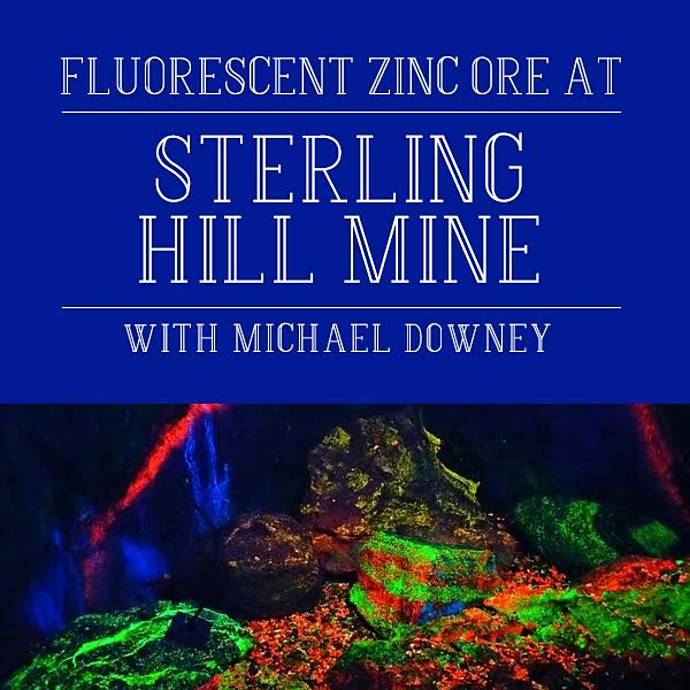
| Photograph Fluorescent Zinc Ore at Sterling Hill Mine | Studying how unusual subjects can create standout entries | Excursion | Encourages distinctive imagery with strong visual identity | Photographers seeking unique contest material |
What You Are Really Comparing in a Contest Edit
When choosing contest images, you are usually comparing four things at once: technical execution, emotional pull, originality, and fit for the contest theme. The biggest mistake photographers make is submitting the image they personally enjoyed making the most, rather than the image that reads most powerfully to a judge in a few seconds.
A useful workflow is to compare images in stages:
- First pass: eliminate obvious weak images.
- Second pass: compare similar images side by side.
- Third pass: review as prints or in a physical sequence.
- Final pass: ask whether the image fits the contest brief and stands apart from common entries.
Print Review vs. Screen Review
Screen editing is fast, but print review often reveals what actually wins contests: whether the eye goes to the right place, whether highlights feel controlled, whether a composition has enough breathing room, and whether the image still feels compelling when it is no longer backlit.
The Epson SureColor P5370 is the strongest option in this comparison for photographers who want to evaluate images seriously before submission. A high-end printer lets you judge tonal transitions, edge detail, color separation, and the physical presence of an image. That matters because many contest-winning images feel complete and intentional, not just sharp on a monitor.
Pairing that printer with Kodak Professional Metallic Photo Inkjet Paper can be especially useful when you are comparing images with dramatic light, cityscapes, chrome, reflections, fashion, automotive work, or highly saturated landscapes. Metallic paper can make some images look electric—but that is exactly why it is useful in the selection phase. If an image only works because the surface is flashy, it may be weaker than you thought. If it still feels powerful and controlled, it may be a real contender.
Album Edit vs. Loose Files
For many photographers, the best way to narrow down contest entries is not a monitor at all, but a physical edit. A small printed album can help you compare images more objectively because it reduces the influence of zooming, metadata, and recency bias.
The Pioneer 4 x 6 In. Bi-Directional Memo Photo Album is a practical tool for this kind of edit. Printing small proofs and placing them into an album lets you compare similar frames, make notes, and identify patterns in your work. You may discover that your strongest contest image is not your most complex shot, but the cleanest and most immediate one.
This approach works especially well when you are deciding among:
- multiple expressions from a portrait session
- slightly different crops of the same scene
- near-identical wildlife or sports action frames
- a set of themed images where only one or two should be submitted
If your contest workflow keeps growing, Pioneer Album Refill Pages for BP-200 Album help extend that physical editing system. Refill pages are less about presentation and more about maintaining a disciplined archive of selects, alternates, and near-misses.
Self-Selection vs. Outside Feedback
One of the hardest parts of contest preparation is being too close to your own work. You remember the weather, the effort, the travel, the missed frames, and the emotional context. Judges do not. They only see the final image.
That is where photography education and critique can become surprisingly useful. Macro and Landscape Photography at Duke Farms with Michael Downey represents the type of guided learning that improves not just image-making, but image selection. Workshops sharpen your eye for composition, subject isolation, timing, and visual hierarchy—all of which help when deciding what deserves submission.
Likewise, EXPO: Stories from the Road - Photography Across Worlds w. Matthew Borowick highlights another key contest factor: memorability. Many technically strong photos never place because they do not leave a lasting impression. Talks and presentations built around storytelling can help you recognize which images have narrative weight, cultural interest, or emotional resonance.

Common Contest Criteria: Which Review Method Helps Most?
If your contest is judged primarily on technical quality, print review with the Epson SureColor P5370 is the most useful method in this lineup. If the contest rewards concept, cohesion, or storytelling, physical sequencing in the Pioneer album or learning through talks and workshops may help more. If the contest emphasizes originality, experiences like Photograph Fluorescent Zinc Ore at Sterling Hill Mine remind photographers that unusual subject matter can give an image an edge before judging even begins.
In short:
- For technical contests: print and inspect.
- For portfolio-style contests: sequence and compare physically.
- For story-driven contests: seek feedback and prioritize emotional clarity.
- For open-theme contests: favor the most distinctive image, not merely the most polished one.
Our Pick
Our Pick: Epson SureColor P5370 17-Inch Professional Photographic Printer
If you are serious about choosing the best images for a photo contest, the strongest single tool in this comparison is the Epson SureColor P5370. It supports the most objective editing process by letting you evaluate your work as a finished photograph rather than as a glowing screen file. For photographers trying to decide between several excellent images, a print often makes the winner obvious.
The best supporting option is the Pioneer 4 x 6 Memo Photo Album, especially for early-round edits and organizing proof prints. And if you want to improve your selection instincts long-term, educational experiences like the Duke Farms workshop or Borowick presentation can help you understand why some images resonate more than others.
Final Thoughts
The best contest image is rarely chosen by instinct alone. It is chosen through comparison: print versus screen, impact versus subtlety, originality versus polish, and personal attachment versus what a judge will actually notice. A professional print workflow, a simple physical album edit, and informed outside perspective all make that decision easier.
If you are building a smarter contest-prep process, Unique Photo offers the printing tools, paper, organization products, and educational opportunities to help you refine your final picks with more confidence.