Choosing a portrait lens for Sony can feel easy until you start comparing focal lengths, maximum apertures, size, and price side by side. That is exactly why a lens comparison tool is so useful: it helps you see which options fit your shooting style instead of just chasing specs. Based on the kinds of lenses portrait photographers tend to favor in a compare workflow, a few standouts rise to the top for classic headshots, environmental portraits, and flexible everyday sessions. Here are some practical tips for narrowing down your favorite Sony portrait lens options.
Start With the Portrait Look You Want
Before you buy a lens, decide what kind of portraits you actually make most often. A 50mm can feel natural and conversational, while a 75mm or 85mm gives you more compression and easier background separation for flattering close-ups.
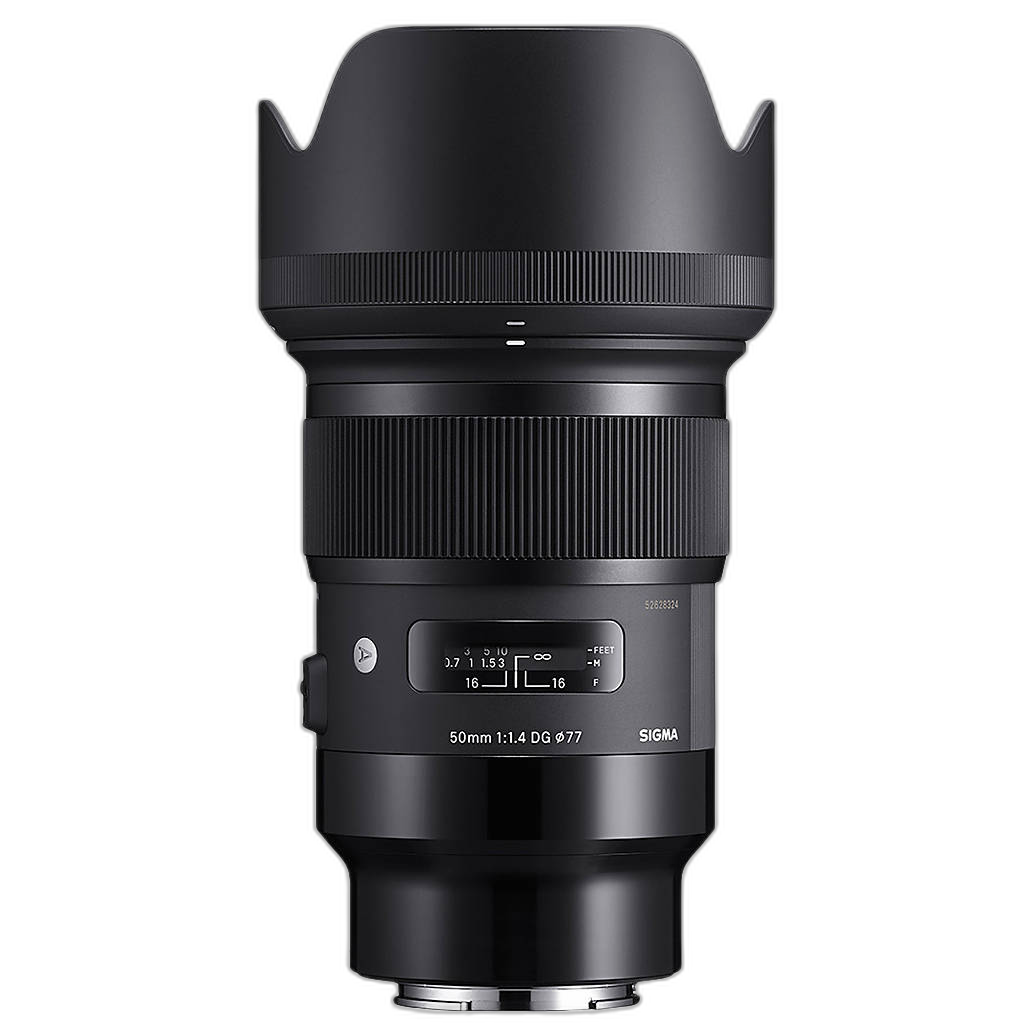
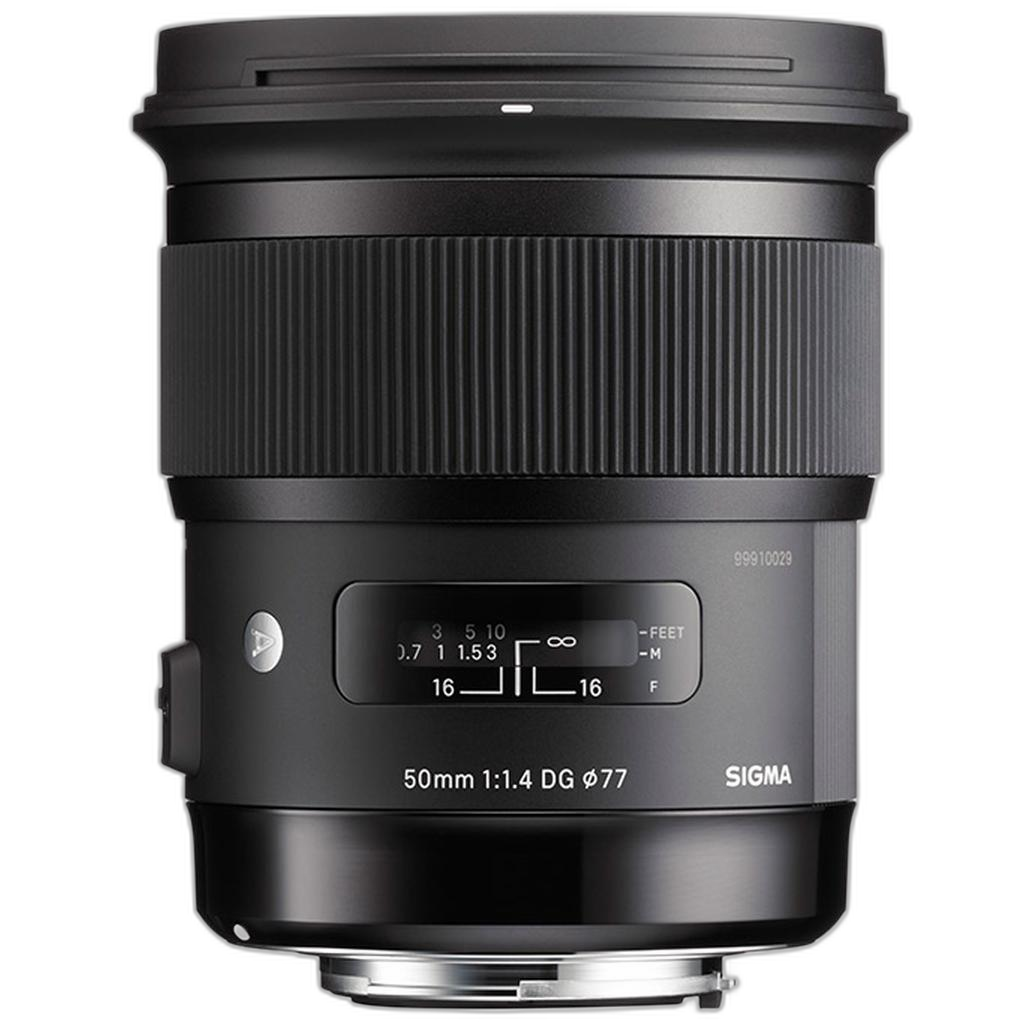
- If you like a classic, all-purpose portrait perspective, the Sigma 50mm f/1.4 DG HSM Art Lens for Sony E is a strong place to start.
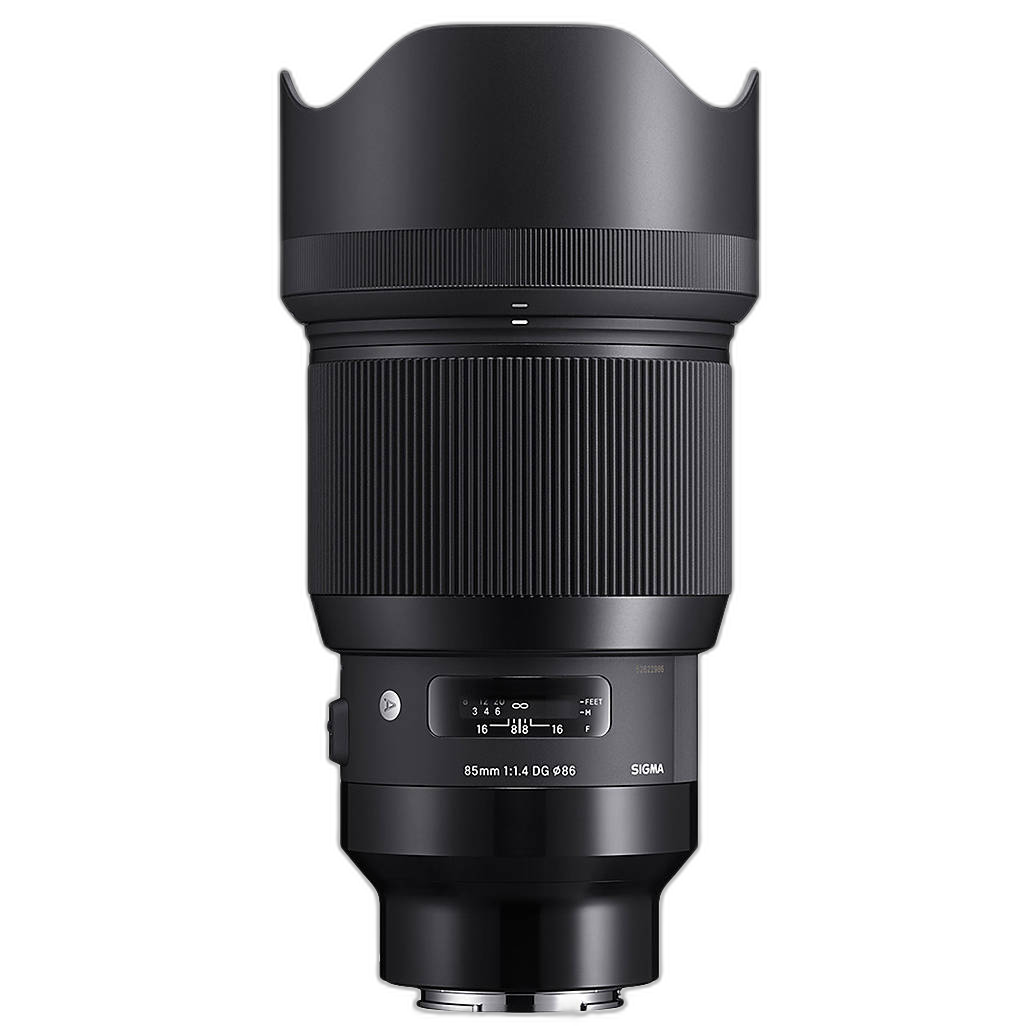
- If you prefer tighter framing and more subject isolation, the Viltrox AF 75mm 1.2 E For Sony E or a used Sigma 85mm f/1.4 ART for Sony E can make a lot of sense.
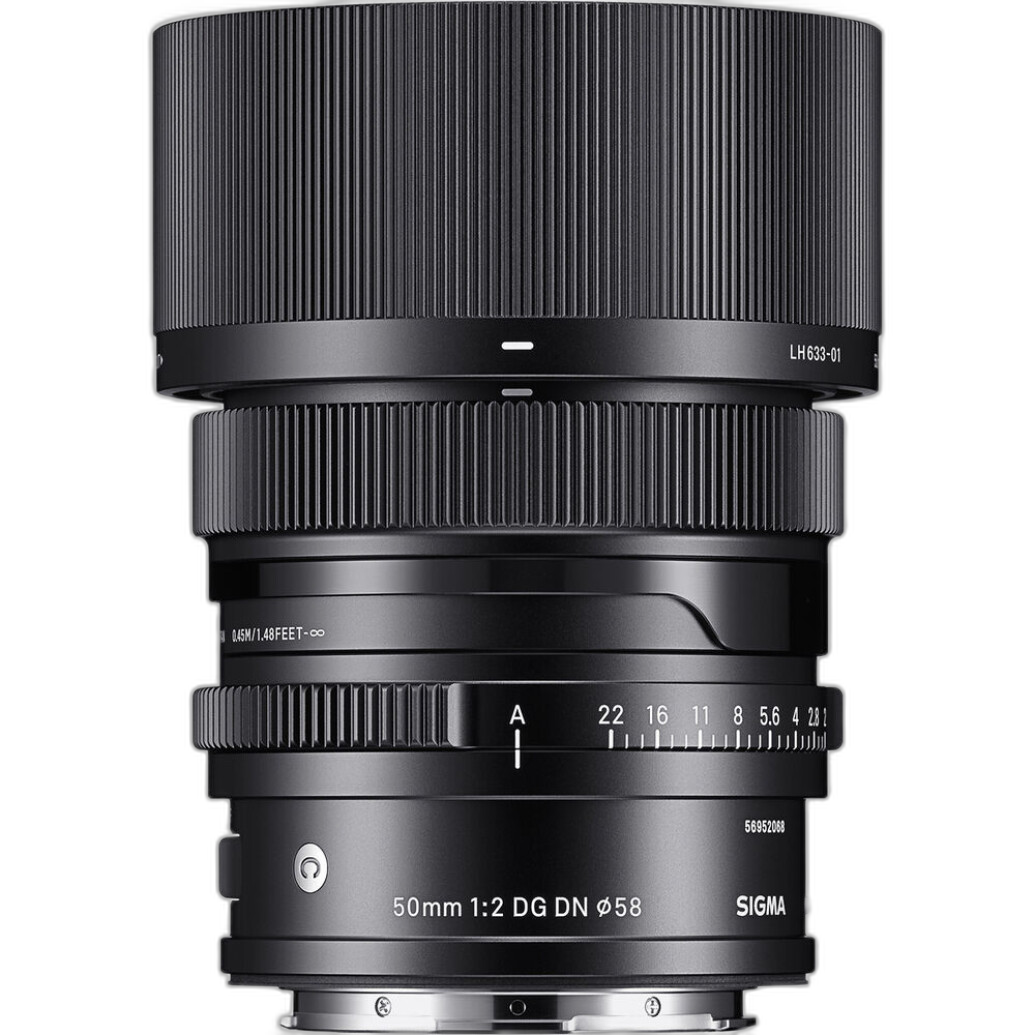
- If you shoot a mix of portraits and everyday content, a compact option like the Sigma 50mm f/2 DG DN Contemporary Lens (Sony E) may be the most balanced choice.
Compare Fast Apertures for Subject Separation
1. f/1.2 to f/1.4 is ideal for dramatic portrait depth
Portrait photographers often gravitate toward lenses with wide maximum apertures because they make it easier to blur backgrounds and draw attention to the eyes. If the Lens Compare Beta has you looking closely at speed, the Sigma 50mm f/1.4 DG HSM Art, Sigma 50mm f/1.4 EX DG HSM Standard Lens for Sony, and Viltrox AF 75mm 1.2 E For Sony E are exactly the kinds of lenses that stand out.
The 75mm f/1.2 is especially appealing if you want a more compressed, premium portrait look. Meanwhile, 50mm f/1.4 options are great when you want shallow depth of field without backing up as much.
Do Not Overlook Compact Portrait Primes
2. Smaller lenses can make portrait sessions feel easier
Not every portrait session calls for the biggest, fastest lens. If you shoot on location, travel often, or simply want a lighter setup, the Sigma 50mm f/2 DG DN Contemporary Lens (Sony E) is easy to like. It still gives you the flattering 50mm perspective, but in a more portable package that fits casual portraits, street-style sessions, and lifestyle work.
For many Sony shooters, the best lens is the one they will actually bring along. That is where compact portrait primes can win in a comparison, even against faster lenses.
Use Zooms When Your Portrait Style Changes Quickly
3. A standard zoom can be the smartest choice for versatile sessions
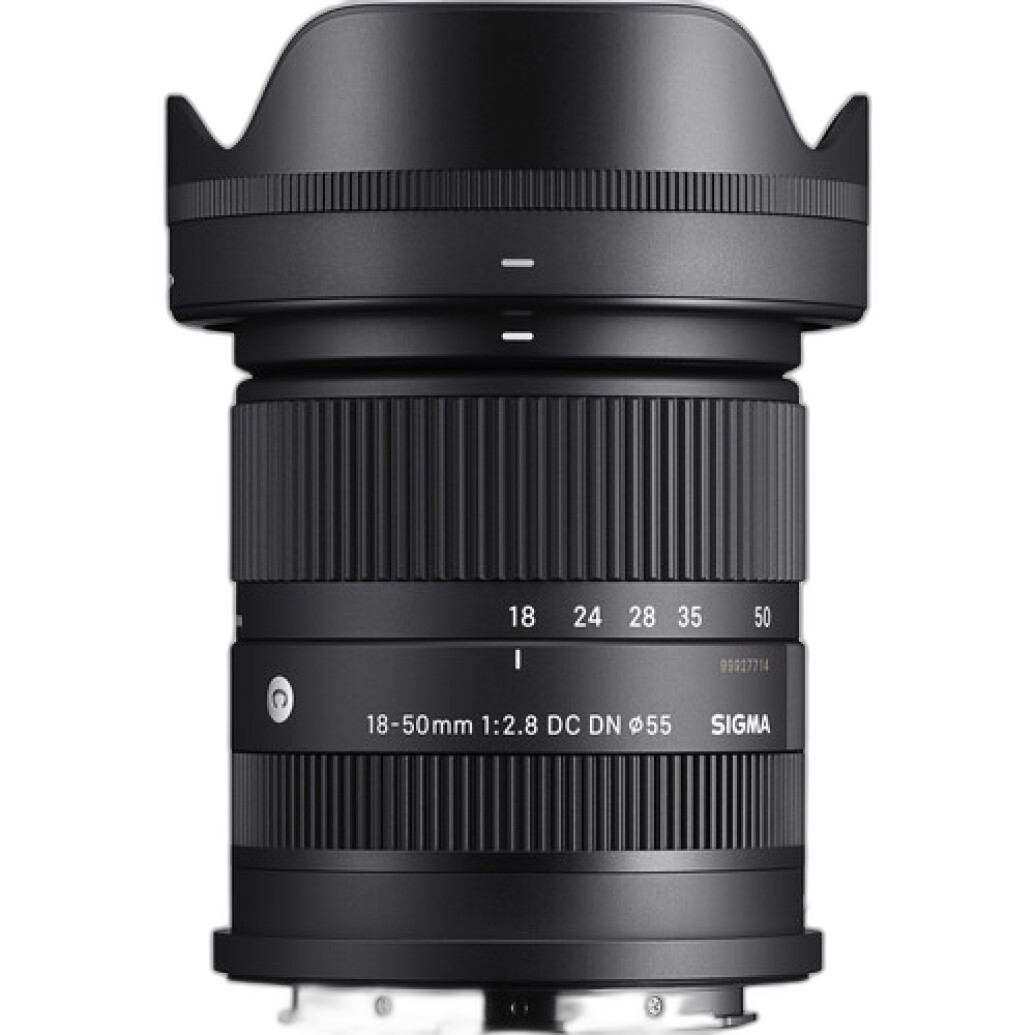
Portrait photographers sometimes assume they need a prime, but a zoom can be the better answer when you are moving between half-body portraits, environmental frames, and candid moments. The Sigma 18-50mm f/2.8 DC DN Contemporary Lens for Sony E is especially useful for photographers shooting crop-sensor Sony bodies who want flexibility without carrying multiple lenses.
At the long end, 50mm can still give you pleasing portraits, while the wider end helps with group shots or environmental scenes. If your compare results lean toward convenience and value, this kind of lens deserves serious attention.
Consider Used Lenses for Premium Portrait Results
4. Used gear can be a smart way to step into high-end portrait glass
If your favorite compare results keep pulling you toward premium portrait focal lengths, shopping used can be a smart move. A Used Sigma 85mm f/1.4 ART for Sony E - Excellent is especially attractive for photographers who want a classic headshot lens with strong background blur and flattering compression.
An 85mm f/1.4 has long been a portrait favorite because it creates a polished, professional look without feeling too distant from the subject. For many Sony photographers, it is one of the easiest focal lengths to fall in love with.
Think Beyond Headshots
5. Environmental portrait shooters may prefer wider options
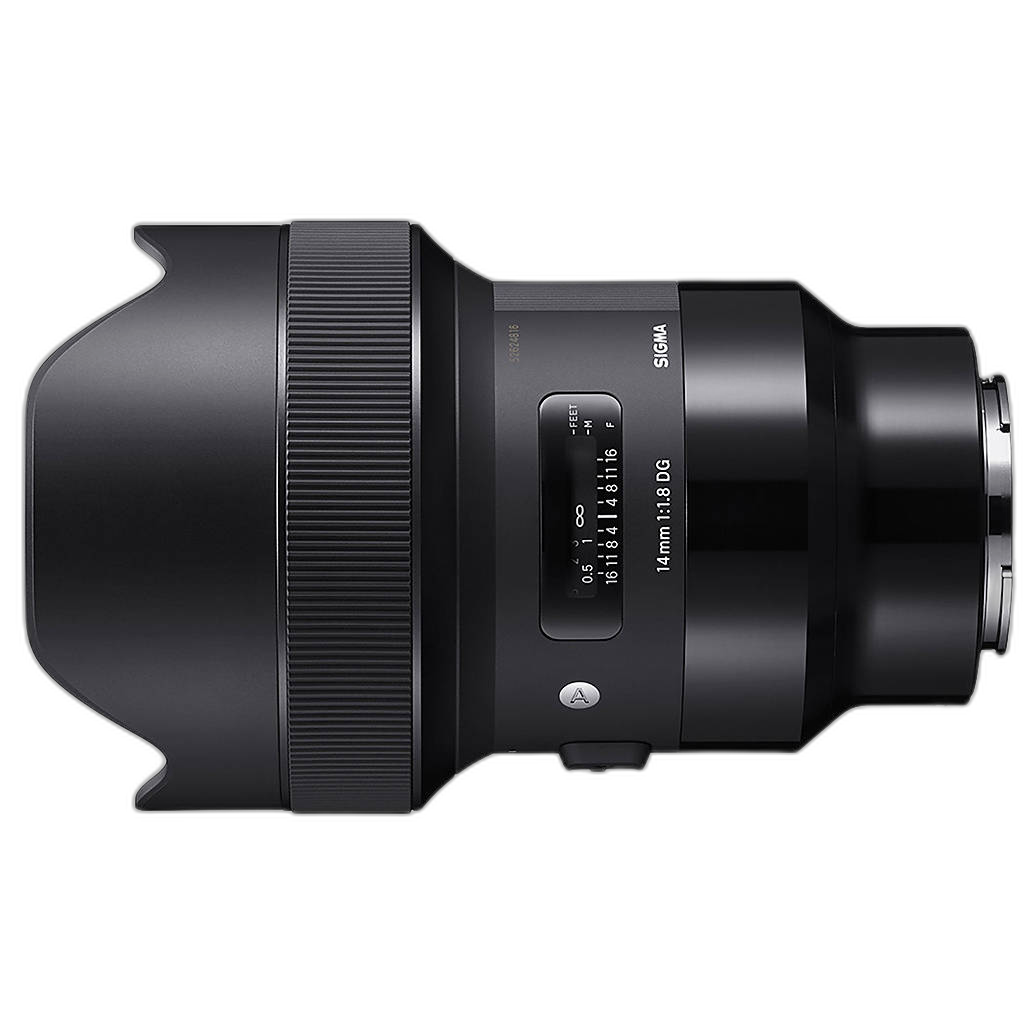
Portrait work is not always about tight framing and creamy backgrounds. If your style includes dramatic locations, architecture, or creative storytelling, even a wider lens can play a role. While it is not a traditional portrait pick, the Used Sigma 14mm f/1.8 ART for Sony E - Excellent could be a creative choice for environmental portraits where the setting matters as much as the subject.
This approach works best when you are careful with placement and composition, but the result can feel immersive and highly original compared to more conventional portrait focal lengths.
Match the Lens to How You Direct People
6. Working distance affects comfort and expression
One of the biggest differences between 50mm, 75mm, and 85mm portrait lenses is how close you need to stand to your subject. A 50mm like the Sigma 50mm f/1.4 DG HSM Art or Sigma 50mm f/2 DG DN Contemporary keeps you close enough to communicate naturally, which can be great for families, couples, and lifestyle portraits.
Longer lenses like the 75mm and 85mm options give your subject a little more space, which can help people relax in front of the camera. If your Lens Compare Beta favorites are clustered around these focal lengths, that shooting distance may be one reason why.
Pick the Lens You Will Use Most Often
The best Sony portrait lens is not always the fastest or most expensive one. It is the lens that fits your style, your camera body, and the way you work with people. If you want a classic portrait prime, a 50mm or 85mm is an easy recommendation. If flexibility matters more, the Sigma 18-50mm f/2.8 DC DN Contemporary for Sony E is a practical pick. And if compact size matters, the Sigma 50mm f/2 DG DN Contemporary is a standout.
However you compare them, the goal is simple: choose the lens that helps you make portraits you are excited to shoot. Explore these Sony-friendly options at Unique Photo and use the compare tools to find the one that feels right for your next session.