Comparing Two Very Different 50mm Portrait Options
If you're searching for honest user-review-style guidance on the best 50mm lens for portraits, the products available here point to a very specific comparison: a legendary ultra-fast stills portrait lens versus a professional cinema zoom that happens to cover 50mm. That means this matchup is really about portrait photography needs versus cinema production flexibility.
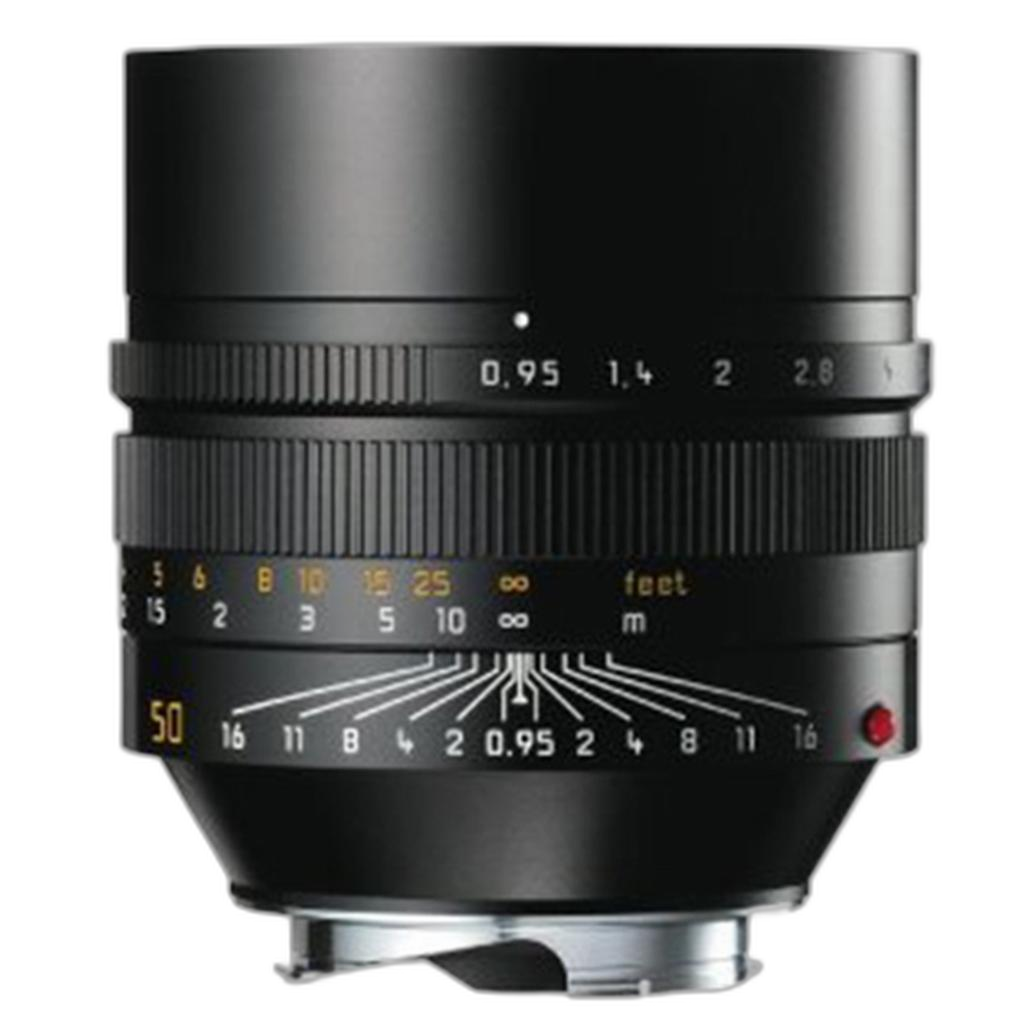
For portrait shooters, the standout candidate is the Used Leica 50mm f/0.95 ASPH (E60), a lens famous for shallow depth of field, dramatic subject separation, and a premium rendering style that many photographers love for environmental and close portrait work.
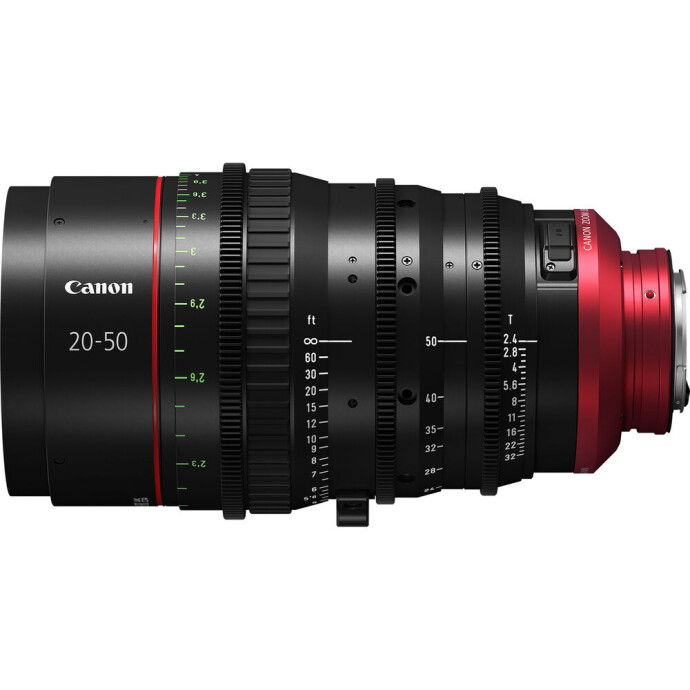
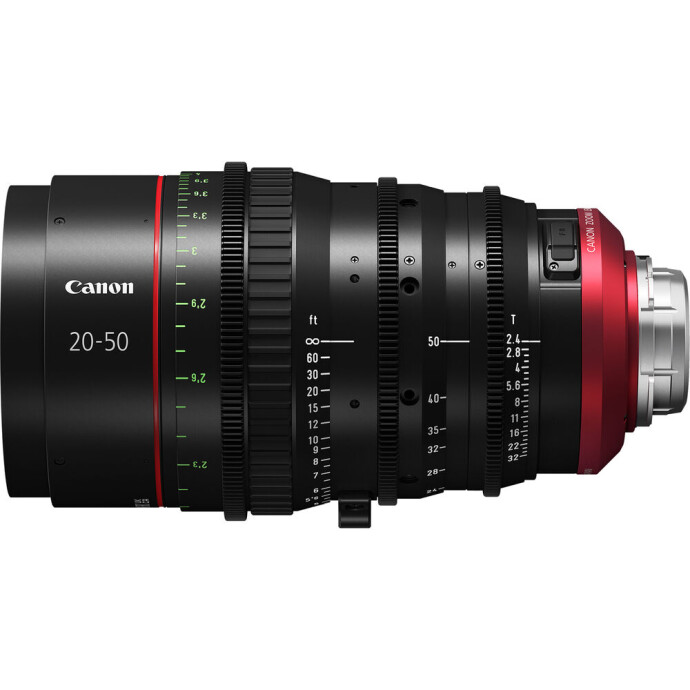
On the other side, Canon's CN-E 20-50mm T2.4 LF Cinema EOS Zoom Lens in either EF or PL mount is designed for motion production, not traditional portrait photography. It can absolutely be used at 50mm for cinematic portraiture, but its strengths are very different: consistency, geared control, parfocal zoom operation, and cinema-friendly mechanics.
So if your question is, "Which 50mm lens is best for portraits?" the answer depends on whether you mean still portraits or cinematic portraits/video production.
Side-by-Side Specs Comparison
| Product | Type | Max Aperture | Focal Length | Mount | Best Use |
|---|---|---|---|---|---|
| Used Leica 50mm f/0.95 ASPH (E60) - Excellent | Prime still-photo lens | f/0.95 | 50mm | Leica M | Portrait photography, shallow depth of field, artistic rendering |
| Canon CN-E 20-50mm T2.4 LF Cinema EOS Zoom Lens | Cinema zoom lens | T2.4 | 20-50mm | EF | Cinematic portraiture, interviews, narrative production |
| Canon CN-E 20-50mm T2.4 LF Cinema EOS Zoom Lens | Cinema zoom lens | T2.4 | 20-50mm | PL | Cinematic portraiture, studio rigs, professional cinema workflows |
What Real-World Portrait Shooters Usually Care About
When users talk about a "great 50mm portrait lens," they usually mean a lens that gives them flattering perspective, smooth background blur, strong subject isolation, and attractive rendering of skin tones and highlights. They also care about handling, focusing feel, and whether the lens inspires confidence in real sessions.
By those standards, the Leica and the Canon cinema zoom are not direct equivalents. One is a specialist portrait prime. The other is a filmmaking tool with portrait capability at its long end.
Portrait Look and Subject Separation
The Leica 50mm f/0.95 ASPH is the obvious winner if your priority is the classic portrait-lens look. At f/0.95, it offers an extremely shallow depth of field and a distinctive rendering style that many photographers describe as immersive, dimensional, and luxurious. For headshots, half-body portraits, and low-light editorial work, this is exactly the kind of lens people buy when they want image character as much as technical performance.
The Canon CN-E 20-50mm T2.4, while capable of attractive background blur at 50mm and T2.4, is simply not built to compete with a Noctilux-style lens for still portrait separation. It will give you a more controlled, cinema-oriented look rather than the extreme softness transition and ultra-thin focus plane portrait photographers often chase.
Sharpness and Rendering Style
User preference matters here. The Leica's appeal is rarely just about sharpness charts; it's about how the lens draws a subject. Portrait photographers who want a premium, expressive image style often gravitate toward this type of fast Leica glass because it can produce a blend of crisp in-focus detail and dramatic falloff.
Canon's CN-E series, by contrast, is engineered for consistency across a professional production environment. That means controlled performance, repeatable results, and a look designed to integrate into cinema workflows. For video portraits, interviews, and narrative scenes, that consistency can be more valuable than a highly stylized stills rendering.
Low-Light Performance
If your portrait sessions happen indoors, at golden hour, or in available light, the Leica has a major advantage on paper and in practice. An f/0.95 aperture opens creative options that most 50mm lenses simply cannot match. You can shoot in dim light and preserve ambience while maintaining low ISO settings or faster shutter speeds.
The Canon cinema zoom's T2.4 aperture is bright for a zoom, especially a cinema zoom, but it still plays in a different class. For filmmakers, T2.4 is highly usable. For still photographers looking for the dreamiest low-light portrait tool, f/0.95 is the headline feature.
Handling for Portrait Photography
The Leica 50mm is far more aligned with what portrait photographers expect from a 50mm lens. It is a prime, and the shooting experience is about intentional framing and careful focus placement. That tends to appeal to photographers who enjoy a slower, more deliberate portrait process.
The Canon CN-E 20-50mm is optimized for follow-focus systems, rigs, assistants, and controlled production setups. That's fantastic on set, but it is not the typical choice for a handheld portrait photography session. If your workflow involves a dedicated cinema camera crew, this lens makes sense. If you're a portrait photographer heading to a park, studio, or wedding prep room, it is overbuilt for the task.
Versatility
This is the Canon lens's strongest argument. Because it covers 20mm to 50mm, it can move from wide environmental frames to a tighter portrait composition without changing lenses. For video creators, documentary teams, and commercial productions, that's a major advantage.
The Leica is less versatile in focal range because it is a fixed 50mm prime. But for photographers who specifically want a portrait-focused 50mm, that isn't really a weakness. It's the point.
EF vs. PL Mount: Which Canon Version Makes More Sense?
If you are choosing between the two Canon CN-E versions, image intent is essentially the same, but system compatibility changes the decision.
- EF Mount (CNVL110): Better suited to users working with compatible Canon and adaptable cinema/stills-oriented platforms.
- PL Mount (CNVL111): Better for dedicated professional cinema systems and productions built around PL lens ecosystems.
For portrait photography, neither is the natural pick over the Leica. For portrait video, choose the mount that best matches your camera package.
Our Pick
Our Pick for Portrait Photography: Used Leica 50mm f/0.95 ASPH (E60) - Excellent
If your goal is traditional portrait work, this is the clear recommendation. It gives you the focal length you actually want, the ultra-fast aperture portrait shooters dream about, and the kind of image rendering that makes a 50mm feel special rather than merely practical.
Our Pick for Cinematic Portrait Video: Canon CN-E 20-50mm T2.4 LF Cinema EOS Zoom Lens
If you're filming interviews, fashion pieces, branded content, or narrative close-ups and need 50mm within a broader cinema zoom range, the Canon is the smarter production tool. Choose EF or PL based on your camera mount ecosystem.
Final Verdict
For most people asking, "Which 50mm lens is best for portraits?" the answer here is the Leica 50mm f/0.95 ASPH. It is the lens in this group that most directly matches what portrait photographers want: beautiful separation, low-light power, and a highly desirable portrait look.
The Canon CN-E 20-50mm T2.4 LF lenses are excellent tools too, but they are better understood as cinema solutions that can create portrait-focused imagery rather than dedicated portrait lenses.
If you're weighing premium portrait glass against cinema-ready alternatives, Unique Photo is a great place to explore both specialized used lenses and professional production tools, so you can choose based on your actual shooting style rather than the hype.