Best Settings for Street Photography in Low Light
Low-light street photography is all about balancing shutter speed, aperture, ISO, and technique so you can react quickly while still keeping mood, detail, and motion under control. For this comparison-style guide, we’re looking at two different ways to improve your low-light street results: optical help from Tiffen Low Light Ultra Contrast filters and practical learning help from two respected Rocky Nook street photography books. While one pair of products affects the look of your images in-camera and the other improves your decision-making behind the camera, both can shape how you approach dim city scenes, storefront glow, transit platforms, and night pedestrians.
In low light, the “best settings” usually start with a fast-enough shutter speed to freeze your subject, a wide aperture when available, and the highest ISO you can comfortably use on your camera. But settings alone are only part of the equation. Contrast control, highlight retention, timing, and street awareness matter too. That’s why this article compares products that support both image-making and photographic growth.
Side-by-Side Comparison
| Product | Type | Best Use | Low-Light Benefit | Who It Suits |
|---|---|---|---|---|
| Tiffen 72mm LOW LIGHT ULTRACONTRAST 1 | Filter | Mild contrast control | Helps open shadows while keeping a natural look | Street photographers who want subtle low-light refinement |
| Tiffen 72mm LOW LIGHT ULTRACONTRAST 4 | Filter | Stronger contrast reduction | More pronounced shadow lift and highlight balancing in harsh night scenes | Photographers who want a more visible atmospheric effect |
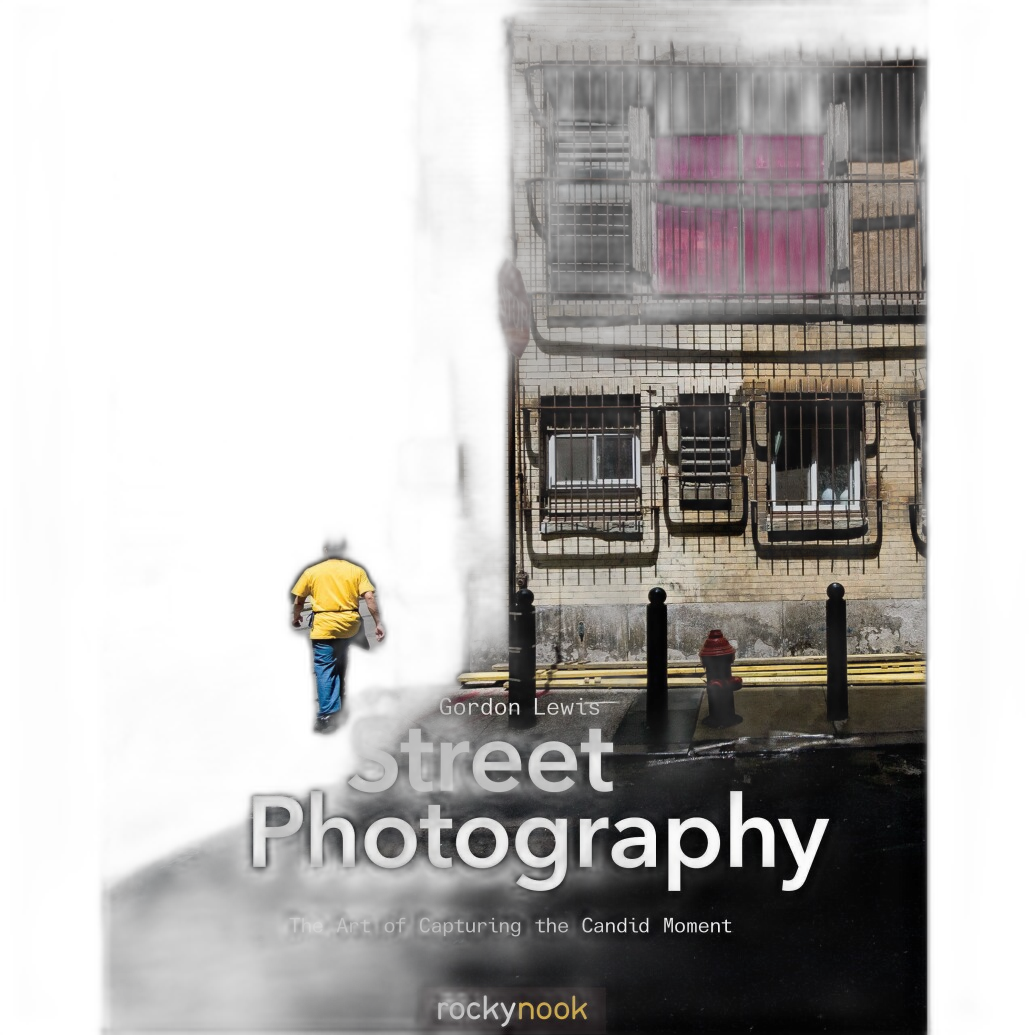
| Rocky Nook - Street Photography by Gordon Lewis | Book | Street photography fundamentals and visual approach | Helps improve judgment, timing, and exposure decisions in real-world scenes | Beginners to intermediate shooters building street instincts |
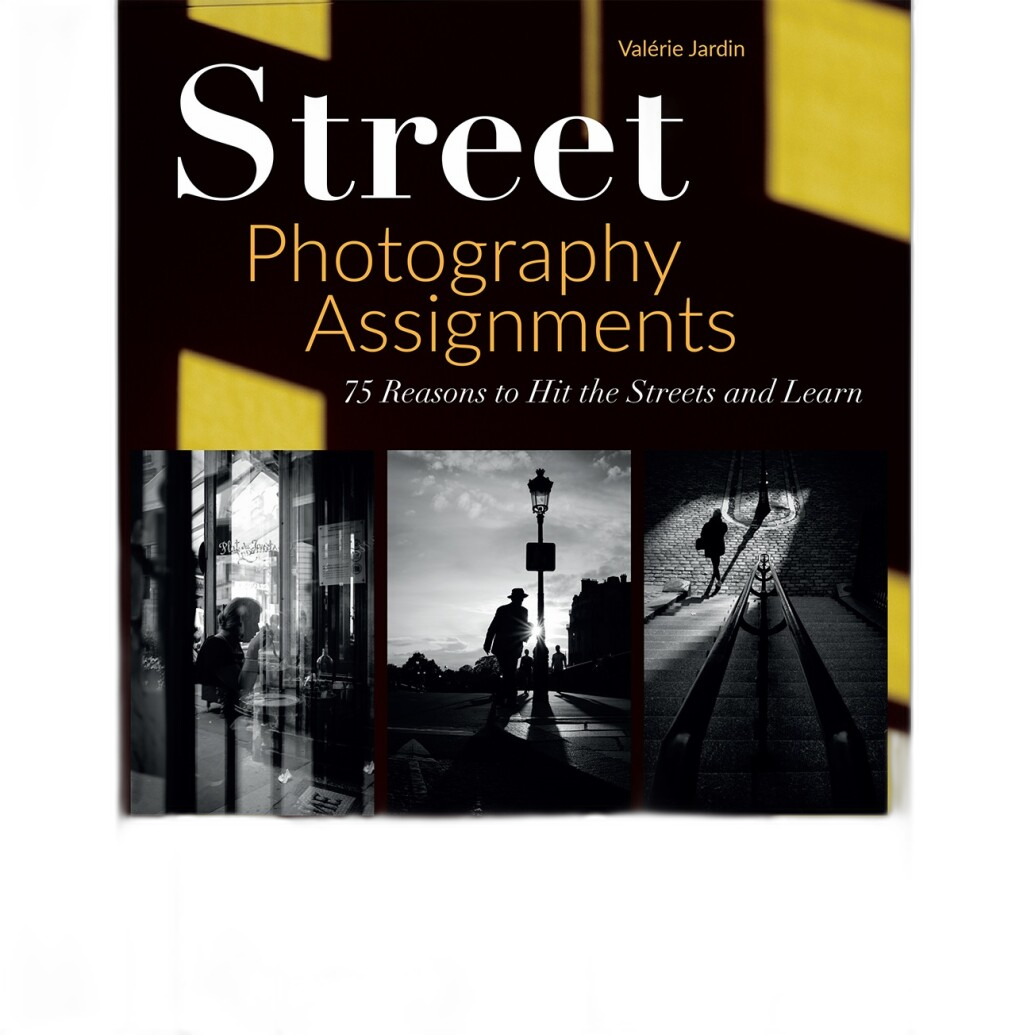
| Rocky Nook - Street Photography Assignments - Valerie Jardin | Book | Practice-based learning | Encourages repeatable exercises for mastering low-light scenarios | Photographers who learn best by doing |
Best Camera Settings to Start With
Before comparing the products in detail, here’s a strong starting point for low-light street photography:
| Setting | Recommended Starting Point | Why It Works |
|---|---|---|
| Shooting Mode | Manual with Auto ISO or Aperture Priority | Keeps you fast while maintaining control over motion and depth of field |
| Shutter Speed | 1/250 sec for walking people; 1/500 sec for faster action; 1/125 sec for slower moments | Prevents blur when subjects are moving unpredictably |
| Aperture | As wide as your lens allows, ideally f/1.4 to f/2.8 | Lets in more light and helps isolate subjects |
| ISO | Auto ISO with a max of 3200, 6400, or higher depending on your camera | Maintains shutter speed in changing street light |
| Focus Mode | Continuous AF or zone focus | Improves hit rate when subjects move through the frame |
| White Balance | Auto WB or Kelvin if lighting is consistent | Handles mixed neon, tungsten, and LED sources |
| File Format | RAW | Gives more flexibility for noise reduction and highlight recovery |
If your lens is slower or your subject is relatively still, you can lower shutter speed to gather more light. If your scene has deep shadows and bright streetlamps, a contrast-managing filter may also help produce a more pleasing tonal balance straight out of camera.
Comparing the Filter Approach vs the Learning Approach
The most direct comparison here is between gear that alters the image and resources that improve the photographer. The Tiffen filters can influence how low-light scenes render by subtly reducing contrast and lifting darker areas, which can be useful in scenes with hard point-source lighting. The Rocky Nook books, on the other hand, won’t change exposure physically, but they can absolutely improve your keeper rate by helping you anticipate moments, compose faster, and choose better settings under pressure.
Tiffen LOW LIGHT ULTRACONTRAST 1 vs LOW LIGHT ULTRACONTRAST 4
These two Tiffen filters are the most direct product-to-product comparison in this roundup. Both are designed for low-light and contrast control, but the difference is intensity.
LOW LIGHT ULTRACONTRAST 1 is the better choice if you want a restrained, natural look. In street photography, that matters because you often want atmosphere without making the effect obvious. It can be a smart option for night scenes with storefront reflections, lit windows, or overhead lamps where shadows get dense but you still want realism.
LOW LIGHT ULTRACONTRAST 4 pushes the effect further. If you regularly shoot in very contrasty urban lighting—bright signs, dark alleys, isolated subjects under hard lamps—this stronger version may produce a more stylized rendering with more noticeable shadow opening. That can be creatively useful, but it’s less subtle and may not suit every street photographer’s taste.
For most shooters exploring low-light street work, the milder filter strength is generally easier to integrate into a flexible workflow. The stronger option is more specialized and artistic.
Learning the Fundamentals: Gordon Lewis Book
Rocky Nook - Street Photography by Gordon Lewis is the stronger comparison pick for photographers who want a broad understanding of the genre. If you’re trying to figure out the best settings for low-light street photography, the real answer often depends on what kind of scene you’re trying to capture: a layered crowd crossing, an isolated subject under a streetlight, a decisive moment on public transit, or a moody rain-soaked sidewalk. A fundamentals-based book helps you understand those differences.
This type of resource is especially useful if you tend to ask questions like “Should I prioritize shutter speed or ISO?” or “How close should I get in low light?” because it builds practical street habits rather than offering one-size-fits-all settings. That makes it a strong companion for photographers still shaping their style.
Practice-Based Growth: Valerie Jardin Assignments Book
Rocky Nook - Street Photography Assignments - Valerie Jardin is ideal for photographers who learn best through exercises. Low-light street photography improves quickly when you repeat challenges: photograph silhouettes, work one intersection for an hour, use only available light, or shoot reflections after dark. Assignment-based learning can be more actionable than theory because it pushes you into real-world problem solving.
Compared with the Gordon Lewis book, this one may appeal more to photographers who already understand the basics and now want structure, prompts, and creative discipline. If you struggle to go out and practice consistently, assignments can make a real difference.
Which Option Helps Most With Low-Light Settings?
If the goal is purely to improve your camera settings and technique, the books are more broadly useful than the filters. A filter can refine tonal response, but it cannot replace decisions about shutter speed, aperture, autofocus behavior, subject anticipation, and positioning.
That said, if you already know how you like to shoot and want to shape the look of high-contrast night scenes, a Tiffen Low Light Ultra Contrast filter can be a valuable creative tool. In practical terms:
- For beginners: a book will help more than a filter.
- For intermediate shooters: a book plus a mild filter can be a strong combination.
- For advanced shooters: the choice depends on whether you need inspiration, discipline, or a specific low-light rendering style.
Our Pick
Our Pick: Rocky Nook - Street Photography Assignments - Valerie Jardin
If you want the most useful comparison winner for the topic of best settings for street photography in low light, this is the most practical recommendation. Why? Because low-light success comes from repetition and decision-making under real conditions. An assignment-driven book helps you test shutter speeds, push ISO confidently, judge available light, and learn what works for your style. It turns settings advice into experience.
If you specifically want a gear recommendation, the Tiffen 72mm LOW LIGHT ULTRACONTRAST 1 is the safer and more versatile filter pick for most street photographers because its effect should be easier to keep subtle.
Final Thoughts
The best low-light street photography settings usually begin with a fast enough shutter speed, the widest practical aperture, Auto ISO, and RAW capture. From there, your results improve through observation, repetition, and understanding how urban light behaves. In this comparison, the books offer the broadest value for sharpening your settings choices, while the Tiffen filters offer a more specialized way to control the look of difficult night scenes.
If you’re building a better low-light street kit or looking for photography resources to improve your technique, Unique Photo is a great place to explore tools, books, and accessories for your next night walk.