Photo contests promise recognition, exposure, and credibility—but they also raise one of the biggest questions in modern photography: where is the line in contest editing? As editing tools become more powerful, photographers, judges, and audiences all wrestle with the same challenge: how much post-processing supports the truth of an image, and how much changes it?
At Unique Photo, we talk with photographers across genres—from portrait artists to wildlife shooters to fine art printmakers—and this issue comes up constantly. The answer is rarely as simple as “editing is good” or “editing is bad.” Instead, ethics and authenticity in photo contest submissions depend on the category, the contest rules, the photographer’s intent, and the expectations of the viewer.
This guide breaks down the most common questions around photo contest editing ethics, including acceptable adjustments, disqualifying manipulations, and how to stay authentic while still presenting your strongest work.
What Does Authenticity Mean in Photo Contest Editing?
Authenticity in photography contests usually means that the final image accurately represents the scene, subject, or moment in a way that aligns with the contest’s stated rules. That definition shifts depending on genre:
- Photojournalism and documentary: authenticity is strict. The image should reflect reality with minimal intervention.
- Wildlife and nature: authenticity often means the animal, behavior, and environment were not deceptively altered.
- Portrait and commercial-style contests: more retouching may be acceptable if it fits the category.
- Fine art contests: compositing, conceptual manipulation, and stylized color treatment may be allowed—or even expected.
The key issue is not whether editing happened. Nearly every digital image is edited to some degree. The real question is whether the edit misleads judges or viewers about what was actually photographed.
Basic Adjustments vs Manipulation: What Is Usually Allowed?
If you are wondering what editing is acceptable in photography contests, the safest starting point is to separate global corrections from content-altering edits.
Commonly accepted edits in many contests include:
- Exposure correction
- White balance adjustment
- Contrast and tonal refinement
- Saturation and color balancing
- Moderate dodging and burning
- Sharpening and noise reduction
- Sensor dust removal
- Standard cropping within contest rules
These changes generally improve clarity without changing the factual content of the image.
Edits that often trigger ethical concerns include:
- Adding or removing subjects
- Replacing skies
- Combining multiple frames without disclosure
- Moving visual elements within the frame
- Altering facial or body features beyond standard retouching in categories that require realism
- Using AI generative fill to create details that were never captured
- Selective edits that misrepresent documentary truth
The dividing line is simple: if the edit changes the meaning, evidence, or reality of the image, it may cross into manipulation.
Why Photo Contest Rules Matter More Than Personal Preference
One of the biggest mistakes photographers make is assuming their own editing standards are what matter most. In reality, the contest rules define the ethical boundary.
Some contests allow only minimal post-processing from a single RAW file. Others permit HDR blending, focus stacking, or full creative compositing. A strong ethical workflow starts with carefully reading the submission guidelines, especially sections covering:
- Permitted software-based adjustments
- Single exposure vs multiple exposure rules
- Retouching limitations
- AI-generated or AI-assisted editing policies
- RAW file or original file requests
- Disclosure requirements for composites or stitched images
If a contest prohibits content removal and you clone out a distracting branch, that edit may be disqualifying even if it feels minor. If a contest allows artistic interpretation, the same edit may be completely fine.
At Unique Photo, we often encourage photographers to think of contest rules as part of the creative brief. They are not an obstacle—they are the framework that defines fair competition.
Is Heavy Retouching Ever Ethical in a Contest?
Yes—if the category allows it and the submission is honest about what it is.
In portrait, fashion, beauty, conceptual, and fine art competitions, heavy retouching may be part of the craft. Skin cleanup, frequency separation, color grading, background control, and compositing can all be ethical when the contest welcomes stylized work.
Problems begin when photographers submit highly manipulated images into categories where viewers and judges expect realism. For example:
- A beauty portrait with advanced skin retouching may be appropriate in a portrait contest.
- The same level of retouching may be questionable in a documentary project about real people and lived conditions.
- A composite landscape may excel in a digital art category.
- That same composite could violate a nature photography contest’s rules.
Ethics depend on context. Contest editing is less about how “heavy” the edit is and more about whether the edit is truthful within the category.
Documentary, News, and Nature Photography: Where the Line Is Strictest
Some of the most searched questions around this topic involve photojournalism editing ethics and wildlife contest disqualifications. That is because these areas often have the clearest standards.
In documentary and news contests, even small changes can become serious issues if they alter meaning. Removing an object, darkening one area to exaggerate drama, or combining frames can undermine trust in the image. The audience assumes the photograph is a faithful record.
Nature and wildlife contests are similarly sensitive. Rules often prohibit:
- Baiting animals without disclosure
- Captive animals presented as wild
- Composites presented as single captures
- Removing natural scene elements
- Excessive manipulation that misrepresents animal behavior or habitat
Judges in these categories may ask for RAW files specifically to confirm authenticity. If your image tells a true story, preserving your original capture and your editing history is essential.
AI Editing and Contest Ethics: A New Gray Area
AI has changed the conversation dramatically. Today, photographers can remove distractions, expand backgrounds, generate missing details, and even alter facial expressions in seconds. That makes AI editing in photo contests one of the most important ethics questions right now.
There is a major difference between:
- AI-assisted workflow tools, such as noise reduction, subject masking, or upscaling
- AI-generated content, such as fabricated clouds, invented background elements, or generated texture and detail
Many contests are still updating their rules, but a practical standard is this: if the AI tool creates visual information that was not in the original scene or capture, you may be outside the bounds of authenticity unless the contest explicitly permits it.
To stay safe, photographers should:
- Read AI policies carefully
- Keep original files and layered edits
- Disclose AI use when required
- Avoid generative tools in realism-based categories
As judges become more sophisticated, transparency matters more than ever.
How Judges Evaluate Edited Images in Contests
Photographers often focus on technical quality, but judges are also looking for consistency, honesty, and category fit. A beautifully edited image can still lose—or be disqualified—if the processing feels deceptive.
Judges commonly ask:
- Does the editing support the story or overpower it?
- Does the image look believable within the category?
- Are there cloning artifacts or unnatural transitions?
- Do shadows, reflections, and perspective suggest manipulation?
- Would the photographer be able to provide the original file?
Ironically, over-editing can also weaken the image artistically. Heavy-handed saturation, unnatural HDR effects, aggressive skin smoothing, and obvious composites can distract from composition and subject matter. Ethical editing is often stronger visually because it feels coherent and intentional.
How to Build an Ethical Editing Workflow for Contests
If you enter photography competitions regularly, it helps to create a repeatable workflow that protects both your reputation and your submissions.
Best practices for ethical contest editing include:
- Start with the rules. Before editing, confirm what is allowed in that specific contest.
- Work from the RAW file. Keep the original untouched capture archived.
- Edit non-destructively. Use layers, virtual copies, or software histories where possible.
- Avoid content-altering shortcuts. If you are unsure whether a change is allowed, leave it out or disclose it.
- Save versions. Maintain a master edit and a contest-specific export.
- Be prepared to verify authenticity. Retain metadata, sidecar files, and source frames if applicable.
This kind of discipline is especially important if you print your work for juried exhibitions or gallery review. A carefully controlled output workflow can help you preserve what you intended from screen to print.
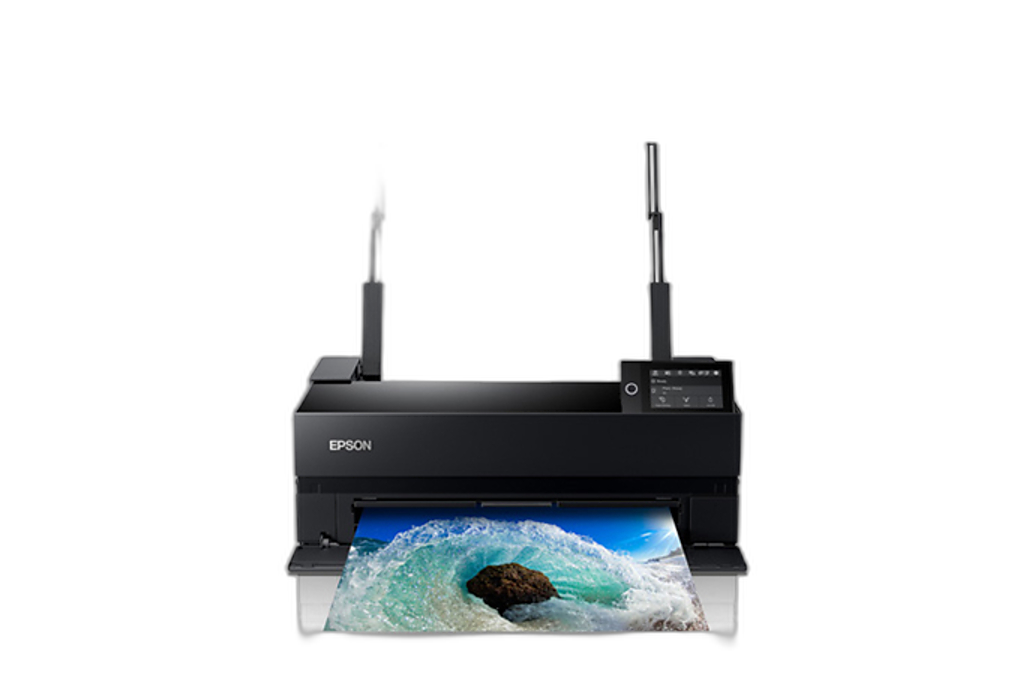
For photographers preparing exhibition-quality submissions, tools like the Epson SureColor P900 available at Unique Photo can support accurate, professional print presentation—an important step when authenticity also includes faithful print reproduction.
Authenticity in Portrait Contests: Realism vs Artistic Interpretation
Portrait photography adds another layer to the conversation because retouching has long been part of the genre. Skin cleanup, flyaway removal, tonal shaping, and color grading are common and often expected. Still, the line matters.
Ask yourself:
- Am I refining the subject, or changing who they are?
- Does this retouch preserve human texture and expression?
- Would the subject still recognize themselves?
- Does the category reward realism, beauty, editorial polish, or conceptual style?
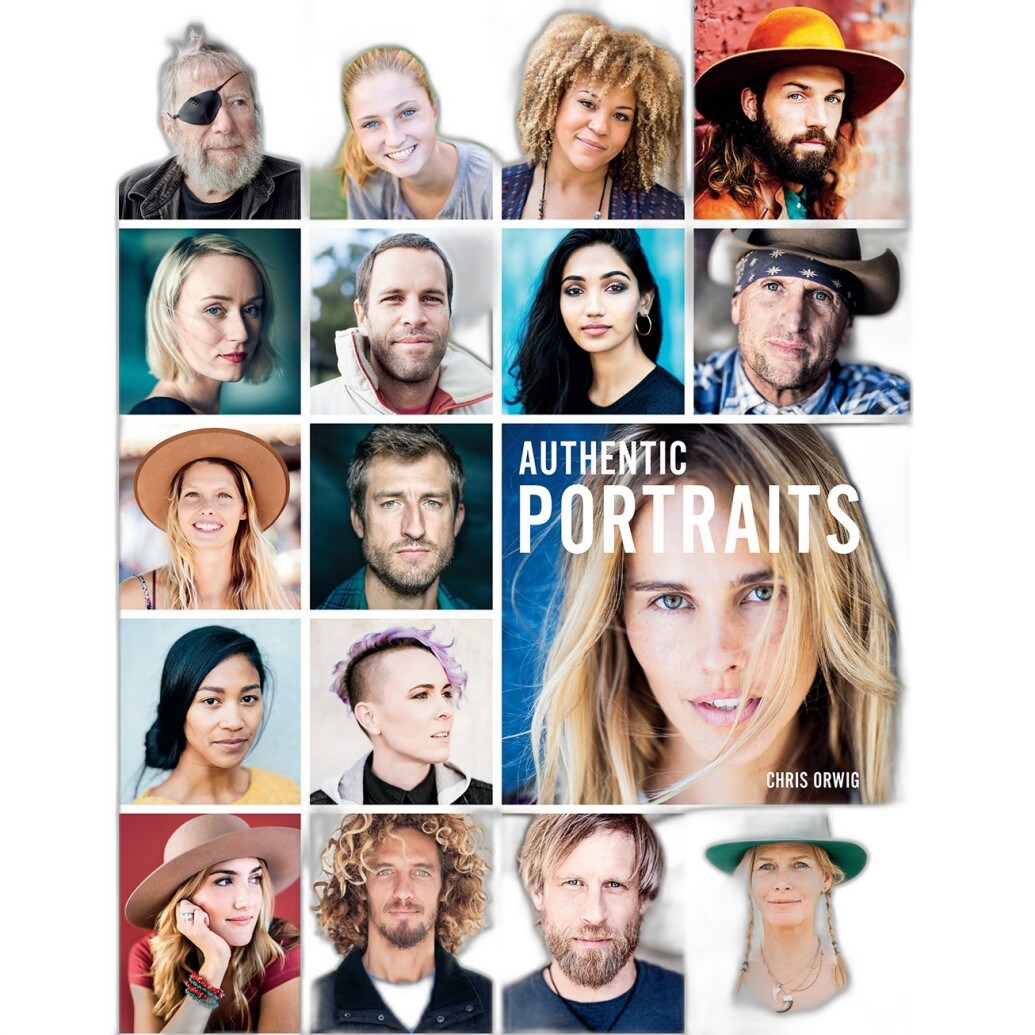
For photographers interested in creating honest yet elevated portraits, educational resources can be incredibly helpful. Books like Authentic Portraits by Chris Orwig, available through Unique Photo, align well with the idea that meaningful portraiture comes from truthful connection—not just post-production polish.
What Happens If You Cross the Line?
The consequences of unethical contest editing can be serious:
- Disqualification
- Loss of awards or published recognition
- Public criticism
- Damage to your reputation
- Bans from future contests
In the social media era, exposed manipulation can spread quickly. Even if the edit seemed minor, the perception of dishonesty can overshadow years of strong work. That is why many photographers now see authenticity as part of brand credibility, not just contest compliance.
At Unique Photo, we believe the strongest long-term approach is to create images you can defend confidently—artistically, technically, and ethically.
How to Decide if an Edit Is Ethical Before You Submit
When you are unsure, run your image through this quick test:
- Rule test: Is this clearly allowed by the contest guidelines?
- Reality test: Does this alter what was truly photographed?
- Category test: Would this level of editing be expected in this type of competition?
- Disclosure test: Would I be comfortable explaining this edit to a judge?
- RAW test: If asked for the original file, would my workflow hold up?
If the answer to any of those feels shaky, revisit the edit. Most ethical issues in contest photography do not come from malice—they come from rationalizing one extra adjustment too far.
Conclusion: The Line in Contest Editing Is Trust
So, where is the line in contest editing? In most cases, the line is trust. Editing becomes unethical when it breaks the agreement between photographer, contest, judge, and viewer about what the image is supposed to represent.
Thoughtful post-processing is part of photography. Deceptive manipulation is something else. The best contest photographers understand both the power of editing and the responsibility that comes with it.
Unique Photo is proud to support photographers who care about craft, presentation, and integrity. Whether you are refining your portrait style, preparing gallery-worthy prints, or looking for educational resources to strengthen your creative voice, building an authentic workflow will always serve you well.
For readers exploring this topic further, consider linking internally to related Unique Photo resources such as pages on photography books and educational guides, fine art printers and printing supplies, camera gear for portrait photography, and workshops or classes on photo editing and visual storytelling.