Introduction: Choosing the Right Stabilization Tool for Fast-Paced Real-World Production
Documentary shooters and news-gathering crews rarely have the luxury of building a perfect set. They work in crowds, tight interiors, changing light, uneven ground, and constantly shifting timelines. That is exactly why rig and stabilization choices matter so much. The best solution is not always the most complex one; it is the one that helps you move quickly, stay reliable, and capture usable footage under pressure.
In practical conversations among photographers, videographers, and field producers, a few categories always come up: fast-deploy tripods, gimbal support systems, compact dolly motion, and remote camera solutions that reduce the need for additional operators. For productions that also need dependable audio or backup capture, dedicated recorders can become part of the same efficiency-minded workflow.
This review looks at several strong options available from Unique Photo, with a focus on how they fit documentary and ENG-style production. From the Tilta Advanced Ring Grip for RS2, RS3, and RS3 Pro to the RENTAL ONLY Dana Dolly Kit with Track and Stands, the Canon CR-N700 4K PTZ Camera, and Tilta tripod systems, these tools serve very different purposes but solve the same larger problem: how to get stable, repeatable, professional footage when conditions are unpredictable.
Tilta Advanced Ring Grip: A Better Way to Run a Gimbal for Documentary Work
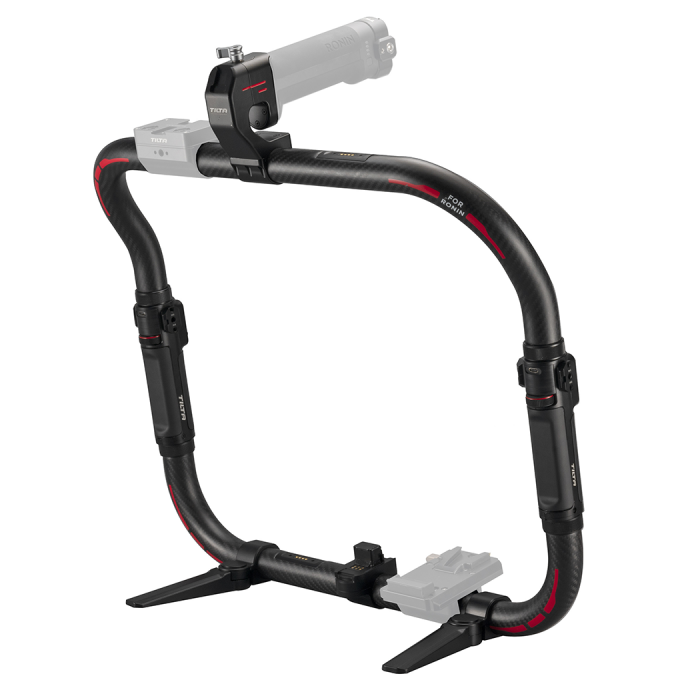
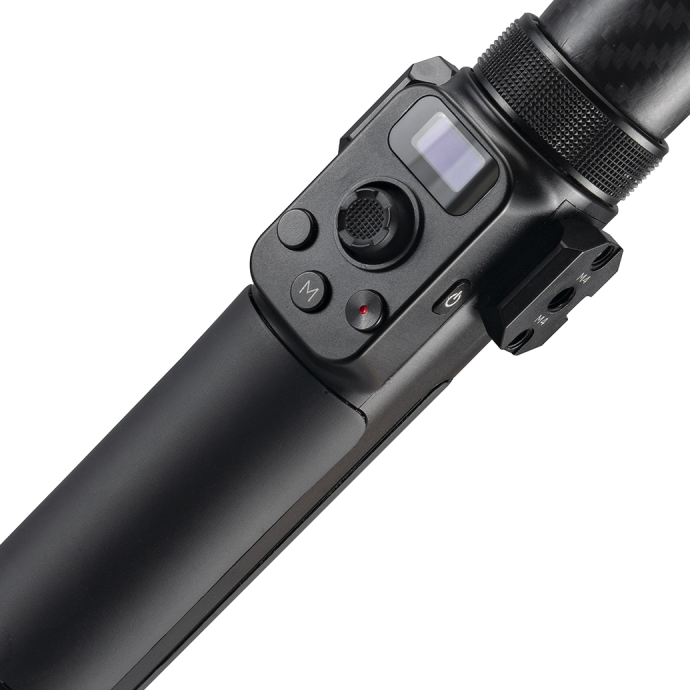
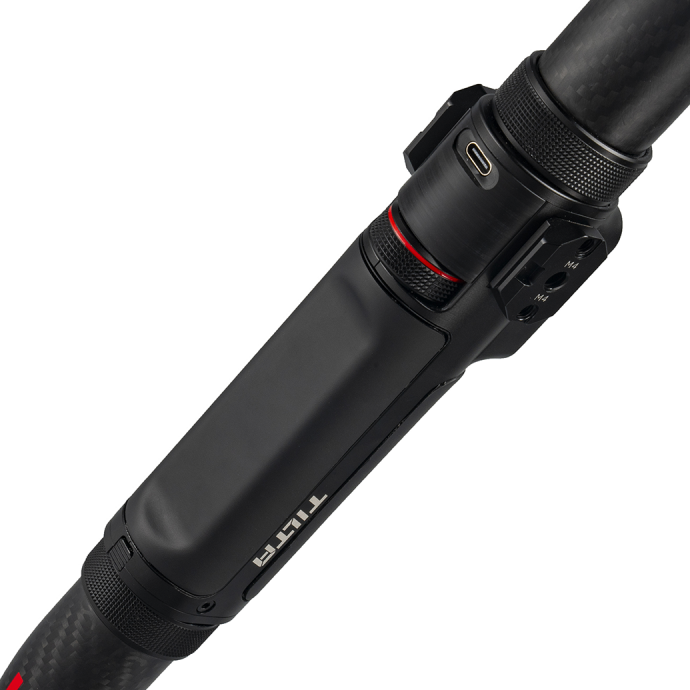
Among shooters who spend long stretches handheld, ring-grip gimbal operation continues to be one of the most practical upgrades for documentary coverage. The Tilta Advanced Ring Grip for RS2, RS3, and RS3 Pro makes a lot of sense for operators who like the look of gimbal movement but dislike the fatigue and awkward ergonomics of holding a standard gimbal body for extended periods.
Why It Works in the Field
The biggest advantage of a ring grip is leverage. Instead of supporting the full load from one narrow handle, you distribute weight across a wider frame with more natural hand positions. In documentary and news environments, that translates into smoother walking shots, easier low-angle work, and better endurance during long interviews, marches, events, or location transitions.
It also improves collaboration. An assistant can help guide, pull focus, manage cables, or support accessories more easily when the rig has a larger footprint and more mounting possibilities. For hybrid shooters balancing stills and motion assignments, this kind of modularity can save serious setup time.
Workflow Impressions
Hands-on, the Tilta design feels purpose-built for shooters who need mobility without sacrificing control. It is especially useful for documentary sequences that benefit from dynamic movement but cannot justify a full Steadicam-style setup. Think follow shots through hallways, quick scene transitions in verite storytelling, or smooth establishing movement inside working environments.
The other practical benefit is accessory integration. In real productions, a gimbal often stops being "just a gimbal" and becomes a complete operating platform for monitors, wireless video, microphones, batteries, and handles. The ring format supports that evolution much better than a bare handheld stabilizer.
Best Use Cases
This is a strong choice for event documentaries, corporate doc work, branded field pieces, fast-turn social video teams, and small crews covering breaking situations where stable movement adds production value without slowing things down.
Dana Dolly Kit: Controlled Motion for Interviews, B-Roll, and Premium Documentary Visuals
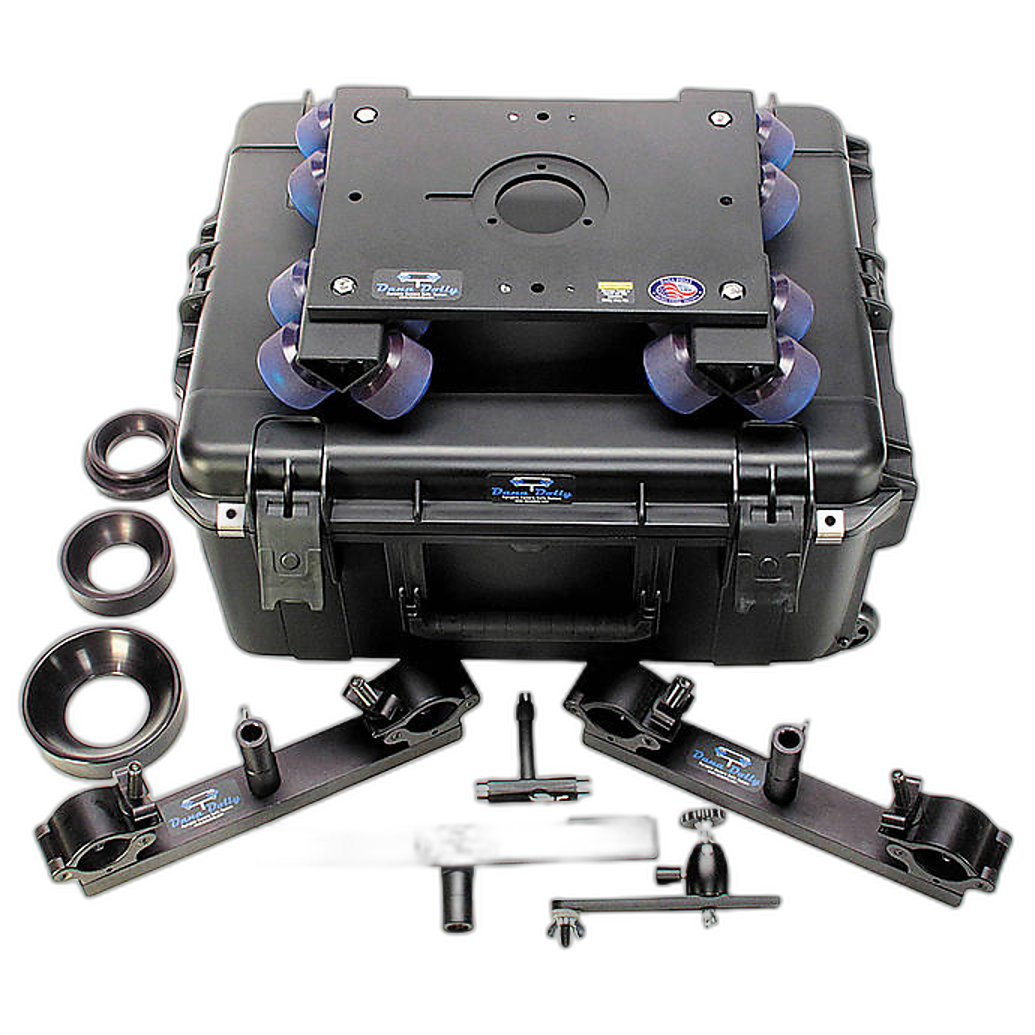
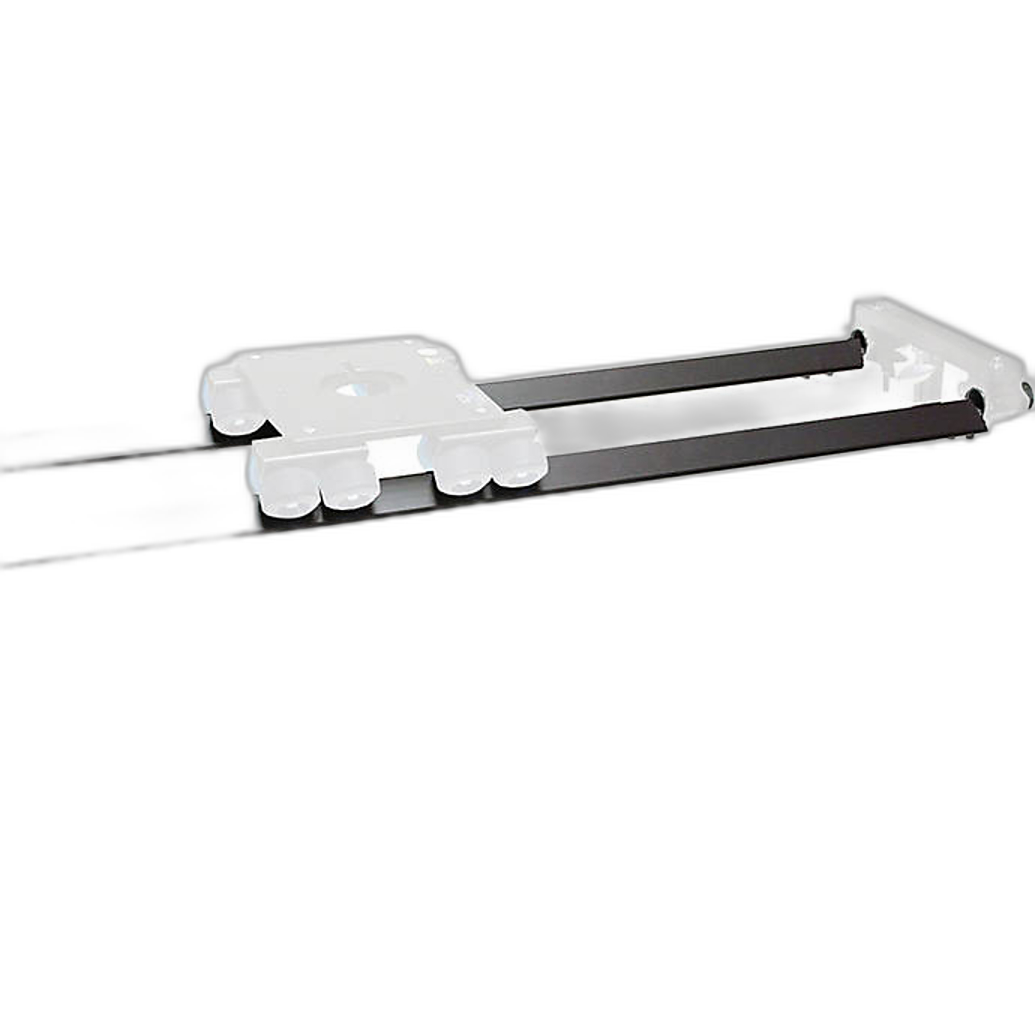
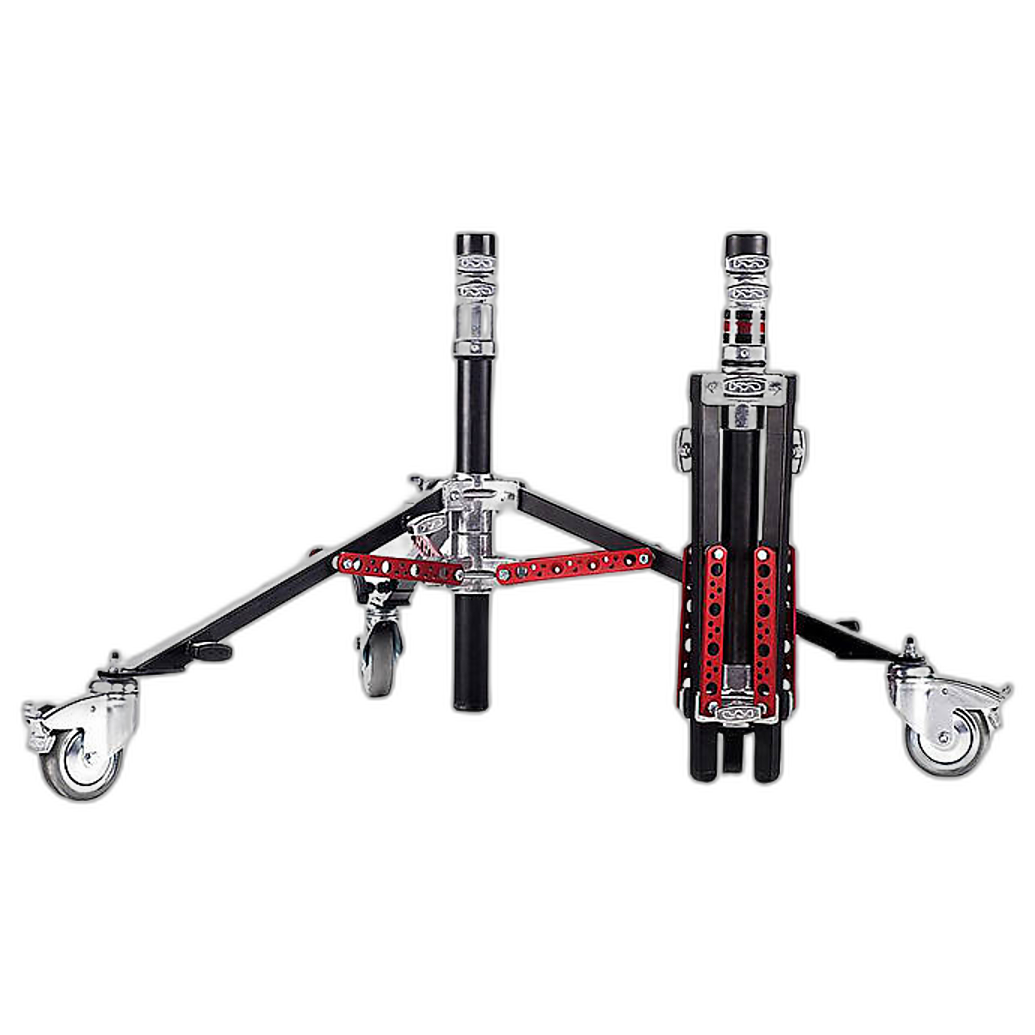
Not every documentary or news assignment calls for a dolly, but when the project needs polished motion, the RENTAL ONLY - Dana Dolly Kit with Track and Stands remains a respected solution. It is the kind of tool crews bring in when they want reliable slider-like or dolly-like movement over a longer path without moving to a full-size cinema dolly package.
Why Crews Still Love the Dana Dolly
The appeal is simple: smooth, repeatable camera movement with relatively straightforward setup. For interview pushes, lateral product or environmental detail shots, and subtle motion in observational documentary scenes, the Dana Dolly offers a cinematic layer that is difficult to fake convincingly in post.
Because it is a rental-oriented item, it fits especially well for productions that occasionally need elevated motion value but do not want to own and transport this type of support all the time. That is a smart workflow choice for freelancers and small production teams.
Documentary Reality Check
There is a tradeoff, of course. This is not the stabilization tool you grab for a chaotic press scrum or a fast-moving street interview. It needs time, space, and some setup discipline. But for sit-down interviews, feature packages, advocacy stories, historical pieces, and controlled interiors, it can dramatically improve the perceived production quality.
One useful trick many shooters rely on is using the Dana Dolly not just for obvious movement, but for micro-moves. A very slow push during an interview or a restrained lateral move on contextual B-roll can make footage feel more intentional without drawing attention to the movement itself.
Best Use Cases
Use it when you have time to build shots: interview days, documentary recreations, museum or institutional work, and premium brand-documentary hybrids. It is best considered a specialty motion tool rather than an everyday news support solution.
Canon CR-N700 4K PTZ Camera: Remote Production Stability Without a Traditional Operator
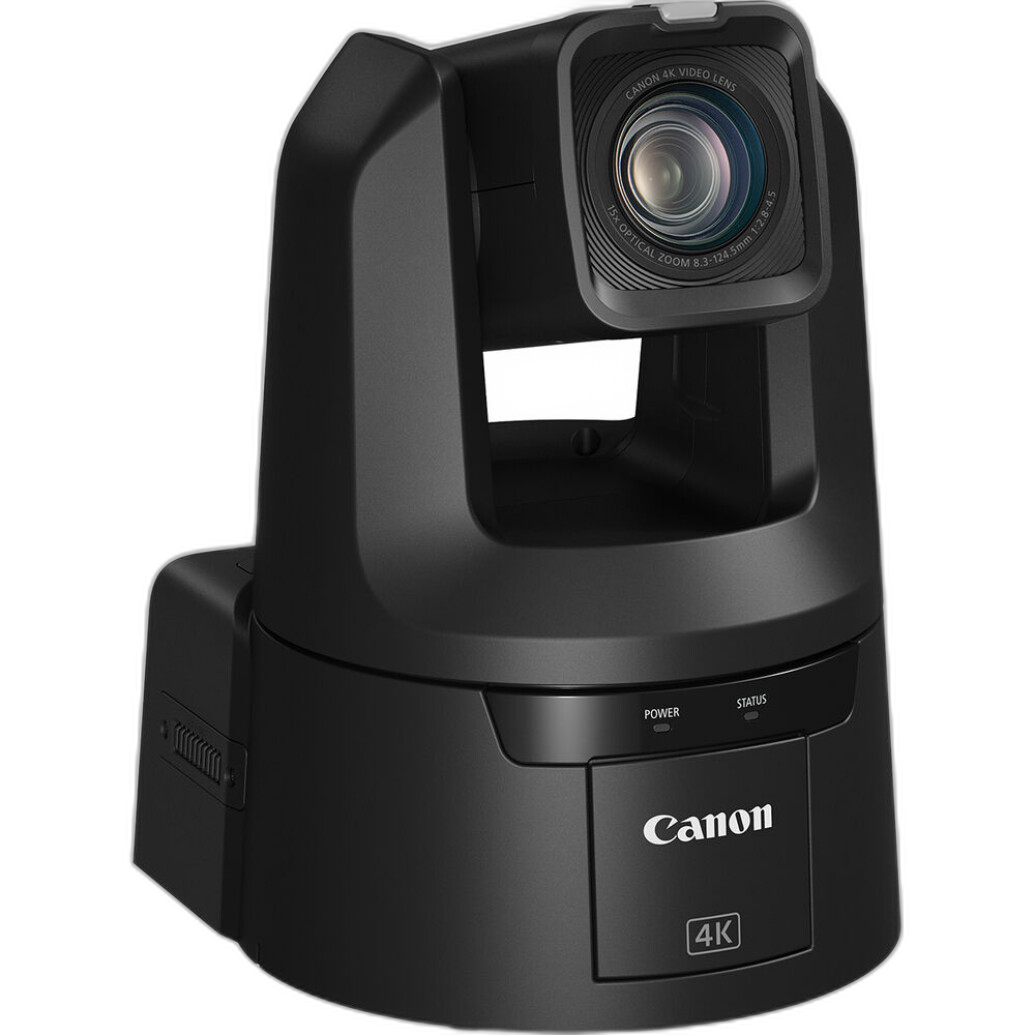
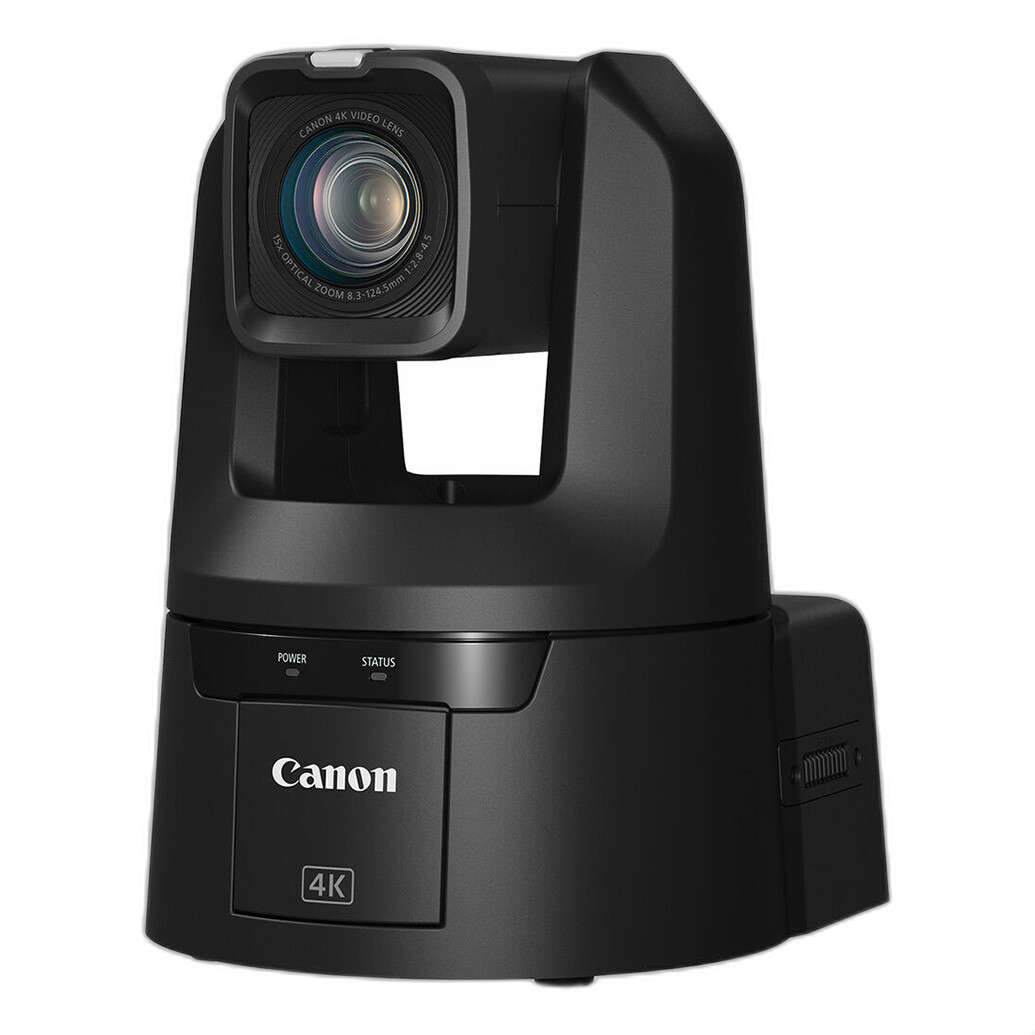
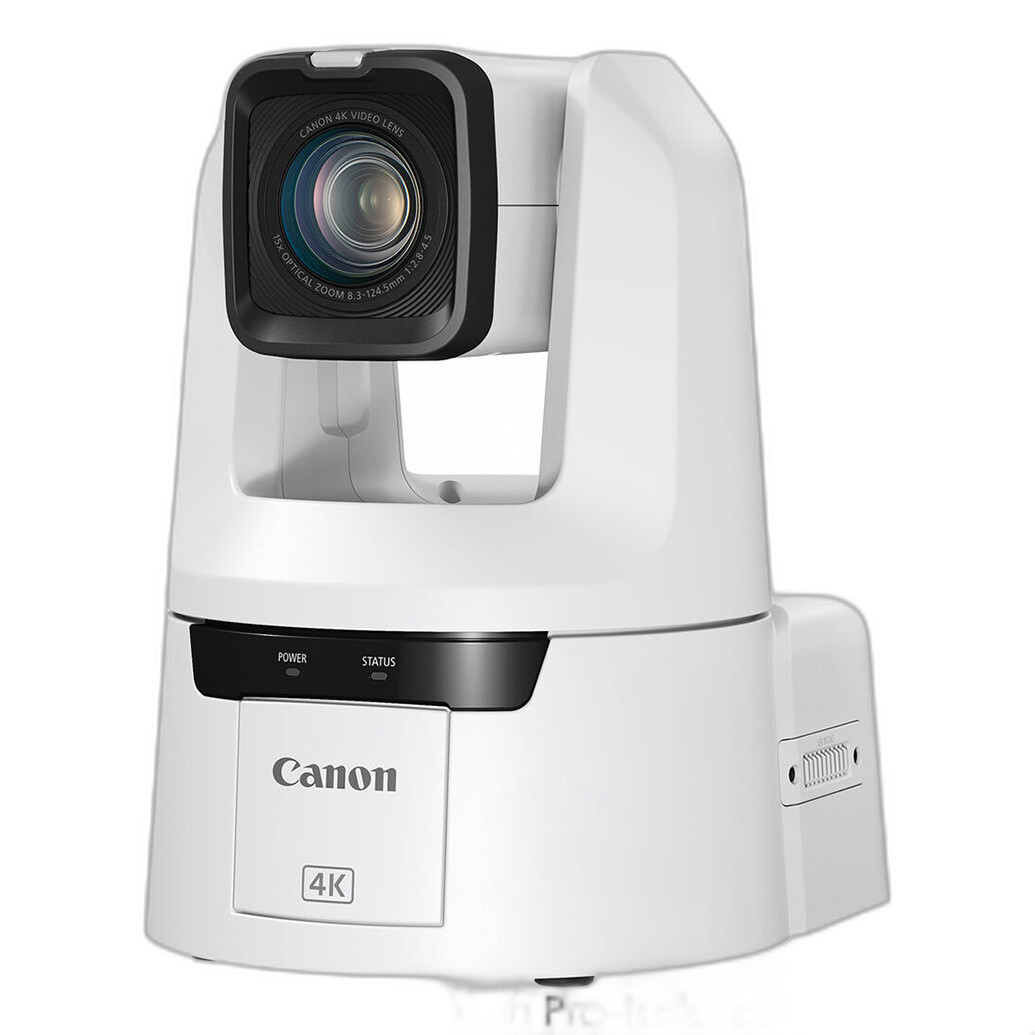
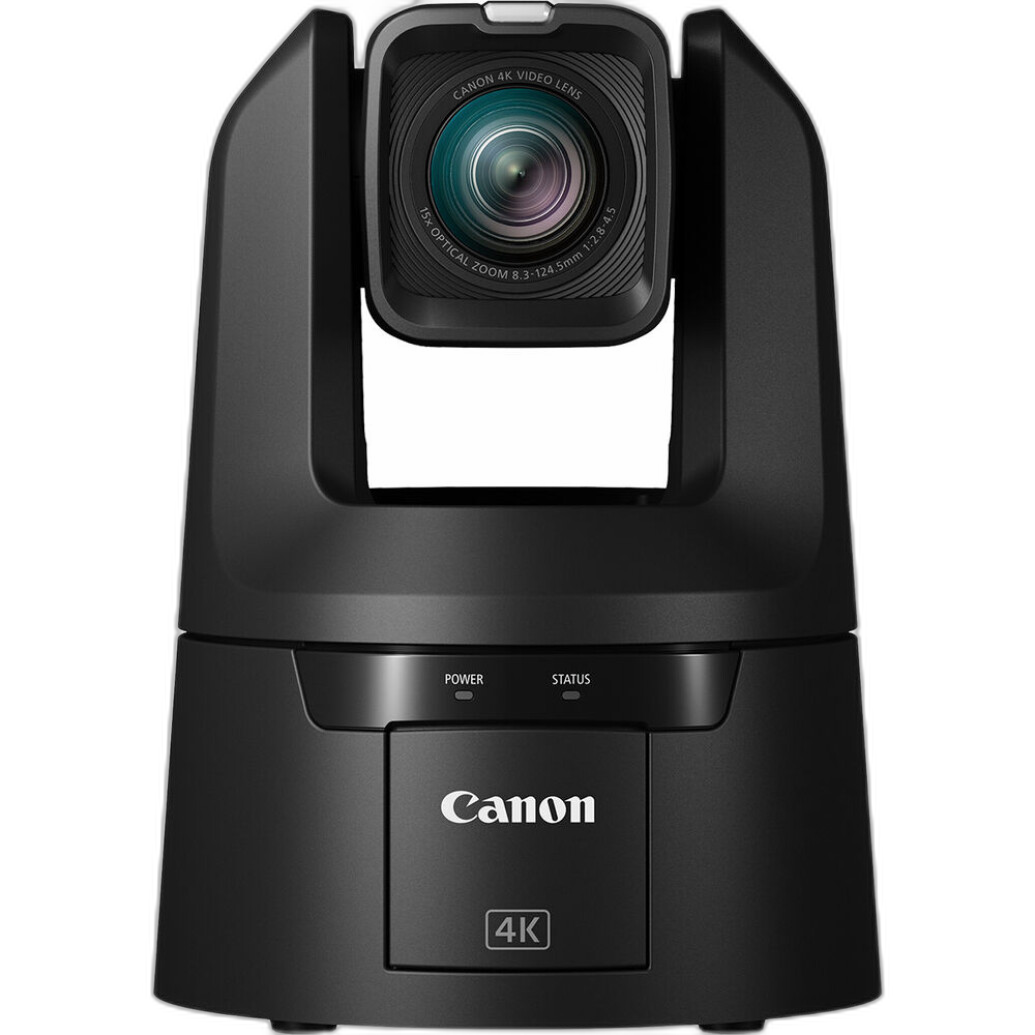
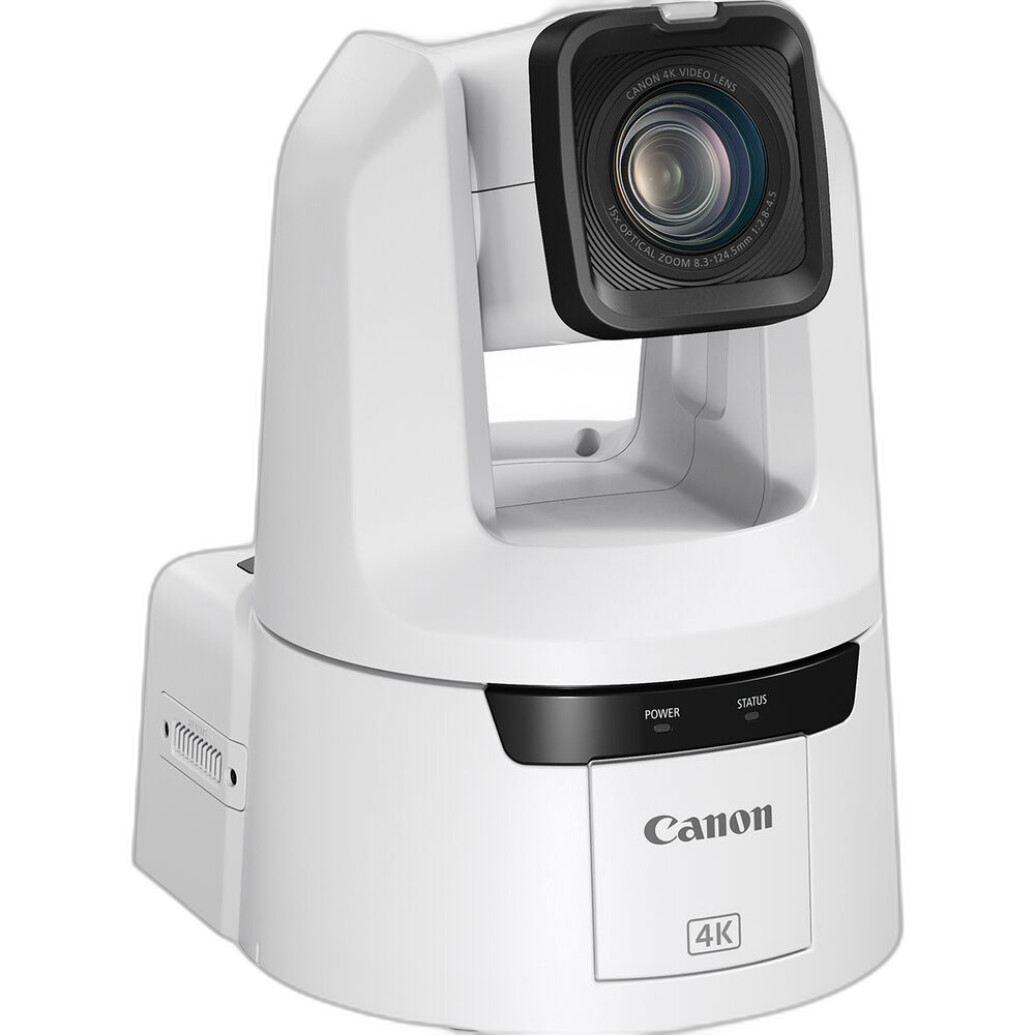
For documentary teams, houses of worship, live event crews, educational media departments, and news organizations building remote or multi-camera workflows, the Canon CR-N700 4K PTZ Camera with 15x Zoom and Auto-Tracking App is one of the most interesting stabilization-adjacent tools in this group. It is available in both black and white versions, and its value is less about handheld stabilization and more about stable, repeatable camera placement with remote control.
Remote Camera Placement Changes the Workflow
A PTZ camera solves a very specific problem: getting strong angles in places where a full operator setup is not practical. In documentary capture, that can mean a locked-off wide in a cramped room, an unobtrusive angle in a live environment, or a second or third camera during interviews, panels, or public meetings. In news and institutional production, it can reduce crew needs while preserving framing flexibility.
The 4K image pipeline, 15x zoom range, and auto-tracking functionality make the CR-N700 especially attractive for situations where one camera needs to do the work of several positions. If your workflow includes live switching, remote directing, or recurring event coverage, a PTZ like this becomes more than a camera; it becomes infrastructure.
Hands-On Perspective for Docs and News
Traditional documentary shooters sometimes overlook PTZ cameras because they associate them with conference rooms or fixed installations. But that is changing. For interviews, public affairs coverage, court-adjacent reporting where permitted, lecture capture, and documentary productions needing discreet observation, a high-end PTZ can be a remarkably efficient tool.
The core strength is consistency. Pan, tilt, and zoom moves are controlled, repeatable, and stable in a way that handheld operation cannot match. That does not replace a shoulder rig or tripod camera for frontline storytelling, but it can absolutely strengthen coverage where space or staffing is limited.
Black or White: Same Function, Different Integration
The black version tends to disappear better in dark production spaces, while the white version is often preferred in cleaner architectural or house-of-worship environments. Performance is the same; the choice is usually aesthetic and installation-driven.
Tilta Cine Fluid Head Tripod Systems: The Everyday Foundation for News and Documentary Shooting
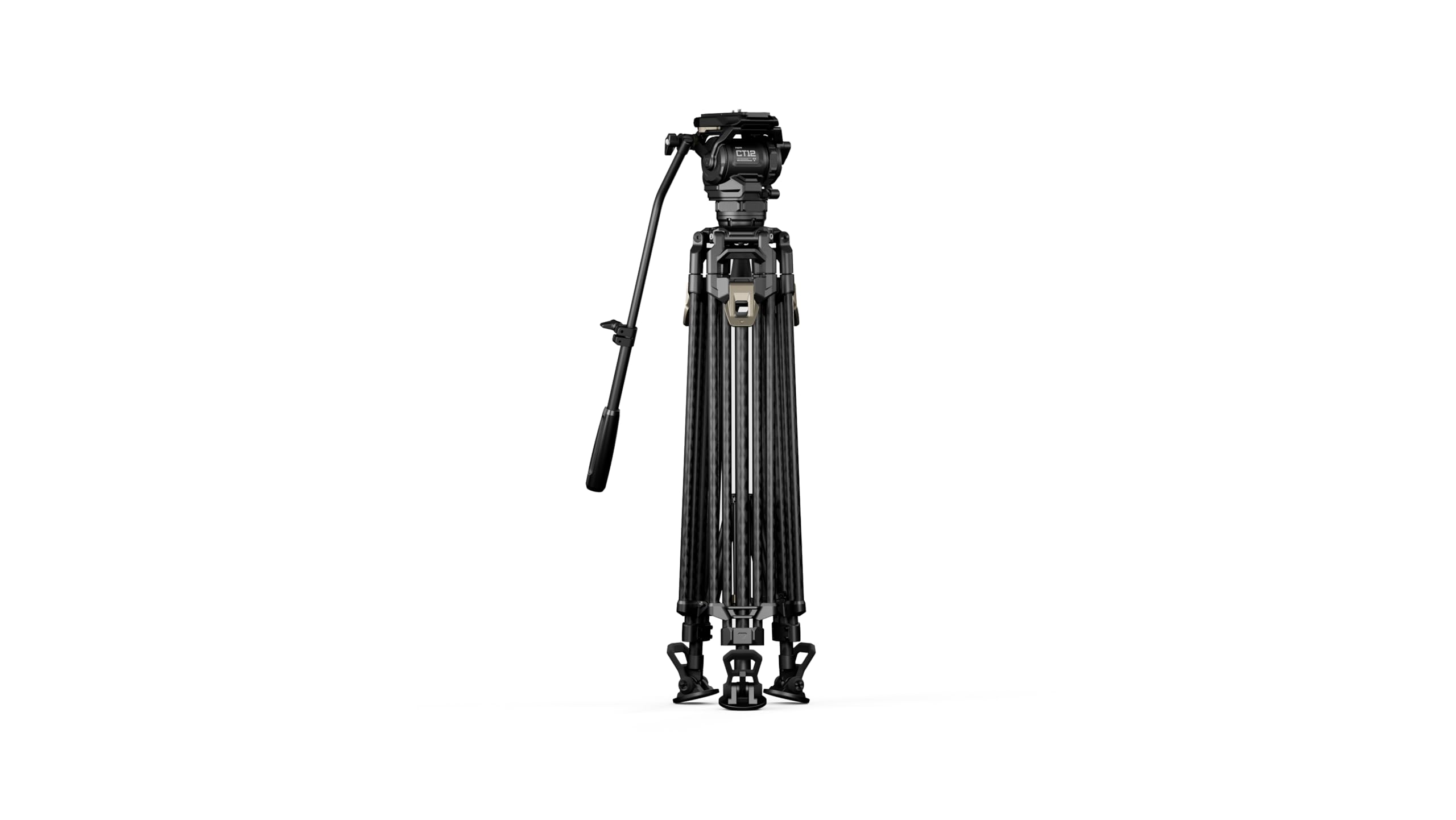
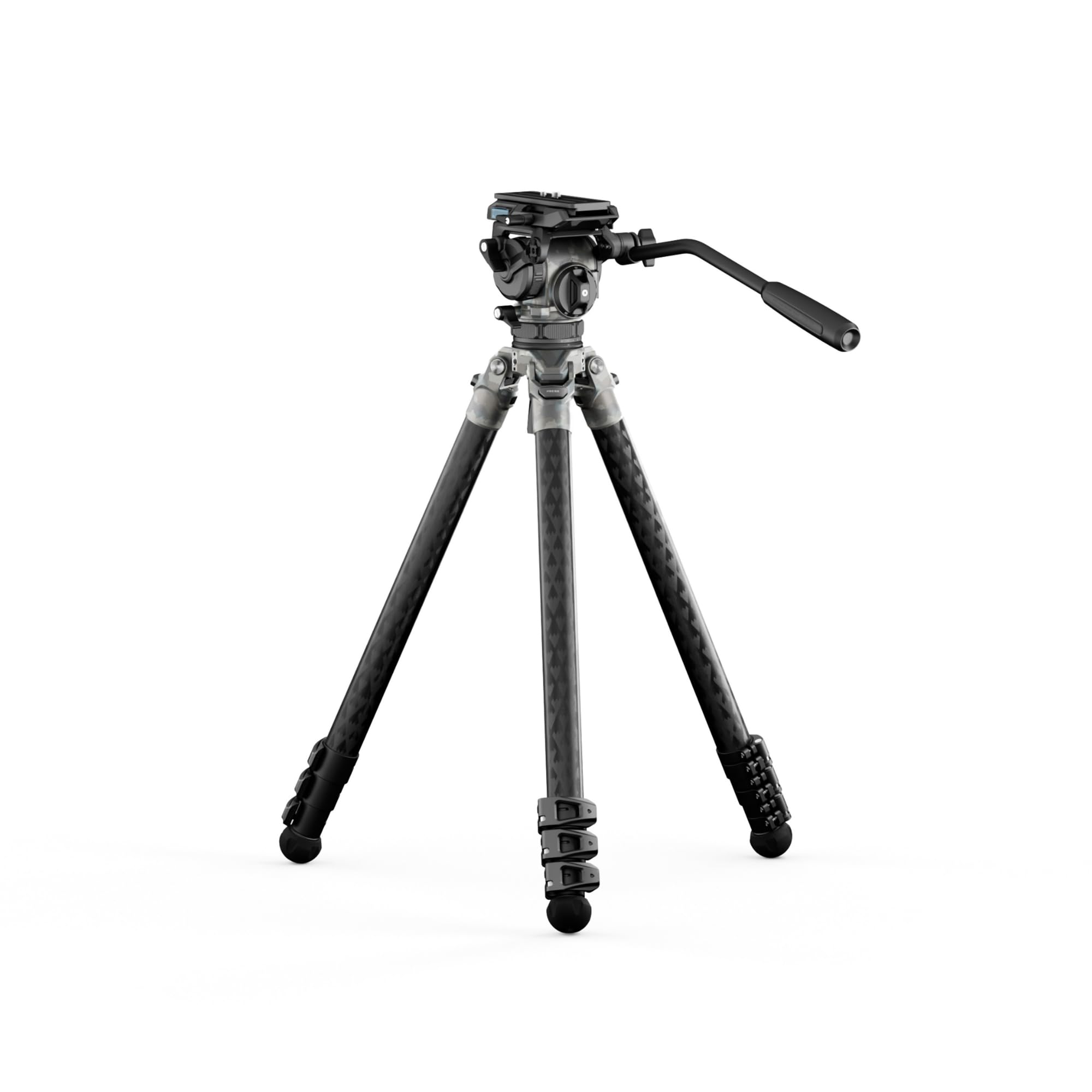
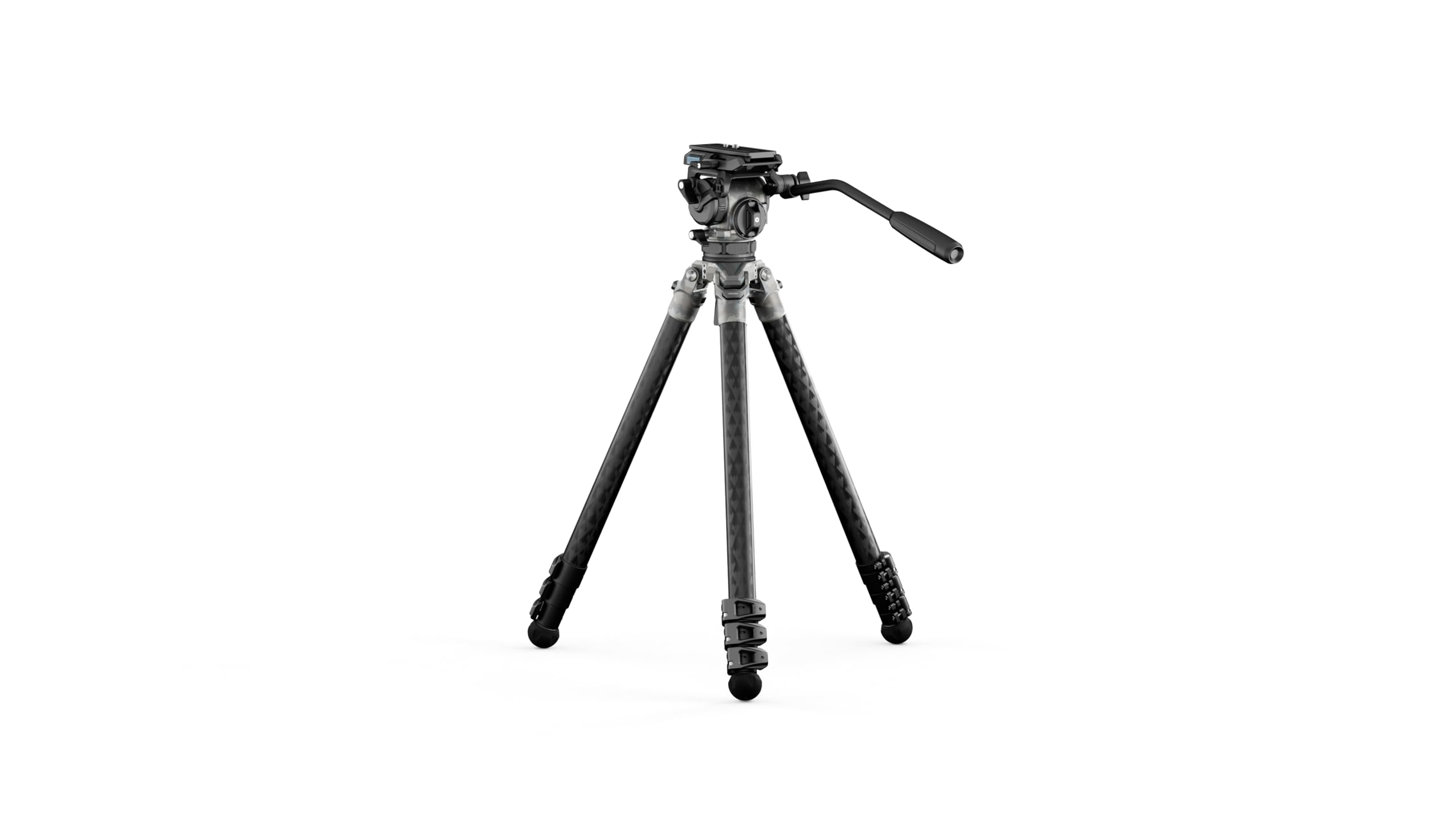
If there is one support tool that still defines professional field production, it is the tripod. For documentary and ENG work, a good fluid head tripod is often more important than any flashy stabilization accessory. The Tilta Cine Fluid Head and One Touch Carbon Fiber Tripod Legs 26.5lb Space Gray and the Tilta Cine Fluid Head and 3-Stage Carbon Fiber Tripod Legs 17.6lbs Snow Camo represent two takes on that essential category.
Why a Good Tripod Still Wins So Often
For interviews, press conferences, standups, long-lens coverage, and observational scenes, a fluid head tripod gives you the fastest route to clean footage. It sets up quickly, holds composition precisely, and allows controlled pans and tilts that still matter every day in journalism and documentary storytelling.
In a world full of gimbals, many experienced shooters still reach for a tripod first because it reduces variables. You can monitor audio more carefully, frame more critically, and conserve energy for the moments that really need movement.
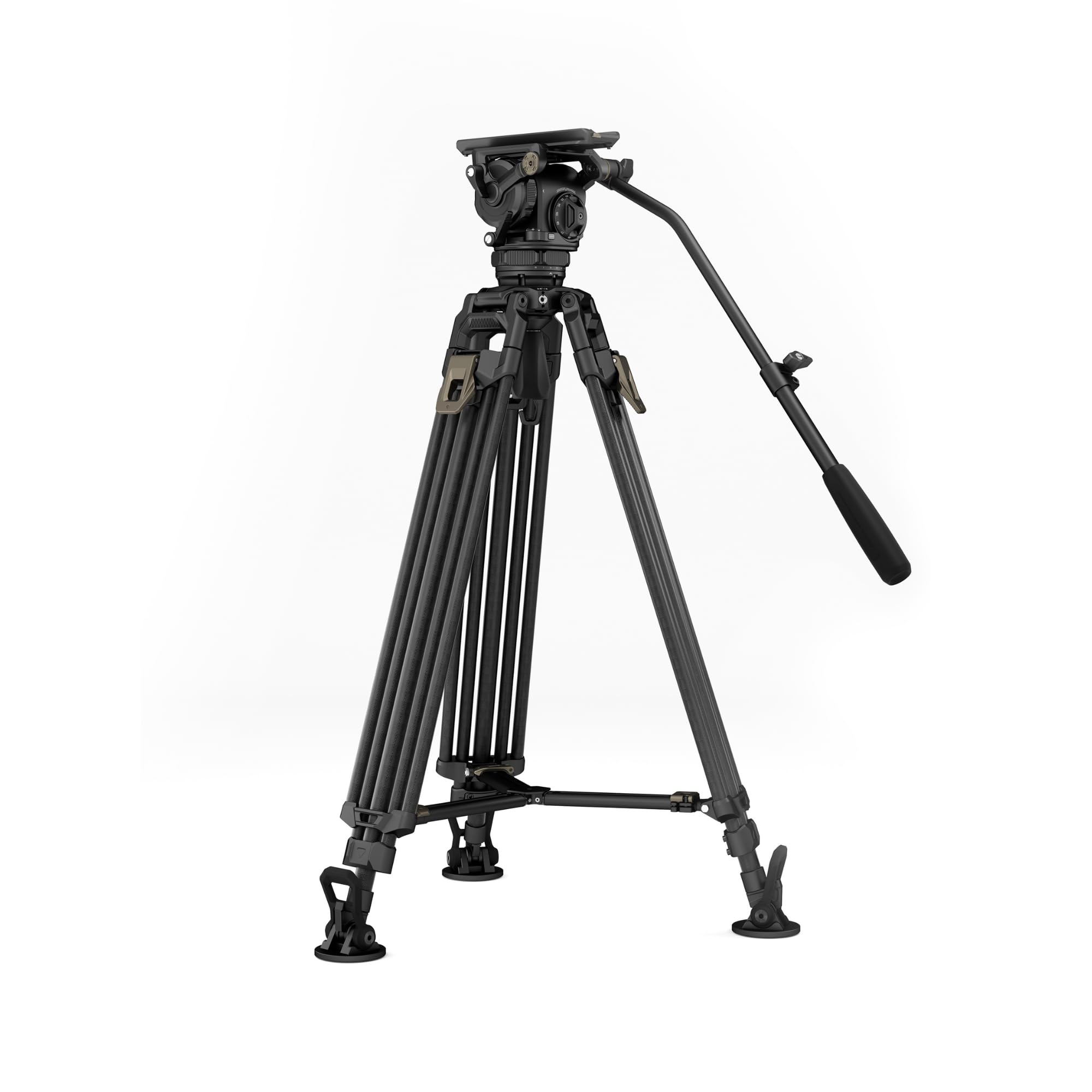
Tilta One Touch Carbon Fiber Tripod Legs 26.5lb Space Gray
This version looks especially appealing for crews who want a higher payload ceiling and fast deployment. Carbon fiber helps keep carry weight down while retaining stiffness, and the one-touch style can be a real advantage when moving between setups quickly. That is valuable in documentary production where the difference between catching and missing a moment may be measured in seconds.
For shooters working with cinema cameras, teleprompter-light interview builds, or accessorized hybrid rigs, the stronger payload capacity adds confidence. It is the kind of tripod setup that can move from a compact mirrorless body to a more serious video package without feeling outmatched.
Tilta 3-Stage Carbon Fiber Tripod Legs 17.6lbs Snow Camo
The 3-stage model offers a different kind of flexibility, particularly for height adjustment and compact transport logic. For documentary shooters working in awkward rooms, over seated subjects, or in crowds, that extra staging can be useful. The lower weight class may also better suit lighter mirrorless and compact cinema builds.
Its personality feels more field-oriented for shooters who prioritize mobility and fast adaptation over maximum payload. That makes it attractive for solo operators, small crews, and run-and-gun video journalists.
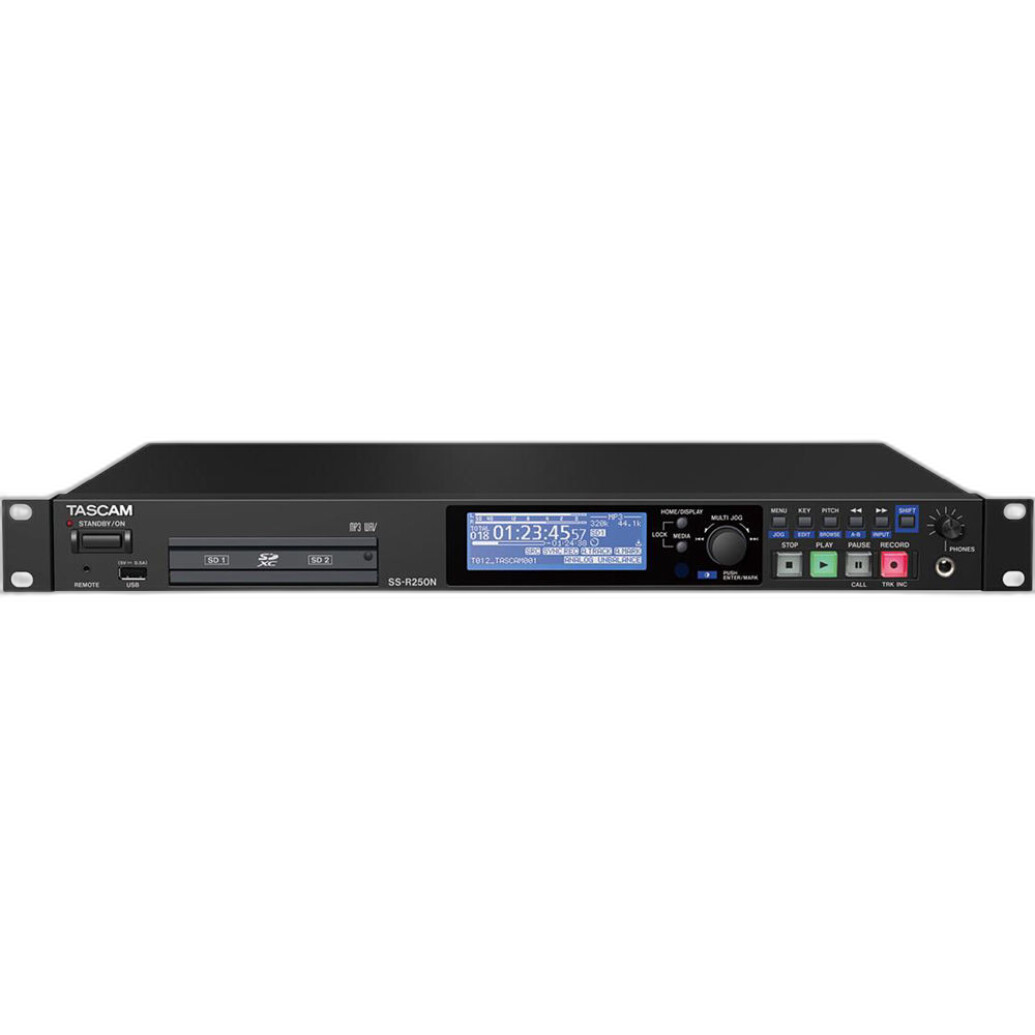
Tascam SS-R250N: A Smart Companion for Reliable Audio and Networked Capture
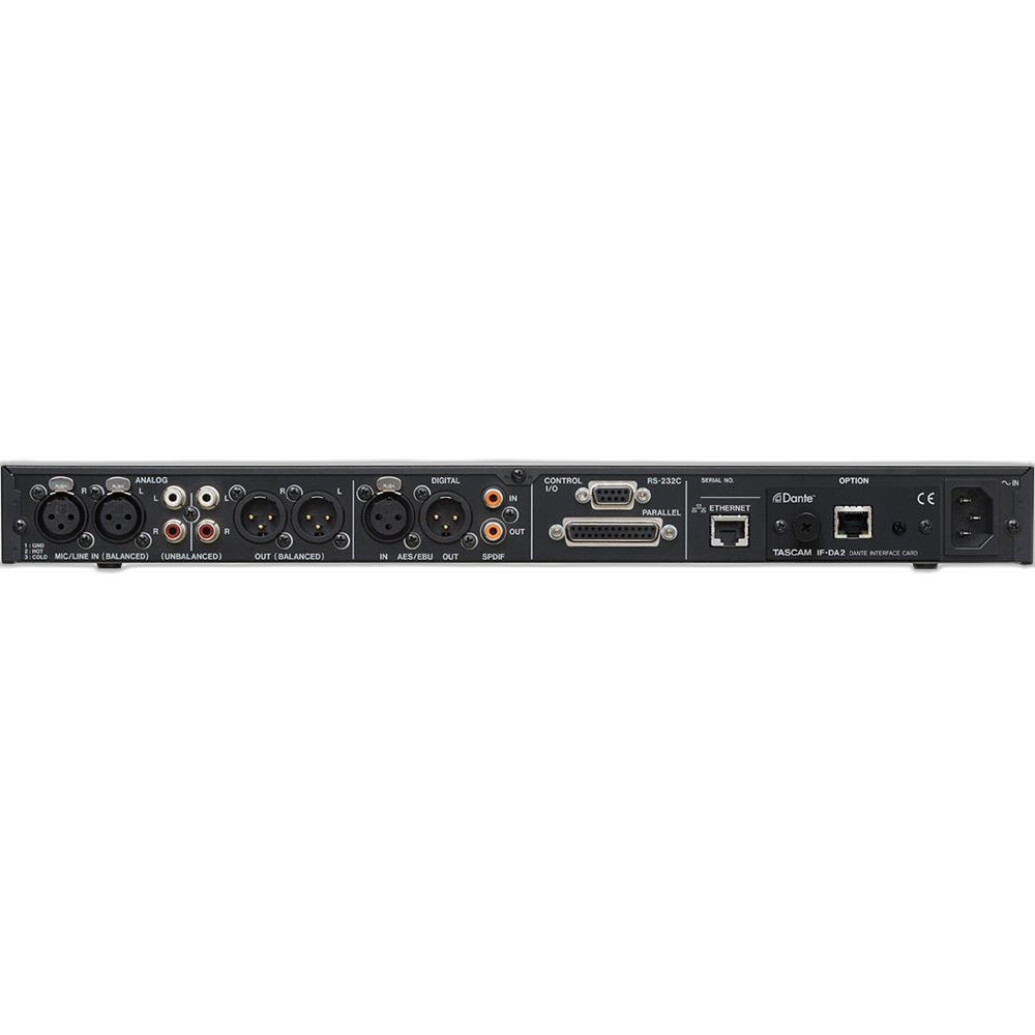
While not a stabilization product, the Tascam SS-R250N Memory Recorder with Networking and Optional Dante Support deserves mention in this discussion because documentary and news workflows depend on reliability across the whole chain. Stable footage is only half the equation; dependable audio capture and backup recording are equally important.
Why It Matters in Production Workflows
For panel discussions, interview facilities, remote event capture, institutional documentary production, and multi-room setups, a dedicated networkable recorder can add confidence that camera-only workflows often lack. If you are integrating PTZ cameras, fixed support, or a multi-source recording environment, this kind of device can simplify operations and create cleaner handoffs in post.
It is especially relevant when documentary and news teams are increasingly asked to deliver both edited packages and live or near-live coverage from the same setup.
Pros and Cons of These Documentary and News Stabilization Approaches
Pros
- Tilta Advanced Ring Grip: improves gimbal ergonomics, supports longer operating sessions, and adds accessory flexibility.
- Dana Dolly Kit: delivers highly polished, cinematic motion for interviews and B-roll when time and space allow.
- Canon CR-N700 PTZ: enables stable remote operation, repeatable framing, and efficient multi-camera coverage with fewer operators.
- Tilta Tripod Systems: offer fast setup, controlled movement, and the everyday reliability that documentary and ENG shooters need most.
- Tascam SS-R250N: strengthens overall production reliability with dedicated recording and network integration potential.
Cons
- Tilta Advanced Ring Grip: adds size and complexity compared to a bare gimbal and may be excessive for ultra-light travel kits.
- Dana Dolly Kit: requires setup time, support gear, and shooting space, making it less practical for breaking news.
- Canon CR-N700 PTZ: is best suited to planned remote workflows rather than highly reactive handheld storytelling.
- Tilta Tripod Systems: while essential, they do not replace the visual energy of moving camera tools when motion is creatively required.
- Tascam SS-R250N: is workflow-specific and most beneficial for teams with networked, event, or multi-source audio needs.
Verdict: Which Option Makes the Most Sense?
If you are building a documentary or news-gathering kit, the smartest approach is to think in layers rather than searching for one universal stabilizer.
For most shooters, a solid fluid head tripod remains the foundation. The Tilta tripod systems reviewed here make the strongest everyday case because they support the broadest range of assignments with the least compromise.
If your style leans into active movement and immersive sequences, the Tilta Advanced Ring Grip is the standout add-on. It makes gimbal shooting more practical for real-world production days, not just short demo shots.
If your projects need high-end production value in controlled environments, the Dana Dolly Kit is an excellent rental choice and exactly the kind of tool that can elevate interviews and B-roll without requiring a massive grip package.
And if your workflow is evolving toward live, remote, multi-angle, or minimally staffed production, the Canon CR-N700 PTZ Camera is arguably the most transformative option in the group.
For buyers and renters putting together documentary and ENG workflows, Unique Photo is a strong place to source these tools, whether you are investing in an everyday support system, adding specialized motion gear, or expanding into PTZ-based production.