Few topics in photography spark more debate than acceptable levels of post-processing. Whether the discussion happens around a local camera club competition, a major international photo contest, or in online communities, the same questions keep returning: How much editing is too much? What do contest rules really mean? And why does enforcement sometimes feel inconsistent?
At Unique Photo, we regularly see photographers navigating the balance between creative expression, technical refinement, and ethical expectations. The issue is not simply whether editing is allowed. In most cases, some level of editing is expected. The real debate centers on where organizers draw the line, how clearly they communicate it, and how evenly they apply those standards.
What Is Considered Acceptable Post-Processing in Photography Contests?
In many contests, basic post-processing is considered normal. Commonly accepted edits often include exposure correction, white balance adjustments, contrast tuning, sharpening, noise reduction, lens corrections, cropping, and minor color refinement. These changes are often viewed as an extension of darkroom practice rather than manipulation.
The controversy usually begins when edits change the factual content of the image. Removing objects, adding elements, replacing skies, heavy compositing, AI-generated additions, and extreme local retouching can shift an image from documentation toward illustration. That distinction matters most in genres like photojournalism, wildlife, documentary, and travel.
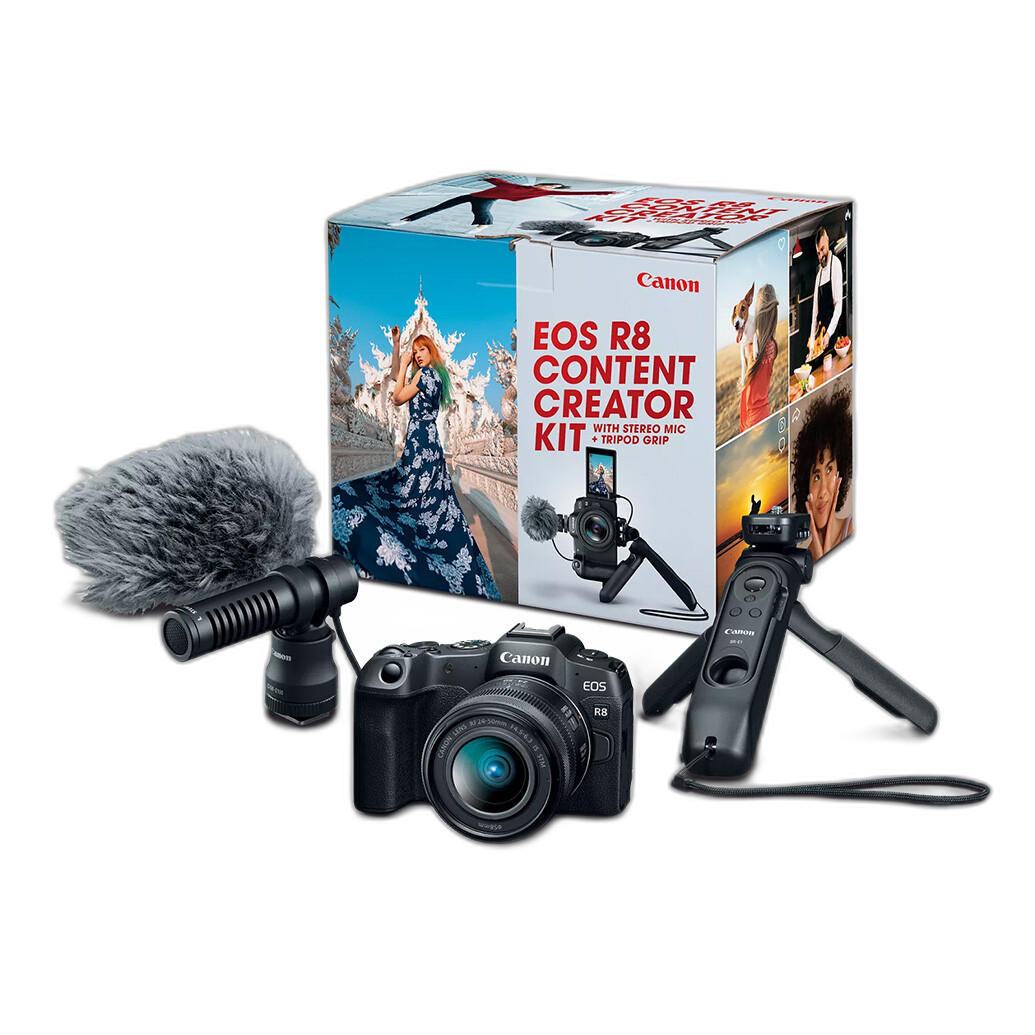
For photographers learning to refine their files cleanly and transparently, choosing a camera with strong image quality from the start can reduce the urge to push edits too far. A hybrid mirrorless setup like the Canon EOS R8 Content Creator Kit can give creators a flexible foundation for stills and video work.
How to Interpret Contest Rules About Editing
One of the biggest problems is that contest rules often sound precise until you actually try to apply them. Phrases like minimal editing only, no significant alteration, faithful to the scene, or standard optimization permitted leave room for interpretation. To one judge, lifting shadows may be normal. To another, aggressive shadow recovery may be seen as deceptive.
Here are a few ways photographers often interpret contest language:
- Technical correction standard: Editing is allowed if it fixes limitations of the camera and preserves the original scene.
- Darkroom equivalence standard: If it could reasonably be done in a traditional darkroom, it may be acceptable.
- Content integrity standard: Any change to scene content is prohibited, even if tonal edits are allowed.
- Artistic intent standard: Editing is acceptable if the contest category emphasizes expression over documentation.
The safest approach is to assume that if a contest emphasizes authenticity, you should preserve the scene as captured and retain your original RAW file. If the rules are unclear, ask for clarification before entering. At Unique Photo, we always encourage photographers to read category definitions as carefully as the prize list.
Why Enforcement of Editing Rules Feels Inconsistent
Many photographers have personal stories about contest enforcement that feel frustrating. One image gets flagged for cloning out a distraction, while another with dramatic color grading passes. A heavily processed landscape wins in one competition, but a similar style is rejected elsewhere. This inconsistency often comes down to several factors:
- Different judges bring different thresholds for what looks natural.
- Some organizers review files carefully, while others rely mainly on visual inspection.
- RAW file requests may only happen after a complaint or finalist selection.
- Categories such as fine art, portrait, or conceptual work usually allow more latitude than documentary categories.
- AI tools and advanced masking have made subtle manipulation harder to detect.
That uneven enforcement is a major reason the debate continues. Contestants want fairness, but organizers are often balancing limited resources with growing technical complexity.
Personal Experiences With Contest Rule Enforcement
Ask a group of experienced photographers about editing rules, and you will usually hear a range of personal experiences. Some have had images disqualified over relatively minor corrections. Others have seen obviously manipulated work remain in contention until public criticism forced a review. These experiences shape how photographers approach future submissions.
A common pattern looks like this:
- The photographer edits in good faith, believing the work remains true to the original scene.
- The contest requests a RAW or original file for verification.
- An organizer determines that a localized adjustment, object removal, or tonal shift crosses the rule boundary.
- The entrant feels surprised because similar edits appear common in the contest gallery.
This gap between expectation and enforcement is where most of the frustration lives. For many photographers, the lesson is not that contests are unfair by definition, but that rule interpretation is often more subjective than it appears.
Documentary vs Fine Art: Why Category Matters
The acceptable level of post-processing depends heavily on category. In documentary-oriented contests, viewers expect the image to represent a real event or scene with minimal intervention. In fine art or conceptual categories, editing may be central to the final vision.
For example, a street or documentary image may be disqualified for removing a sign, person, or wire. In contrast, a portrait or conceptual competition may welcome compositing, skin retouching, stylized grading, and atmospheric effects. Understanding this difference is critical before submitting work.
Photographers interested in creating polished but honest files often benefit from controlling more of the image in-camera. Tools like the PolarPro PMVND Signature Edition II 77mm filter can help manage exposure creatively before editing even begins, supporting a cleaner workflow.

What Judges and Organizers Usually Look For
Even when rules differ, judges and contest administrators tend to focus on a few recurring concerns:
- Scene integrity: Was anything added, removed, or relocated?
- Tonal realism: Do contrast, saturation, and color still appear believable for the category?
- Disclosure: Did the entrant accurately describe the editing process when asked?
- Original file support: Can the photographer provide RAW files or sequential frames?
- Consistency with category expectations: Does the edit align with the spirit of the competition?
This is why file organization matters. If you enter contests regularly, keep your originals, export versions, and editing notes. Good archival practice can protect you if questions arise later.
Best Practices for Editing Photos for Competition
If you want to stay on safer ground, these best practices can help:
- Read the rules for each specific contest, not just the headline summary.
- Check whether RAW files, JPEG originals, or sidecar metadata may be requested.
- Avoid removing or adding elements unless the category clearly allows it.
- Be cautious with sky replacements, AI fill, and generative tools.
- When in doubt, submit the more conservative version.
- Save layered files and export histories for important entries.
- Ask the organizer for clarification before the deadline.
Many photographers discover that disciplined capture reduces later risk. A capable camera like the Canon EOS R7 Content Creator Kit offers strong image quality and flexibility for creators who want dependable files for editing and competition workflows.

How Much Editing Is Too Much?
There is no universal answer, which is exactly why the debate remains active. In practical terms, editing becomes too much when it violates either the written rules or the reasonable expectations of the category. If an image presents itself as documentary truth while relying on substantial scene reconstruction, many viewers and judges will see that as a problem.
On the other hand, photography has always involved interpretation. Lens choice, shutter speed, perspective, framing, timing, paper selection, and darkroom technique all shape meaning. Post-processing is part of that tradition. The challenge is not eliminating interpretation, but being honest about which kind of photography you are making.
The Role of Camera Choice in Reducing Heavy Editing
One practical way to avoid contest trouble is to start with files that need less rescue work. Better autofocus, dynamic range, color response, and low-light performance can all make a difference. That is one reason many photographers upgrading through Unique Photo look at modern mirrorless systems for contest, travel, and creator work.
The Canon EOS R10 Content Creator Kit is another strong option for photographers who want a nimble setup with plenty of room for careful post-processing without overreliance on drastic corrections.

Editing Ethics, Audience Trust, and Long-Term Reputation
Beyond any single contest, the editing debate is really about trust. If you build a reputation in journalism, wildlife, or documentary photography, viewers expect a truthful relationship to the scene. If your work is rooted in fine art, audiences may expect transformation and interpretation. Problems emerge when the presentation and the process do not match.
Photographers who are transparent about their methods tend to avoid many of the worst disputes. Ethical editing is not only about following rules. It is also about maintaining confidence from clients, editors, contest organizers, and audiences over time.
For photographers interested in the broader culture and ethics of image-making, photo books can offer valuable context. Titles like Nothing Personal The Back Office of War - Nikita Teryoshin reflect how contemporary photography often intersects with questions of representation, truth, and interpretation.
Conclusion: Clear Rules and Honest Workflow Matter Most
The debate around acceptable post-processing is unlikely to disappear. Editing tools are more powerful than ever, contest definitions continue to evolve, and photographers bring different expectations to every category. But a few principles remain constant: read the rules carefully, preserve your originals, understand the category, and edit in a way that matches both the letter and spirit of the competition.
At Unique Photo, we believe strong photography starts with informed choices, both in-camera and in post. If you are preparing work for contests, now is a good time to review your workflow, camera setup, and capture techniques so you can spend less time worrying about rule violations and more time making compelling images.
For related reading and shopping, consider linking internally to Unique Photo pages for mirrorless cameras, lenses, filters, and photography education or inspiration resources.